
Yama-uba — History & Facts
Few figures in Japanese folklore have inspired as many artists as Yama-uba, the enigmatic mountain witch who both threatens and nurtures. Katsushika Hokusai, famed for his restless curiosity and invention, returned to her story repeatedly in his long career, creating multiple images that each offer a different glimpse of her character. The exact date and medium of this particular Yama-uba remain uncertain, adding to its aura of mystery—scholars can only place it within Hokusai’s prolific late period, when his fascination with supernatural subjects reached its height. In this scene, Hokusai captures Yama-uba at the threshold between menace and care: she leans over the infant Kintaro, the legendary “Golden Boy” she raised in the wilds.
Her wild hair and layered robes signal her otherworldly origins, while the gentle tilt of her head and the protective gesture of her hand suggest a maternal tenderness. The contrast between her gnarled fingers and the soft, rounded form of the child is striking, echoing the dual nature of her legend—witch and foster mother. Where earlier artists like Torii Kiyomitsu depicted Yama-uba as a fearsome crone, Hokusai’s version is more ambiguous, inviting us to look for both danger and kindness in her gaze. The journey of this particular Yama-uba through history is difficult to trace, as many of Hokusai’s works circulated as prints and were often unsigned or attributed after the fact.
It likely originated as part of a series of prints or paintings exploring famous women of legend, a popular theme in Edo-period Japan. Today, works from this series can be found in major collections worldwide, but the provenance of this specific piece is uncertain. What is clear is that it stands as a testament to Hokusai’s ability to breathe new life into old stories, blending folklore with psychological depth in a way that continues to fascinate viewers.
More Artworks by Katsushika Hokusai

The Great Wave off Kanagawa
Katsushika Hokusai
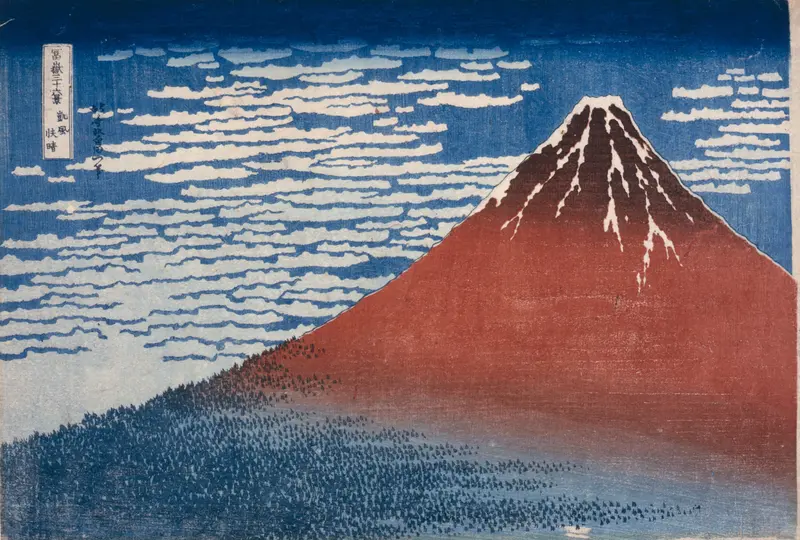
Fine Wind, Clear Morning (Red Fuji)
Katsushika Hokusai
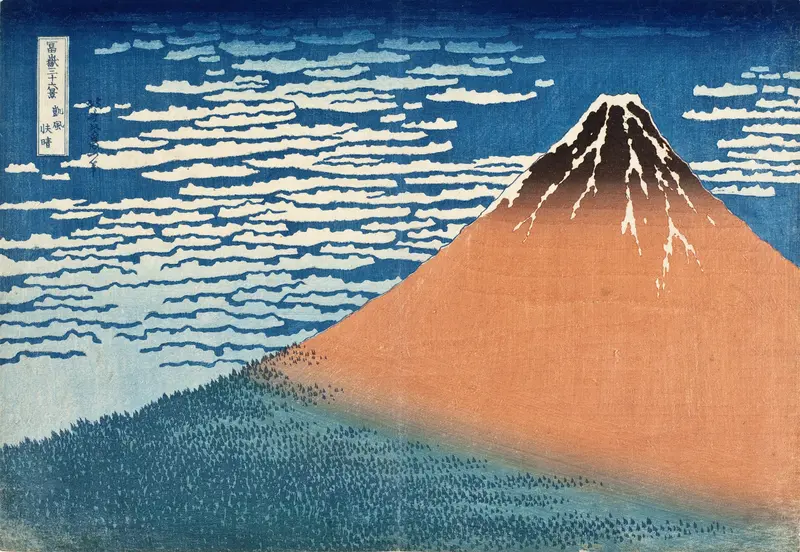
South Wind, Clear Dawn
Katsushika Hokusai
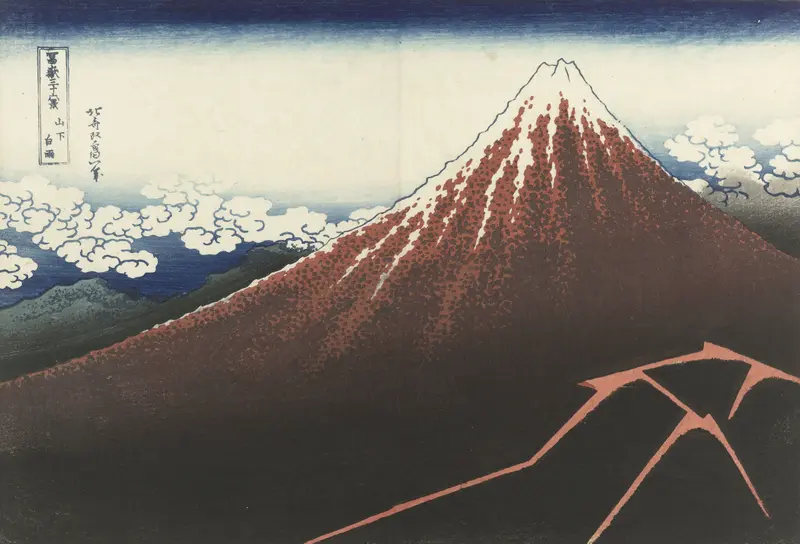
Rainstorm Beneath the Summit
Katsushika Hokusai
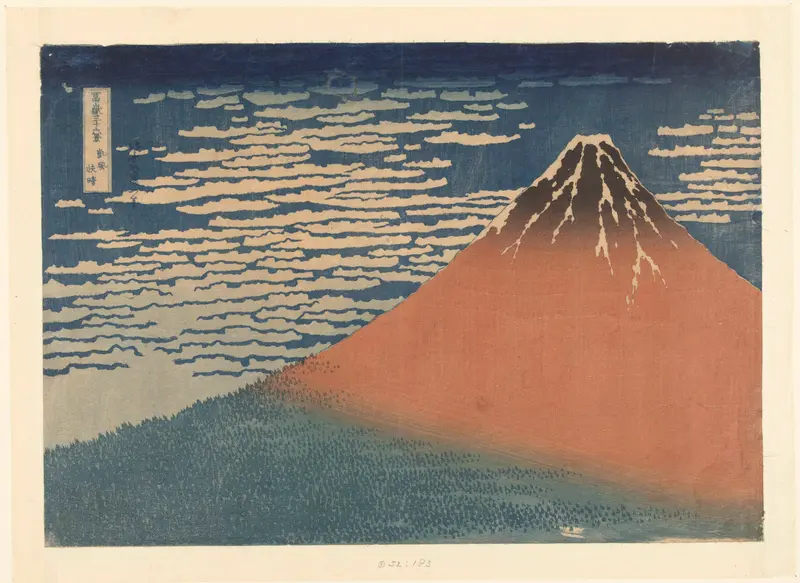
Clear Weather with a Southerly Wind
Katsushika Hokusai
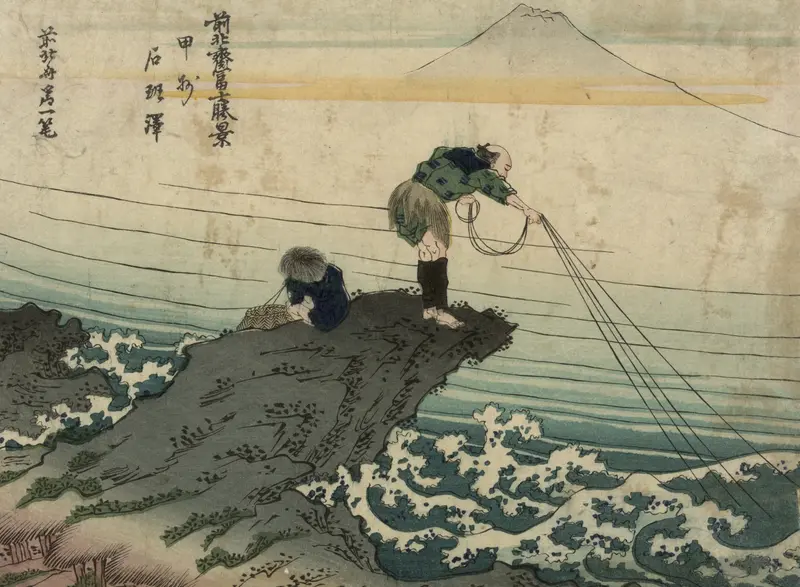
Kōshū kajikazawa
Katsushika Hokusai
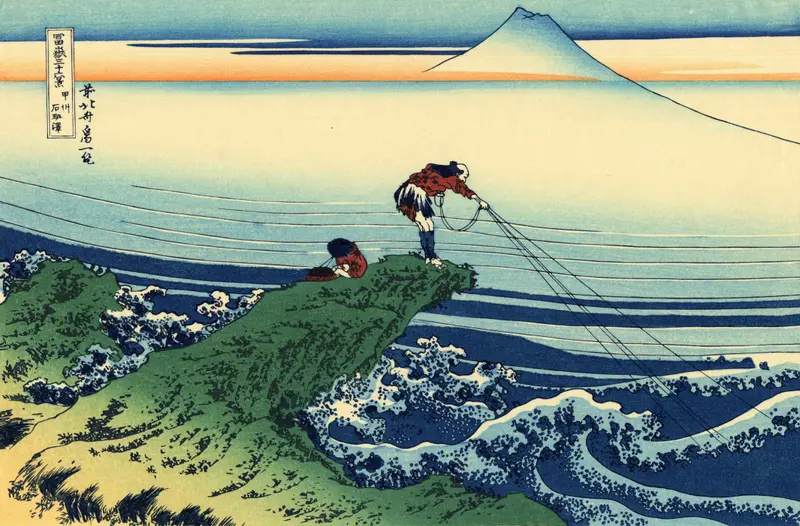
Kōshū kajikazawa 2
Katsushika Hokusai
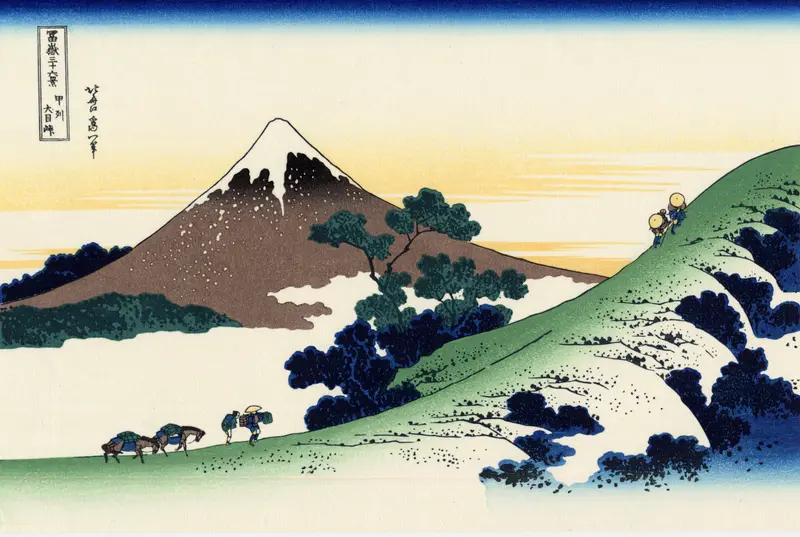
Inume Pass in Kai Province (Kôshû inume-tôge)
Katsushika Hokusai

Yoro Falls in Mino Province (Mino no Yoro no taki), from the series "A Tour of Waterfalls in Various Provinces (Shokoku taki meguri)"
Katsushika Hokusai
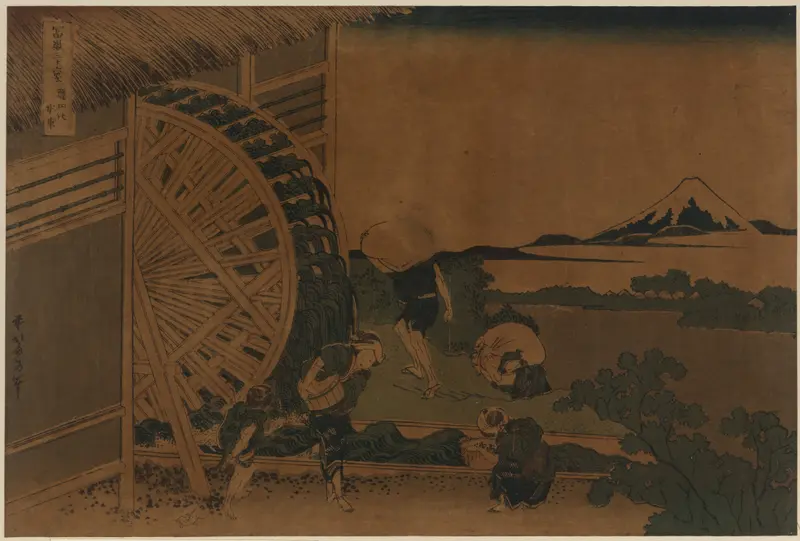
Onden no suisha
Katsushika Hokusai





