
Young Girl Leaning on a Window Ledge — History & Facts
When Young Girl Leaning on a Window Ledge was first exhibited in 1778, it was immediately recognized as a departure from the grand mythological scenes that had made Jean-Honoré Fragonard famous. Rather than a commission for a noble patron or a scene of aristocratic leisure, this intimate portrait captures a fleeting, everyday moment, and its subject remains unidentified to this day. The painting is one of several works from Fragonard’s late career in which he turned his attention to genre scenes, exploring the private worlds of ordinary people.
This shift puzzled some of his contemporaries, who wondered why an artist of his reputation would focus on such modest themes. A young girl, her arms folded and chin resting on the cool stone of a window ledge, gazes out with a dreamy, almost absent-minded expression. Fragonard chooses the moment between action and repose, inviting the viewer to wonder what thoughts occupy her mind. The loose, fluid brushwork—so typical of Fragonard—captures the soft play of light on her face and the gentle folds of her dress, while the open window suggests both enclosure and the lure of the world beyond.
The simplicity of the setting, with no distracting background details, keeps our attention fixed on her inward reverie. In contrast to the moralizing tone of Chardin’s domestic scenes, Fragonard’s approach here is lighter, more ambiguous, leaving interpretation open. The precise origins of Young Girl Leaning on a Window Ledge are unclear, with no surviving documentation about its first owner or intended recipient. Over the centuries, the painting has passed quietly through private collections, rarely appearing in public exhibitions and only recently receiving scholarly attention as part of a reevaluation of Fragonard’s later works.
Its current home is in a European museum, where it stands as a testament to the artist’s versatility and his interest in the subtleties of human emotion. For Fragonard, this period marked a turn away from the elaborate theatrics of the Rococo towards something more personal and contemplative, a direction that would not be fully appreciated until long after his death.
More Artworks by Jean-Honoré Fragonard
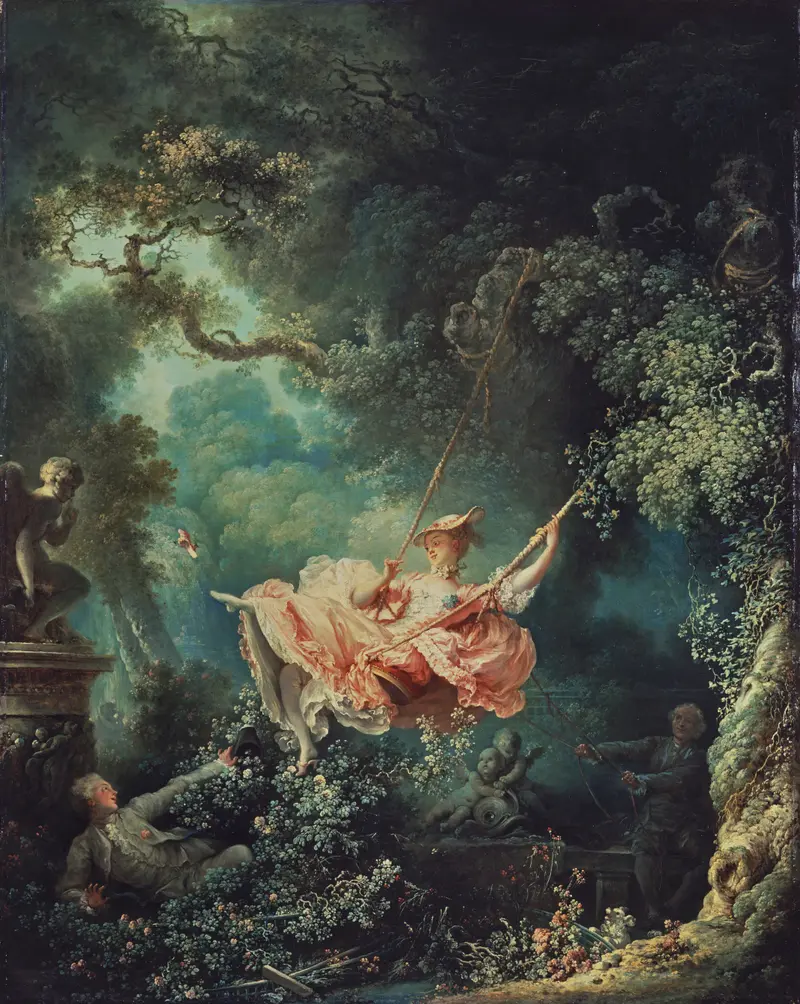
The Swing
Jean-Honoré Fragonard

The Swing
Jean-Honoré Fragonard
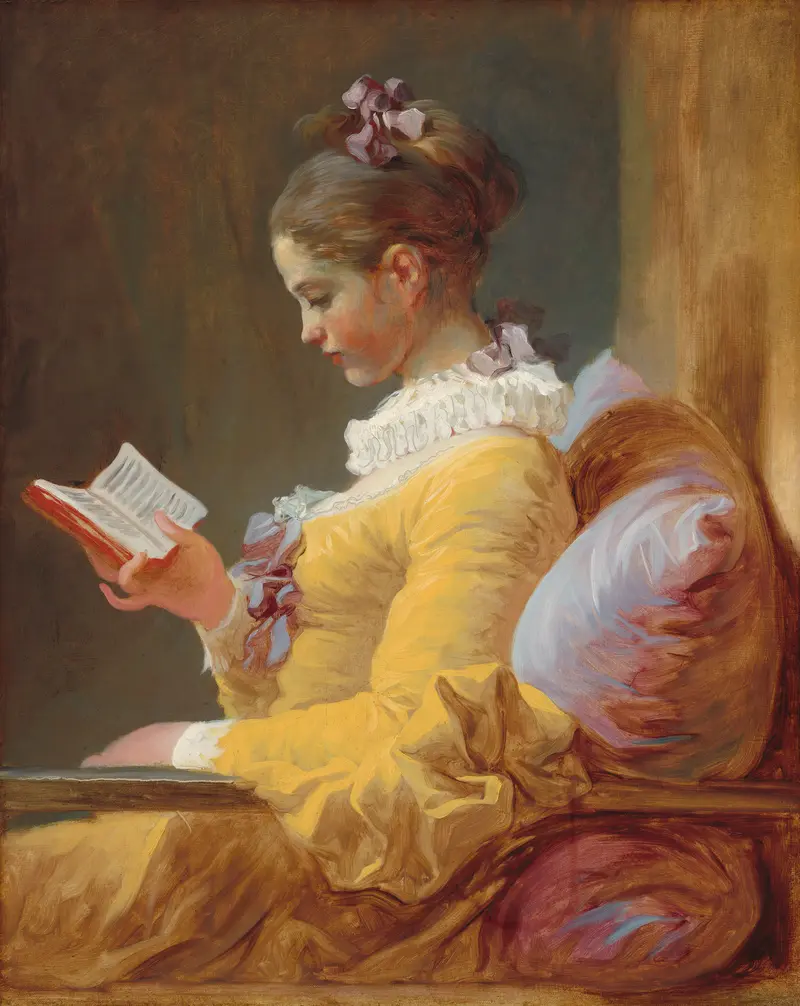
A Young Girl Reading
Jean-Honoré Fragonard
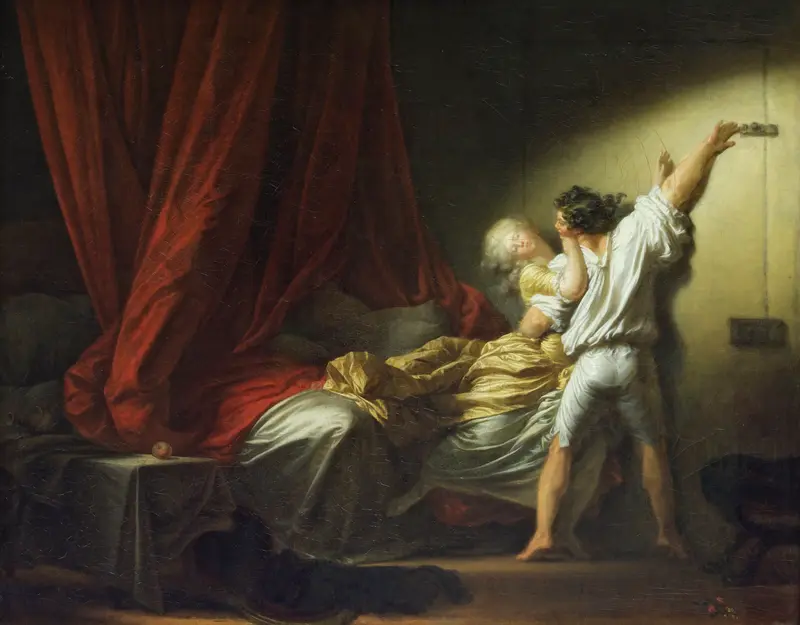
The Lock
Jean-Honoré Fragonard
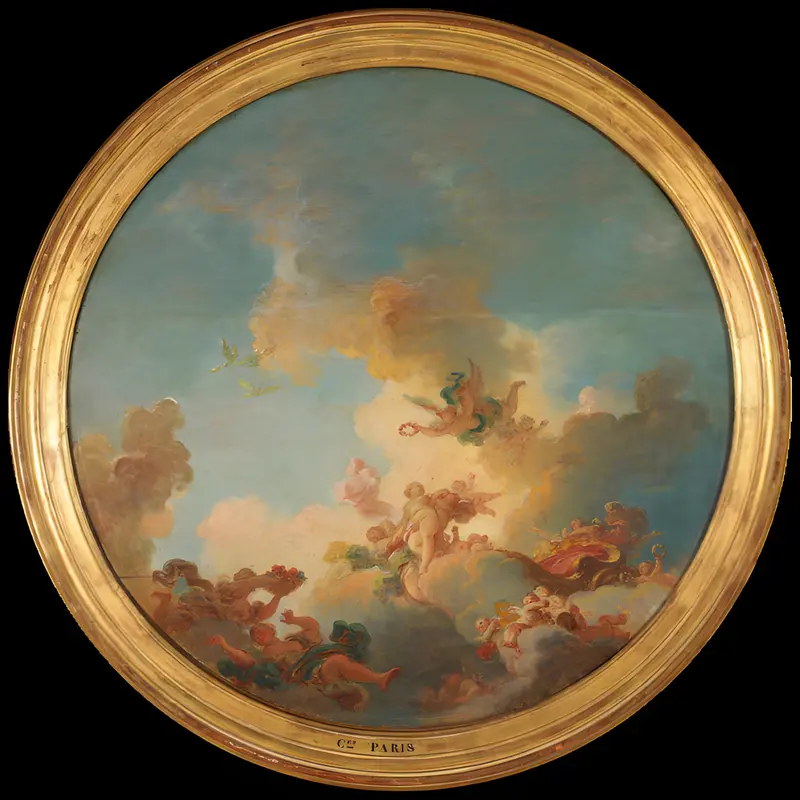
The Triumph of Venus
Jean-Honoré Fragonard
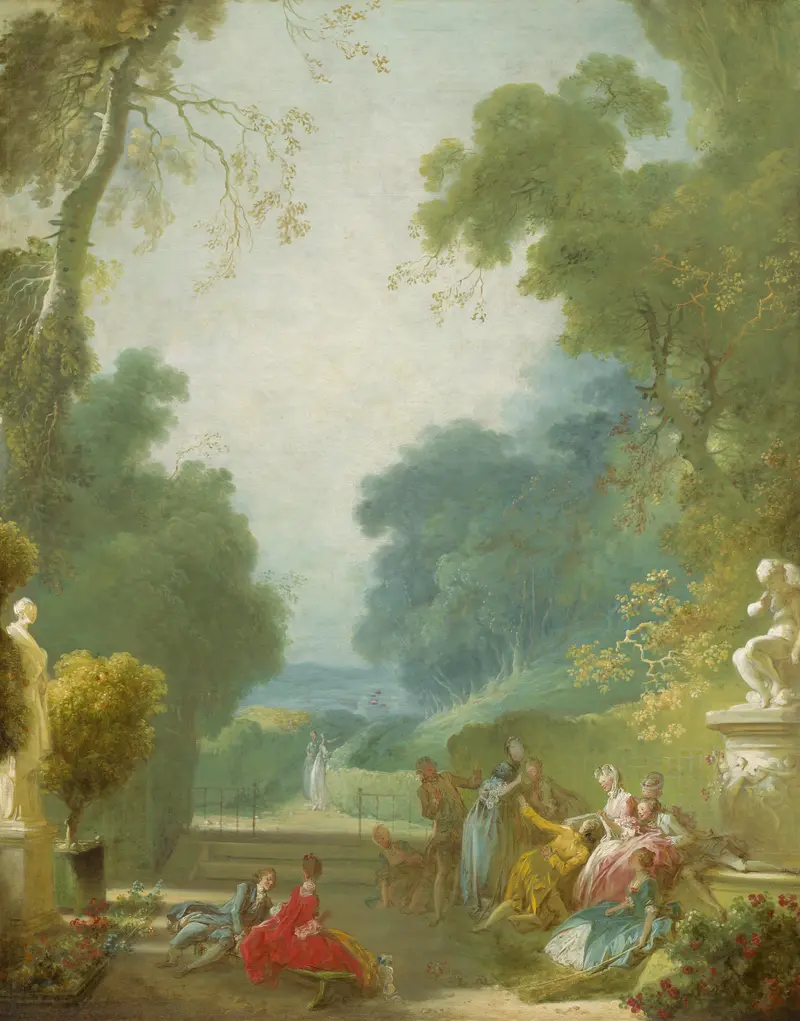
A Game of Hot Cockles
Jean-Honoré Fragonard
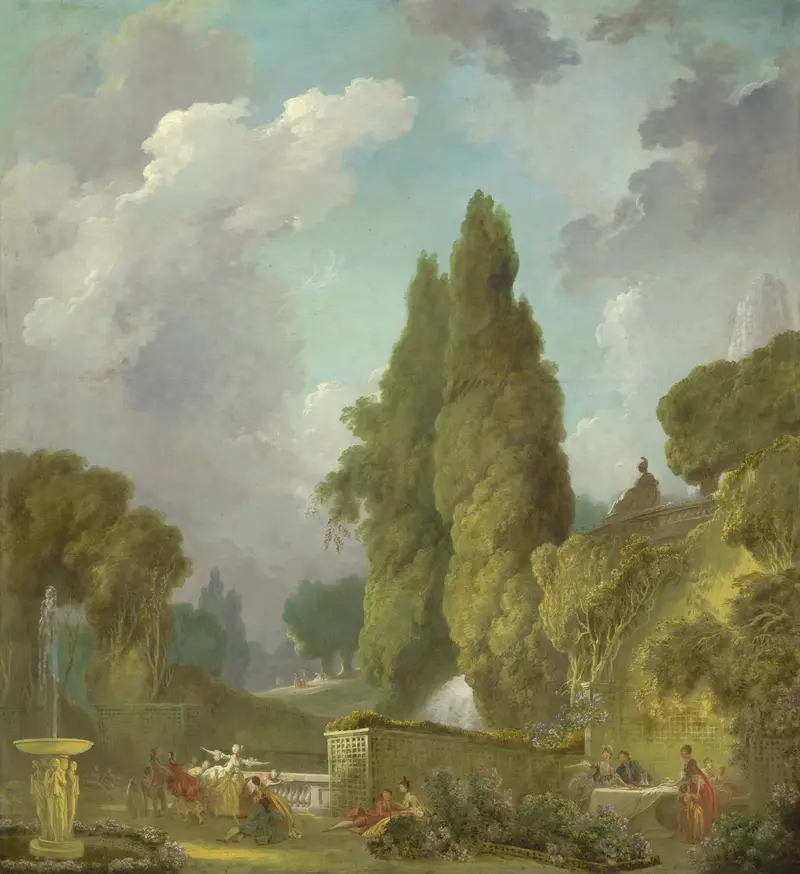
Blindman’s Buff
Jean-Honoré Fragonard
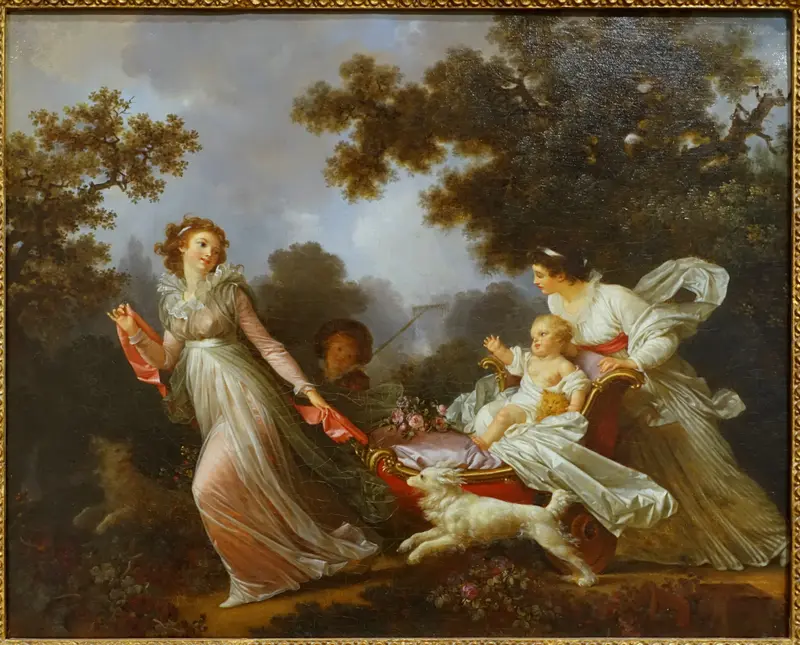
The Beloved Child
Jean-Honoré Fragonard
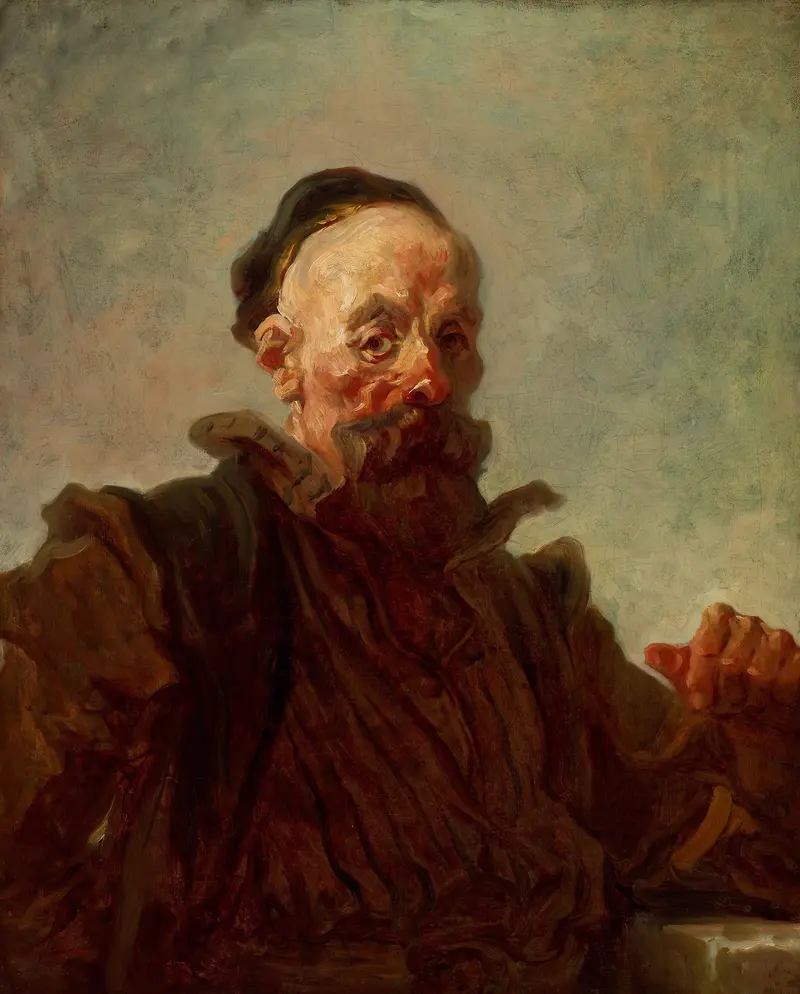
Portrait of a Man in Costume
Jean-Honoré Fragonard
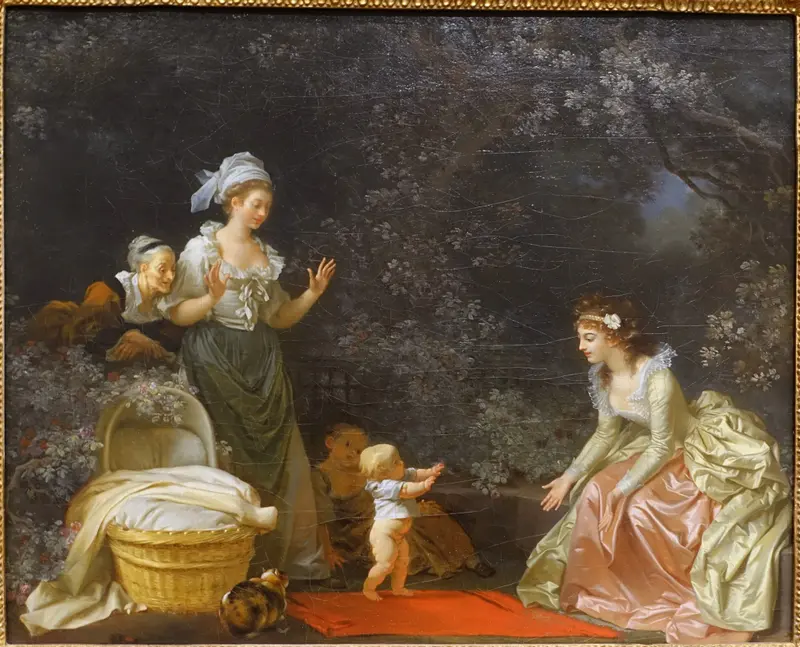
The First Steps
Jean-Honoré Fragonard
More Genre Scene Art

Banquet of the Officers of the St George Civic Guard
Frans Hals

Rembrandt and Saskia in the Scene of the Prodigal Son
Rembrandt van Rijn

Bal du moulin de la Galette
Pierre-Auguste Renoir

Quadrille at the Moulin Rouge
Henri de Toulouse-Lautrec

A Burial at Ornans
Gustave Courbet

When Will You Marry?
Paul Gauguin