
Young woman with a wineglass and artichokes (Allegory of Lascivea or Taste) — History & Facts
A glance at this painting and you are drawn not only by the rich velvet and silk, but by the sly, knowing smile of the woman at its center. Her bare shoulder gleams in the lamplight, and her gaze meets ours with a mixture of invitation and mischief. The glass of wine she raises is not just a prop; it is a signal, joined by the artichokes and roasted fowl on the table, each a traditional symbol of appetite and indulgence.
Even the monkey perched behind her, clutching a fruit, is a mischievous echo of her own pleasures, a reminder that in the world of allegory, animals often mirror human folly. Painted between 1615 and 1623, this work by Abraham Janssens belongs to a period when allegories of the senses and the vices were in fashion among the wealthy patrons of the Low Countries. Such paintings were not mere decoration; they were conversation pieces, designed to amuse and provoke thought about the boundaries between virtue and vice. The lush fabrics, the gleaming jewelry, and the abundance of food all speak to a world of material plenty, but also of moral warning.
History has kept few traces of this particular canvas, but its confident sensuality and layered symbolism invite us to linger, to decode, and to wonder what stories its first viewers spun as they traced the woman's smile.
More Artworks by Abraham Janssens

Jupiter Rebuked by Venus
Abraham Janssens
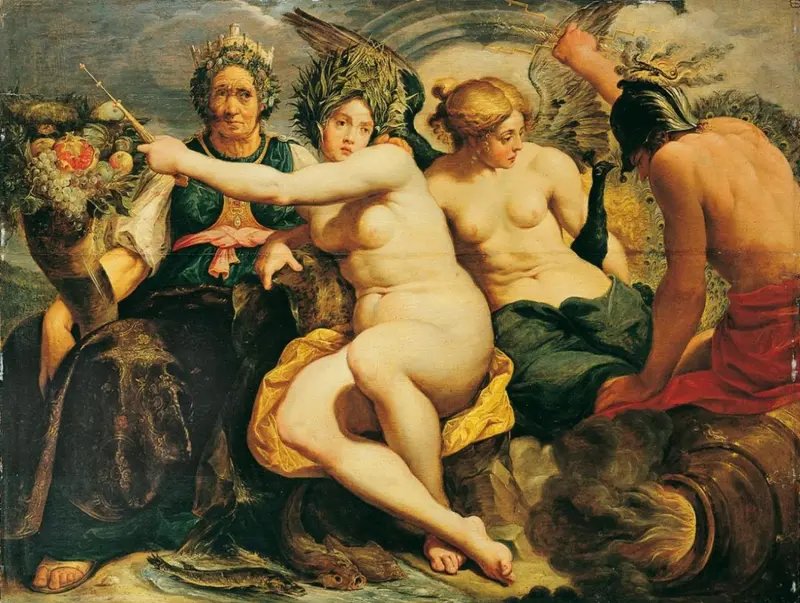
Allegorie der vier Elemente
Abraham Janssens
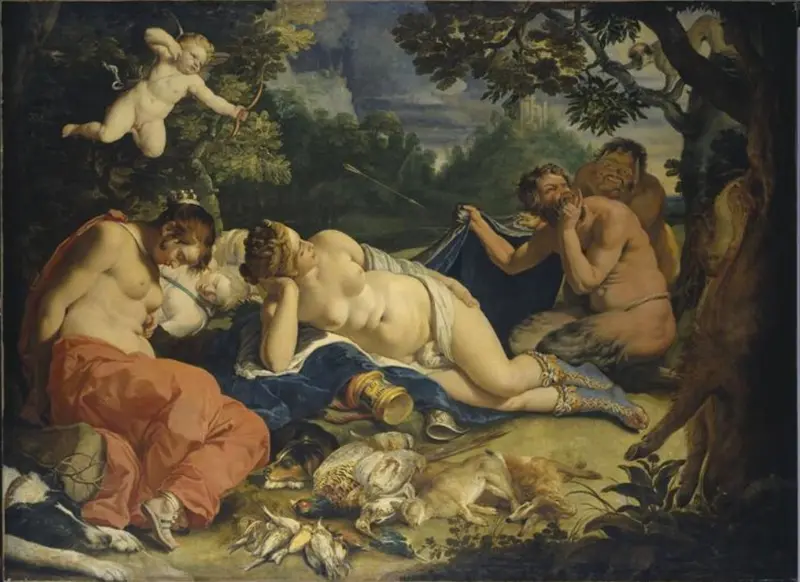
Diana and her nymphs spied on by satyrs
Abraham Janssens

Die Erweckung des Lazarus 153 Bavarian State Painting Collections
Abraham Janssens
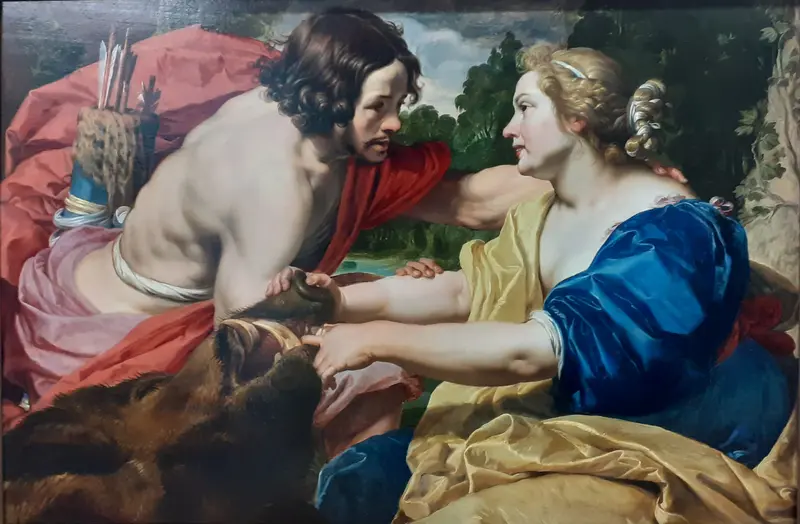
Meleager presents the head of the Calydonian Boar to Atalanta
Abraham Janssens
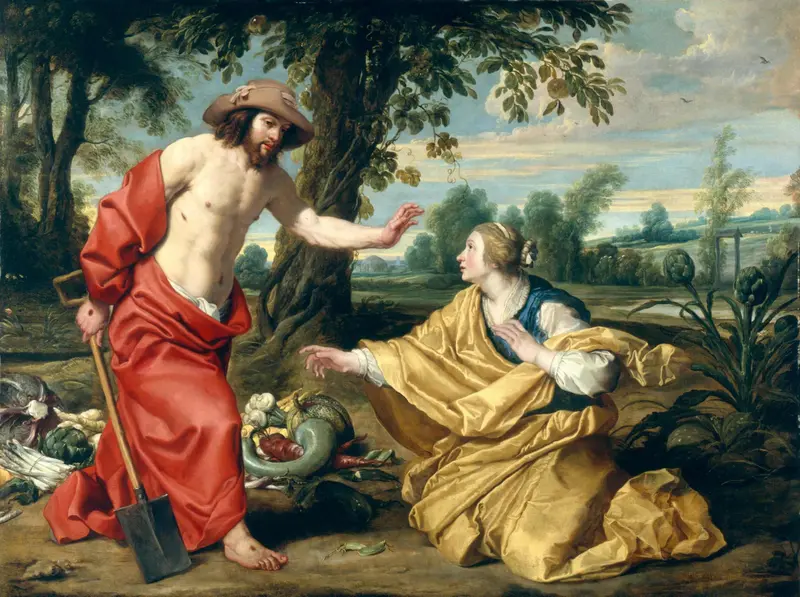
Noli me Tangere
Abraham Janssens
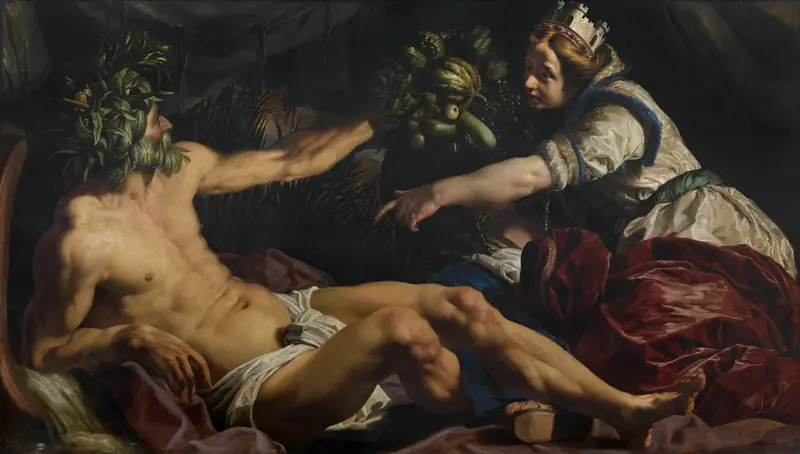
Scaldis and Antverpia
Abraham Janssens
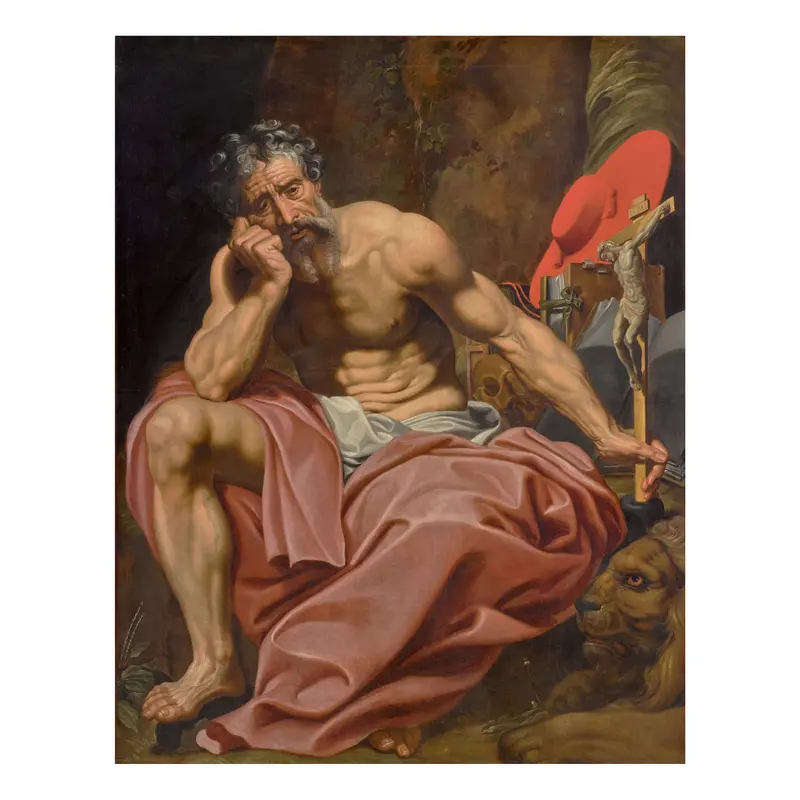
Saint Jerome
Abraham Janssens
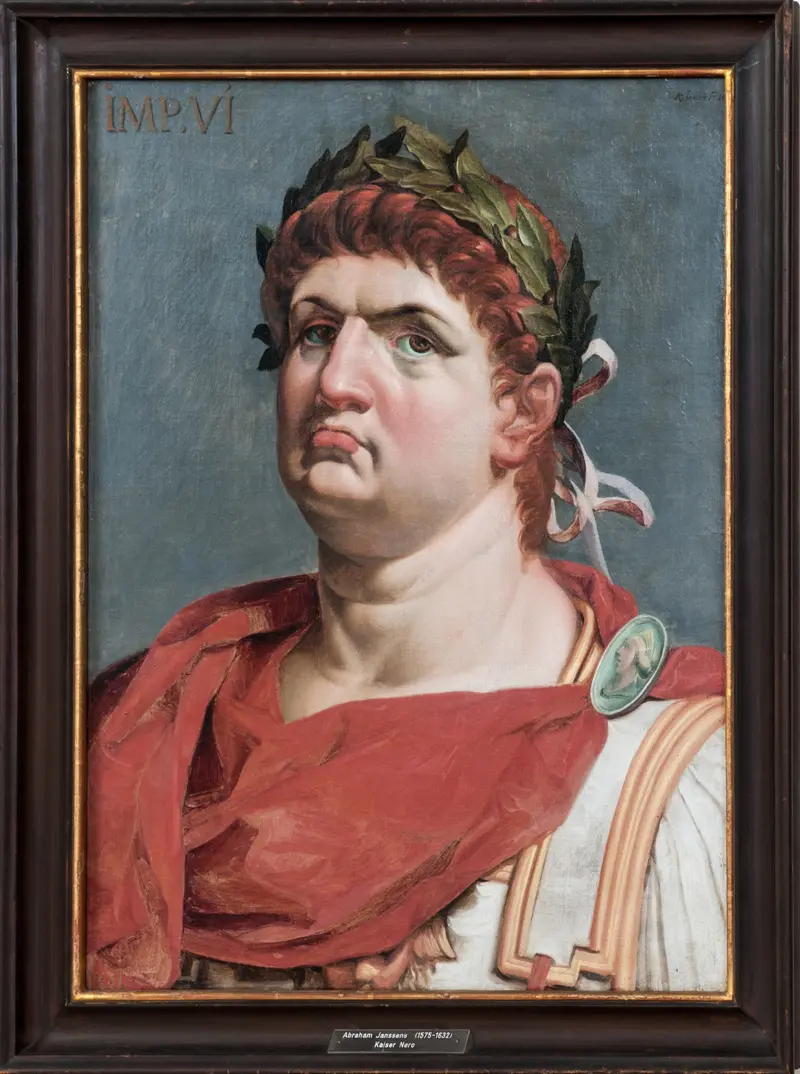
Nero
Abraham Janssens
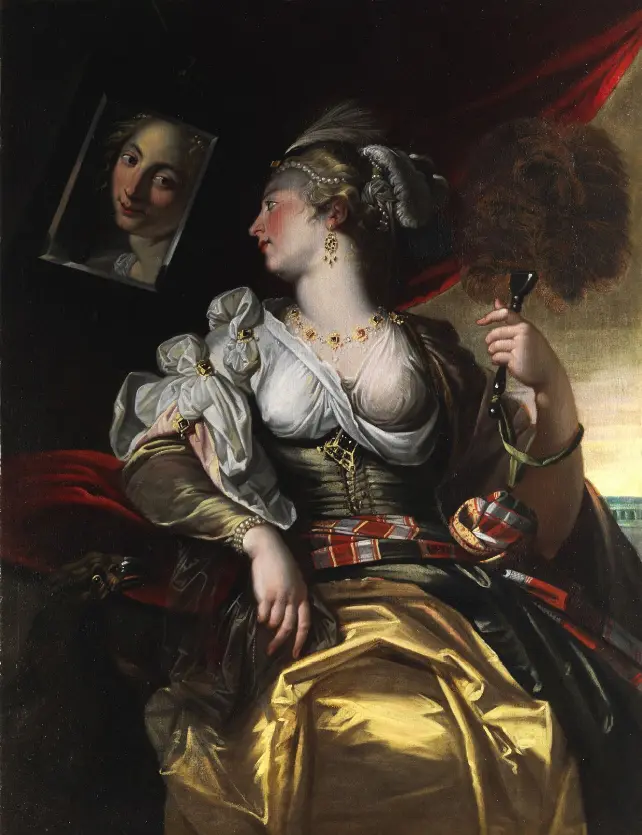
The Face
Abraham Janssens





