
Youths Playing With The Cat — History & Facts
No one can say for certain why Abraham Bloemaert chose to paint the playful, sometimes mischievous world of children and animals, but Youths Playing With The Cat stands as a rare glimpse into everyday life in the Dutch Golden Age—a subject less common than the grand biblical or mythological scenes that filled most galleries of the time. Unlike Bloemaert’s more famous religious commissions, this work has no surviving records of a patron or a public unveiling, leaving its origins shrouded in mystery. What makes it especially intriguing is the ambiguity of its message: is this a simple domestic scene, or a sly moral lesson tucked into the folds of a genre painting? The painting’s uncertain date and medium only deepen its air of enigma, inviting viewers to look closer and ask questions. At the center, a group of youths crowd around a lively cat, their faces alight with mischief and curiosity.
One boy teases the animal with a string, while another holds it firmly, and the cat’s arched back and fluffed tail hint at a moment of tension—will it scratch, or will it escape? The scattered objects—perhaps a broken egg or a toppled jug—suggest that chaos is never far behind youthful games. In the tradition of Dutch genre painting, such scenes often carried a warning about the perils of idleness or cruelty; the cat’s distress may mirror the consequences of unchecked play. Compared to Jan Steen’s raucous domestic scenes, Bloemaert’s approach is quieter but no less pointed, using gesture and glance to tell his story. The painting’s physical journey remains largely undocumented, as is often the case with works of this intimate, everyday subject.
Abraham Bloemaert was a prolific and influential figure in the Utrecht school, known for training a generation of artists, but genre scenes like this are rare in his surviving oeuvre. Today, Youths Playing With The Cat is recognized as a window into the shifting tastes of the early seventeenth century, when artists began to find beauty and meaning in the ordinary. Its attribution to Bloemaert has been widely accepted, though questions about its exact date and original context persist.
Now part of an online collection, the painting continues to spark debate and delight, centuries after its creation.
More Artworks by Abraham Bloemaert

Adam and Eve
Abraham Bloemaert
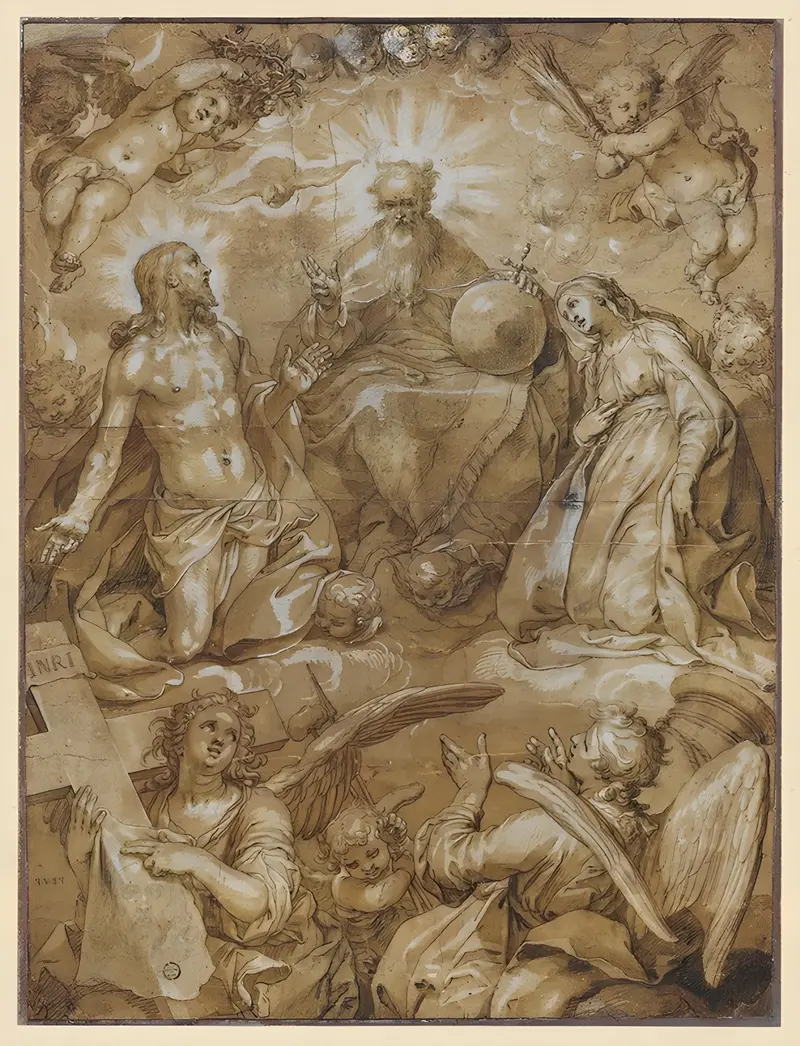
Intercession of Christ and Mary before God the Father
Abraham Bloemaert
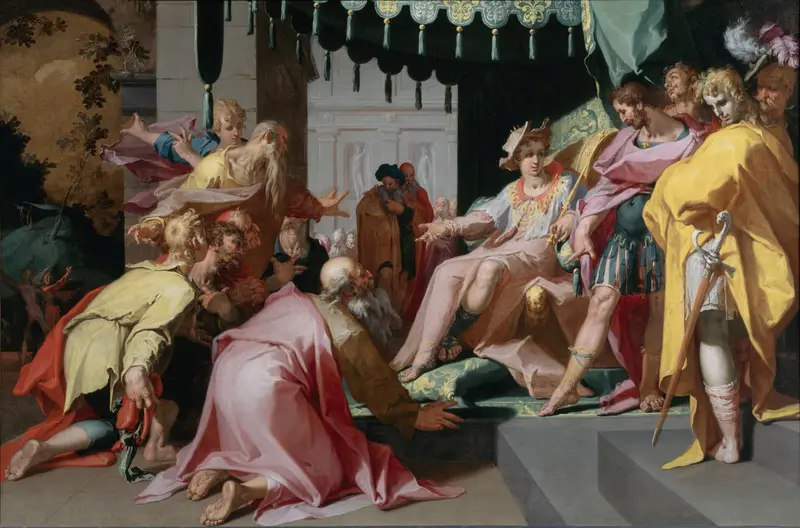
Joseph and his Brothers
Abraham Bloemaert
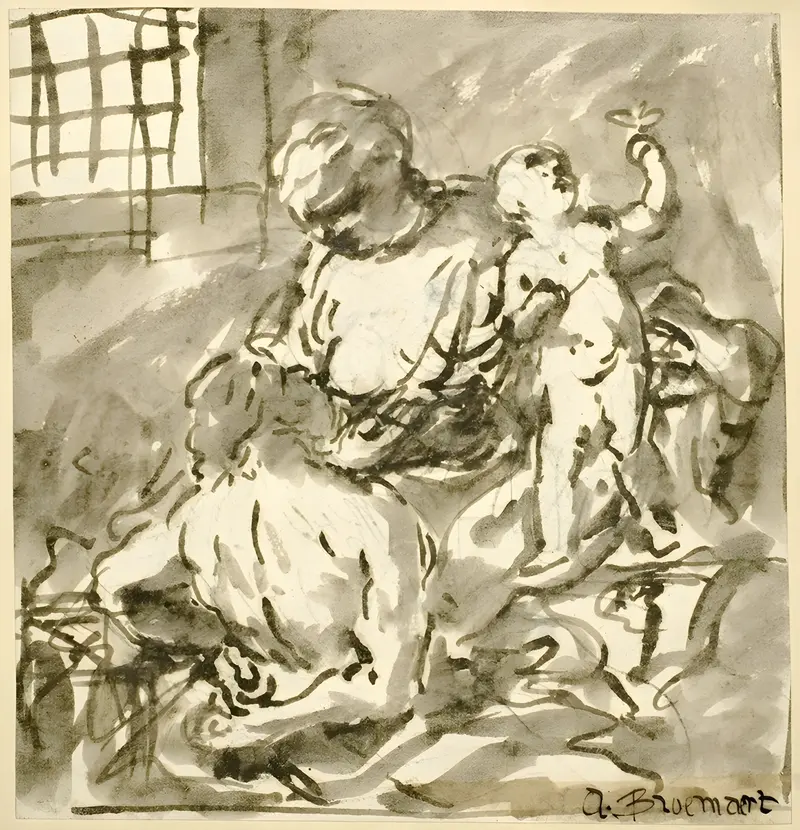
Caritas Romana
Abraham Bloemaert
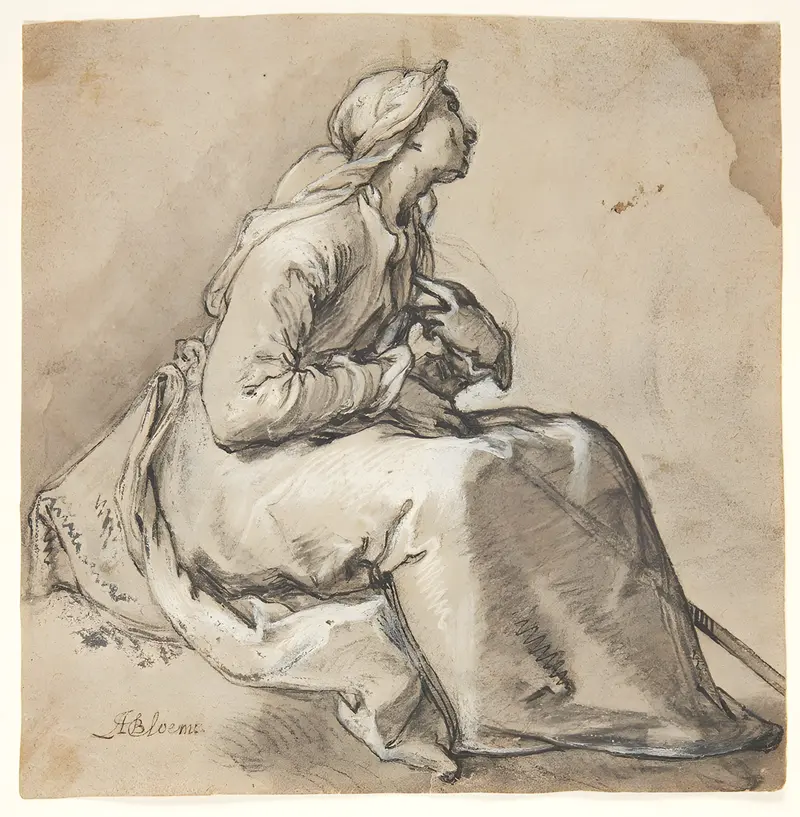
A seated woman facing right
Abraham Bloemaert
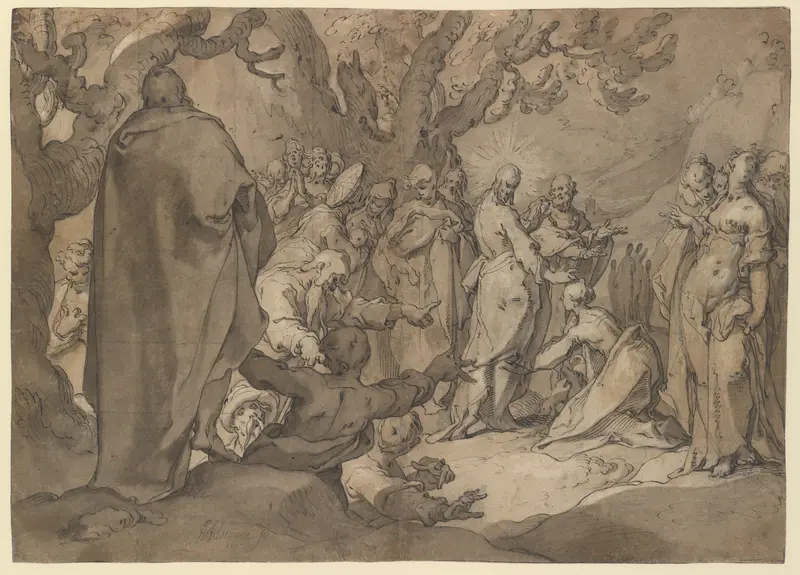
Christ and the Canaanite Women
Abraham Bloemaert
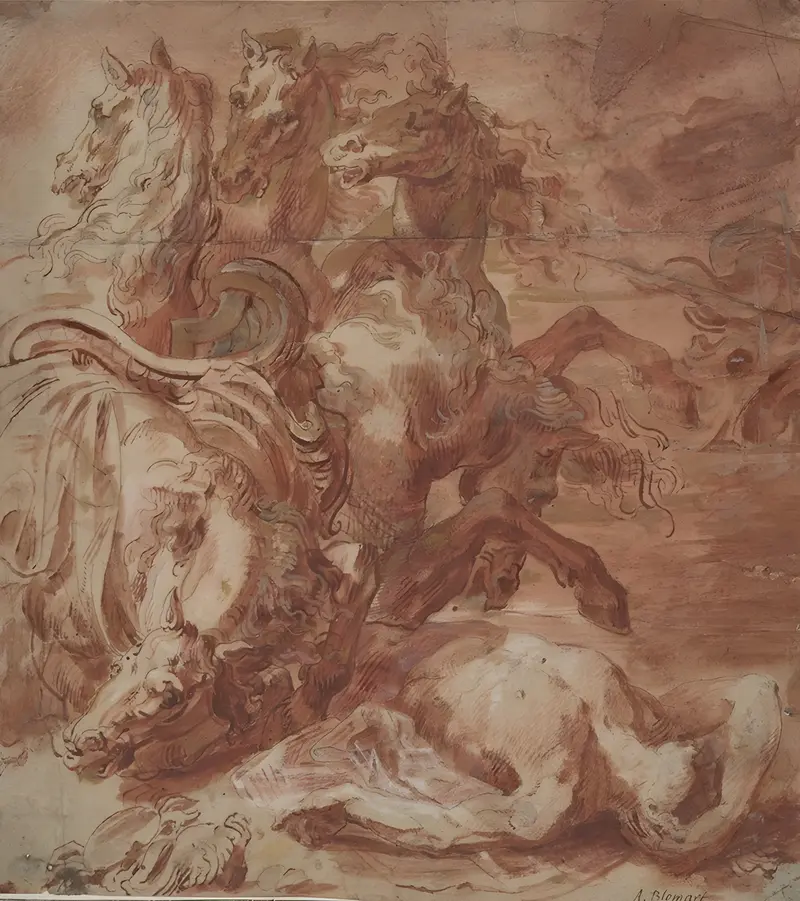
Hippolytus
Abraham Bloemaert
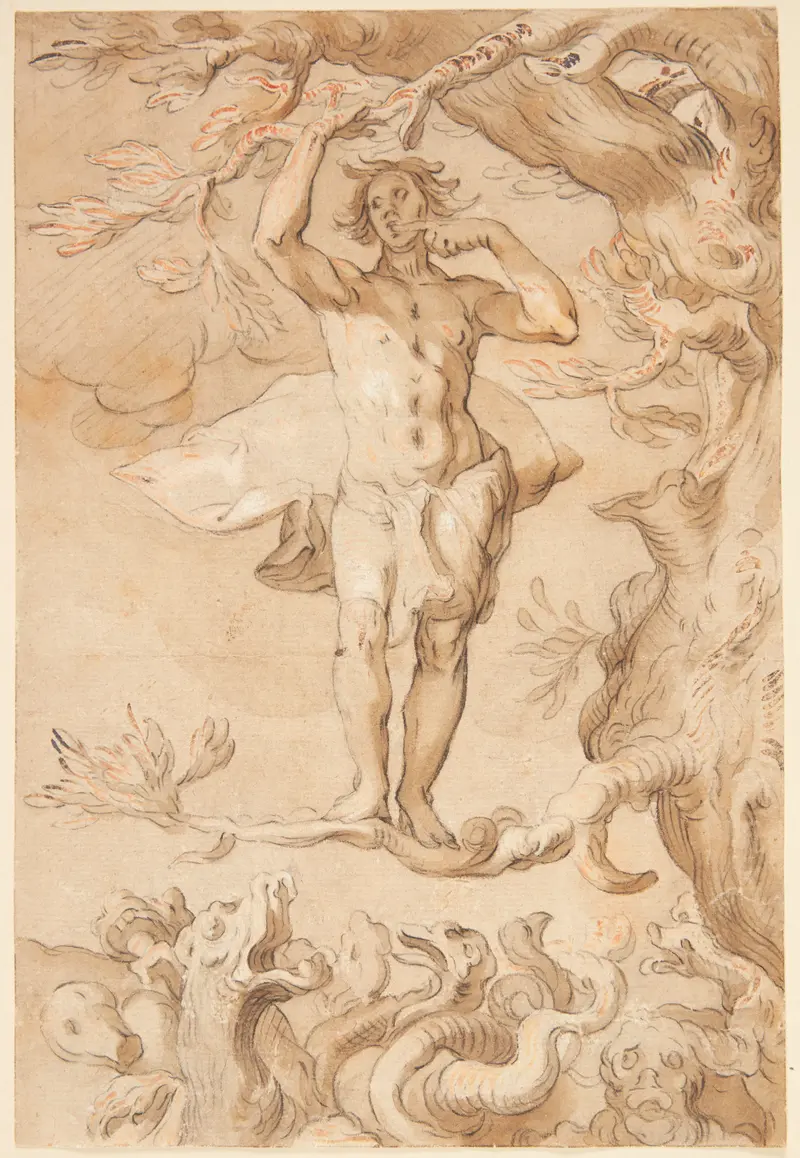
Den menneskelige glædes skrøbelighed En mand, der jages af en drage, klynger sig til en gren, mens han slikker honning af sin finger
Abraham Bloemaert

Moses Striking the Rock
Abraham Bloemaert
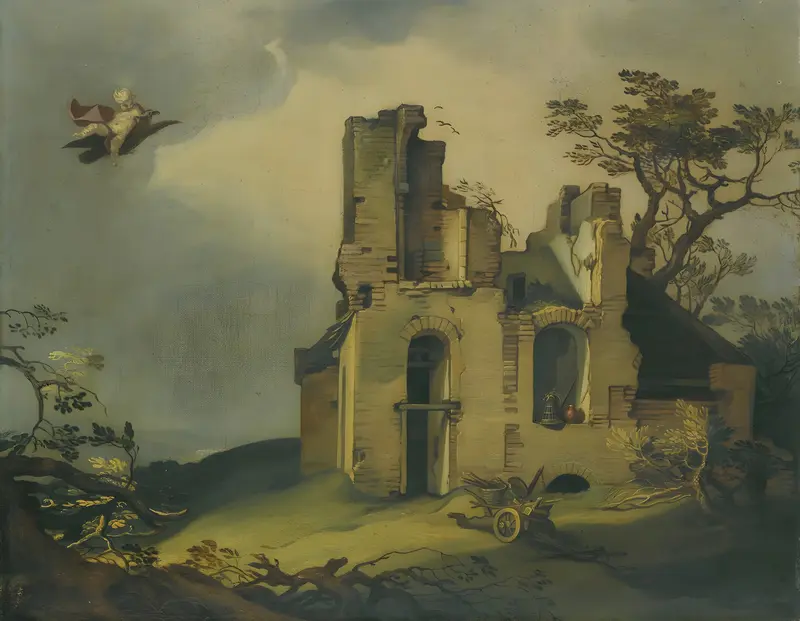
A Landscape With Ruins, With The Rape Of Ganymede
Abraham Bloemaert
More Genre Scene Art

Banquet of the Officers of the St George Civic Guard
Frans Hals

Rembrandt and Saskia in the Scene of the Prodigal Son
Rembrandt van Rijn

Bal du moulin de la Galette
Pierre-Auguste Renoir

Quadrille at the Moulin Rouge
Henri de Toulouse-Lautrec

A Burial at Ornans
Gustave Courbet

When Will You Marry?
Paul Gauguin