
Zwei Soldaten treiben zwei Ziegen vor sich her — History & Facts
In Zwei Soldaten treiben zwei Ziegen vor sich her, two soldiers are depicted herding two goats. The colors are earthy, with browns and greens dominating the scene. The figures are rendered in a realistic manner, showcasing the soldiers in their uniforms.
The setting appears to be a rural landscape, emphasizing the connection between humans and animals. This artwork is an etching, a technique that allows for fine details and textures. The lines are sharp and well-defined, giving the figures a sense of movement. The composition is balanced, with the soldiers and goats positioned harmoniously within the frame.
Viewers can appreciate the intricate details in the soldiers' attire and the goats' fur. Jacques Callot was a French artist known for his prints and etchings during the Baroque period. Zwei Soldaten treiben zwei Ziegen vor sich her reflects his interest in everyday life and the interactions between people and animals. An interesting fact about this work is that it captures a moment of pastoral life, which was a common theme in Callot's oeuvre.
His ability to depict movement and character in his figures sets him apart from his contemporaries.
More Artworks by Jacques Callot

De verloren zoon als zwijnenhoeder
Jacques Callot
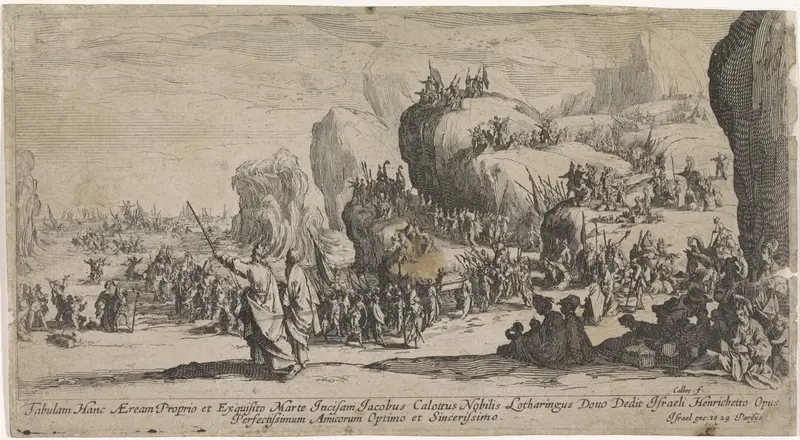
De doortocht door de Rode Zee
Jacques Callot

Kruisiging
Jacques Callot
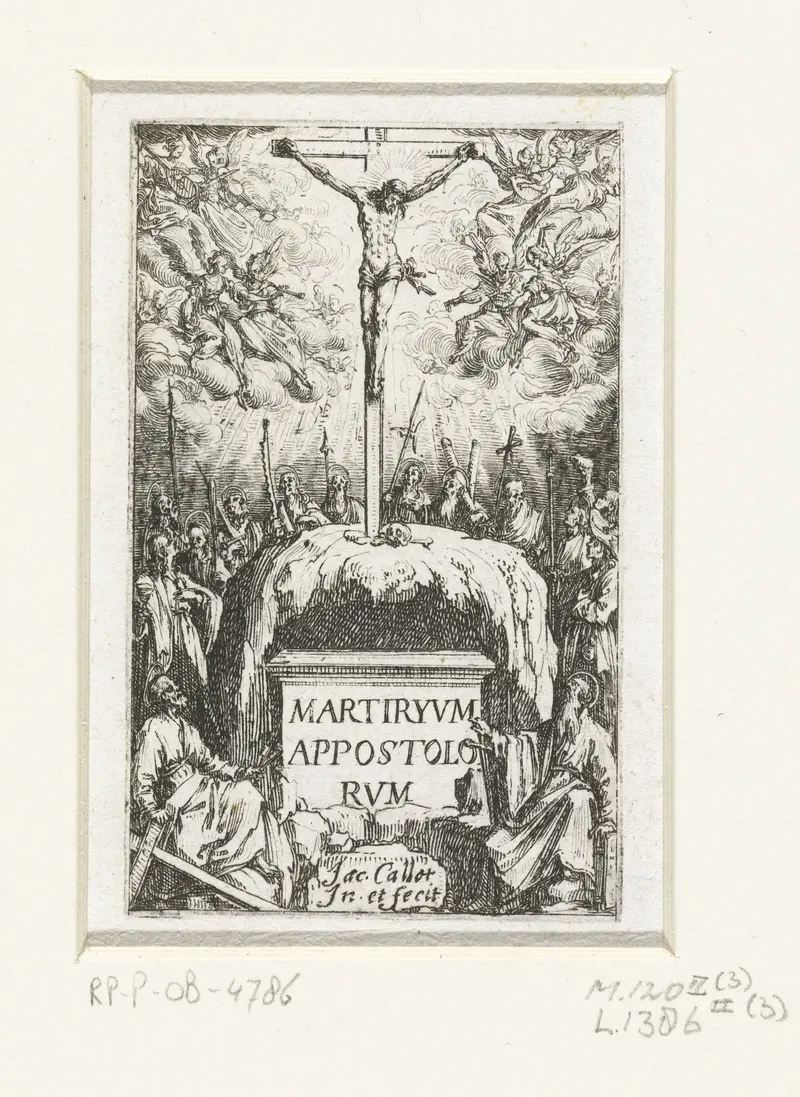
Titelprent voor de prentreeks 'De kleine apostelen' (Het martelaarschap van de apostelen)
Jacques Callot
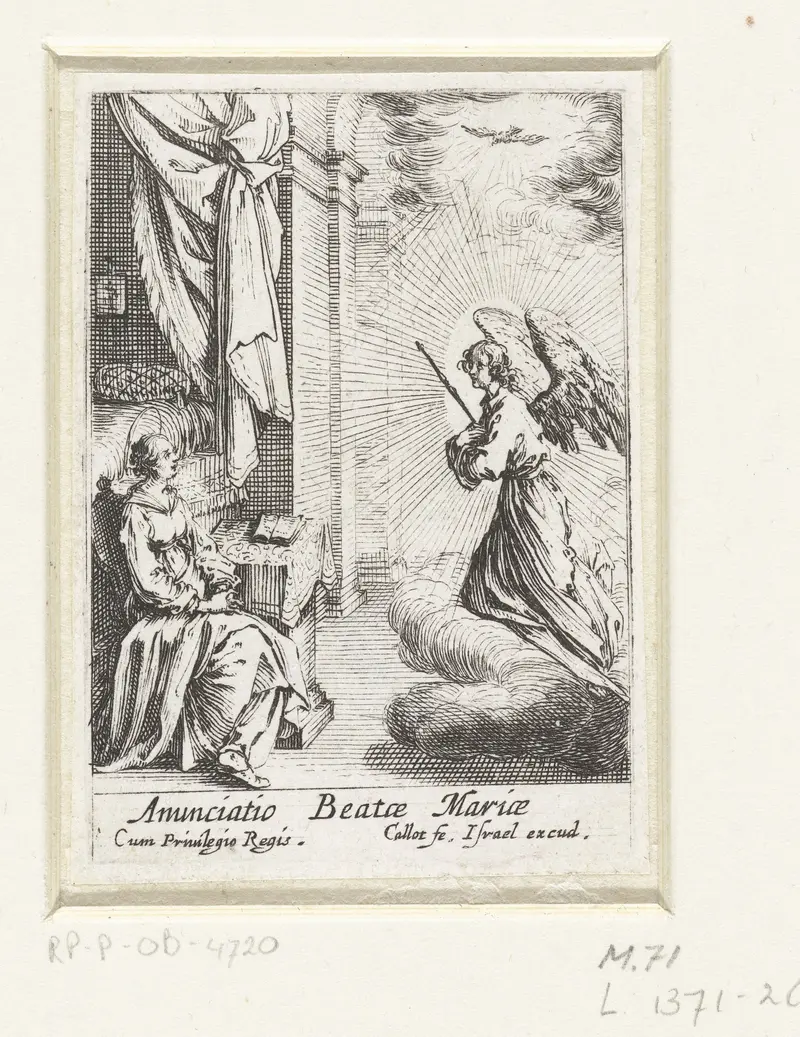
Annunciatie
Jacques Callot
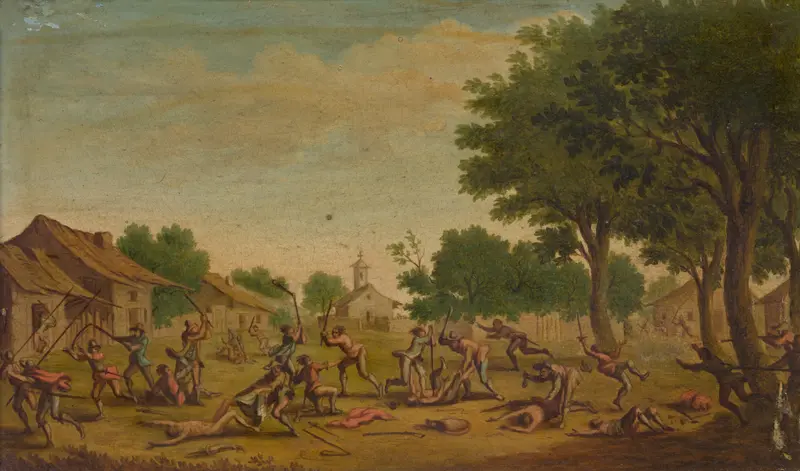
Village Fight
Jacques Callot
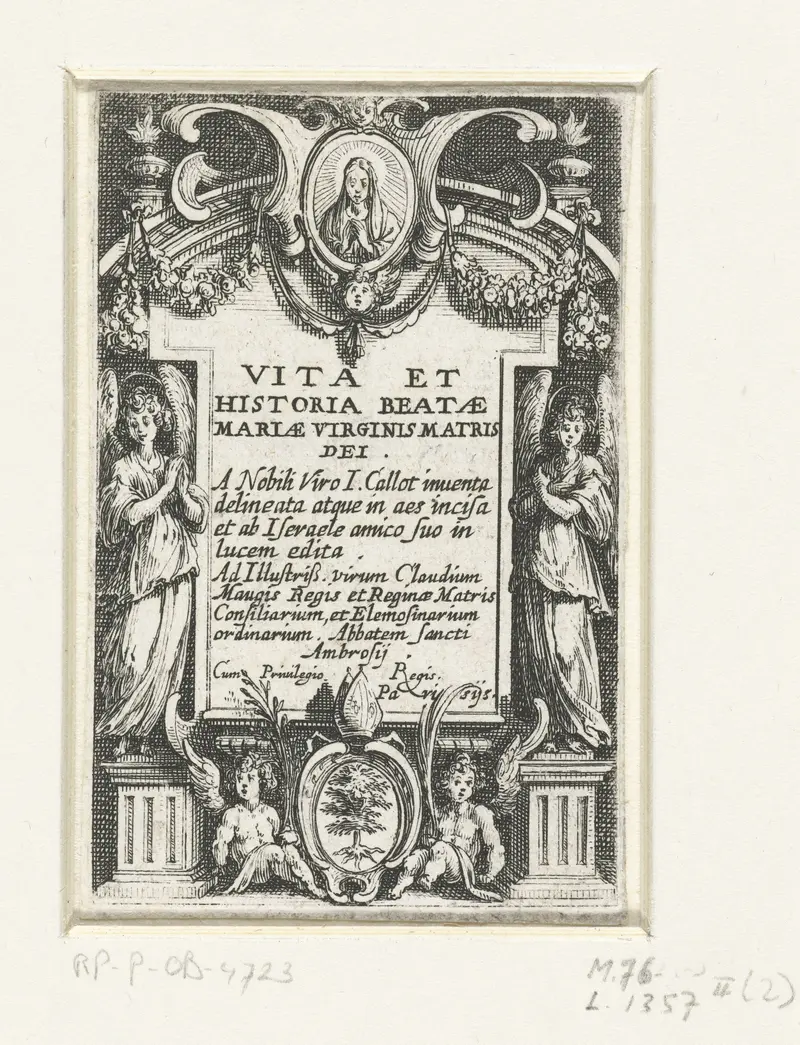
Titelprent voor prentreeks 'Het leven van Maria'
Jacques Callot
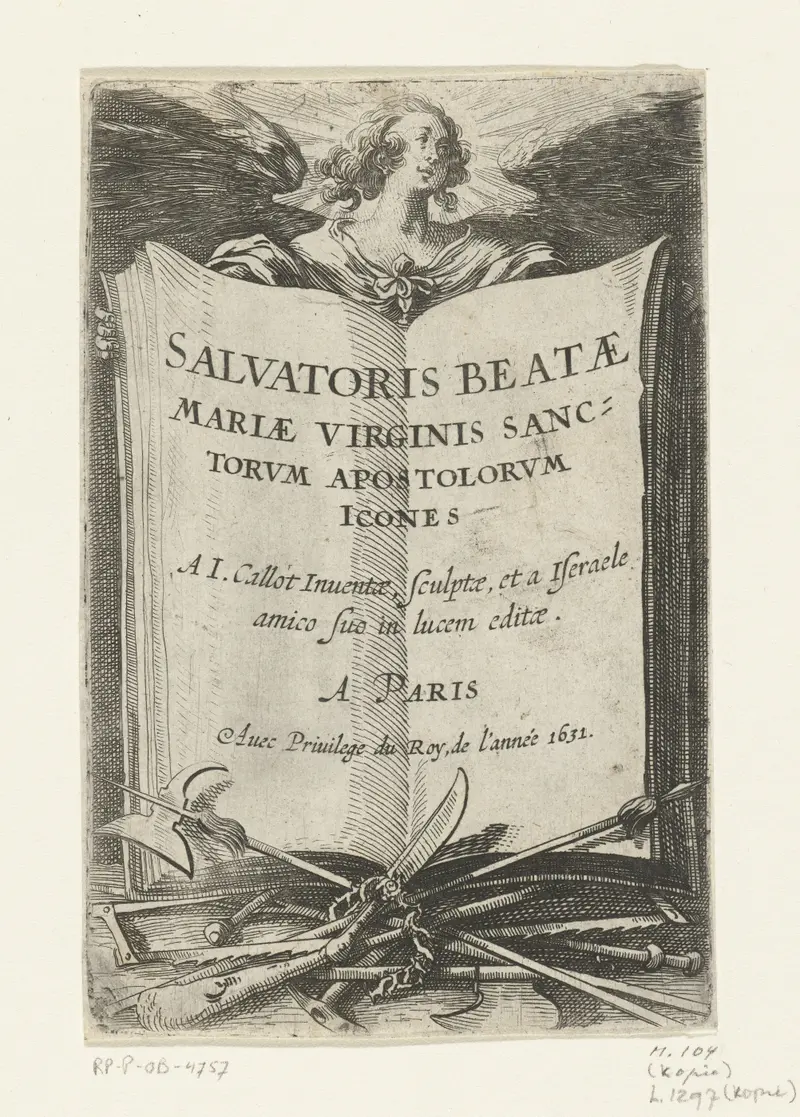
Titelprent voor de prentreeks 'De grote apostelen' (Christus, Maria en de apostelen)
Jacques Callot

Kruisoprichting
Jacques Callot
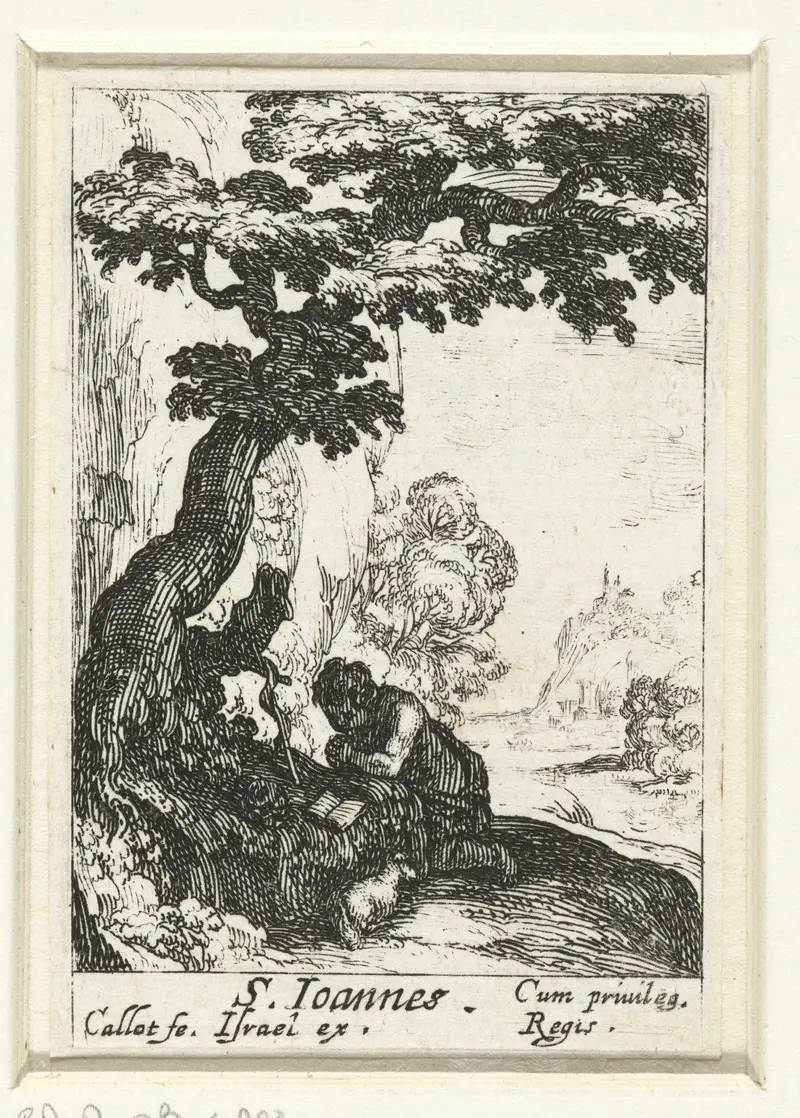
De boetvaardige Johannes de Doper
Jacques Callot
More Genre Scene Art

Banquet of the Officers of the St George Civic Guard
Frans Hals

Rembrandt and Saskia in the Scene of the Prodigal Son
Rembrandt van Rijn

Bal du moulin de la Galette
Pierre-Auguste Renoir

Quadrille at the Moulin Rouge
Henri de Toulouse-Lautrec

A Burial at Ornans
Gustave Courbet

When Will You Marry?
Paul Gauguin