
003 — History & Facts
What first catches the eye in 003 by Adolphe Joseph Thomas Monticelli is not a single figure or gesture, but the sheer density of color and texture—an almost sculptural surface that seems to shimmer and dissolve before settling into a scene of gathering figures. The forms emerge slowly: a cluster of people, some seated, others standing, their faces and costumes barely distinct from the lush, tangled garden that surrounds them. The painter guides the viewer’s gaze with bold strokes of gold, ochre, and red, drawing attention to a central group, then letting it drift outward to discover a woman in white, a flash of crimson, a child’s face.
Light pools and scatters across the canvas, animating the figures and lending the whole assembly a sense of fleeting festivity, as if the memory of a summer afternoon is being conjured from the paint itself. Created around 1880, this work belongs to a period when artists like Monticelli—working in the wake of Romanticism and on the cusp of Impressionism—were experimenting with color and brushwork to capture mood rather than precise detail. Such scenes of elegant leisure, with their hints of masked balls or garden fêtes, were popular among the bourgeois collectors of late nineteenth-century France, who sought both nostalgia and novelty in their art. History has kept few traces of this particular painting’s journey, aside from its inclusion in The Yorck Project’s digital archive, but its vibrant surface speaks to a world in transition: a society savoring its rituals even as the old certainties of class and taste began to shift.
Stand before it long enough, and the painting’s flickering forms invite you to imagine the music, laughter, and whispered conversations just beyond the reach of sight.
More Artworks by Adolphe Monticelli

Portrait of a Lady
Adolphe Monticelli
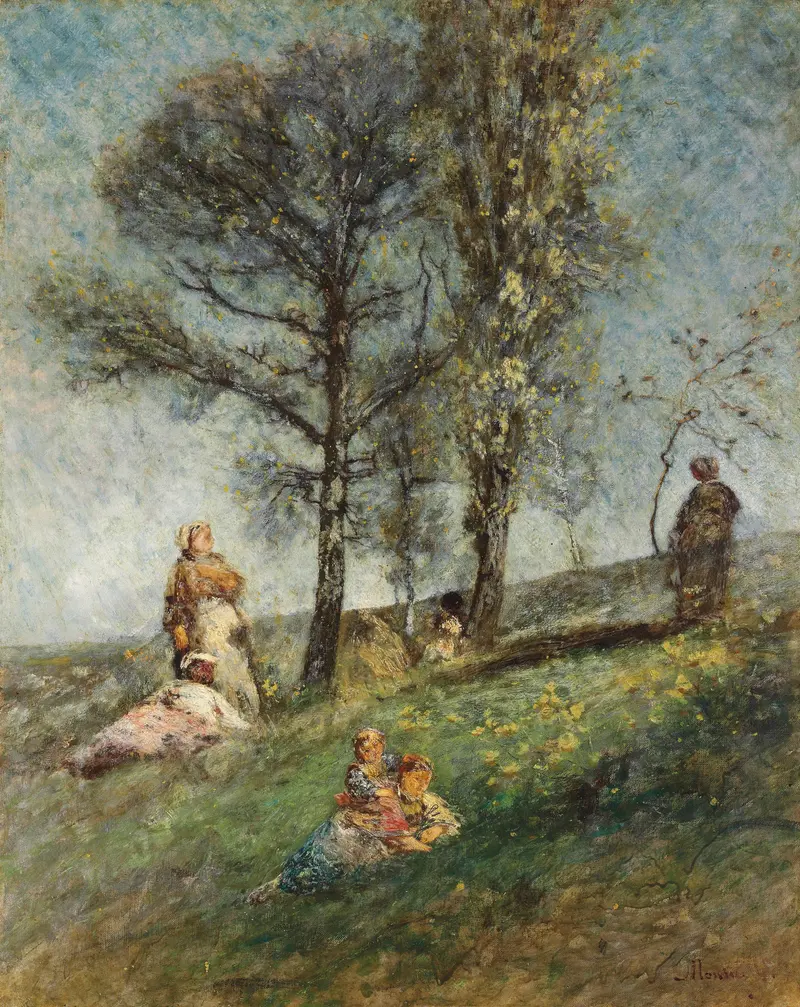
A Young Family Under Trees On A Hill
Adolphe Monticelli

Fête d'Après-Midi
Adolphe Monticelli
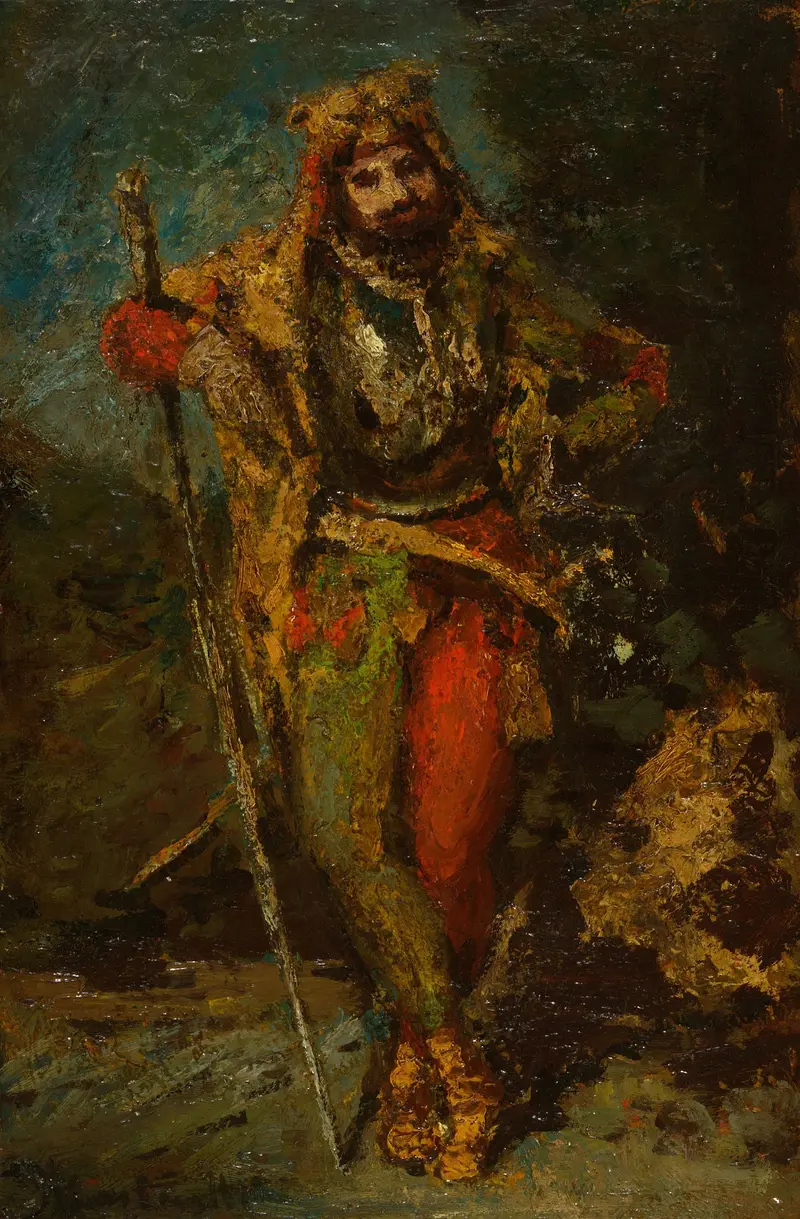
Mephisto from the Opera Faust
Adolphe Monticelli
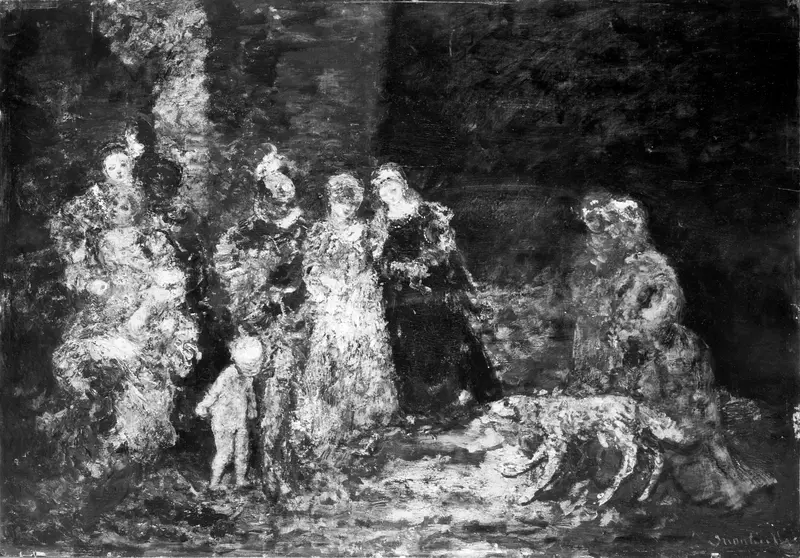
The Fairies
Adolphe Monticelli
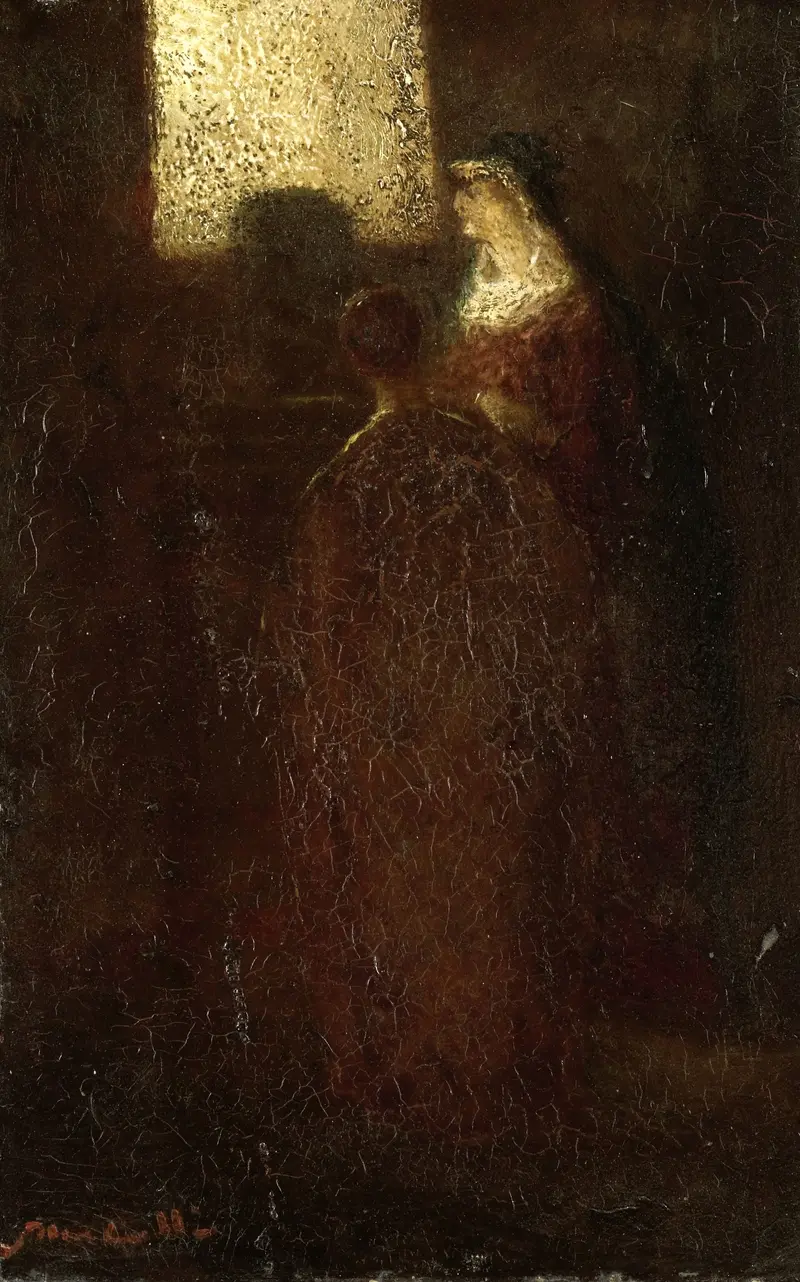
Aan het altaar
Adolphe Monticelli
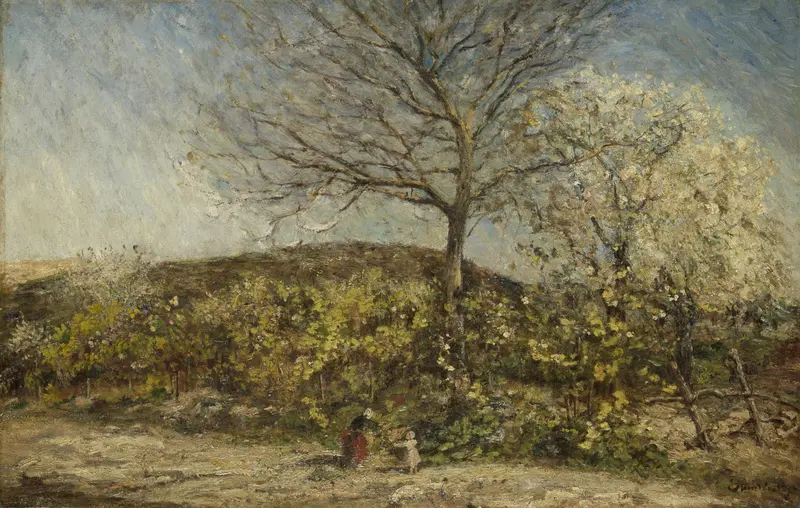
Landschap met bloeiende boomgaard
Adolphe Monticelli
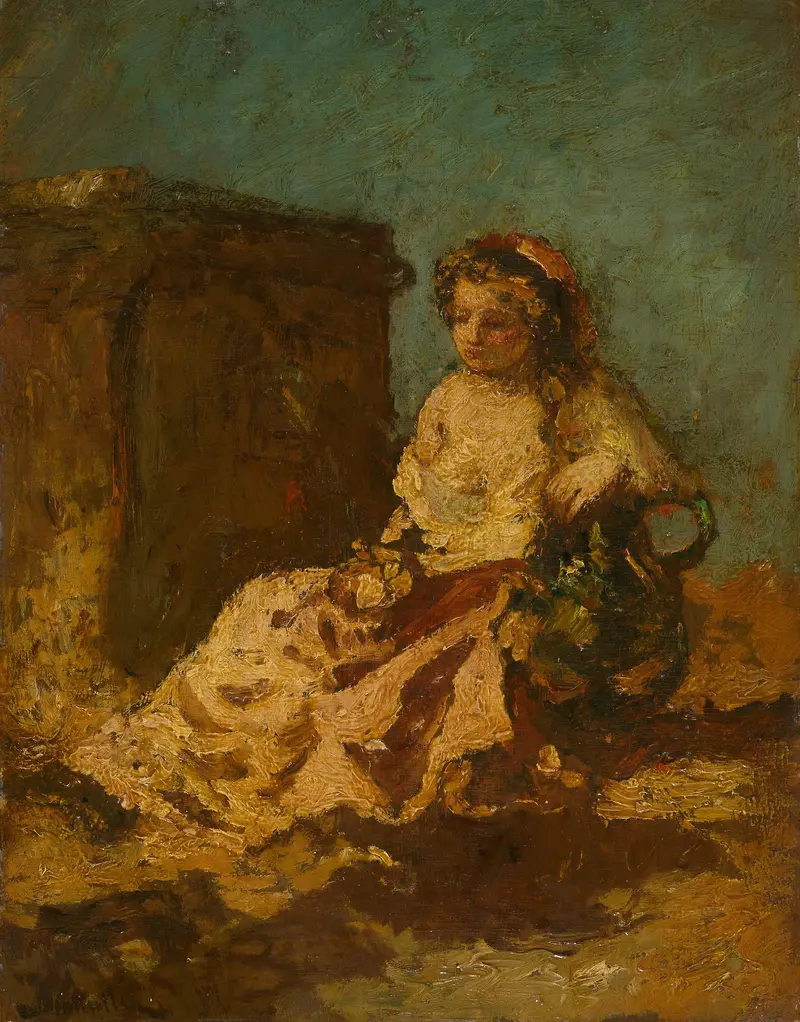
Meditation (Seated Woman)
Adolphe Monticelli
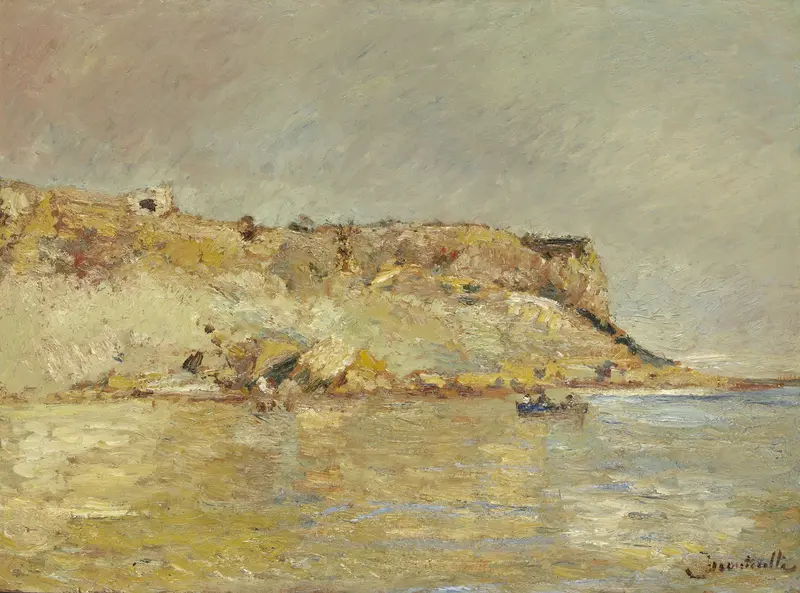
Coastal Mountains
Adolphe Monticelli
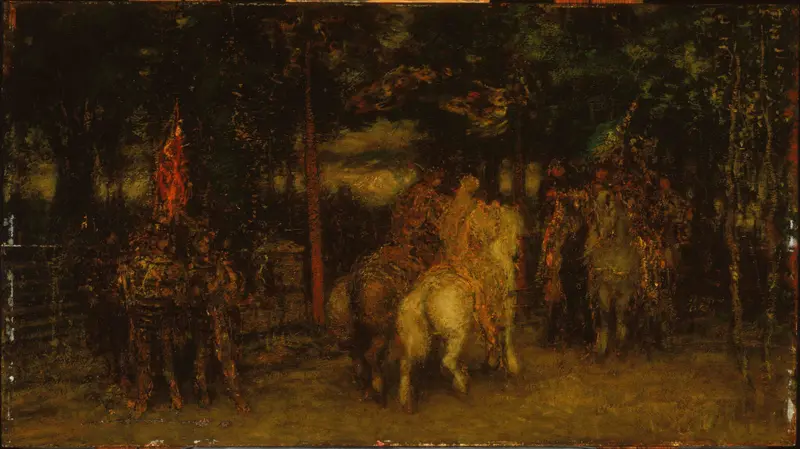
Landscape with Figures
Adolphe Monticelli
More Genre Scene Art

Banquet of the Officers of the St George Civic Guard
Frans Hals

Rembrandt and Saskia in the Scene of the Prodigal Son
Rembrandt van Rijn

Bal du moulin de la Galette
Pierre-Auguste Renoir

Quadrille at the Moulin Rouge
Henri de Toulouse-Lautrec

A Burial at Ornans
Gustave Courbet

When Will You Marry?
Paul Gauguin