
30. Plafond du Tombeau D’amenemhat (n° 82) — History & Facts
Beneath the celestial vault of Plafond du Tombeau D’amenemhat, innocence intertwines with the weight of eternity, inviting the viewer to probe deeper into realms of contemplation and discovery. Look closely at the intricate patterns that dance across the ceiling, as if whispering secrets held within time itself. Notice the delicate interplay of light and shadow, where muted golds and deep blues conjure a transcendent atmosphere, setting an ethereal backdrop for the ethereal forms that emerge. The vibrant hieroglyphics and symbolic motifs guide your gaze, compelling you to trace the outlines of ancient stories entwined in the fabric of the ceiling. Within these ornamental details lies a poignant juxtaposition: the permanence of the immortal and the fleeting nature of innocence.
Each symbol evokes visions of life and death, weaving a narrative that speaks to the duality of existence. The juxtaposition of rigid architectural lines against the fluidity of divine representations ignites an emotional tension, questioning what remains untainted in a world marked by transience. In 1911, Gustave Jéquier was immersed in the exploration of ancient Egyptian art while residing in Paris. This period marked a shift in artistic discourse, as the fascination with archaeology inspired many artists to delve into historical interpretations.
Jéquier's work during this time reflects a profound engagement with the past, channeling his passion for ancient cultures into a masterful blend of artistry and historical reverence.
More Artworks by Gustave Jéquier
Browse all →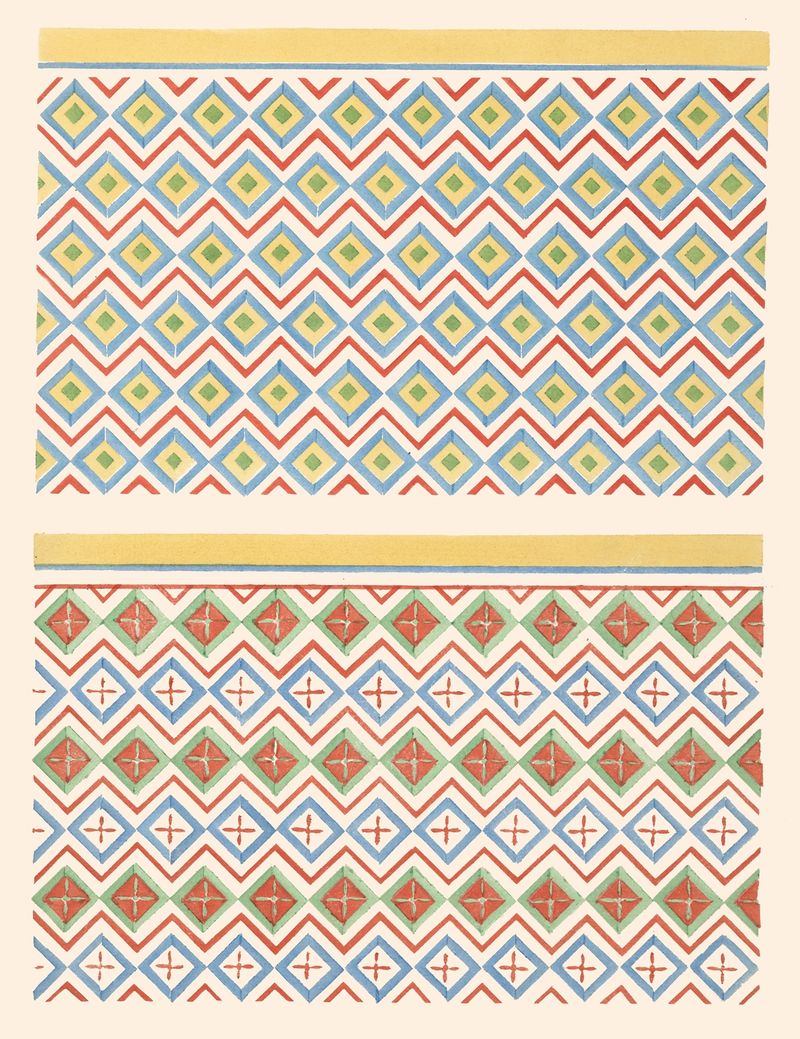
9. Plafond du Tombeau de Hapousenb (n° 67), 10. Plafond du Tombeau D’amounzeh (n° 84)
Gustave Jéquier
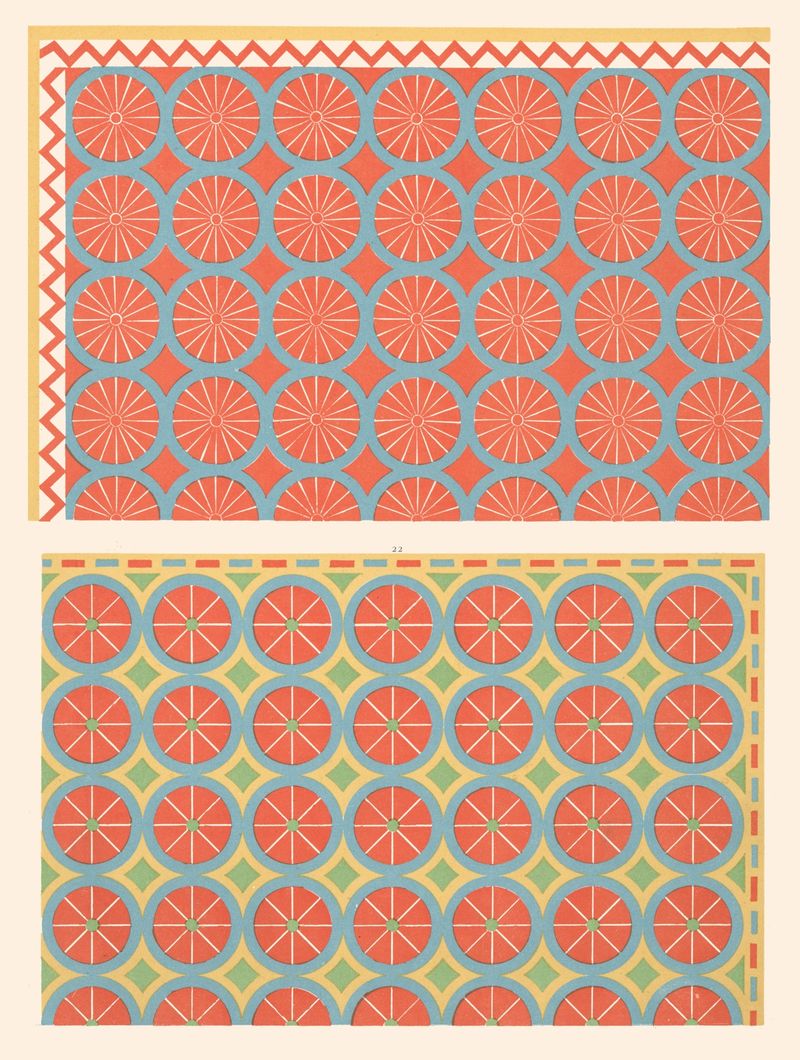
22. Plafond du Tombeau de Hiq-er-Neheh (n°64), 23. Plafond du Tombeau de Tenna (n° 76)
Gustave Jéquier
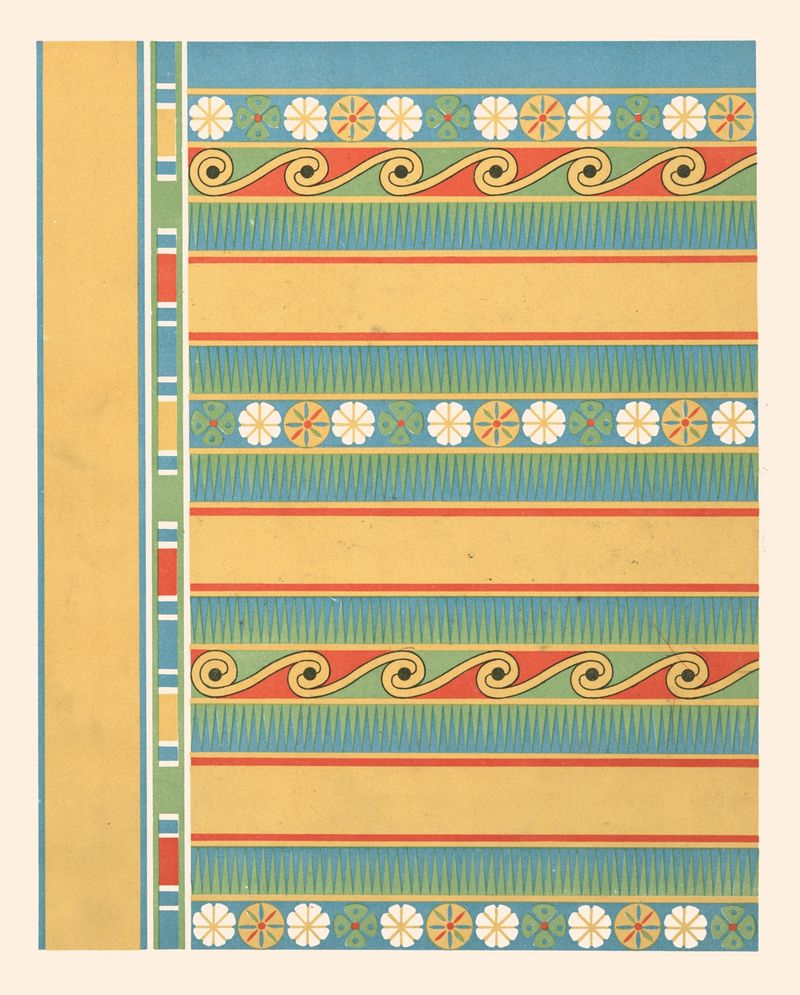
49. Plafond du Tombeau de Nesi-pa-Noferher (n° 68)
Gustave Jéquier
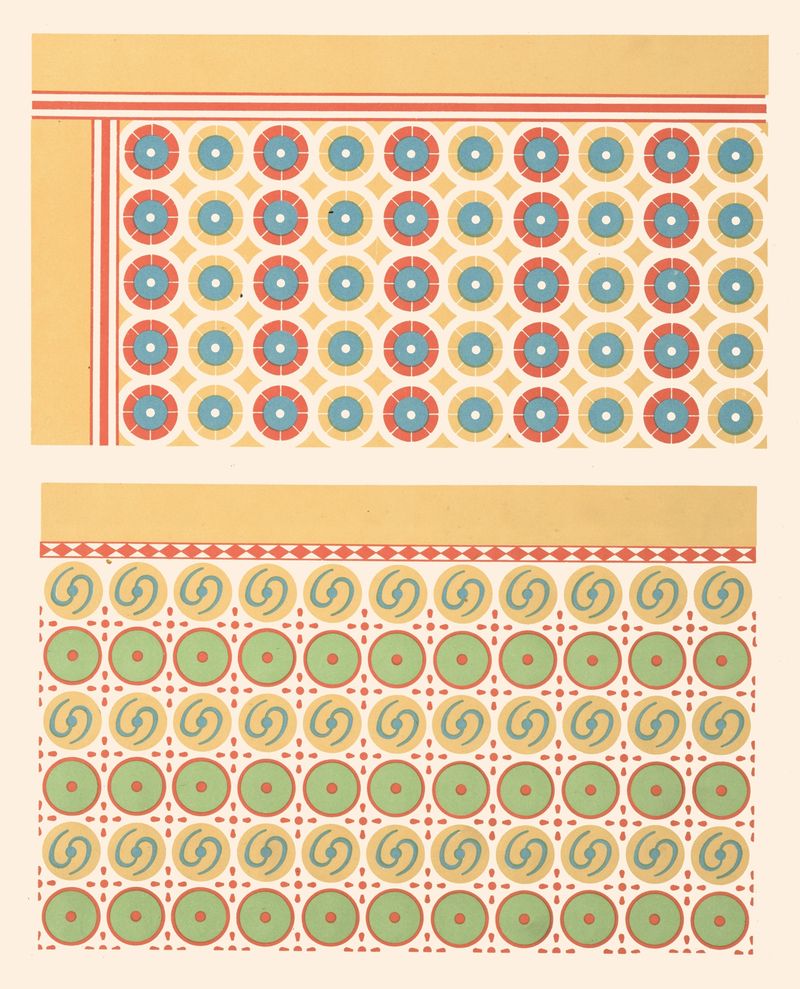
20. Plafond du Tombeau D’amenheb (n° 90), 21. Plafond du Tombeau de Menkheper (n° 79)
Gustave Jéquier
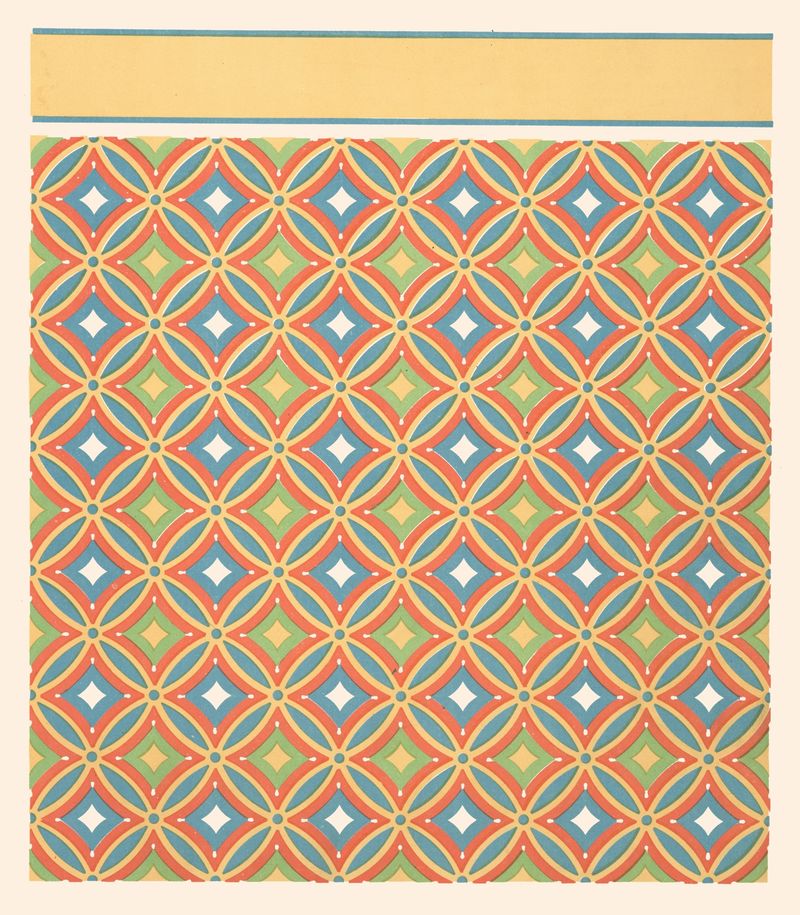
29. Plafond du Tombeau D’amenemhat (n° 82)
Gustave Jéquier
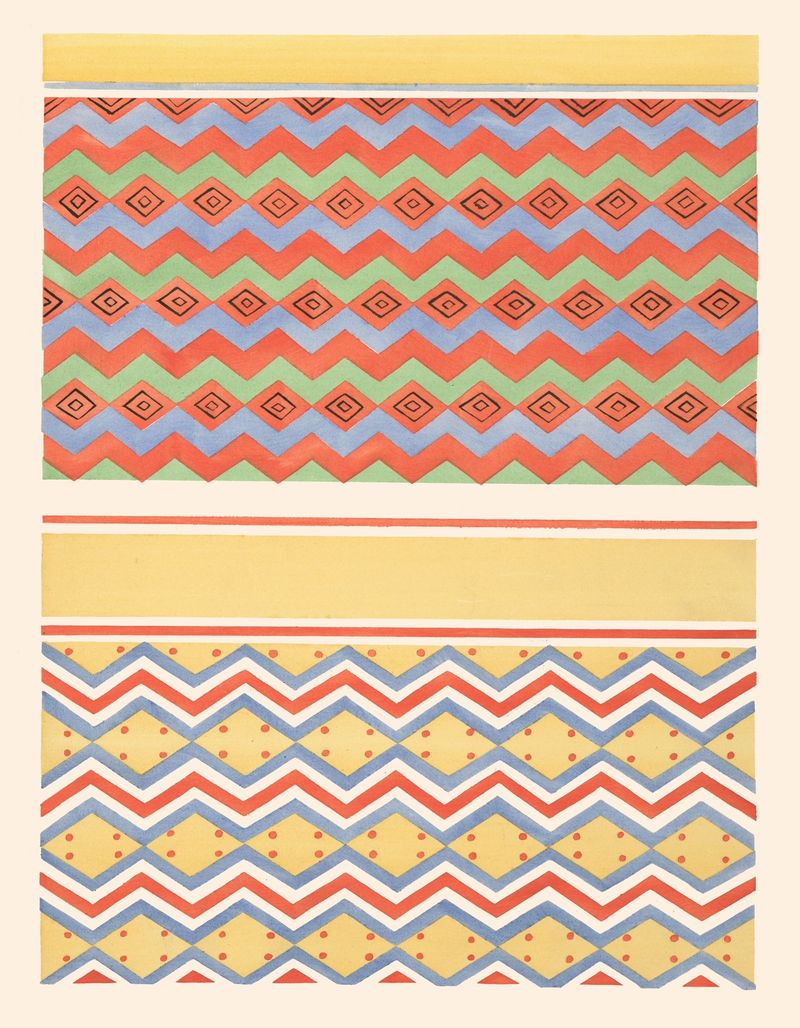
5. Plafond du Tombeau D’amounzeh (° 84), 6. Plafond du Tombeau D’amenemheb
Gustave Jéquier
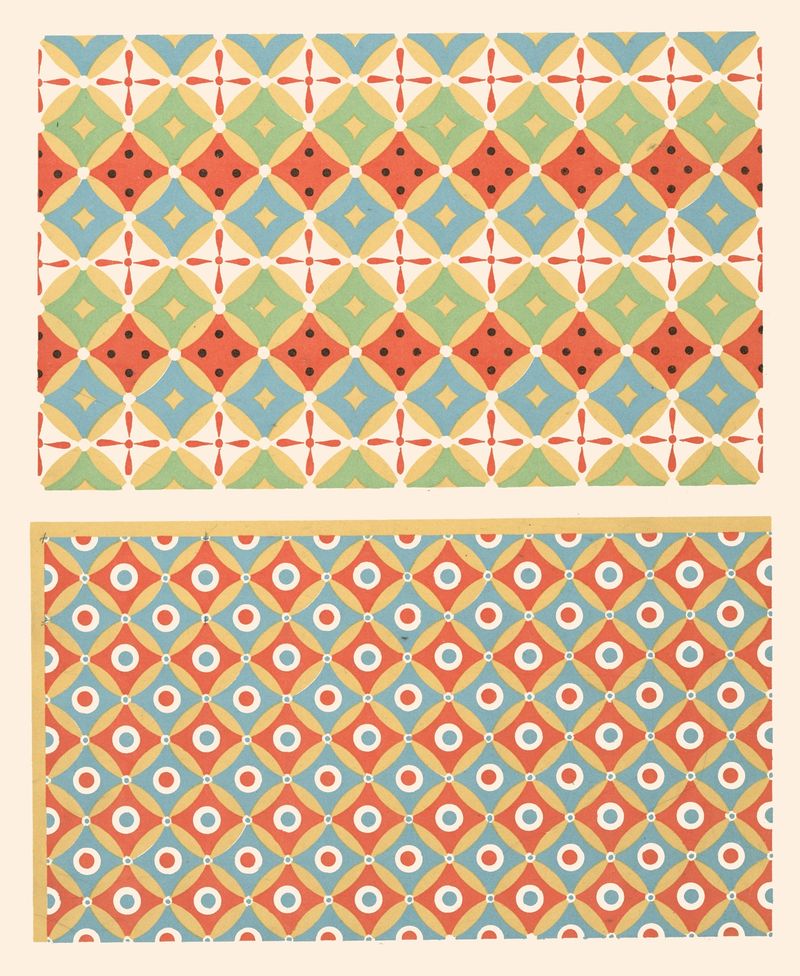
27. Plafond du Tombeau de Nekht-Mîn (n° 87), 28. Plafond du Tombeau n° 91 (Anonyme)
Gustave Jéquier
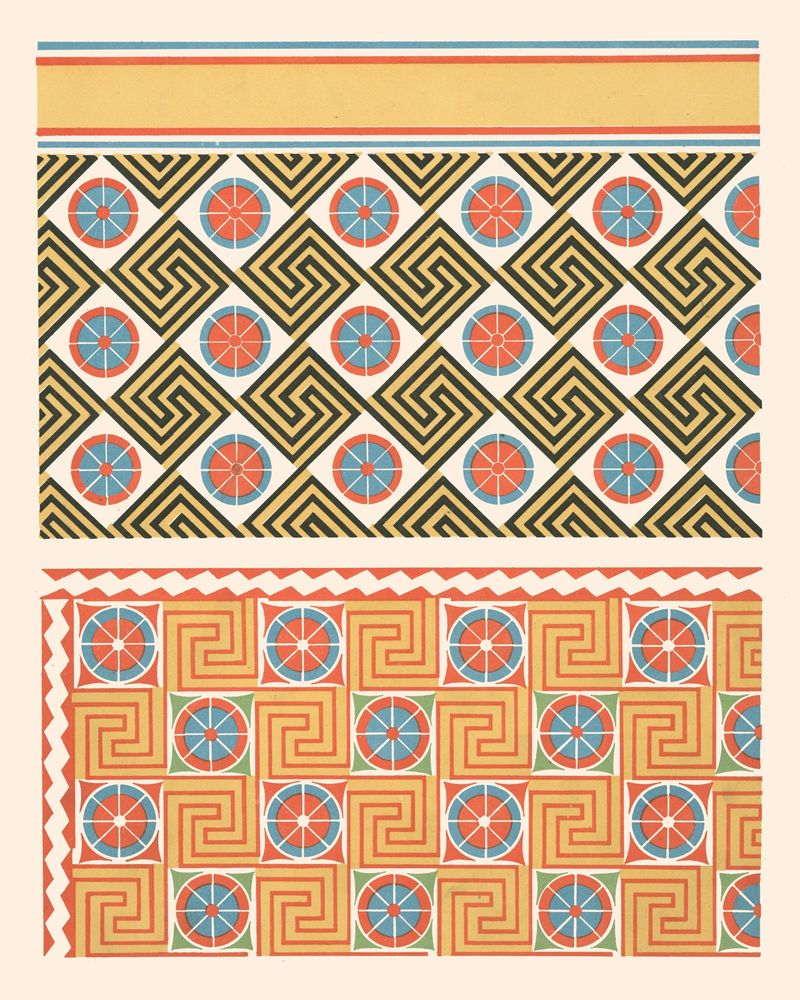
38. Plafond du Tombeau D’anna (n° 81), 39. Plafond du Tombeau de Senmout (n° 71)
Gustave Jéquier
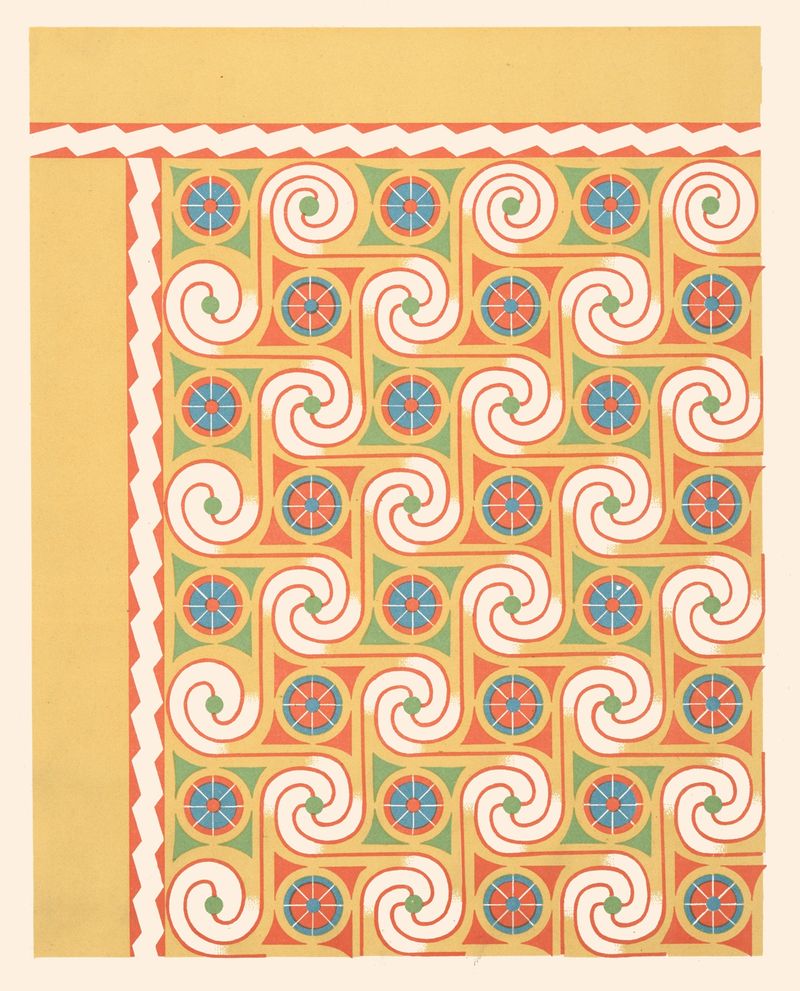
34. Plafond du Tombeau de Senmout (n° 71)
Gustave Jéquier
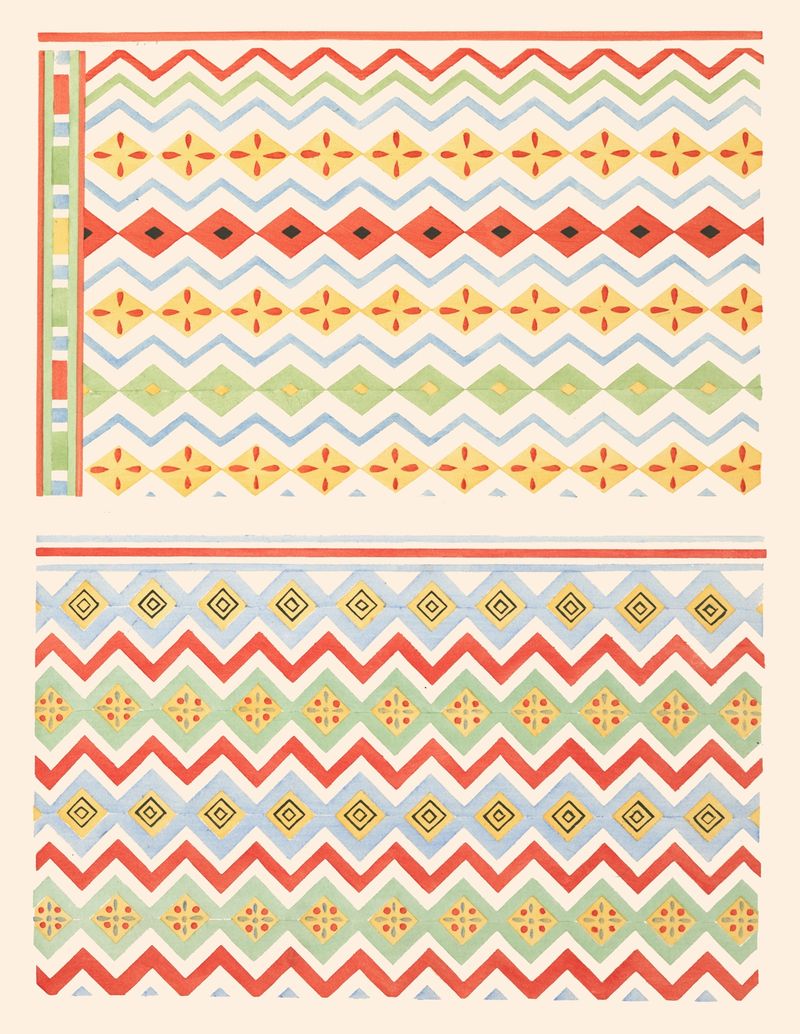
7. Plafond du Tombeau D’amenemant (n° 58), 8. Plafond du Tombeau de Pehsoukehr (n° 88)
Gustave Jéquier
More Religious Art
Browse all →
The Return of the Prodigal Son
Rembrandt van Rijn

The Garden of Earthly Delights
El Bosco

Count Orgaz’ funeral
El Greco

The Hundred Guilder Print: the central piece with Christ preaching, the plate arched
Rembrandt van Rijn

The Descent from the Cross
Rogier van der Weyden

The return of the prodigal son
Rembrandt van Rijn