
37. Plafond du Tombeau De Houï (Gournet-Mourraï) — History & Facts
In a world where beauty often slips through our fingers, the act of capturing it becomes a sacred duty. Begin by focusing on the delicate interplay of colors that create a tapestry of ethereal beauty. Notice how soft pastels blend seamlessly into one another, drawing the eye to the center where intricate patterns emerge. The careful use of light and shadow invites you to explore the depths of the composition, while the sweeping curves and elegant forms guide your gaze effortlessly across the surface. As you delve deeper, consider the symbolism woven into the design.
Each motif hints at a story steeped in memory and history, evoking a sense of nostalgia for moments that may never have existed. The juxtaposition of harmony and chaos within the composition reflects the duality of beauty itself—fragile yet enduring, serene yet profound. Look closely at the tiny details, for they hold the key to understanding the emotional weight of the piece. Created in 1911, this work emerged during a time of significant artistic exploration in Europe.
Gustave Jéquier painted it as part of a broader movement that sought to intertwine beauty with personal expression. At this point in his life, he was deeply influenced by Symbolism, which led him to create works that resonated with both aesthetic pleasure and complex emotional landscapes, reflecting the changing tides of the art world.
More Artworks by Gustave Jéquier
Browse all →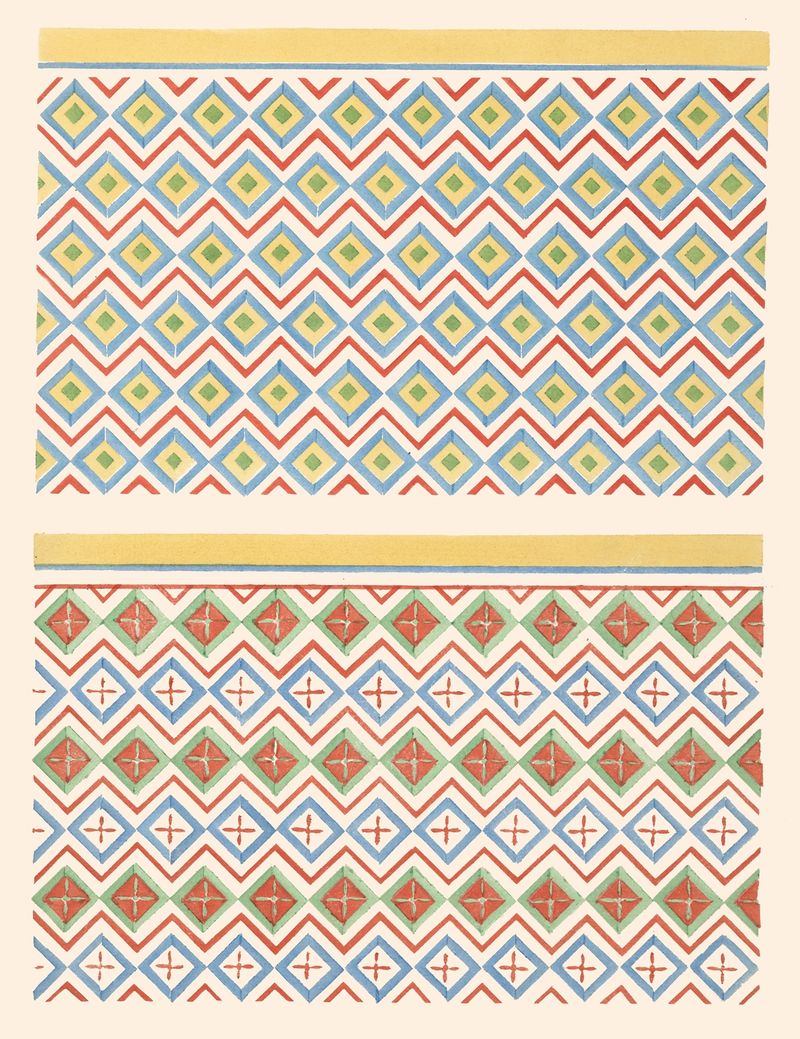
9. Plafond du Tombeau de Hapousenb (n° 67), 10. Plafond du Tombeau D’amounzeh (n° 84)
Gustave Jéquier
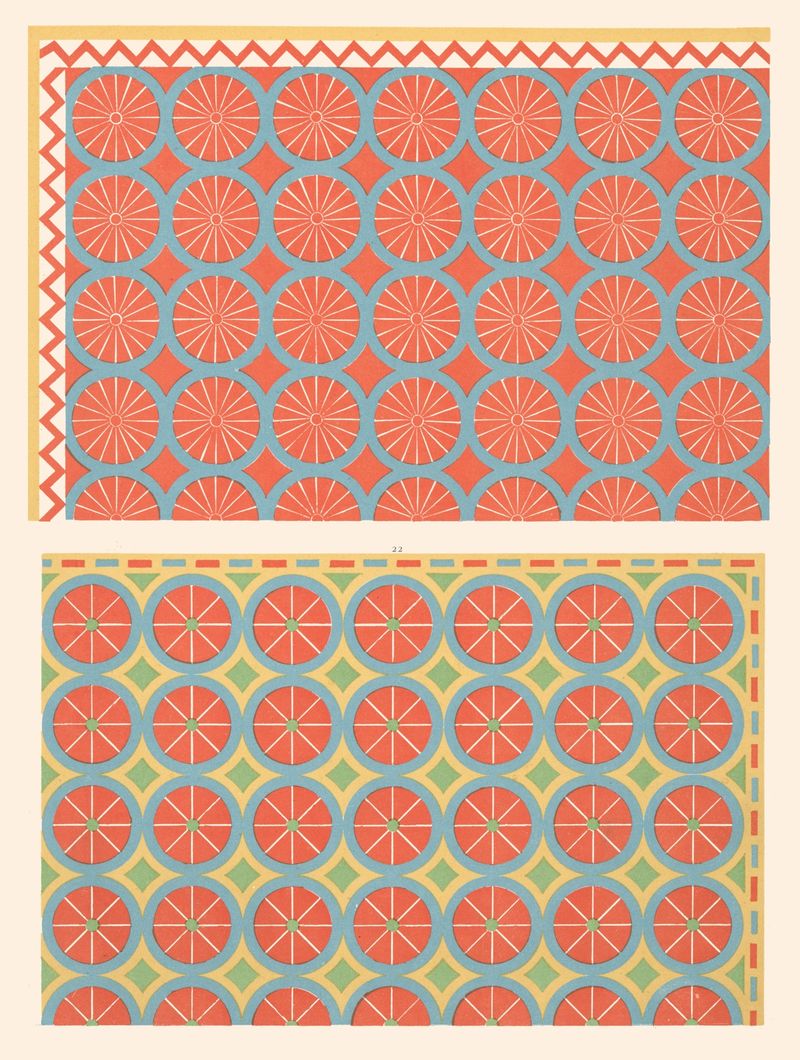
22. Plafond du Tombeau de Hiq-er-Neheh (n°64), 23. Plafond du Tombeau de Tenna (n° 76)
Gustave Jéquier
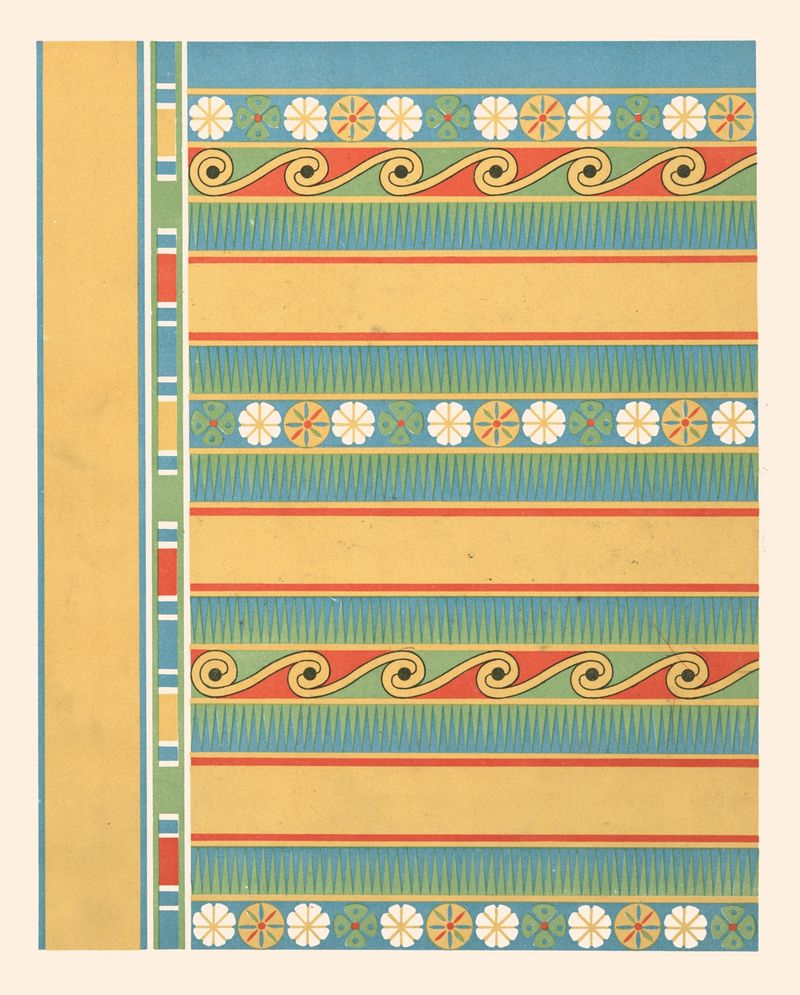
49. Plafond du Tombeau de Nesi-pa-Noferher (n° 68)
Gustave Jéquier
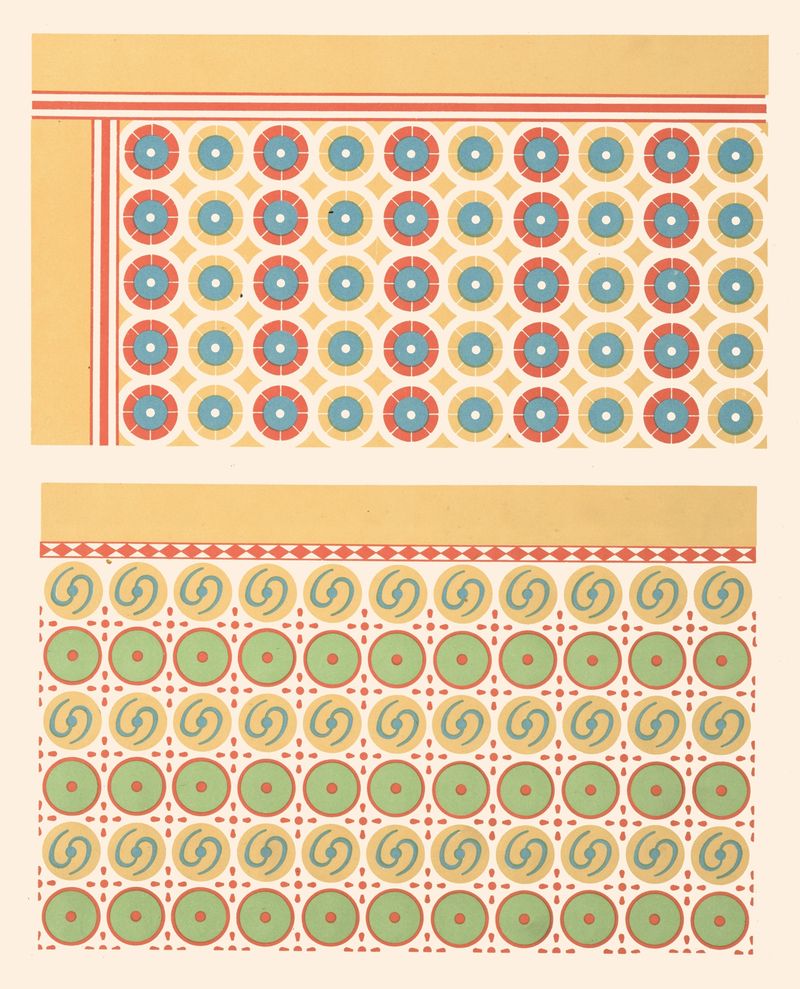
20. Plafond du Tombeau D’amenheb (n° 90), 21. Plafond du Tombeau de Menkheper (n° 79)
Gustave Jéquier
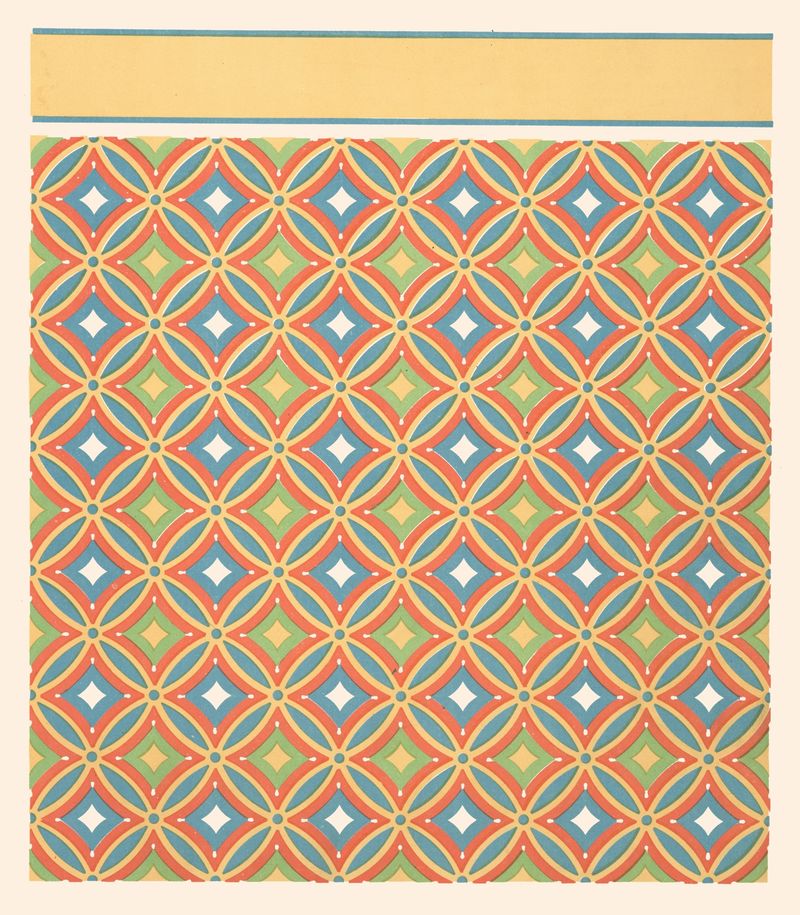
29. Plafond du Tombeau D’amenemhat (n° 82)
Gustave Jéquier
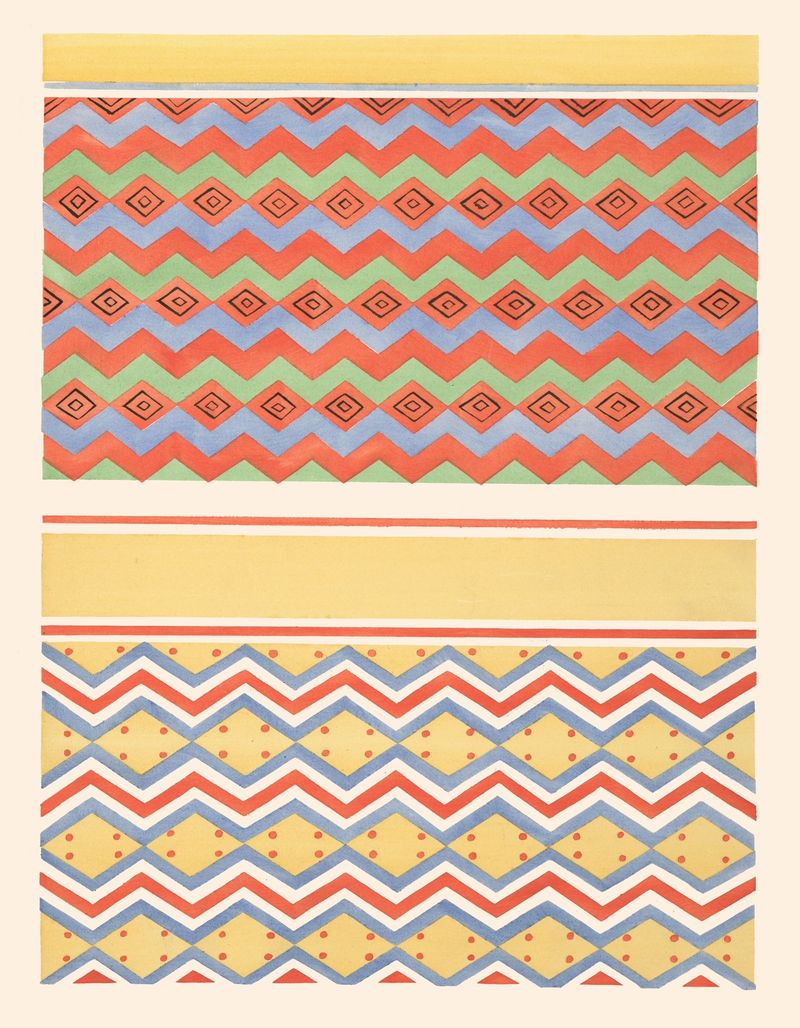
5. Plafond du Tombeau D’amounzeh (° 84), 6. Plafond du Tombeau D’amenemheb
Gustave Jéquier
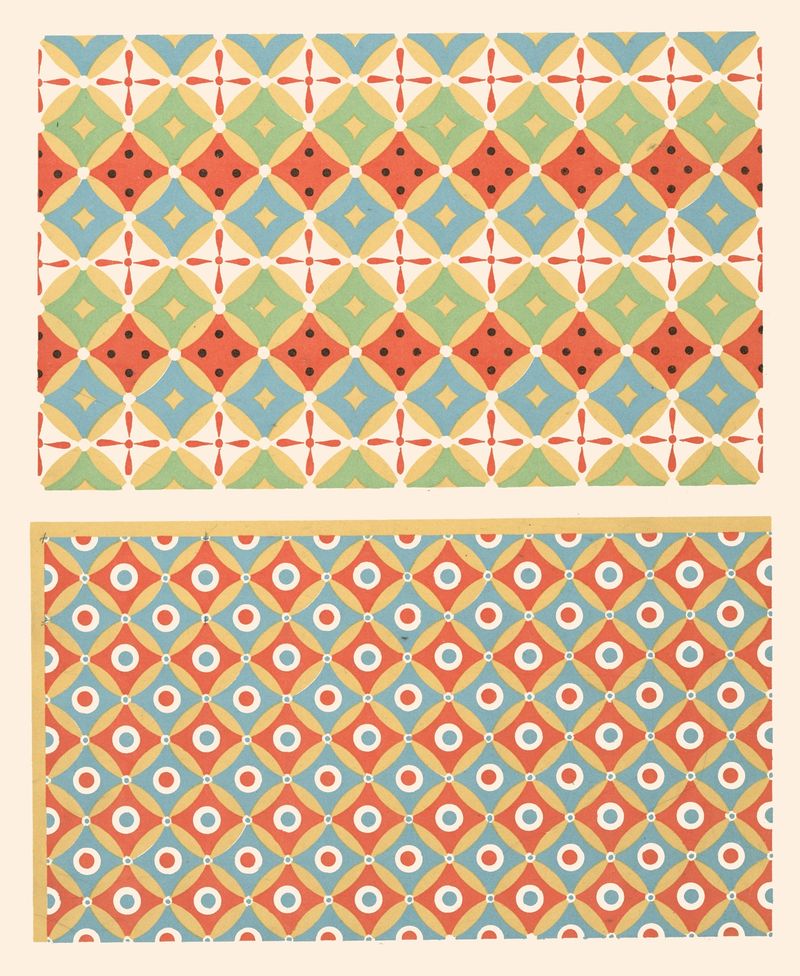
27. Plafond du Tombeau de Nekht-Mîn (n° 87), 28. Plafond du Tombeau n° 91 (Anonyme)
Gustave Jéquier
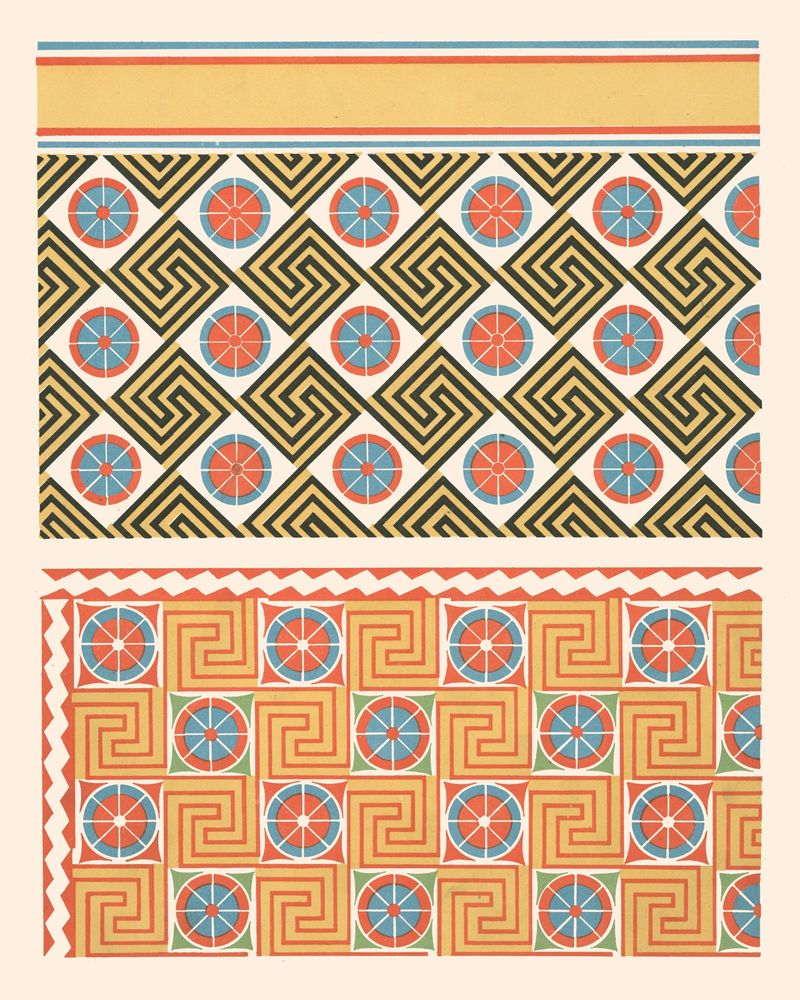
38. Plafond du Tombeau D’anna (n° 81), 39. Plafond du Tombeau de Senmout (n° 71)
Gustave Jéquier
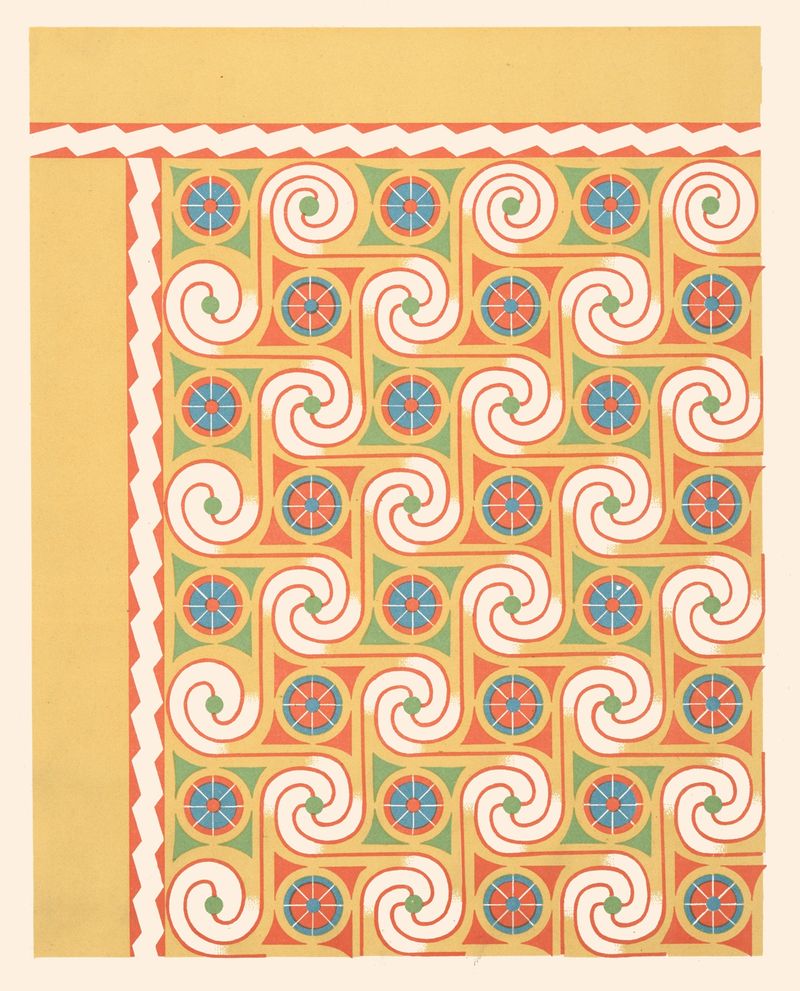
34. Plafond du Tombeau de Senmout (n° 71)
Gustave Jéquier
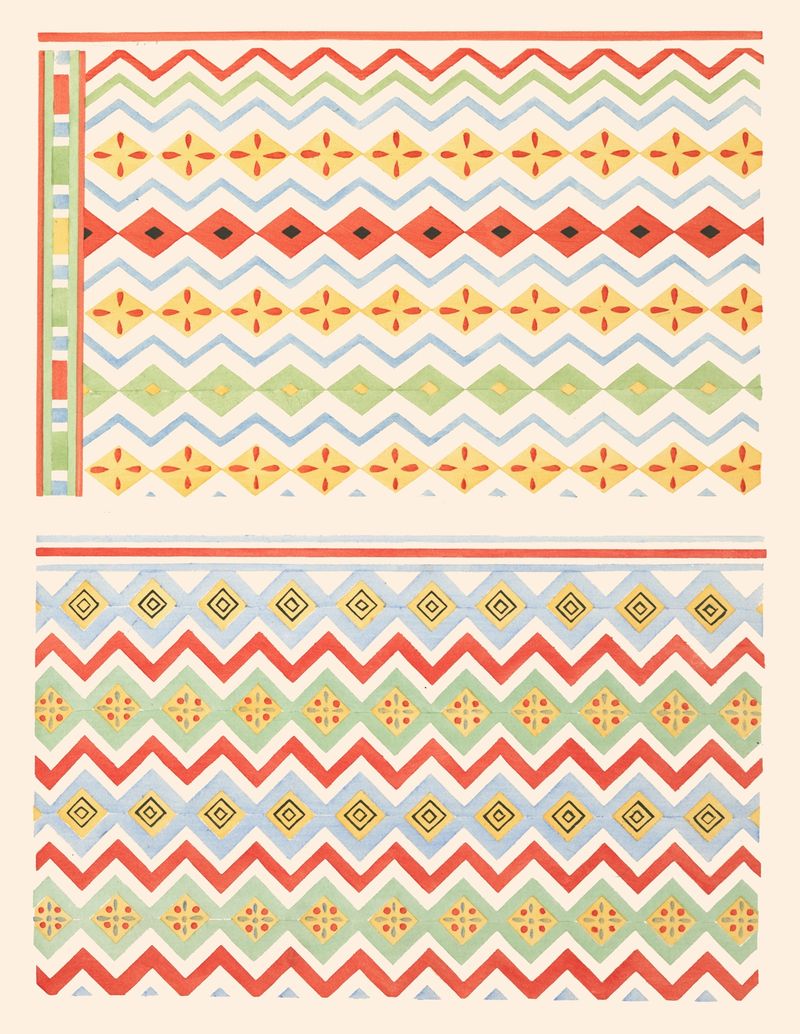
7. Plafond du Tombeau D’amenemant (n° 58), 8. Plafond du Tombeau de Pehsoukehr (n° 88)
Gustave Jéquier
More Religious Art
Browse all →
The Return of the Prodigal Son
Rembrandt van Rijn

The Garden of Earthly Delights
El Bosco

Count Orgaz’ funeral
El Greco

The Hundred Guilder Print: the central piece with Christ preaching, the plate arched
Rembrandt van Rijn

The Descent from the Cross
Rogier van der Weyden

The return of the prodigal son
Rembrandt van Rijn