
40. Plafond du Tombeau de Hapousenb (n° 67) — History & Facts
In Plafond du Tombeau de Hapousenb (n° 67), vivid dreams of the past converge within layers of history, inviting the viewer to journey through an ancient reverie. Look to the upper section of the canvas, where intricate hieroglyphs intertwine with vibrant symbols, each one a whisper from a long-lost civilization. The warm tones of ochre and deep blue create a striking contrast, drawing our gaze toward the ornate details that seem to pulse with life. The composition is balanced yet dynamic, as if the very act of viewing invokes a connection between past and present, capturing the essence of memory itself. Delve deeper into the artwork, and you’ll discover the emotional tension woven into this homage.
The meticulous precision of the hieroglyphs contrasts with the fluidity of the surrounding elements, suggesting a dialogue between permanence and transience. Each figure represents not just a person, but a story—a reminder of the lives that once thrived, now captured in stillness. The dreamlike quality of the piece invites reflection on the fragility of existence and the power of remembrance. In 1911, when Jéquier crafted this work, he was immersed in an era of artistic exploration, responding to the complexities of modernity and the fascination with antiquity.
Living in Paris, he was inspired by the dialogue between the ancient and the contemporary, a theme that resonated deeply within the broader movements of art at the time. The painting emerges as a testament to his quest for connection across time, a poignant reminder of humanity's enduring legacy.
More Artworks by Gustave Jéquier
Browse all →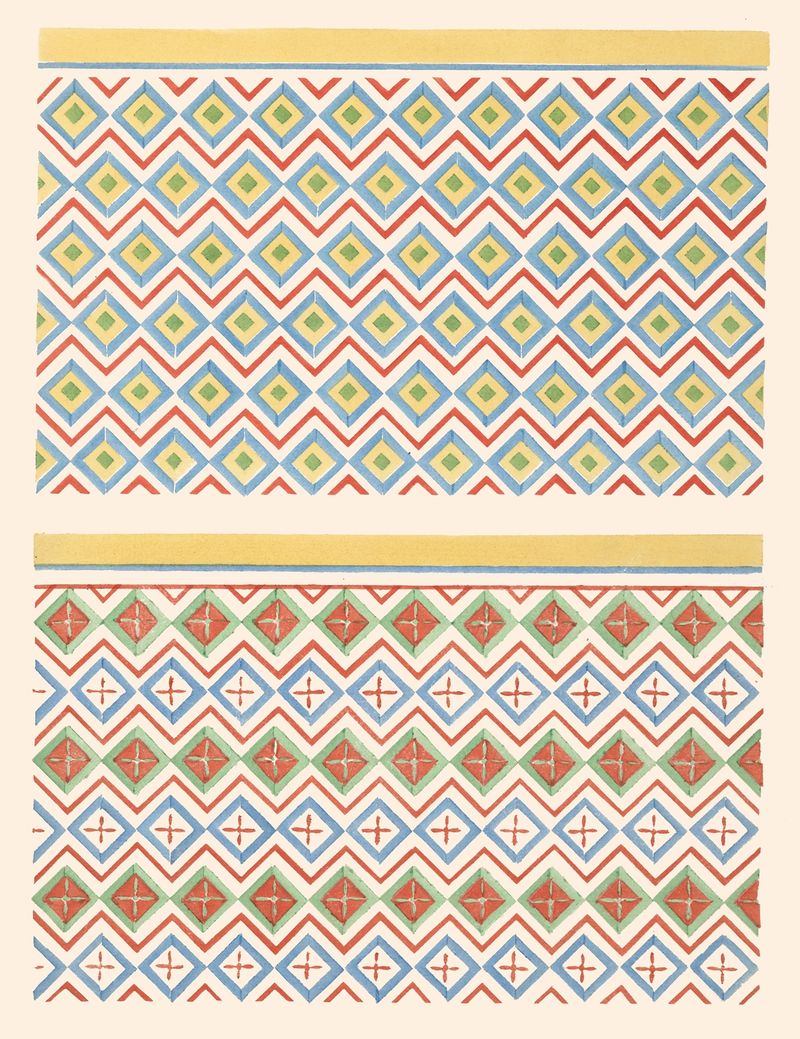
9. Plafond du Tombeau de Hapousenb (n° 67), 10. Plafond du Tombeau D’amounzeh (n° 84)
Gustave Jéquier
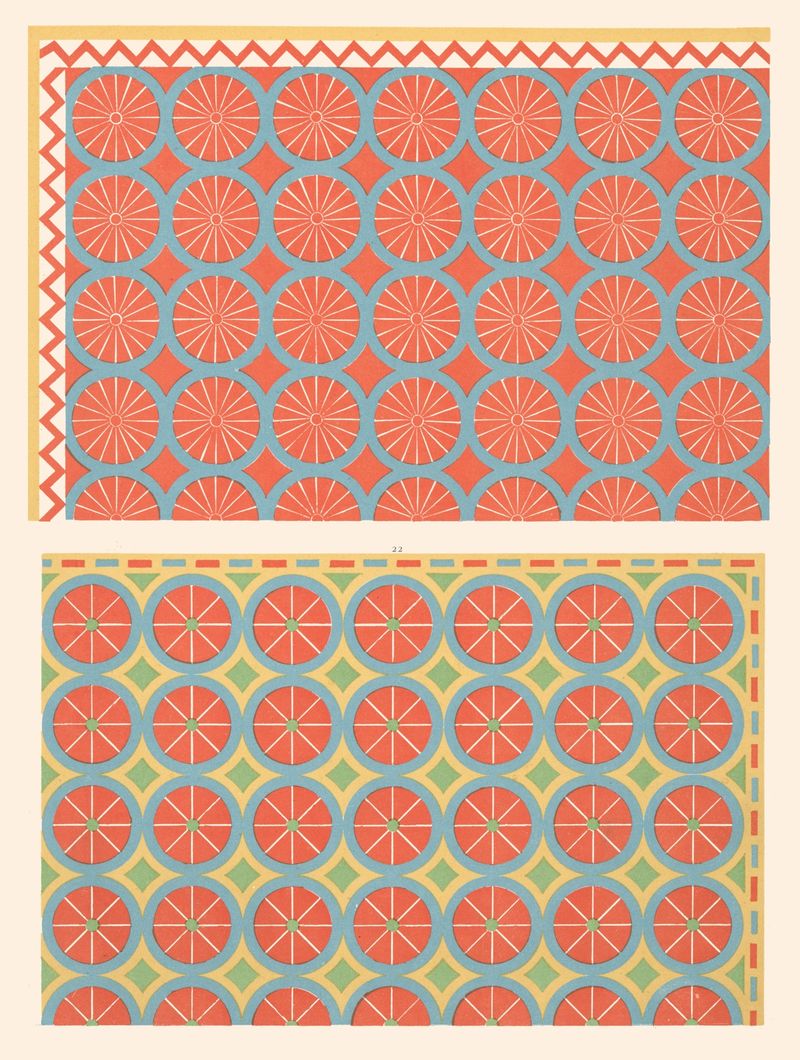
22. Plafond du Tombeau de Hiq-er-Neheh (n°64), 23. Plafond du Tombeau de Tenna (n° 76)
Gustave Jéquier
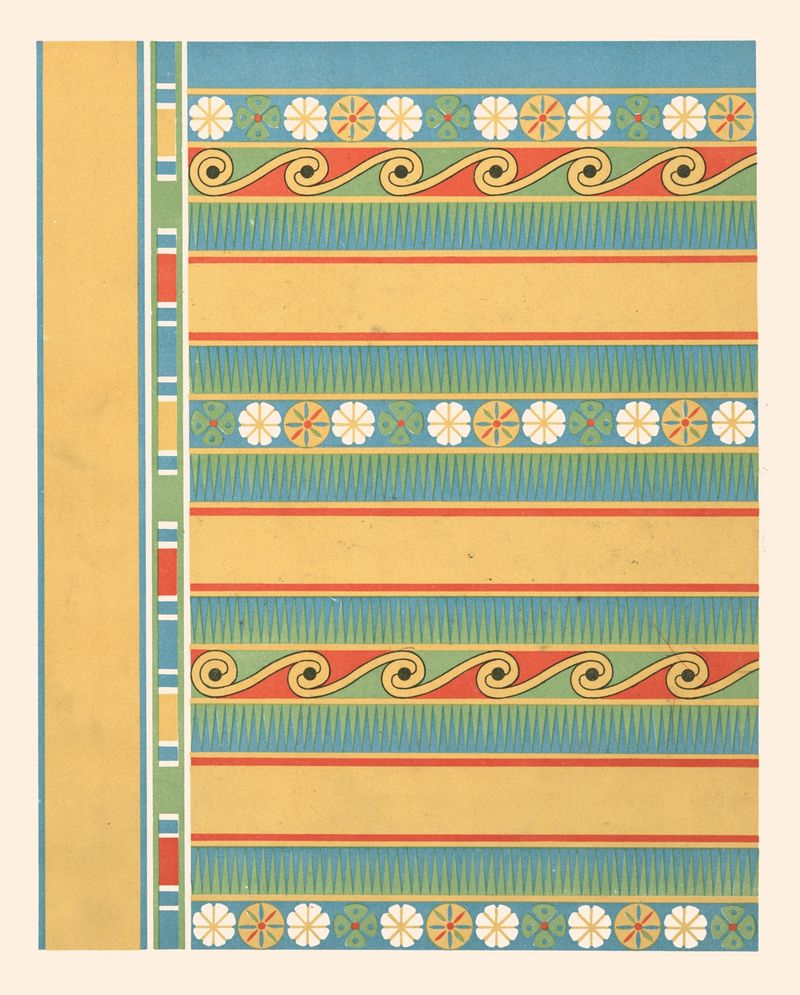
49. Plafond du Tombeau de Nesi-pa-Noferher (n° 68)
Gustave Jéquier
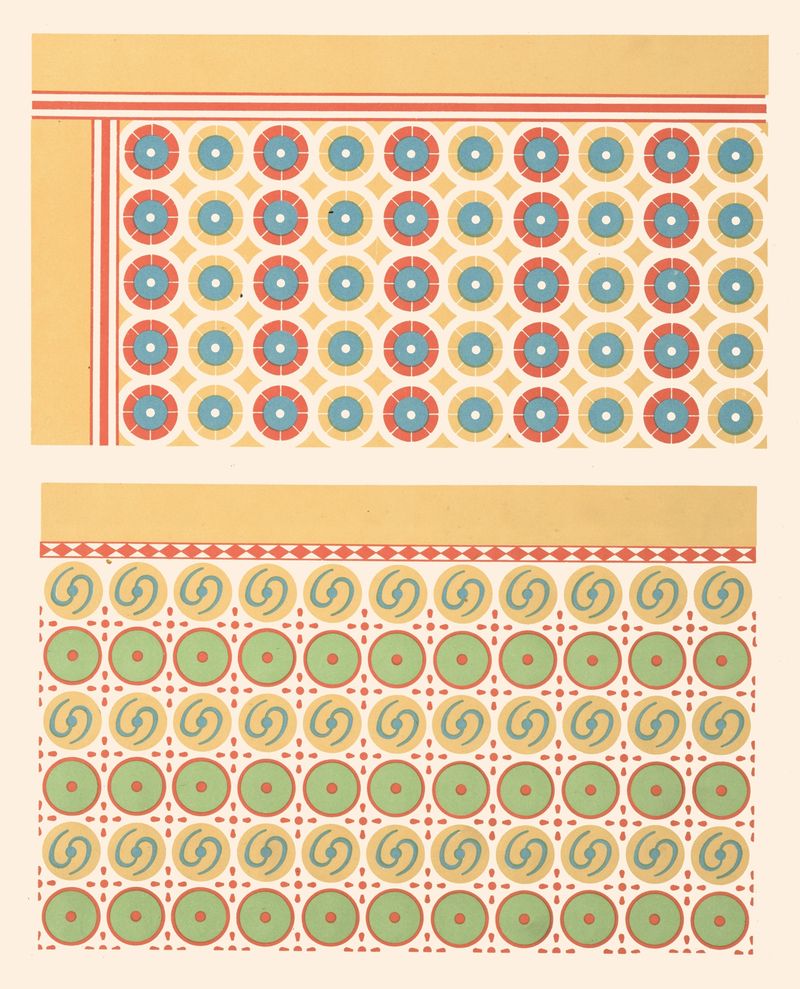
20. Plafond du Tombeau D’amenheb (n° 90), 21. Plafond du Tombeau de Menkheper (n° 79)
Gustave Jéquier
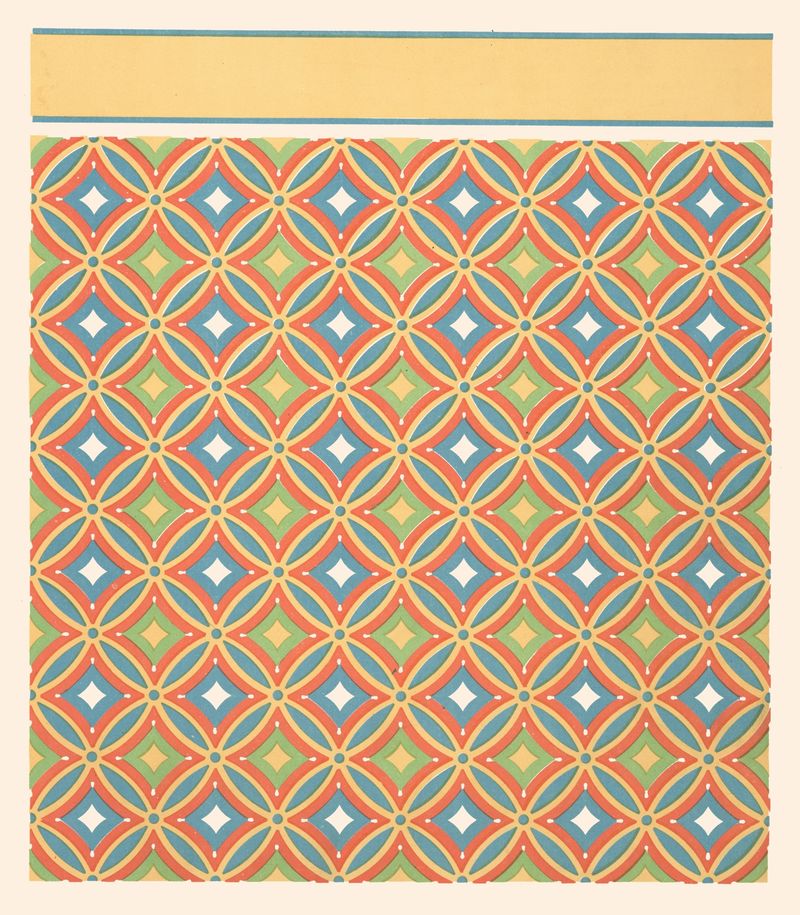
29. Plafond du Tombeau D’amenemhat (n° 82)
Gustave Jéquier
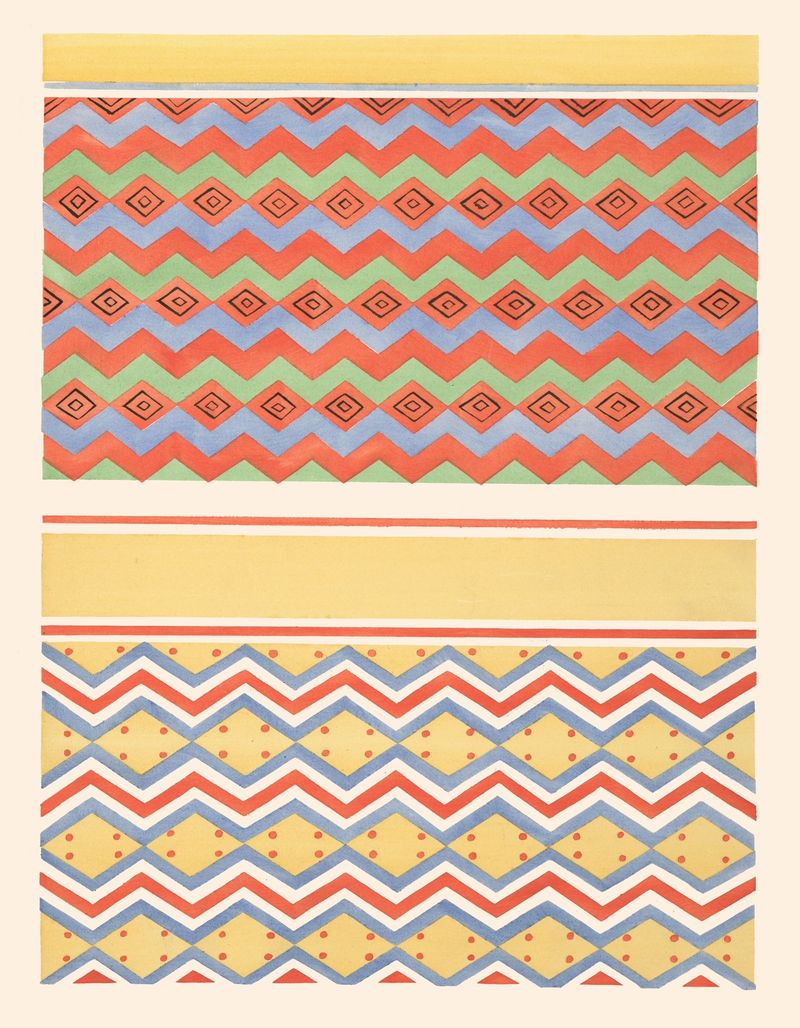
5. Plafond du Tombeau D’amounzeh (° 84), 6. Plafond du Tombeau D’amenemheb
Gustave Jéquier
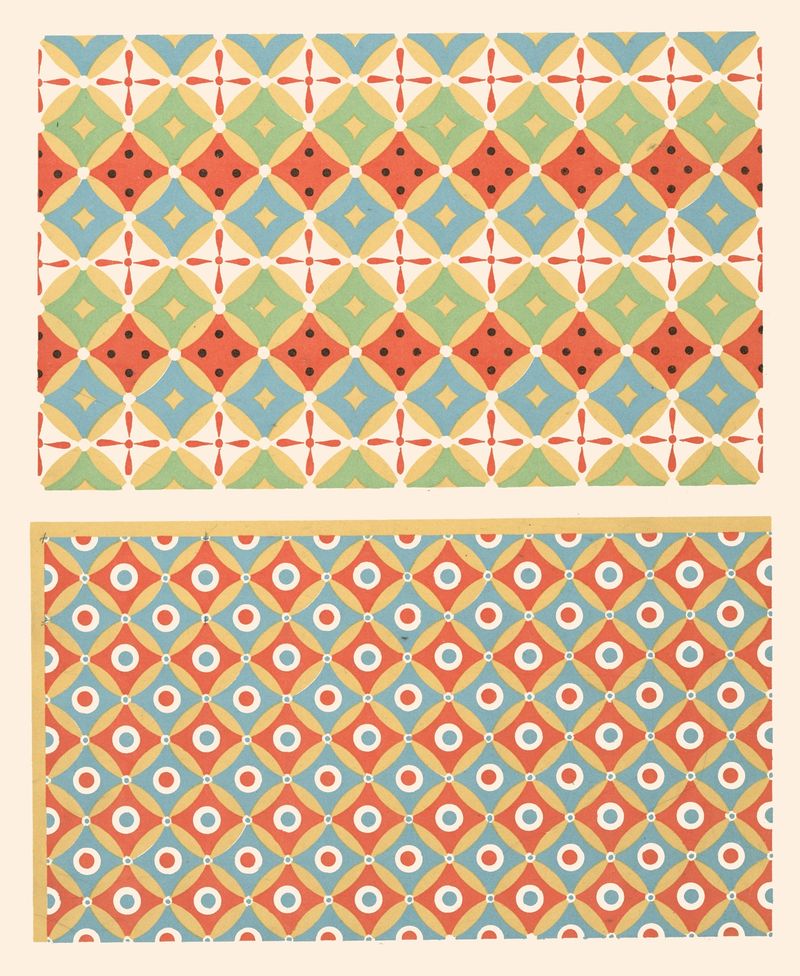
27. Plafond du Tombeau de Nekht-Mîn (n° 87), 28. Plafond du Tombeau n° 91 (Anonyme)
Gustave Jéquier
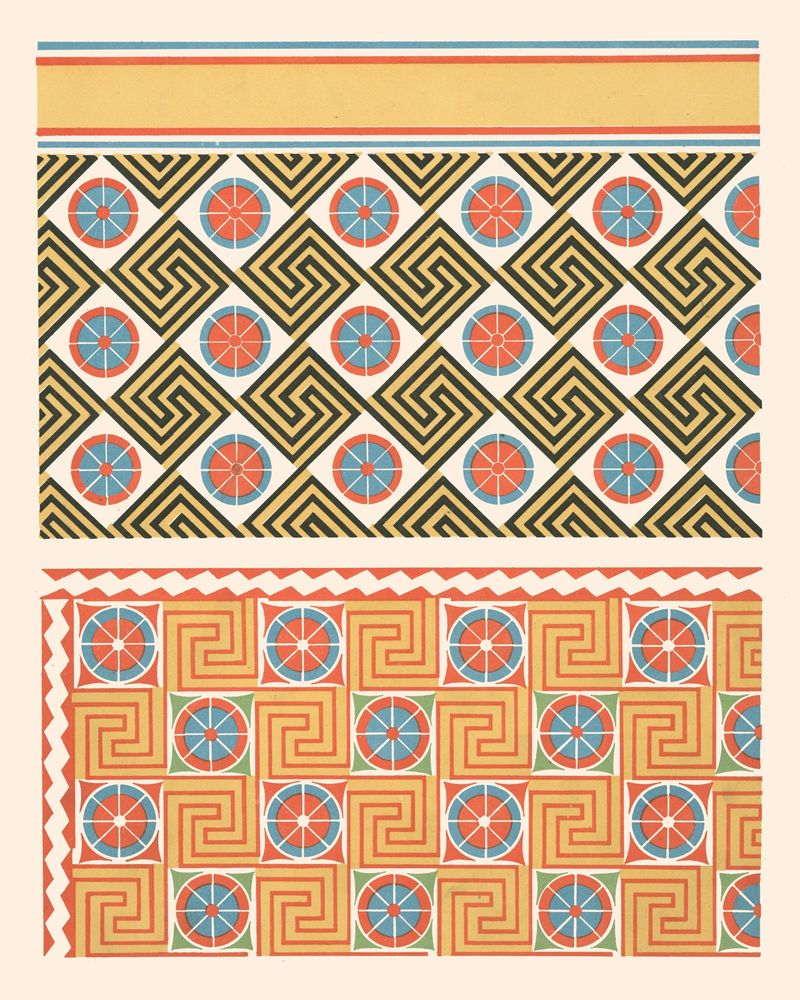
38. Plafond du Tombeau D’anna (n° 81), 39. Plafond du Tombeau de Senmout (n° 71)
Gustave Jéquier
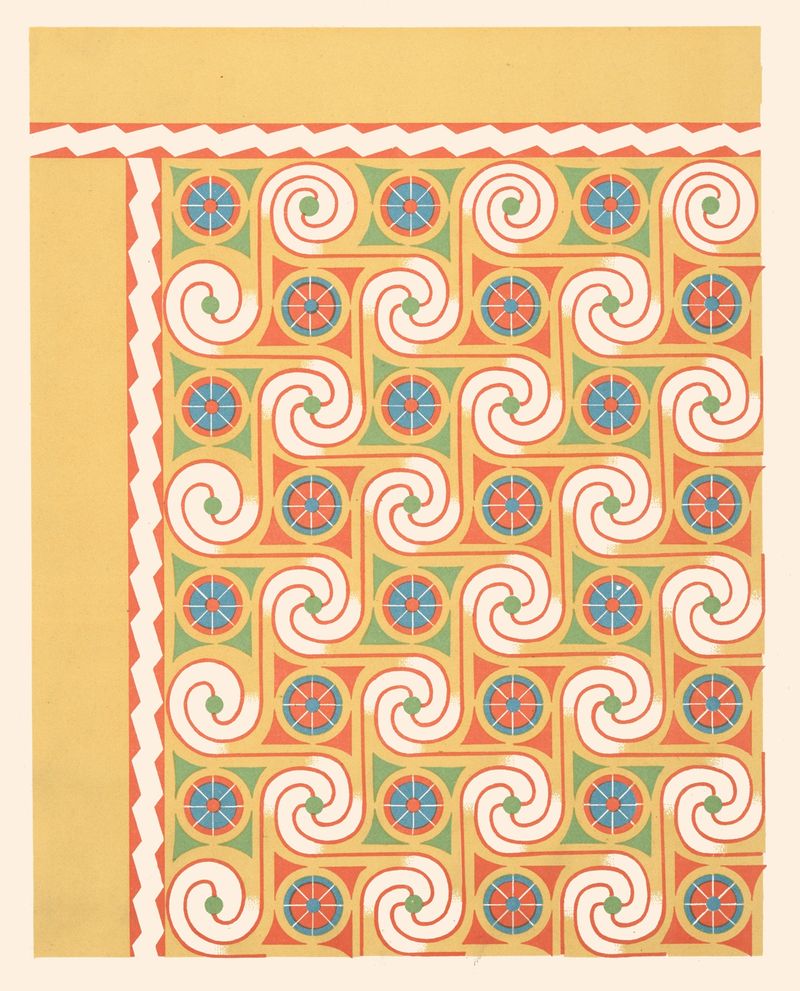
34. Plafond du Tombeau de Senmout (n° 71)
Gustave Jéquier
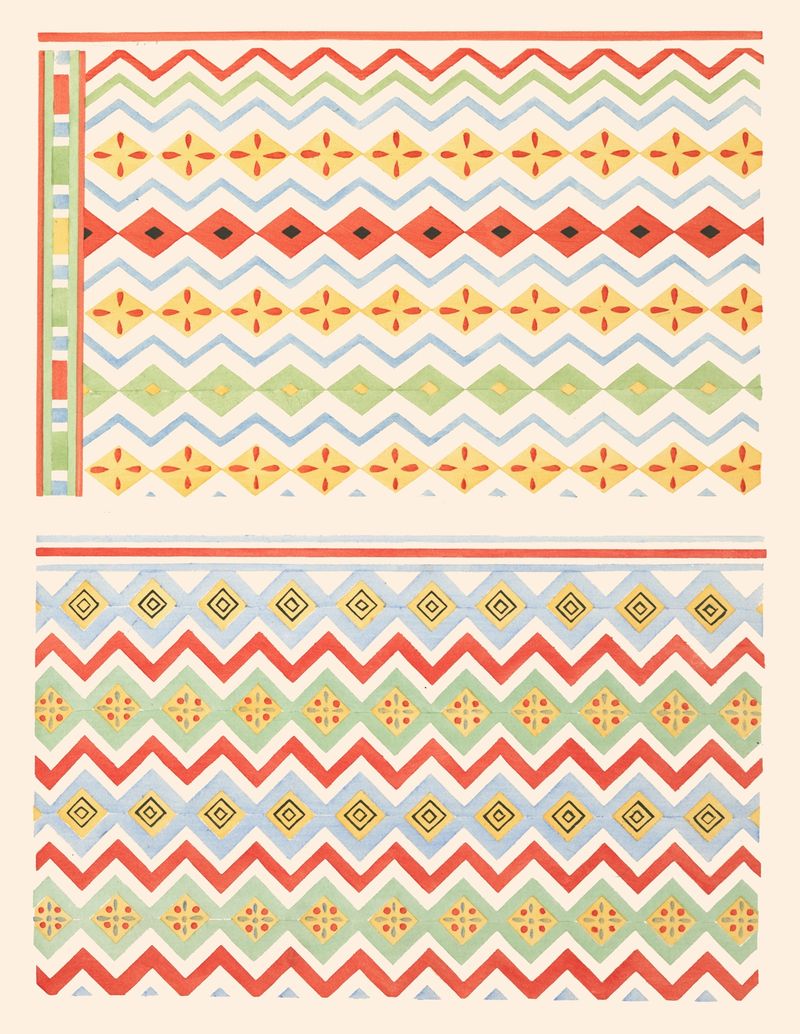
7. Plafond du Tombeau D’amenemant (n° 58), 8. Plafond du Tombeau de Pehsoukehr (n° 88)
Gustave Jéquier
More Historical Art
Browse all →
The Night Watch Militia Company of District II under the Command of Captain Frans Banninck Cocq
Rembrandt van Rijn

Lincoln Memorial
Henry Bacon

The Third of May 1808
Francisco de Goya

Isaac and Rebecca, Known as ‘The Jewish Bride’
Rembrandt van Rijn

The Charge of the Mamelukes (1814)
Francisco de Goya

De vier ruiters van de apocalyps
Albrecht Dürer