
46. Plafond du Tombeau de Nesi-pa-Noferher (n° 68) — History & Facts
Can paint confess what words never could? In 46. Plafond du Tombeau de Nesi-pa-Noferher (n° 68), Gustave Jéquier captures a realm of longing that transcends verbal expression, evoking a deep emotional resonance through color and form. Look closely at the celestial blues and rich golds that envelop the scene. The intricate motifs of Egyptian iconography draw the eye toward the meticulously painted figures, their postures hinting at stories etched in time.
Notice how the light plays upon the surface, illuminating delicate hieroglyphics that suggest messages from a forgotten world. Each stroke composes a tapestry that invites viewers to linger, as if they might uncover whispered secrets hidden within. Beneath the surface, a tension unfolds between the grandeur of the design and the intimacy of personal yearning. The figures, both majestic and sorrowful, convey a sense of nostalgia for a past that remains out of reach.
The lush colors evoke both opulence and decay, symbolizing the fleeting nature of existence. This duality speaks to the universal experience of longing, where beauty is tempered by the weight of time. In 1911, Jéquier painted this work during a period of significant exploration into ancient cultures, drawing inspiration from archaeological findings in Egypt. His meticulous attention to detail reflects the growing fascination with antiquity, as the world of art was increasingly embracing diverse historical narratives.
This piece stands as a testament to Jéquier's dedication to capturing the essence of an era long past, merging artistry with the echoes of human experience.
More Artworks by Gustave Jéquier
Browse all →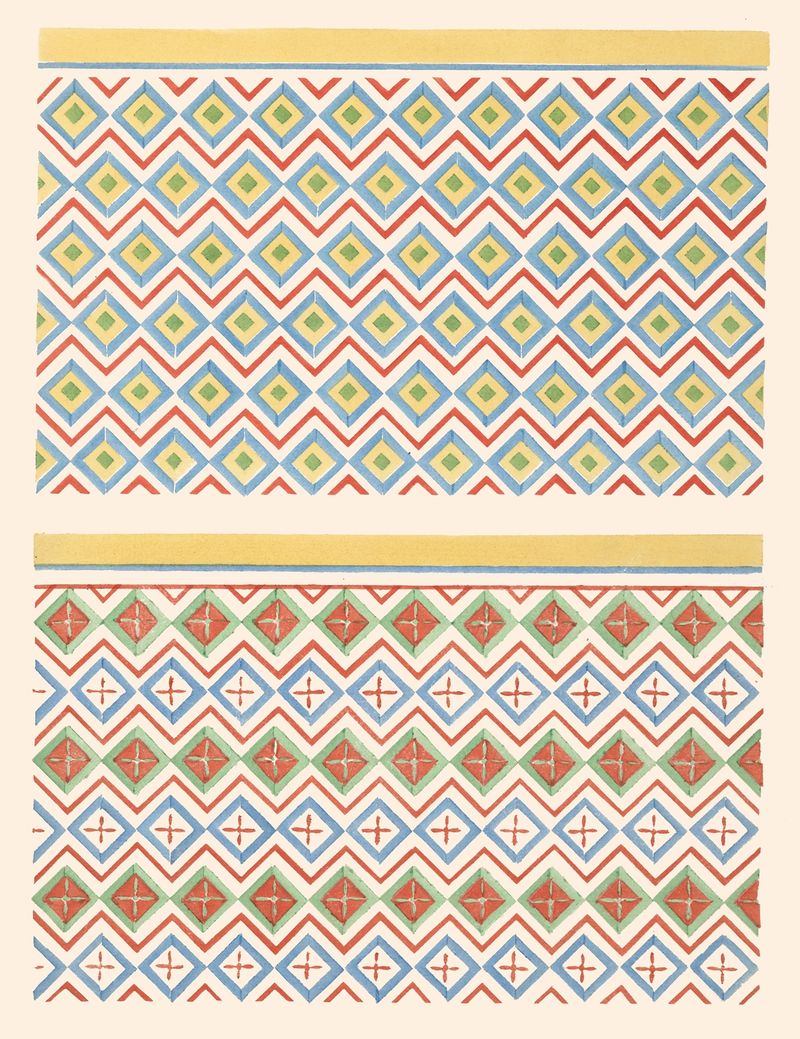
9. Plafond du Tombeau de Hapousenb (n° 67), 10. Plafond du Tombeau D’amounzeh (n° 84)
Gustave Jéquier
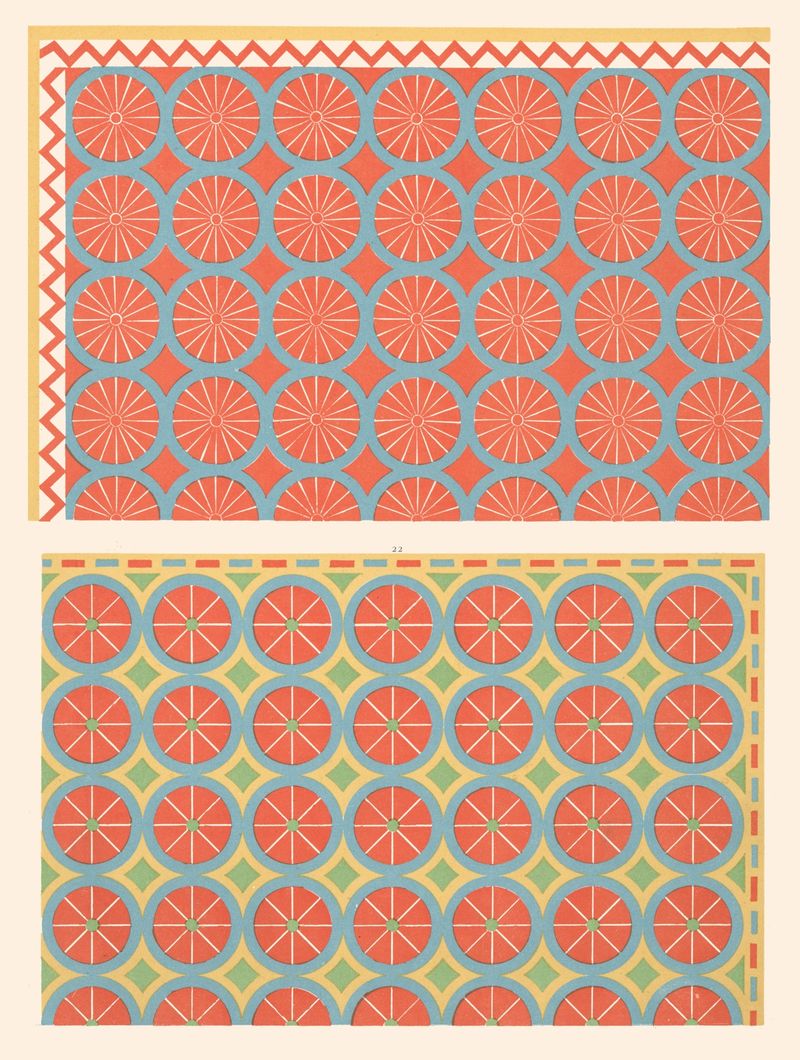
22. Plafond du Tombeau de Hiq-er-Neheh (n°64), 23. Plafond du Tombeau de Tenna (n° 76)
Gustave Jéquier
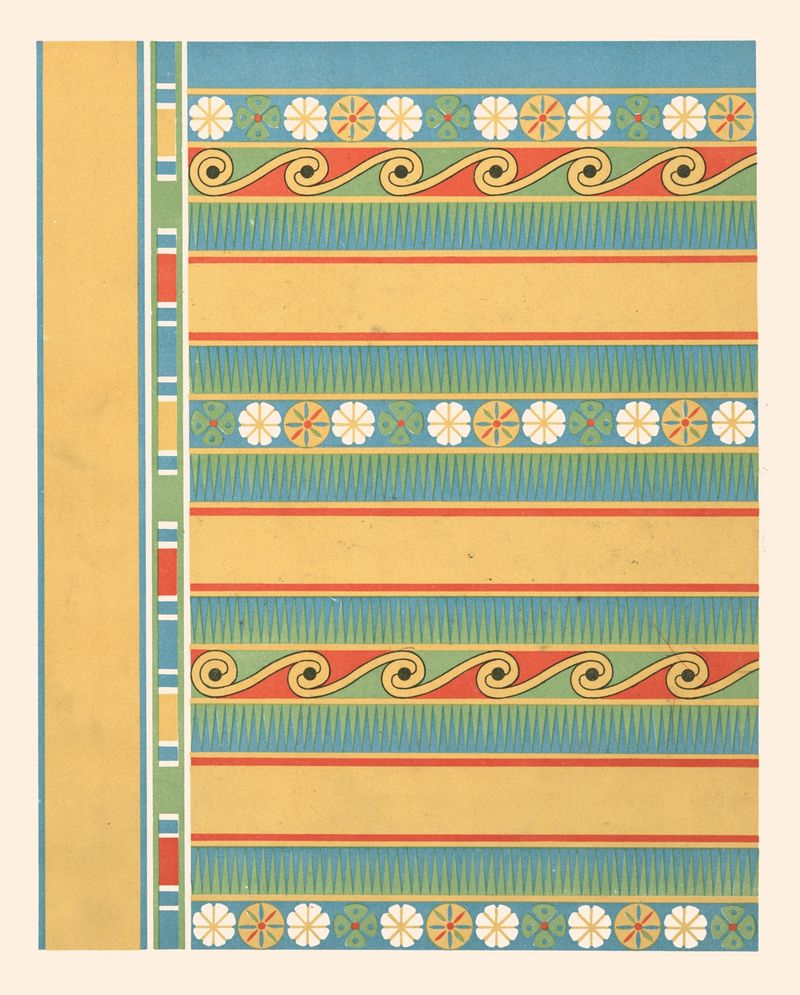
49. Plafond du Tombeau de Nesi-pa-Noferher (n° 68)
Gustave Jéquier
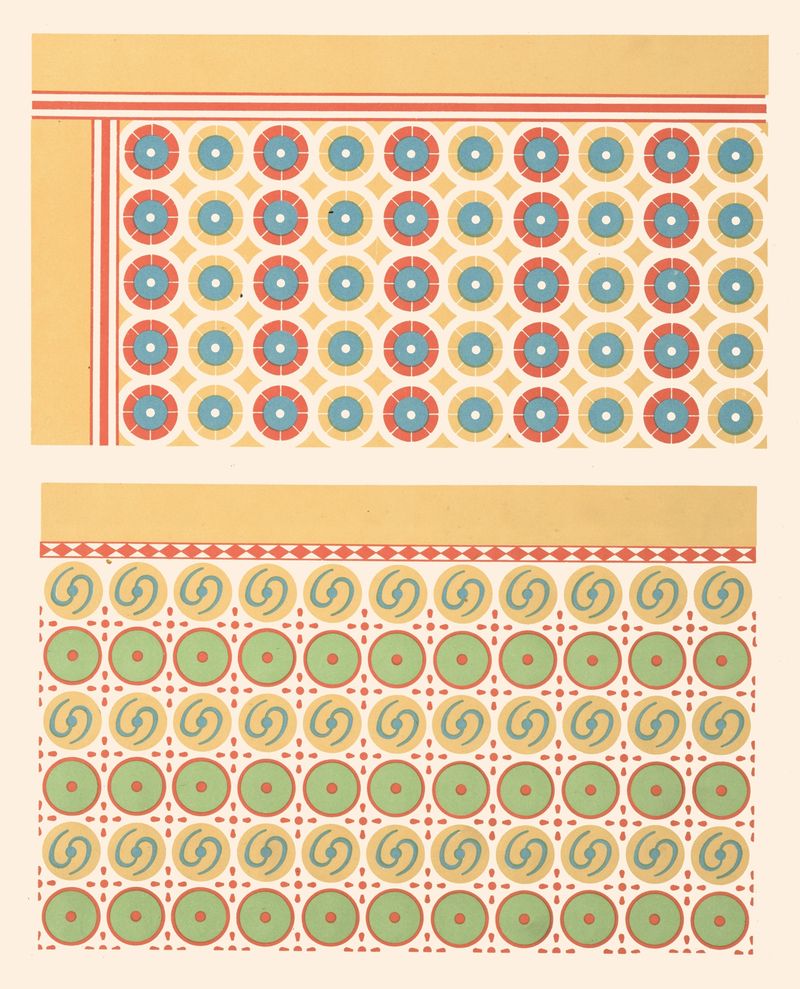
20. Plafond du Tombeau D’amenheb (n° 90), 21. Plafond du Tombeau de Menkheper (n° 79)
Gustave Jéquier
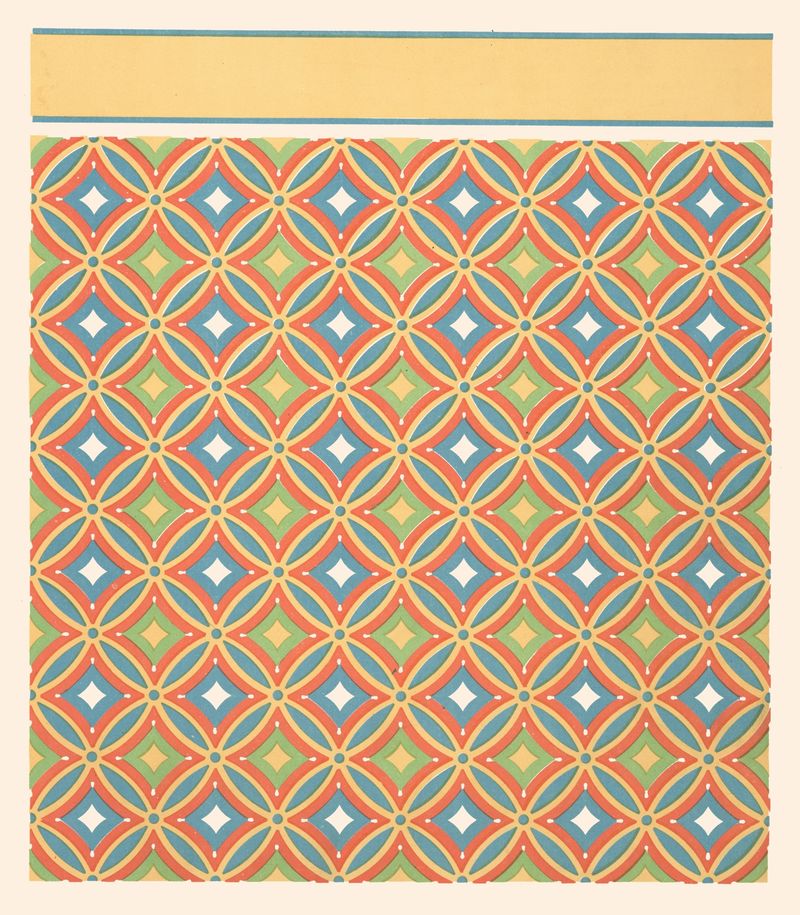
29. Plafond du Tombeau D’amenemhat (n° 82)
Gustave Jéquier

5. Plafond du Tombeau D’amounzeh (° 84), 6. Plafond du Tombeau D’amenemheb
Gustave Jéquier
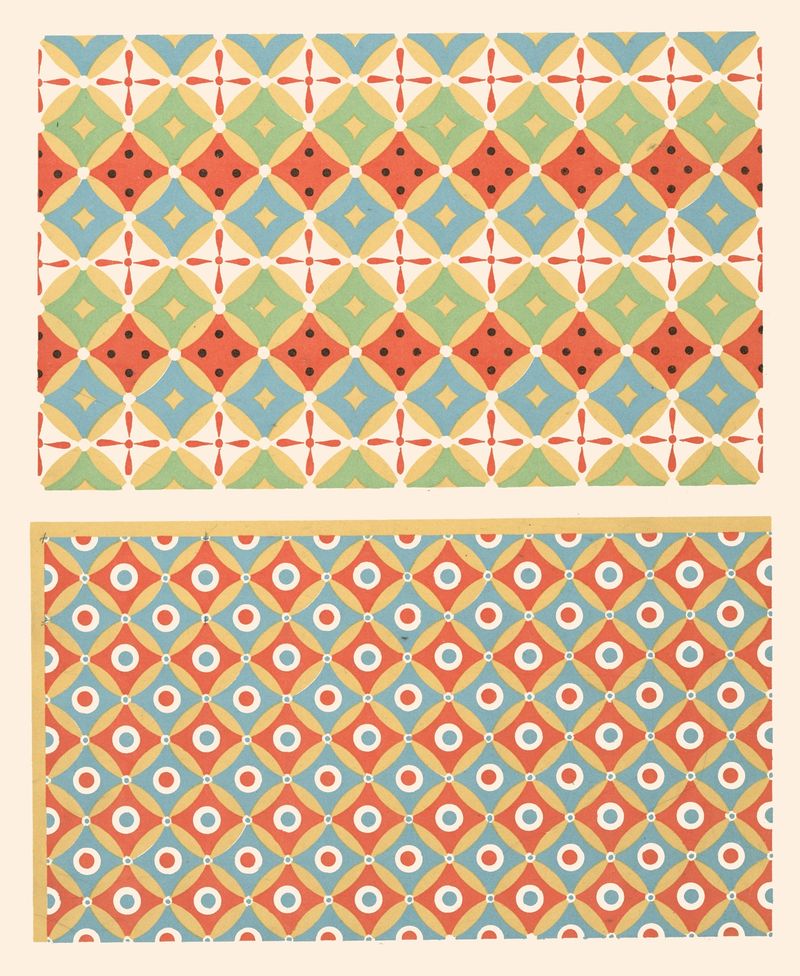
27. Plafond du Tombeau de Nekht-Mîn (n° 87), 28. Plafond du Tombeau n° 91 (Anonyme)
Gustave Jéquier
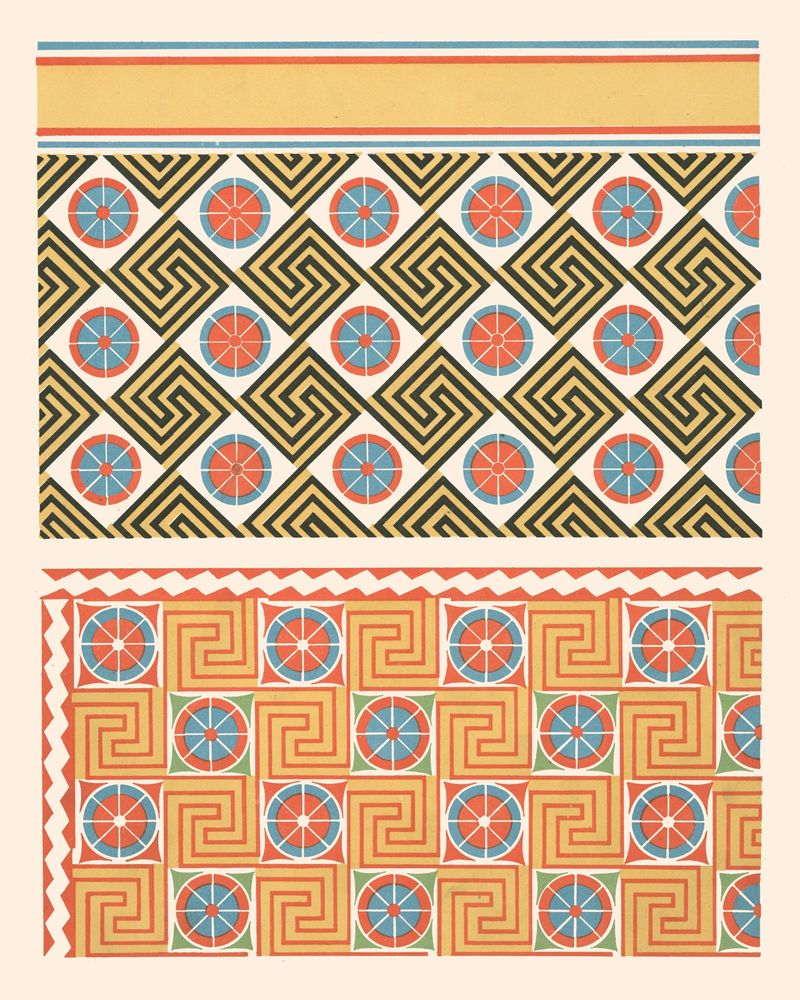
38. Plafond du Tombeau D’anna (n° 81), 39. Plafond du Tombeau de Senmout (n° 71)
Gustave Jéquier
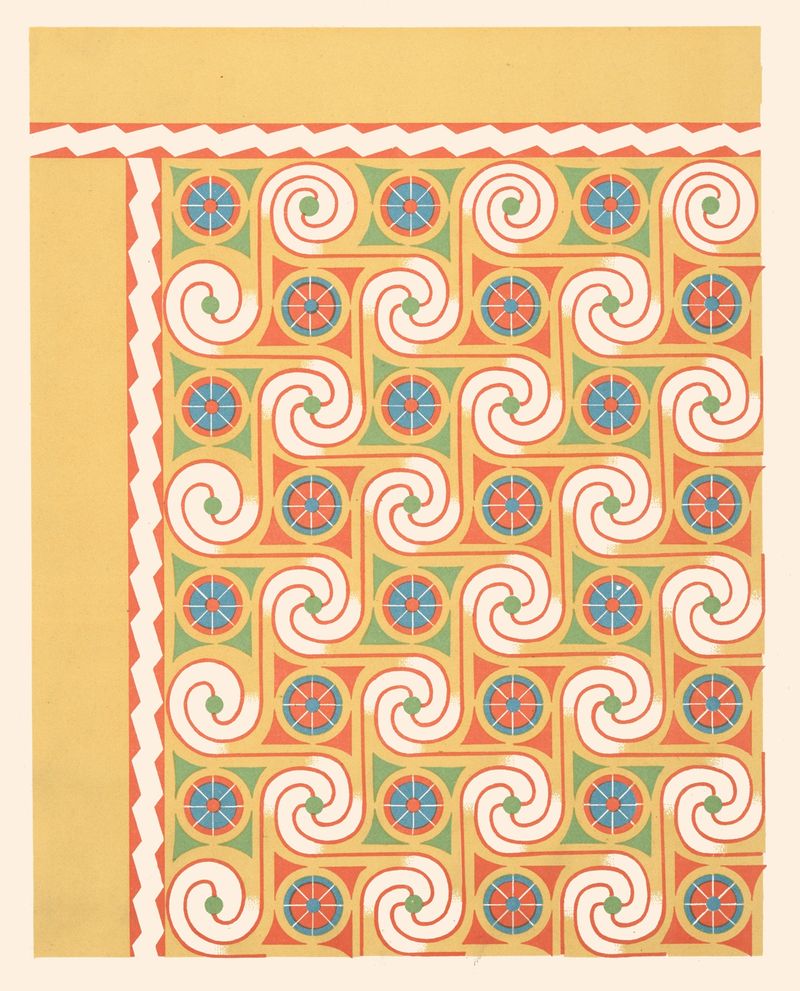
34. Plafond du Tombeau de Senmout (n° 71)
Gustave Jéquier
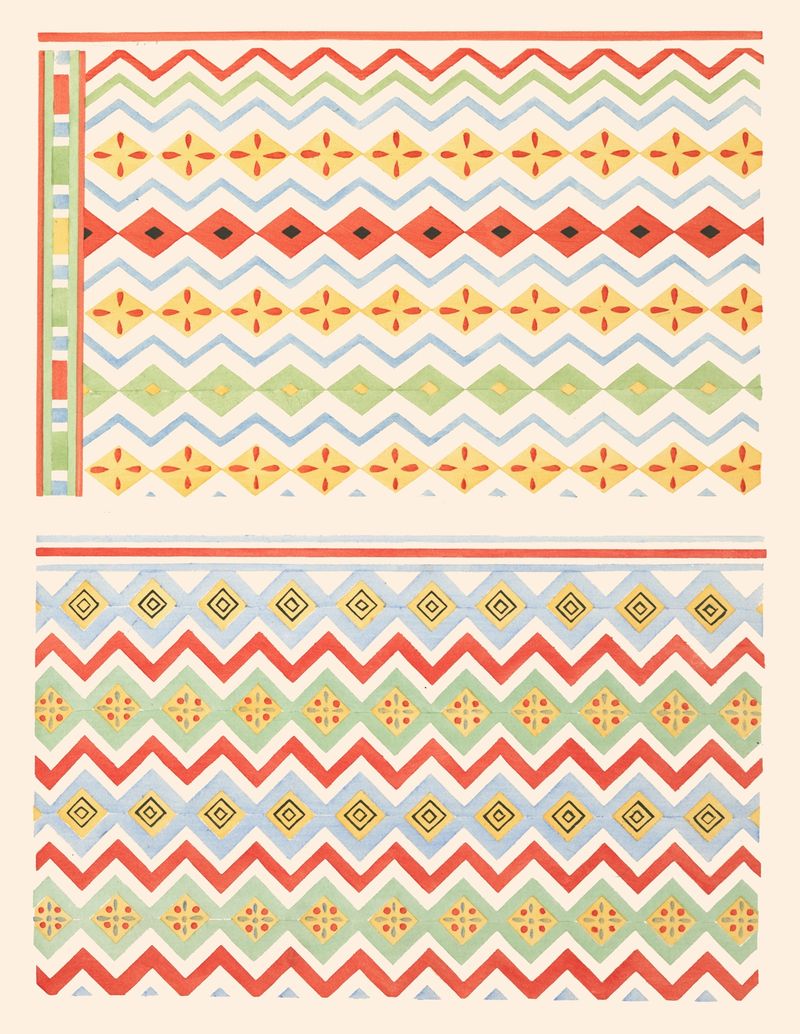
7. Plafond du Tombeau D’amenemant (n° 58), 8. Plafond du Tombeau de Pehsoukehr (n° 88)
Gustave Jéquier
More Historical Art
Browse all →
The Night Watch Militia Company of District II under the Command of Captain Frans Banninck Cocq
Rembrandt van Rijn

Lincoln Memorial
Henry Bacon

The Third of May 1808
Francisco de Goya

Isaac and Rebecca, Known as ‘The Jewish Bride’
Rembrandt van Rijn

The Charge of the Mamelukes (1814)
Francisco de Goya

De vier ruiters van de apocalyps
Albrecht Dürer