
50. Plafond du Tombeau de Nesi-pa-Noferher (n° 68) — History & Facts
Could a single brushstroke hold eternity? In the quiet solitude of Plafond du Tombeau de Nesi-pa-Noferher (n° 68, Gustave Jéquier captures a profound sense of loneliness intertwined with the weight of history. The artwork evokes a whisper of time, inviting reflection upon the vastness of existence and the fragility of life. Look closely at the intricate details across the canvas; your eyes should be drawn first to the delicate hieroglyphics that weave through the ornate decoration. Notice how the colors—muted golds, deep blues, and rich blacks—create a sense of reverence and solemnity.
Jéquier's expert technique brings texture to the surface, capturing the essence of ancient craftsmanship while infusing it with a contemporary sensibility that speaks to our modern yearning for connection. Within this artwork lies an exploration of isolation versus community. The solitary figures, depicted in their eternal repose, embody a quiet suffering that contrasts with the ornate beauty surrounding them. Each stroke hints at a story untold, a history lost to time, evoking empathy and a sense of longing.
The juxtaposition of the vibrant colors against the somber figures accentuates the emotional tension, inviting the viewer to ponder what lies beyond the canvas’s edge. Gustave Jéquier created this piece in 1911, a period marked by a burgeoning fascination with Egyptology and the revival of ancient artistic forms in Europe. Living and working in Paris, he found inspiration amid the cultural shifts of the time, where a growing interest in the exotic further influenced his work. During this era, Jéquier contributed to the reevaluation of ancient art, striving to bridge the past with contemporary expression, thus capturing the essence of both worlds within this evocative piece.
More Artworks by Gustave Jéquier
Browse all →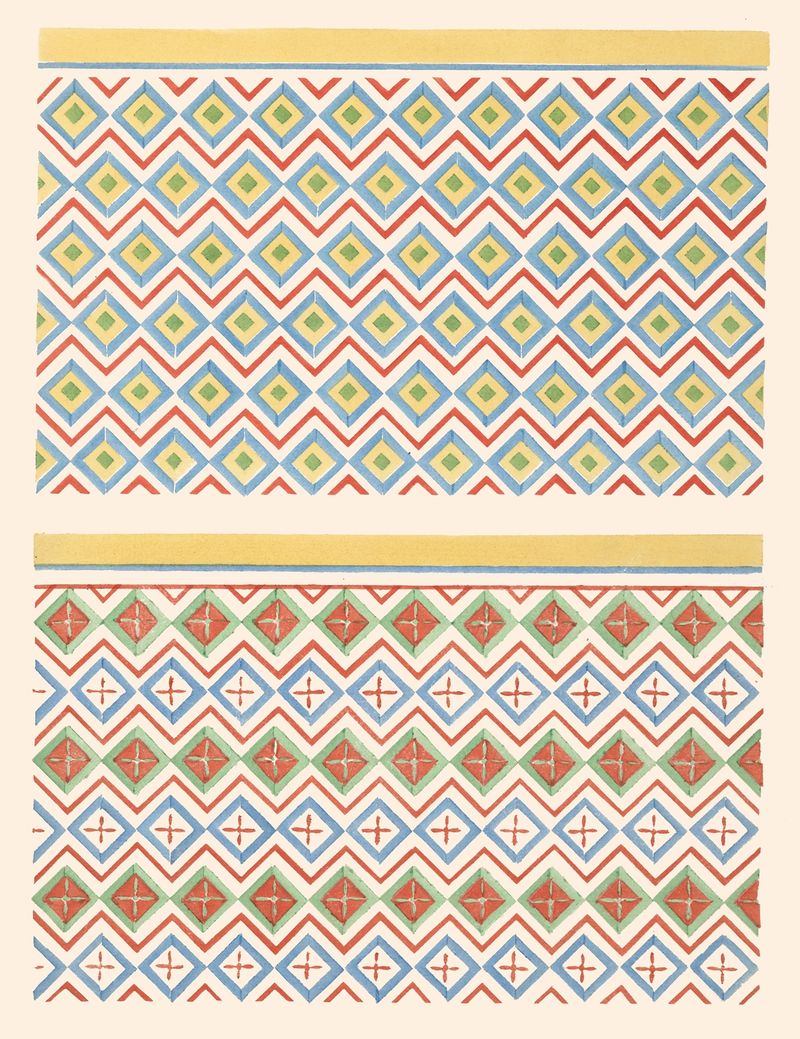
9. Plafond du Tombeau de Hapousenb (n° 67), 10. Plafond du Tombeau D’amounzeh (n° 84)
Gustave Jéquier

22. Plafond du Tombeau de Hiq-er-Neheh (n°64), 23. Plafond du Tombeau de Tenna (n° 76)
Gustave Jéquier
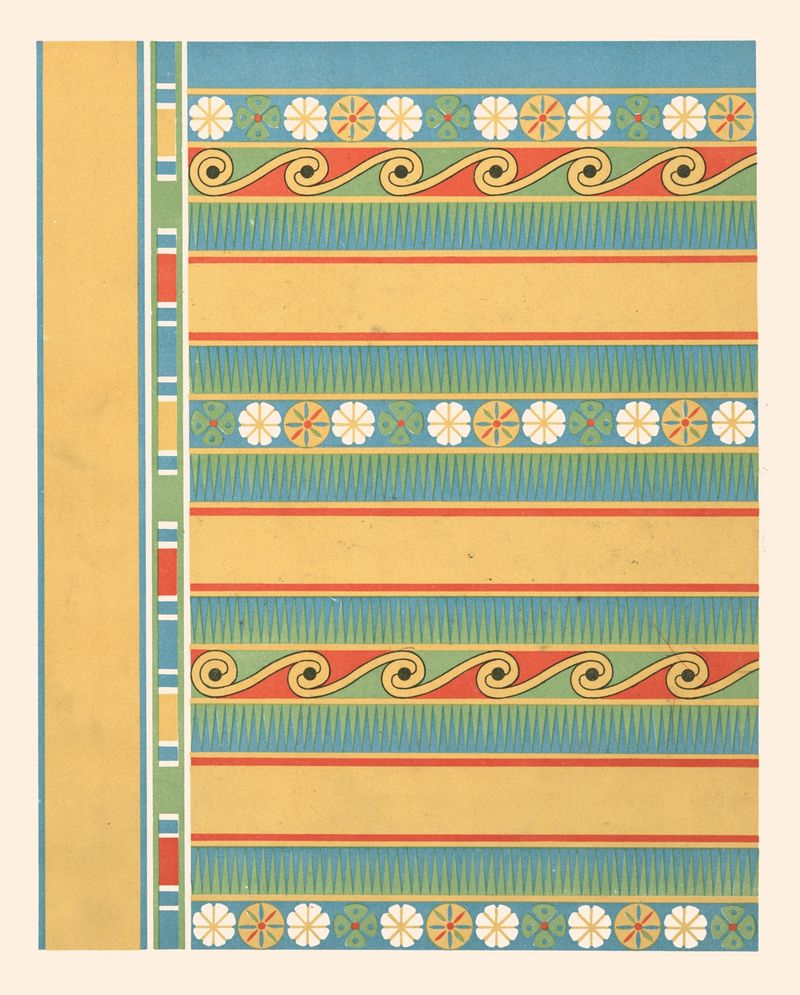
49. Plafond du Tombeau de Nesi-pa-Noferher (n° 68)
Gustave Jéquier
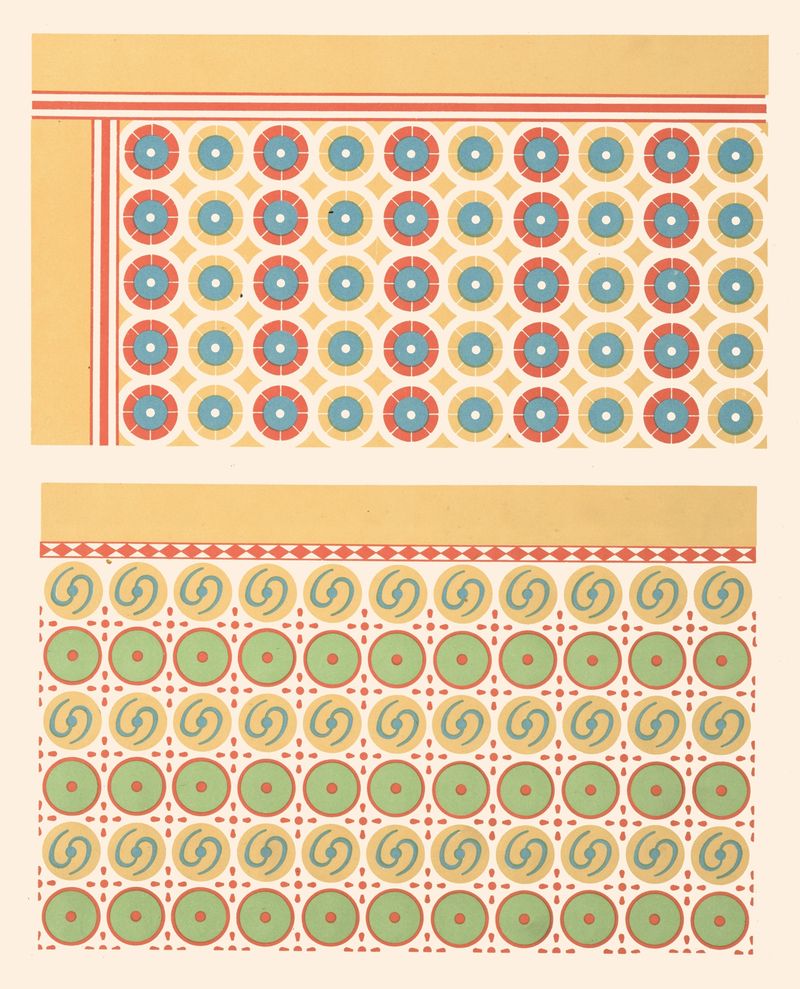
20. Plafond du Tombeau D’amenheb (n° 90), 21. Plafond du Tombeau de Menkheper (n° 79)
Gustave Jéquier
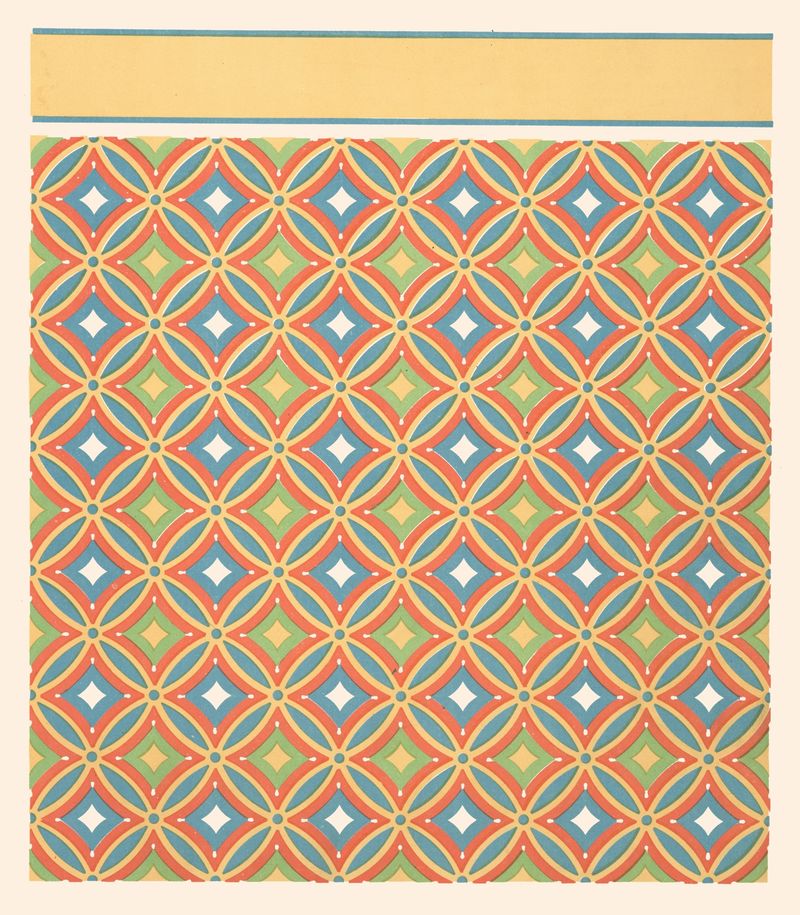
29. Plafond du Tombeau D’amenemhat (n° 82)
Gustave Jéquier

5. Plafond du Tombeau D’amounzeh (° 84), 6. Plafond du Tombeau D’amenemheb
Gustave Jéquier
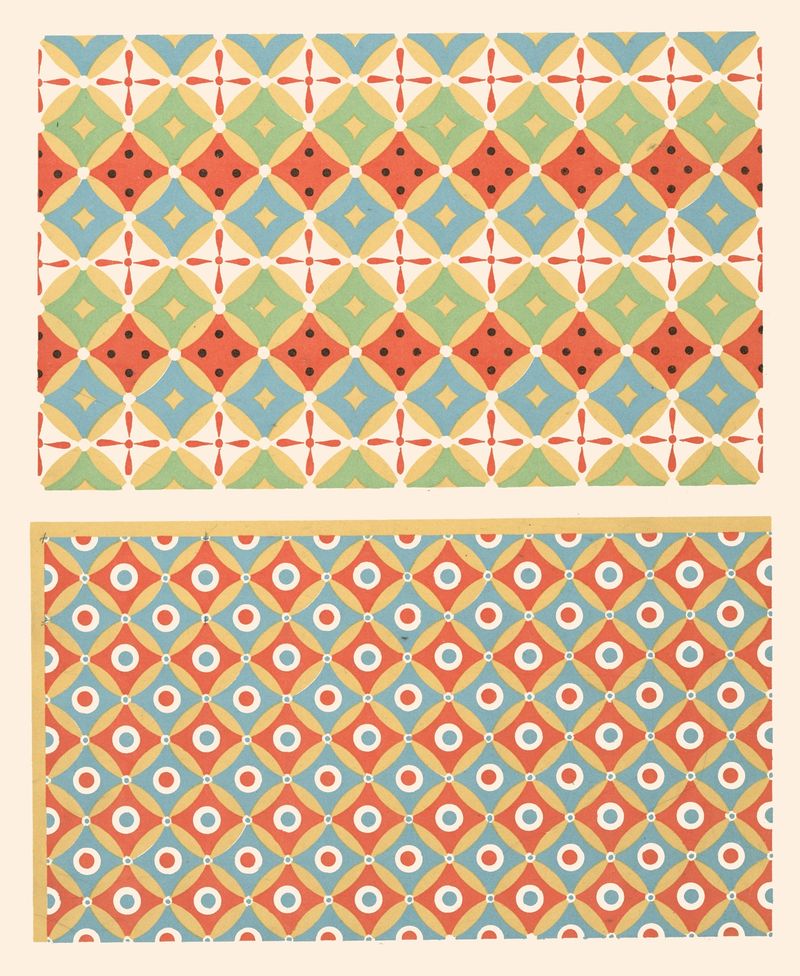
27. Plafond du Tombeau de Nekht-Mîn (n° 87), 28. Plafond du Tombeau n° 91 (Anonyme)
Gustave Jéquier
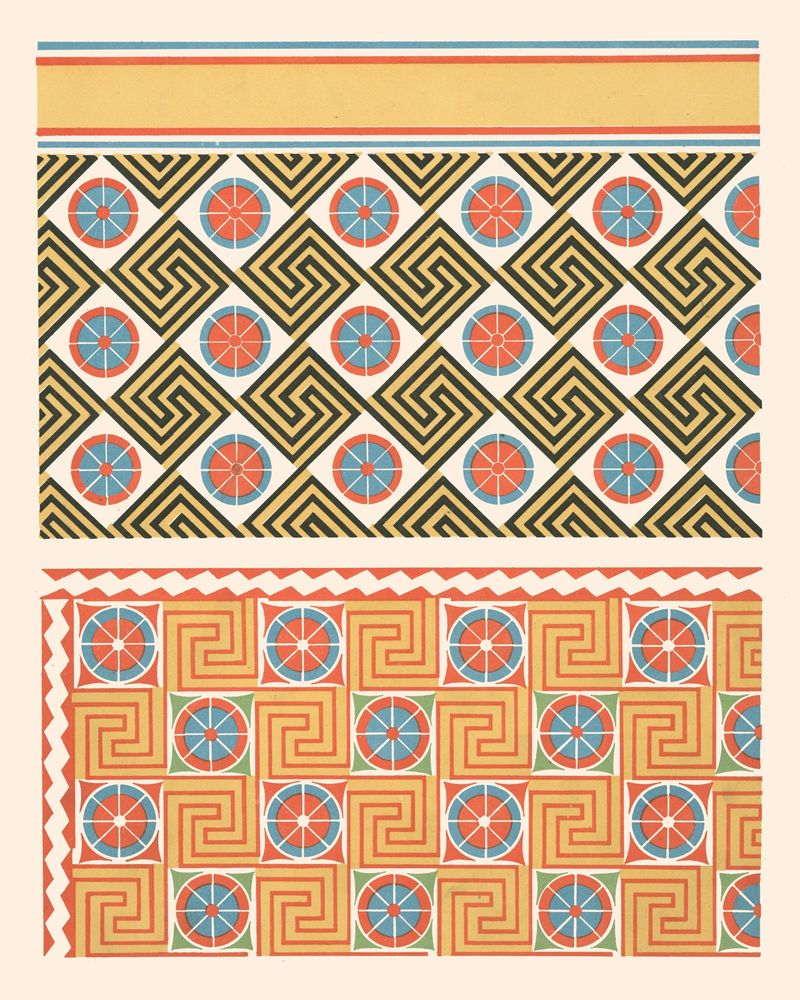
38. Plafond du Tombeau D’anna (n° 81), 39. Plafond du Tombeau de Senmout (n° 71)
Gustave Jéquier
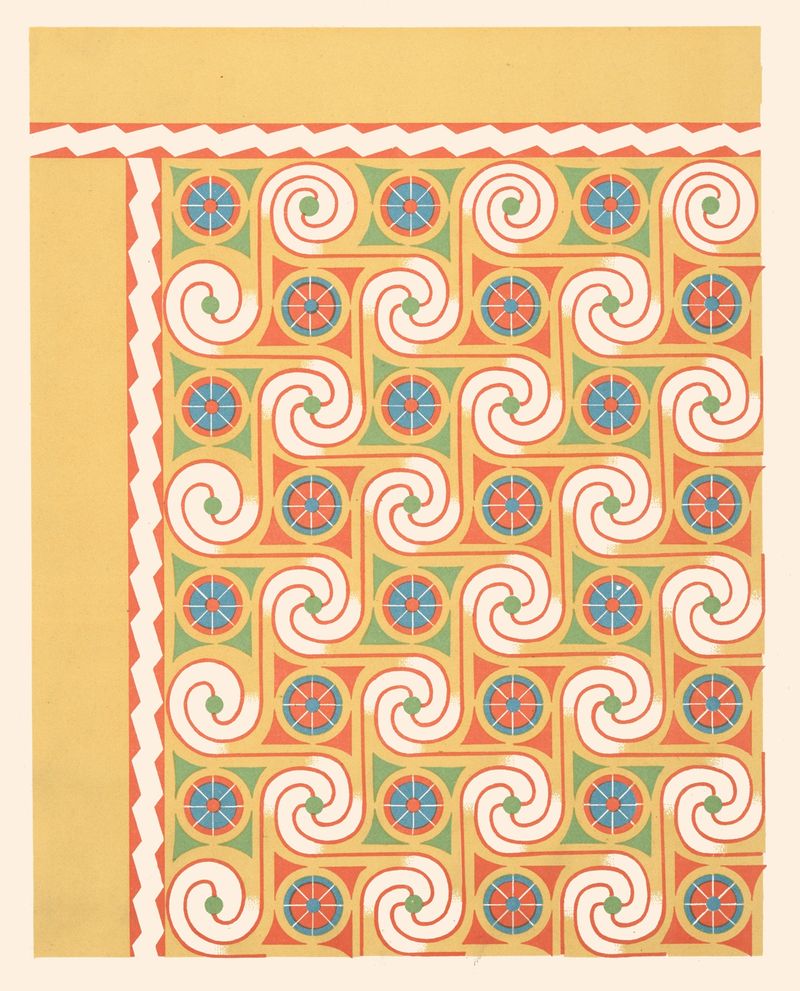
34. Plafond du Tombeau de Senmout (n° 71)
Gustave Jéquier
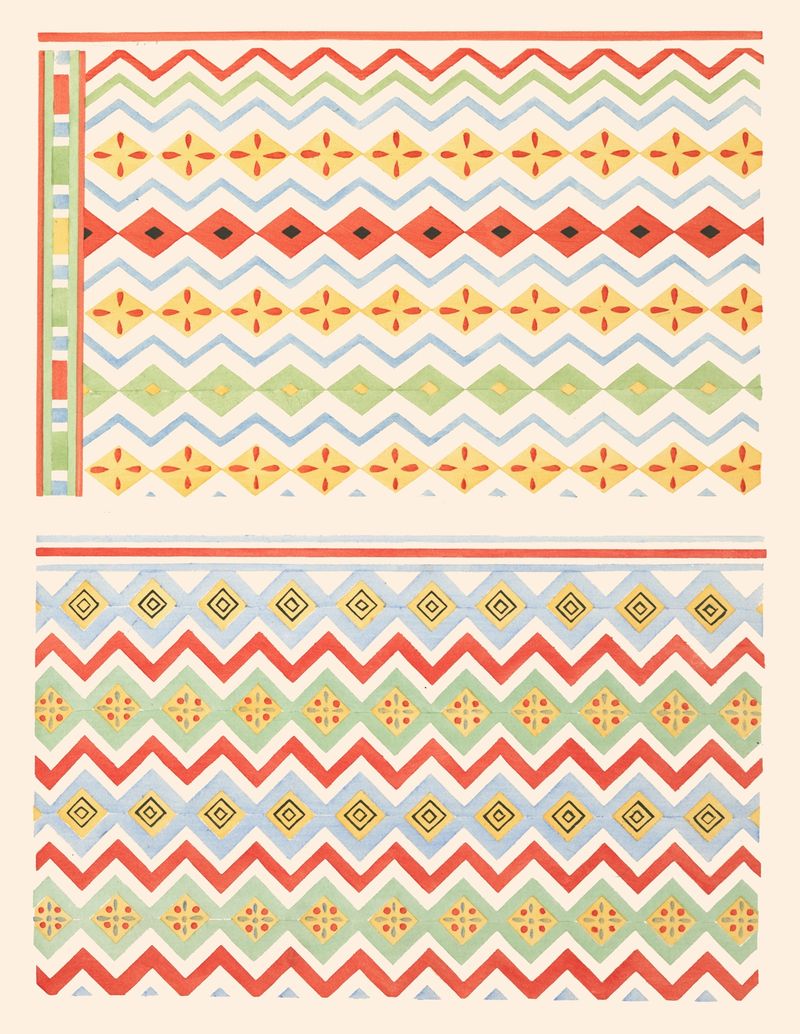
7. Plafond du Tombeau D’amenemant (n° 58), 8. Plafond du Tombeau de Pehsoukehr (n° 88)
Gustave Jéquier
More Historical Art
Browse all →
The Night Watch Militia Company of District II under the Command of Captain Frans Banninck Cocq
Rembrandt van Rijn
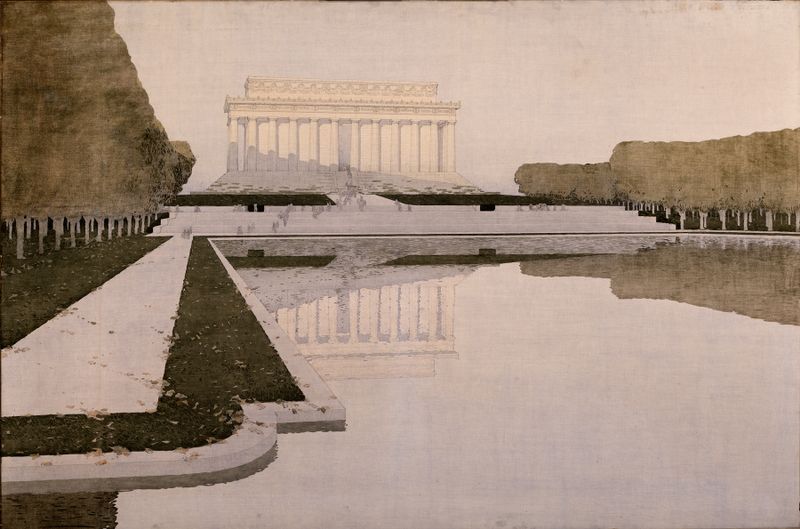
Lincoln Memorial
Henry Bacon
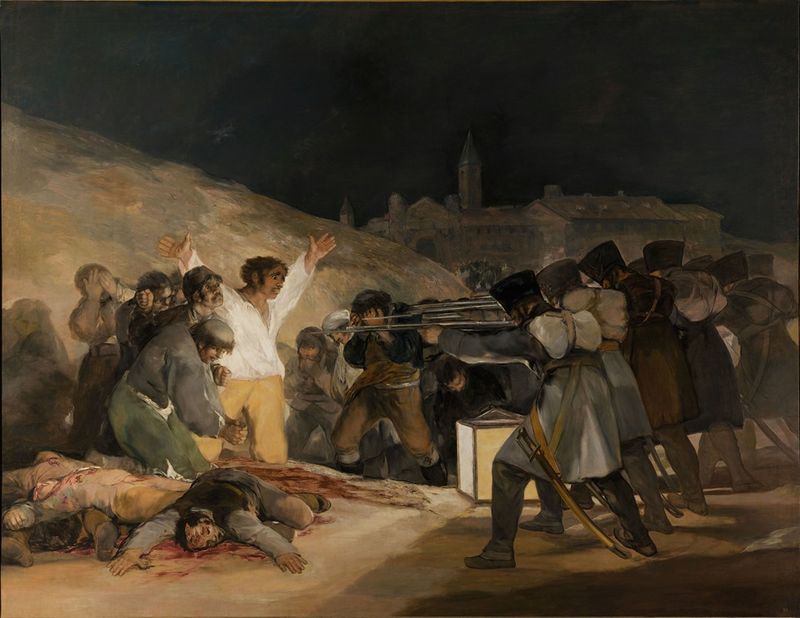
The Third of May 1808
Francisco de Goya

Isaac and Rebecca, Known as ‘The Jewish Bride’
Rembrandt van Rijn
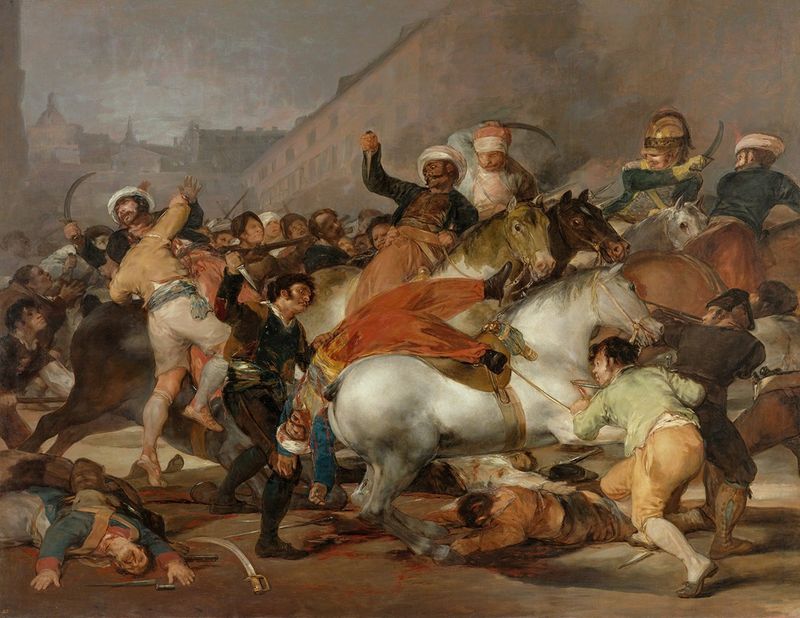
The Charge of the Mamelukes (1814)
Francisco de Goya

De vier ruiters van de apocalyps
Albrecht Dürer