
A Cart Loaded with Kegs — History & Facts
In 1822, Théodore Géricault was still riding the shockwaves of his notorious The Raft of the Medusa, but he quietly turned his attention to the everyday laborers of Paris. A Cart Loaded with Kegs stands out as one of the rare works from this period in which Géricault explored the dignity of working life, a theme that would later inspire the likes of Courbet and the Realist painters. Unlike his grand historical canvases, this painting was never exhibited in the artist’s lifetime, and its medium remains uncertain—a mystery that continues to intrigue scholars and collectors alike. The scene captures the precise moment when a heavy cart, laden with wooden kegs, creaks along a muddy street, drawn by a sturdy draft horse.
The driver, hunched and intent, guides his animal through the city’s bustle, the kegs perhaps destined for a tavern or brewery. Géricault’s eye for muscular anatomy is evident not only in the horse’s straining flanks but in the sinewy arms of the man, echoing the physical intensity of his earlier equestrian studies. The play of light across the barrels and the churned earth underfoot grounds the scene in gritty reality, far from the idealized rural labor of Jean-François Millet.
Here, every object—the iron-rimmed wheels, the mud-spattered boots—speaks of the daily grind and resilience of the urban poor. Though the details of the painting’s early ownership are unclear, works like A Cart Loaded with Kegs were likely intended for private collectors interested in contemporary life rather than grand salons. Its modest scale and subject suggest it was painted during Géricault’s later years, as he shifted from epic narratives to more intimate, observational works. The painting’s whereabouts were uncertain for much of the nineteenth century, but today it is recognized as a significant example of Géricault’s turn toward realism and social observation, a precursor to the later Realist movement.
It now hangs in a public collection, offering viewers a rare glimpse into the artist’s fascination with the unsung heroes of his city.
More Artworks by Théodore Géricault
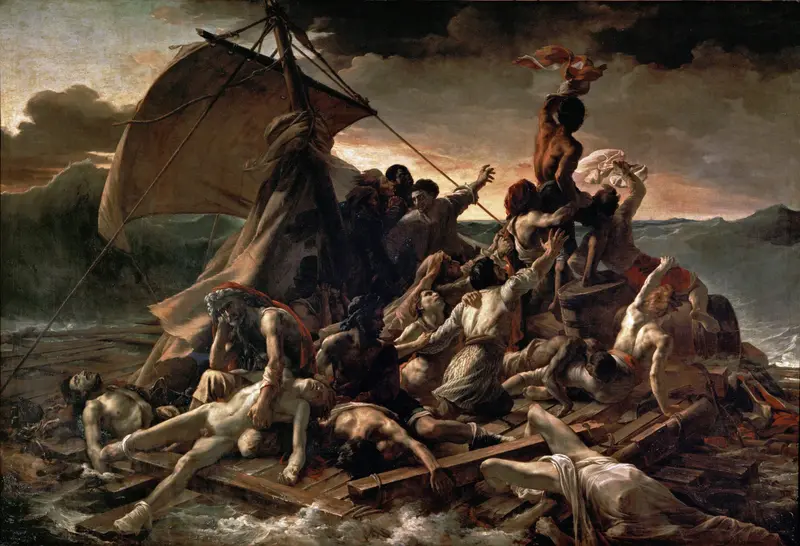
The Raft of the Medusa
Théodore Géricault

Géricault - Le naufrage du radeau de la Méduse, MBA 790
Théodore Géricault
Cattle Market
Théodore Géricault
Evening; Landscape with an Aqueduct
Théodore Géricault
Horse Race
Théodore Géricault

Horses Standing in a Mews
Théodore Géricault
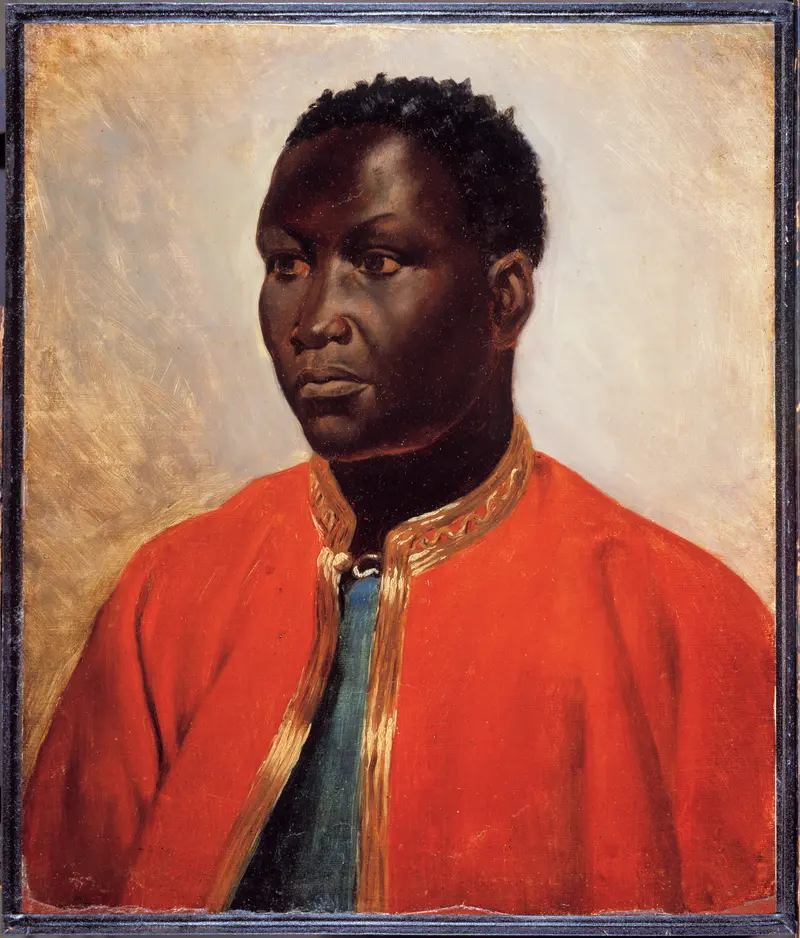
Portrait of a Negro
Théodore Géricault
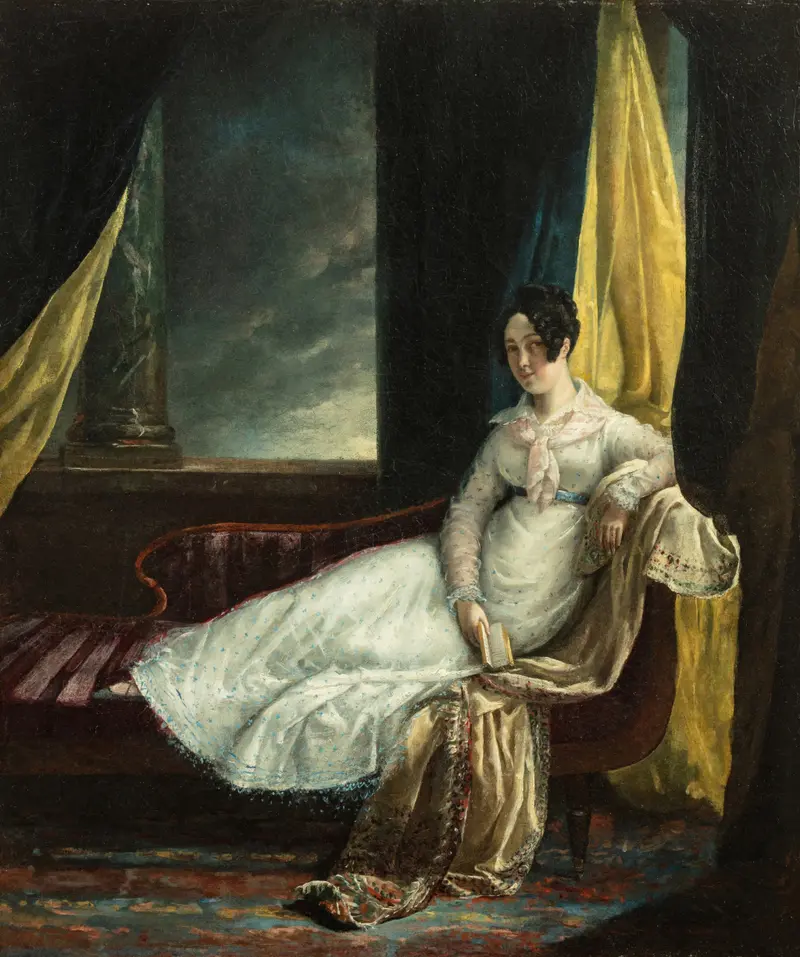
Portrait of Zoë Elmore
Théodore Géricault
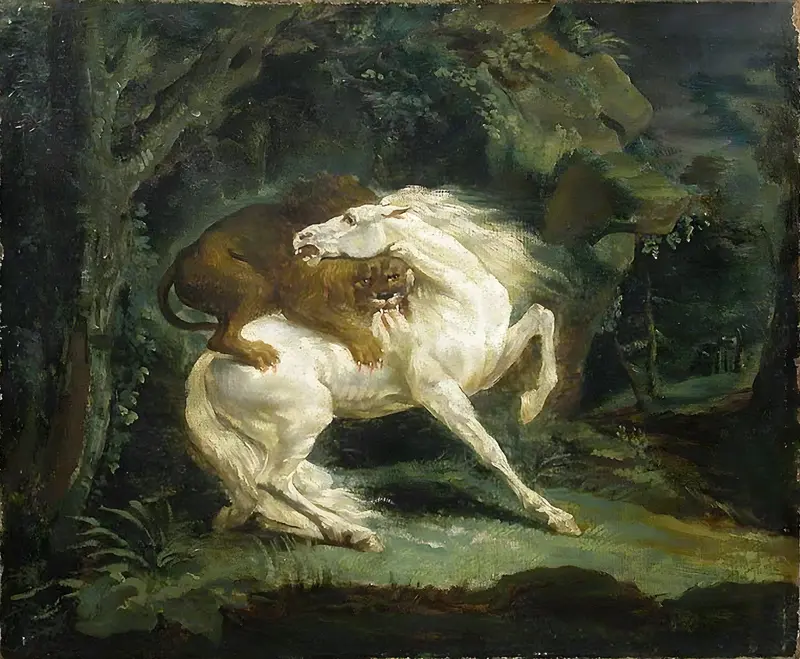
Cheval attaqué par un lion
Théodore Géricault
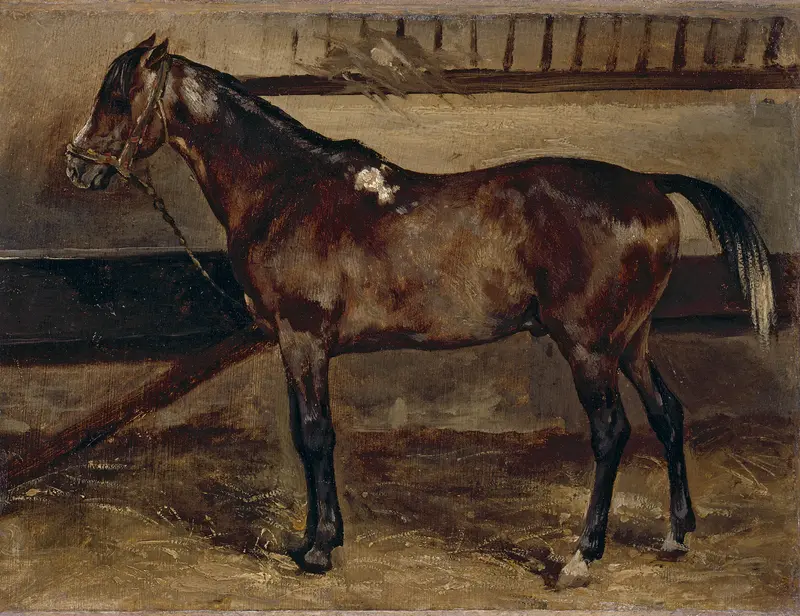
Cheval brun à l'écurie
Théodore Géricault
More Genre Scene Art

Banquet of the Officers of the St George Civic Guard
Frans Hals

Rembrandt and Saskia in the Scene of the Prodigal Son
Rembrandt van Rijn

Bal du moulin de la Galette
Pierre-Auguste Renoir

Quadrille at the Moulin Rouge
Henri de Toulouse-Lautrec

A Burial at Ornans
Gustave Courbet

When Will You Marry?
Paul Gauguin