
A Fallen Angel — History & Facts
In A Fallen Angel, Giovanni Battista Tiepolo presents a dramatic scene filled with rich colors. The fallen angel, depicted with striking features, is surrounded by swirling clouds and a vibrant sky. His expression conveys a mix of sorrow and defiance, while his wings are elegantly rendered, showcasing Tiepolo's skill in capturing movement.
The overall composition draws the viewer's eye towards the angel, emphasizing his isolation in a celestial realm. This painting is executed in oil on canvas, a medium that allows for the vibrant colors and intricate details seen in Tiepolo's work. The dimensions are approximately 150 x 200 cm, making it a sizable piece that commands attention. Tiepolo's use of light and shadow enhances the three-dimensionality of the figures, creating a sense of depth.
The brushwork is fluid, characteristic of the Rococo style, which emphasizes elegance and grace. Giovanni Battista Tiepolo was a prominent Italian painter of the 18th century, known for his grand frescoes and dynamic compositions. A Fallen Angel is one of his notable works that reflects the themes of mythology and the human condition. Interestingly, this painting showcases Tiepolo's ability to blend emotional depth with decorative beauty, a hallmark of his style.
The work remains a significant example of Rococo art, highlighting the tension between celestial and earthly realms.
More Artworks by Giovanni Battista Tiepolo
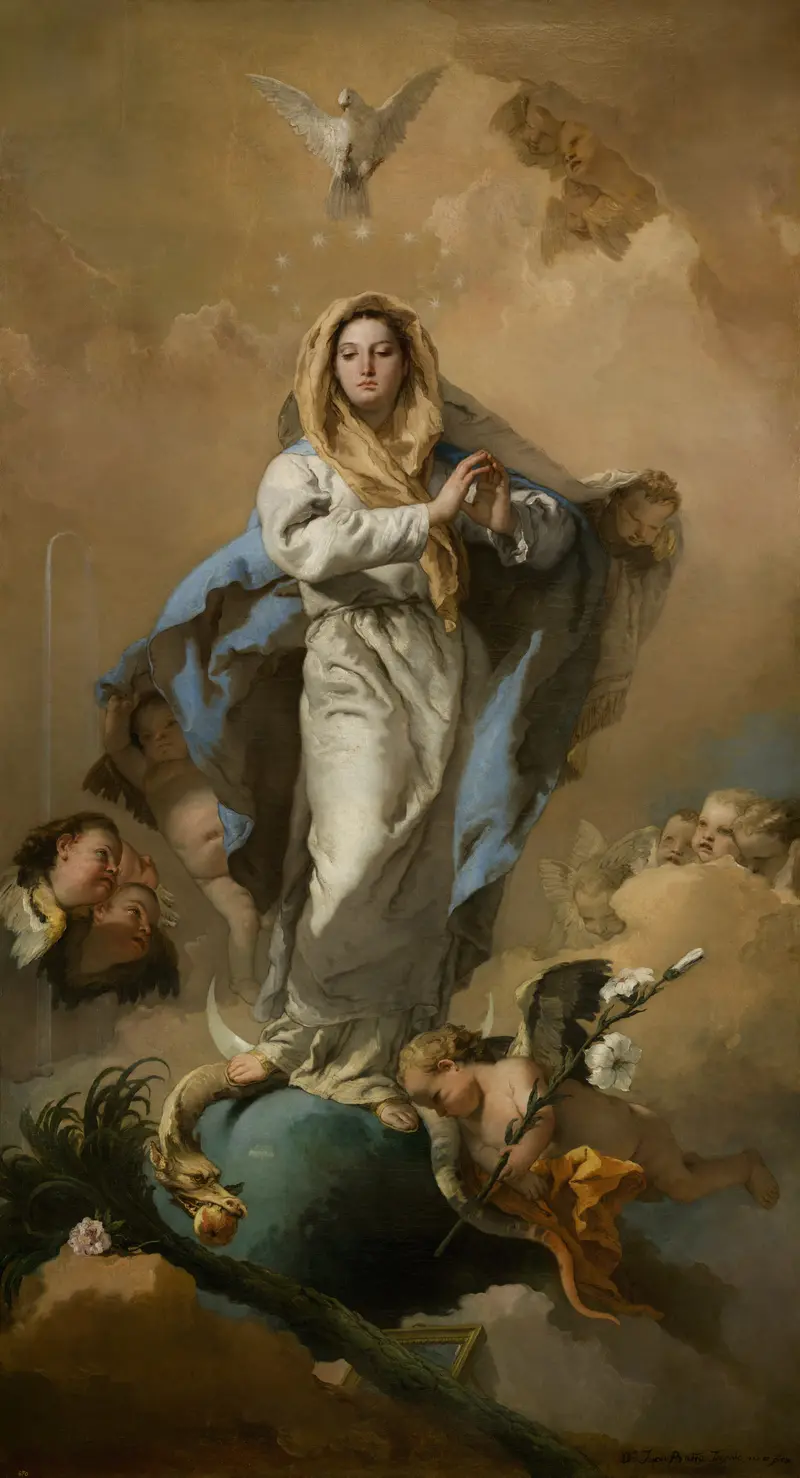
The Immaculate Conception
Giovanni Battista Tiepolo
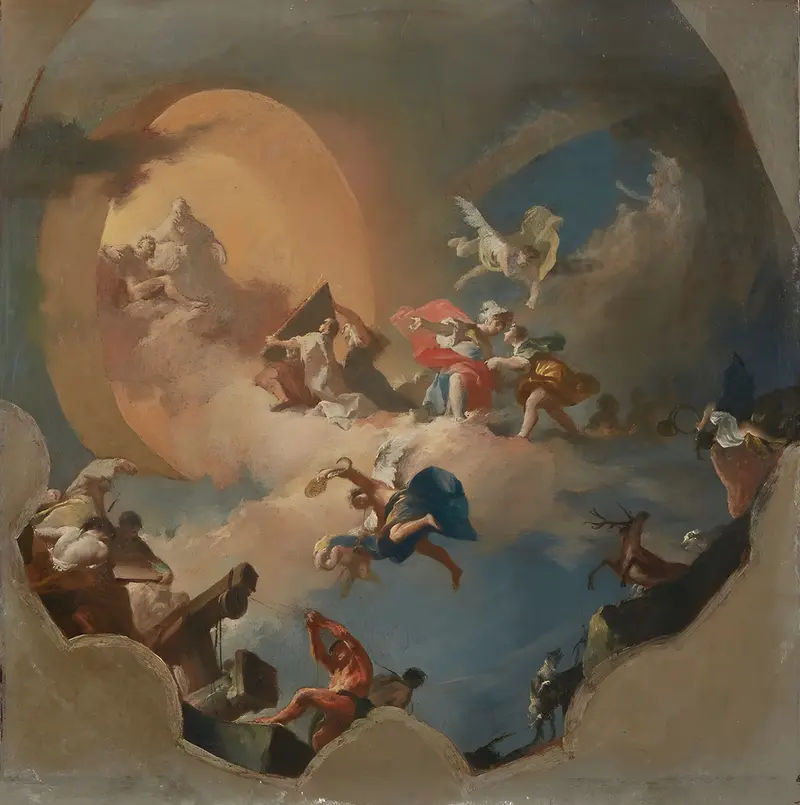
The Apotheosis of the Arts
Giovanni Battista Tiepolo
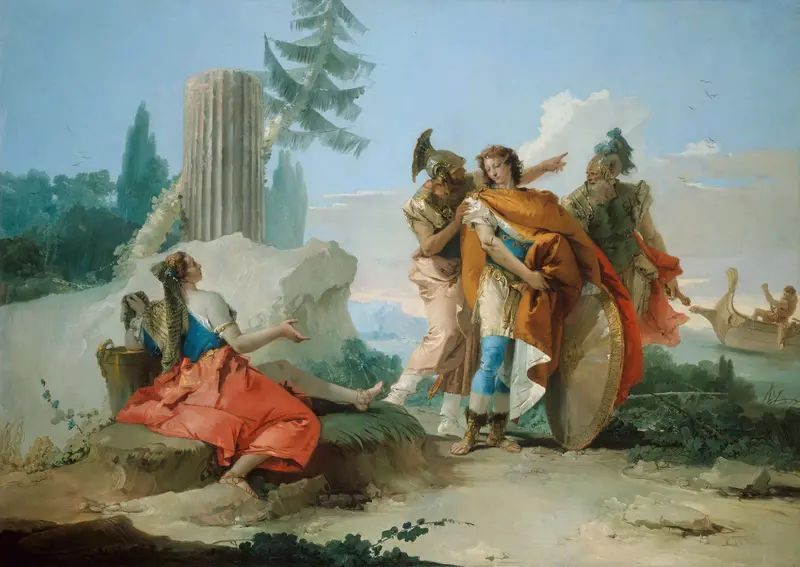
Armida Abandoned by Rinaldo
Giovanni Battista Tiepolo
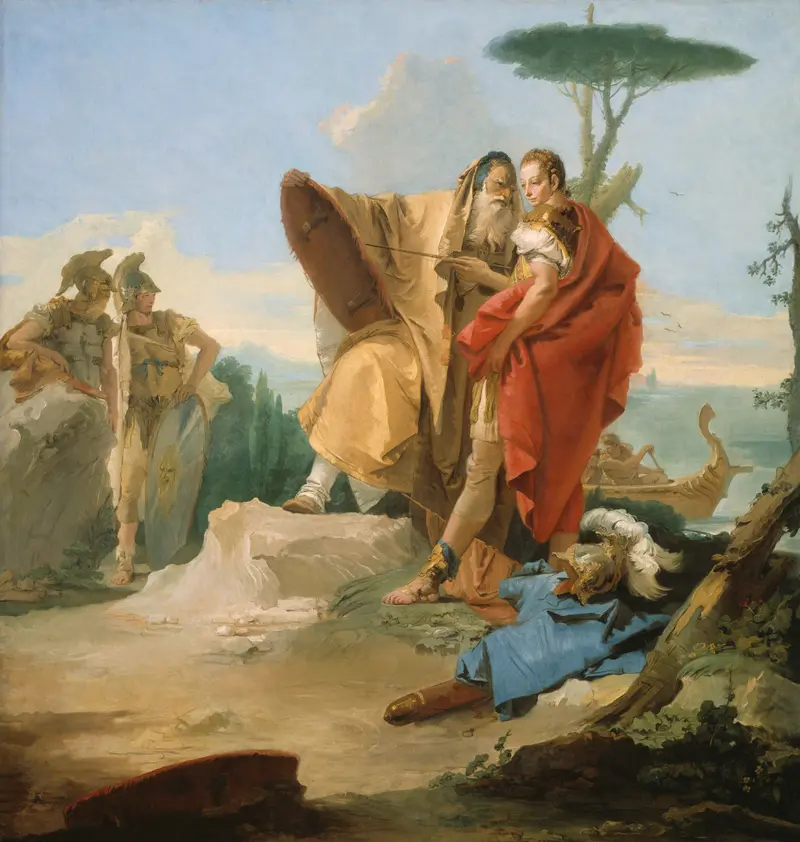
Rinaldo and the Magus of Ascalon
Giovanni Battista Tiepolo
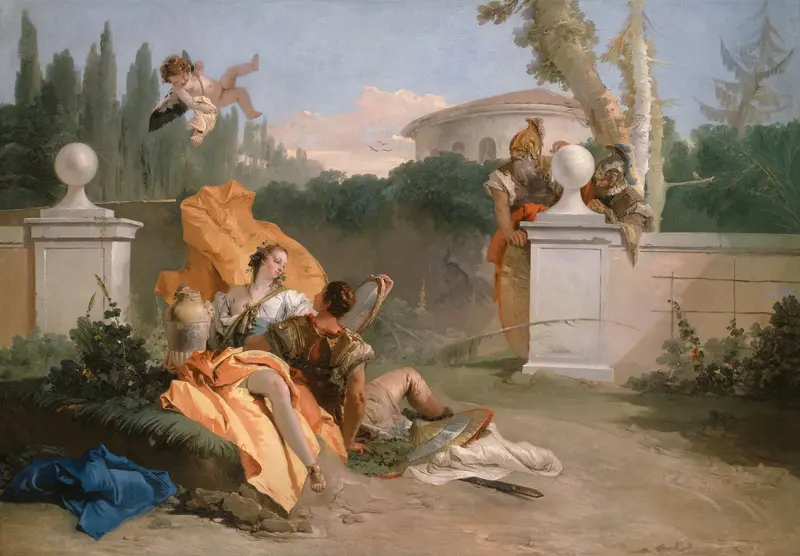
Rinaldo and Armida in Her Garden
Giovanni Battista Tiepolo
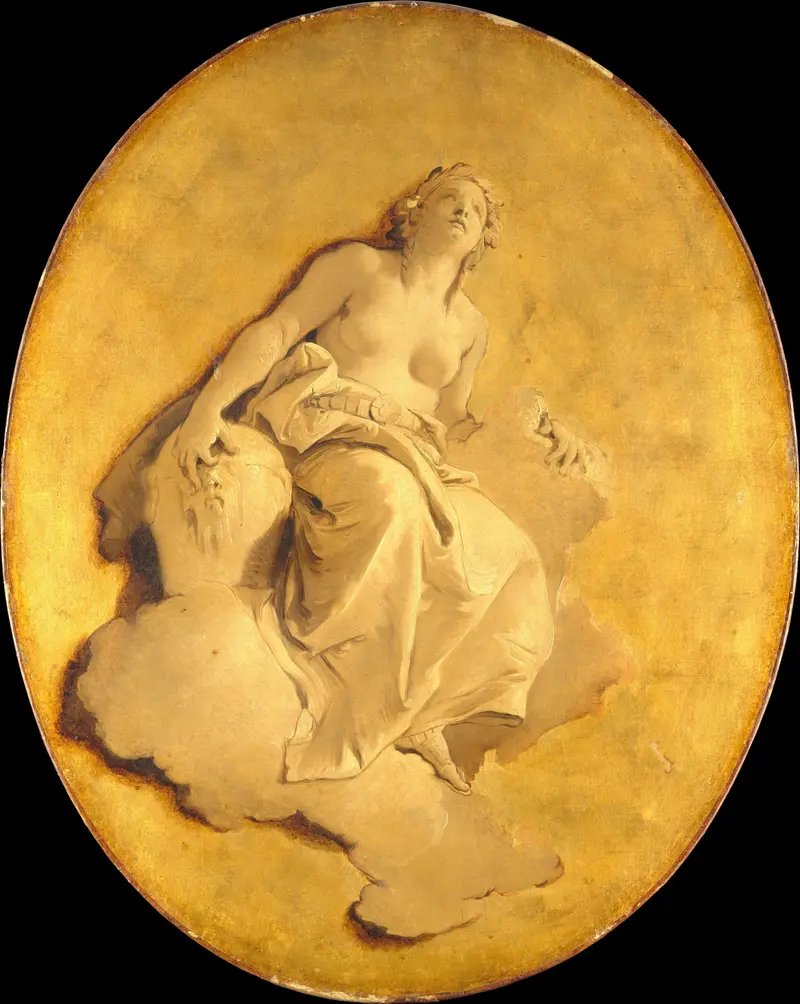
A Female Allegorical Figure
Giovanni Battista Tiepolo
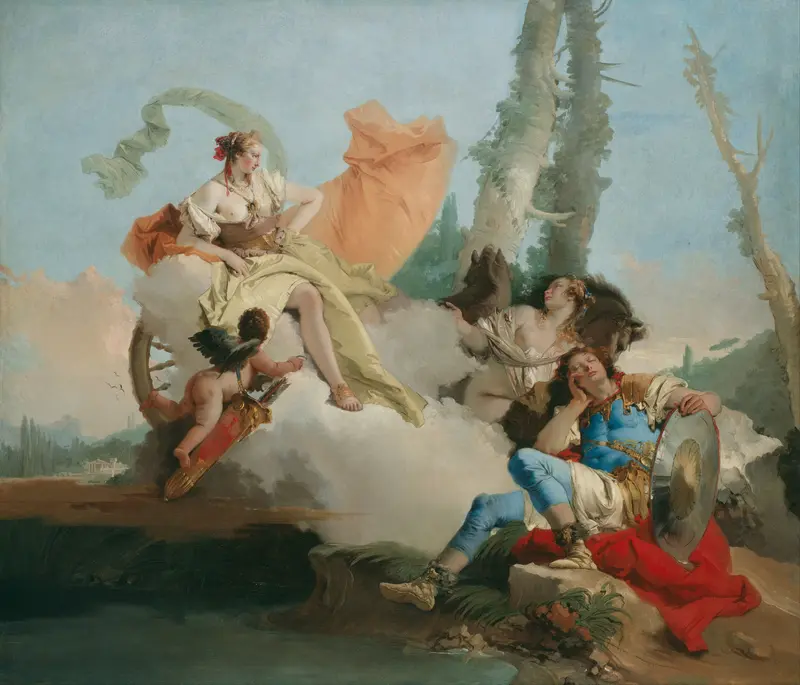
Armida Encounters the Sleeping Rinaldo
Giovanni Battista Tiepolo
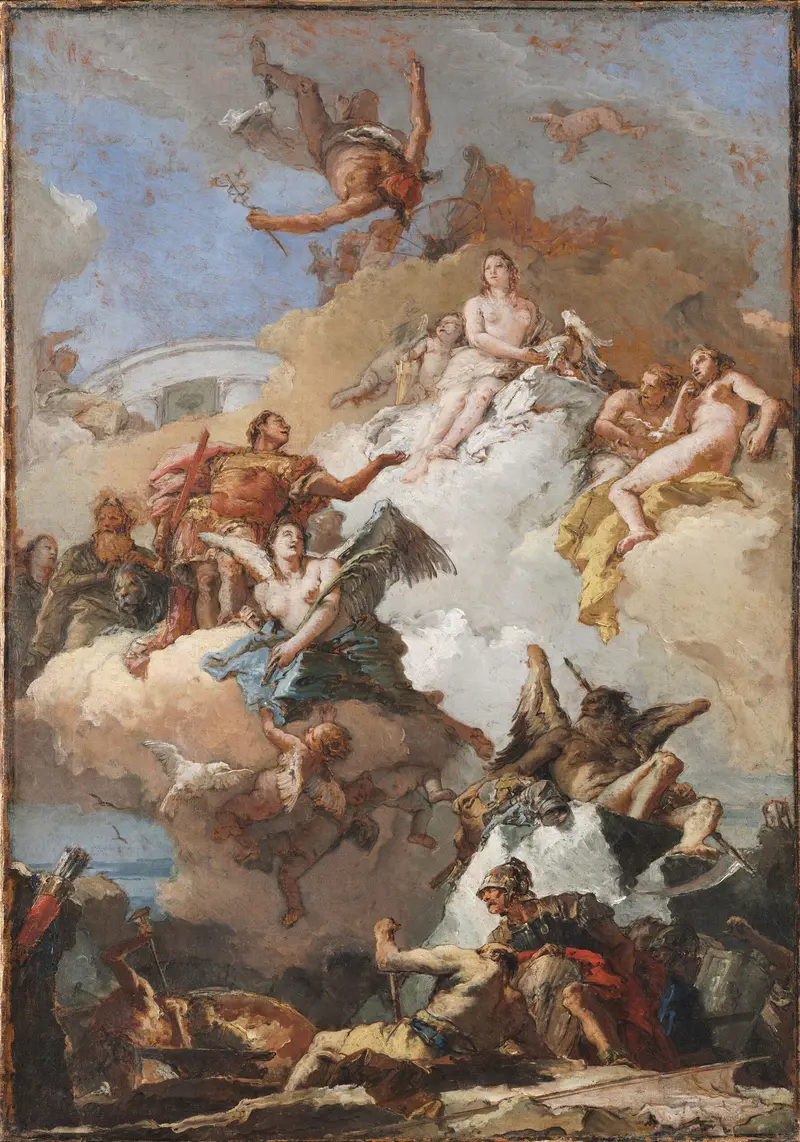
The Apotheosis of Aeneas
Giovanni Battista Tiepolo
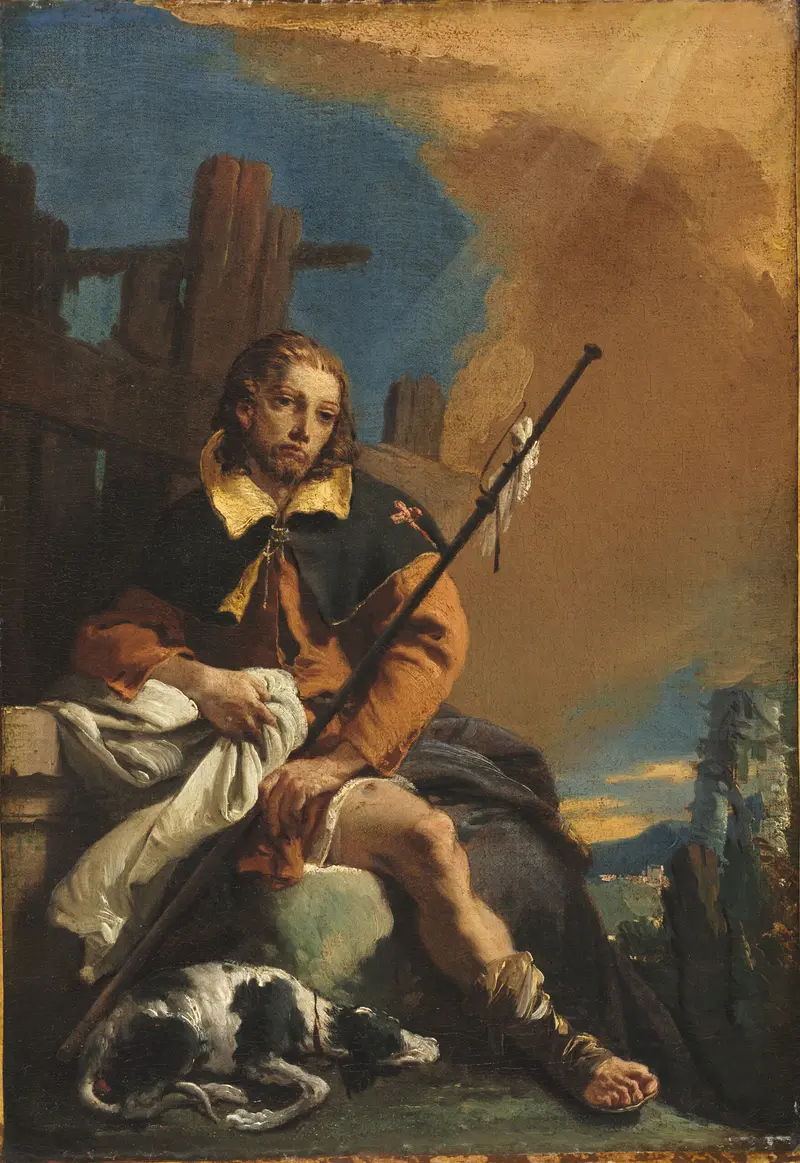
Saint Roch as a Pilgrim
Giovanni Battista Tiepolo
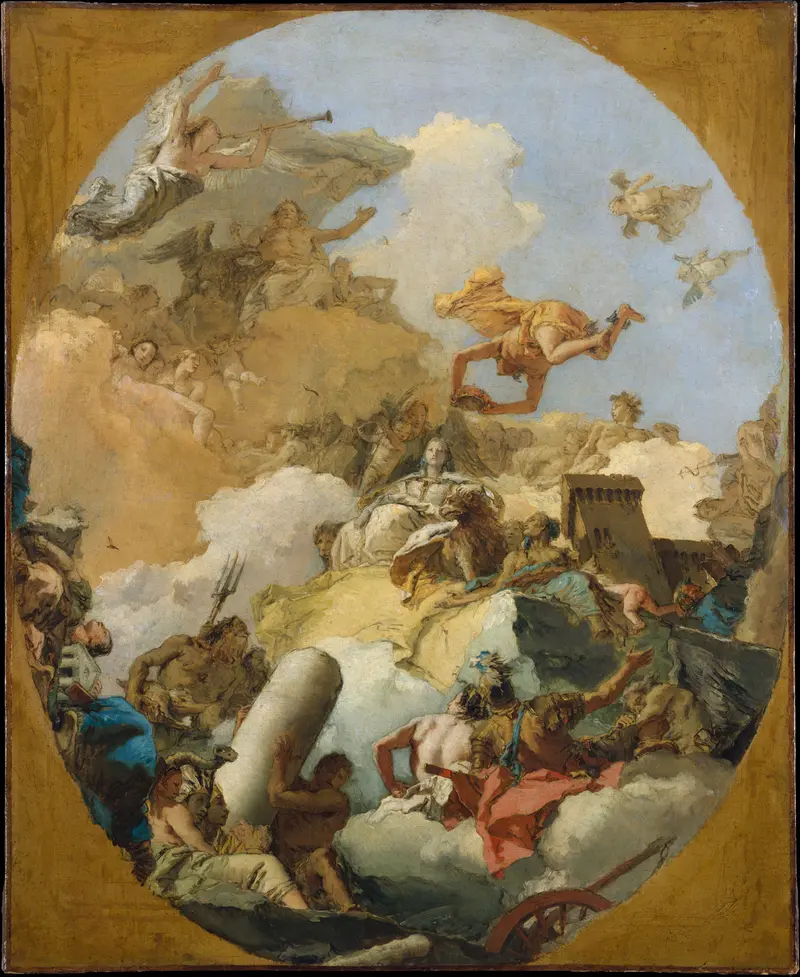
The Apotheosis of the Spanish Monarchy
Giovanni Battista Tiepolo





