
A Medici Hunting Party — History & Facts
What first draws the eye in A Medici Hunting Party is not the grandeur of the noblemen, but the tangle of life and movement at the forest’s edge. A sweep of hounds, handlers, and aristocrats in vivid attire gathers at the lower right, their energy barely contained by the pale cloths stretched between trees—a makeshift barrier or perhaps the stage for the hunt’s climax. The forest itself, lush and shadowed, seems to press in on the party, its towering trunks and tangled undergrowth both framing and encroaching on the human drama.
The painter, Alessandro Magnasco, sets the figures in a moment of anticipation and controlled chaos: gestures are urgent, dogs strain at the leash, and the light, filtering through leaves, picks out silks and feathers with a theatrical touch. Painted between 1706 and 1707, this work belongs to a world where the hunt was both spectacle and ritual, a stage for power and privilege. In the early eighteenth century, such scenes were commissioned to celebrate the grandeur of princely courts—here, the Medici name signals the painting’s ties to Florence’s ruling family. Artists like Magnasco often filled these canvases with restless movement and flickering light, capturing the restless spirit of the Baroque.
History has kept few traces of this specific work’s journey, but its survival in a collection today invites us to step into the layered world of ceremony, sport, and spectacle that shaped early modern Italy. The longer you look, the more the forest and its players seem to shift and stir, asking what stories might unfold just beyond the painted edge.
More Artworks by Alessandro Magnasco

The Synagogue
Alessandro Magnasco
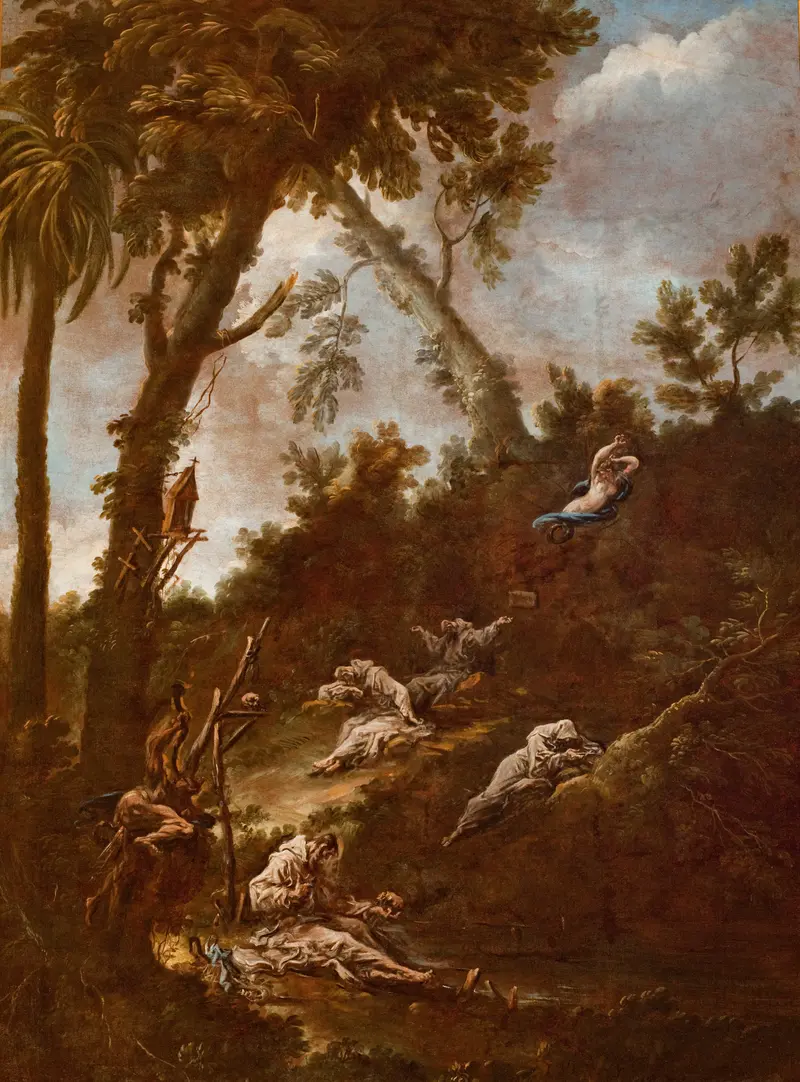
Hermits (Anachorets)
Alessandro Magnasco
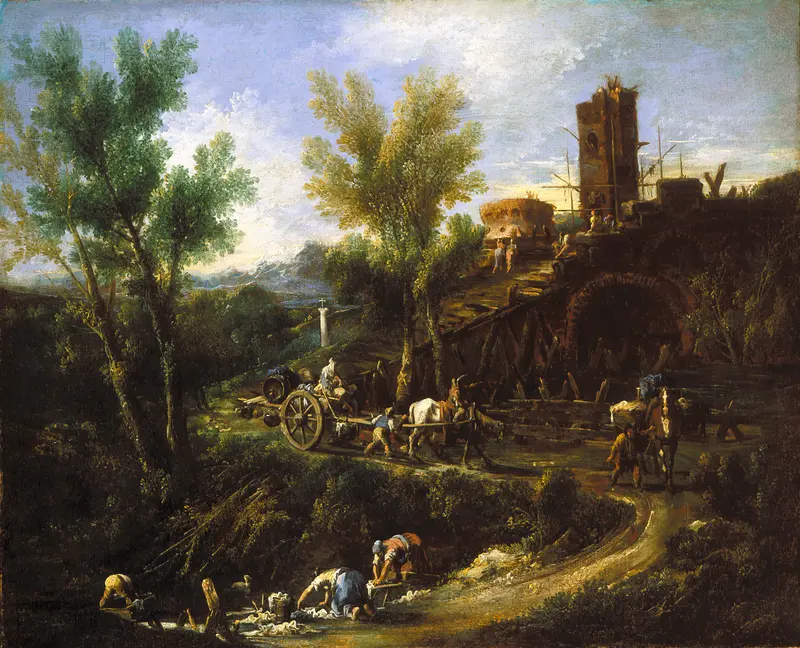
Landscape with Gypsies and Washerwomen
Alessandro Magnasco
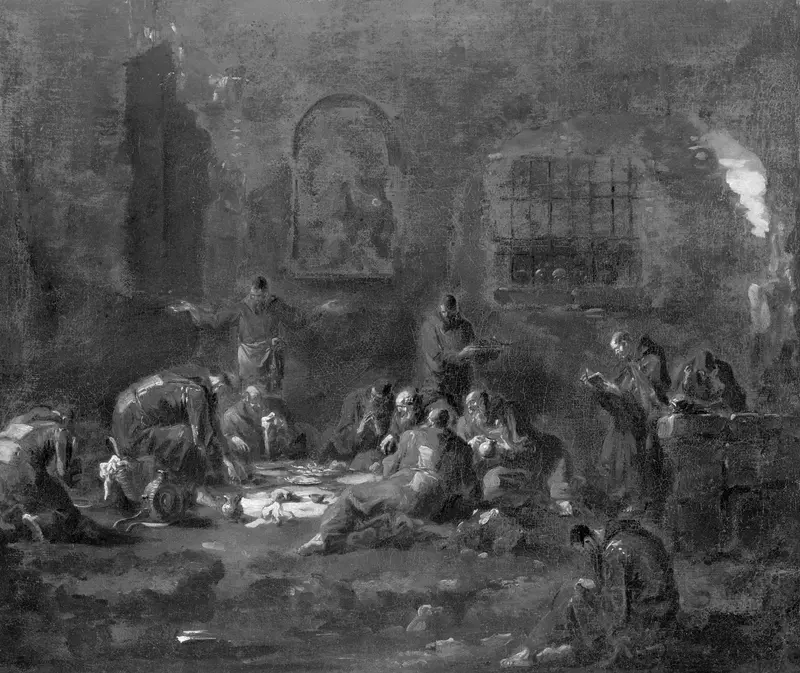
Monks at Supper
Alessandro Magnasco
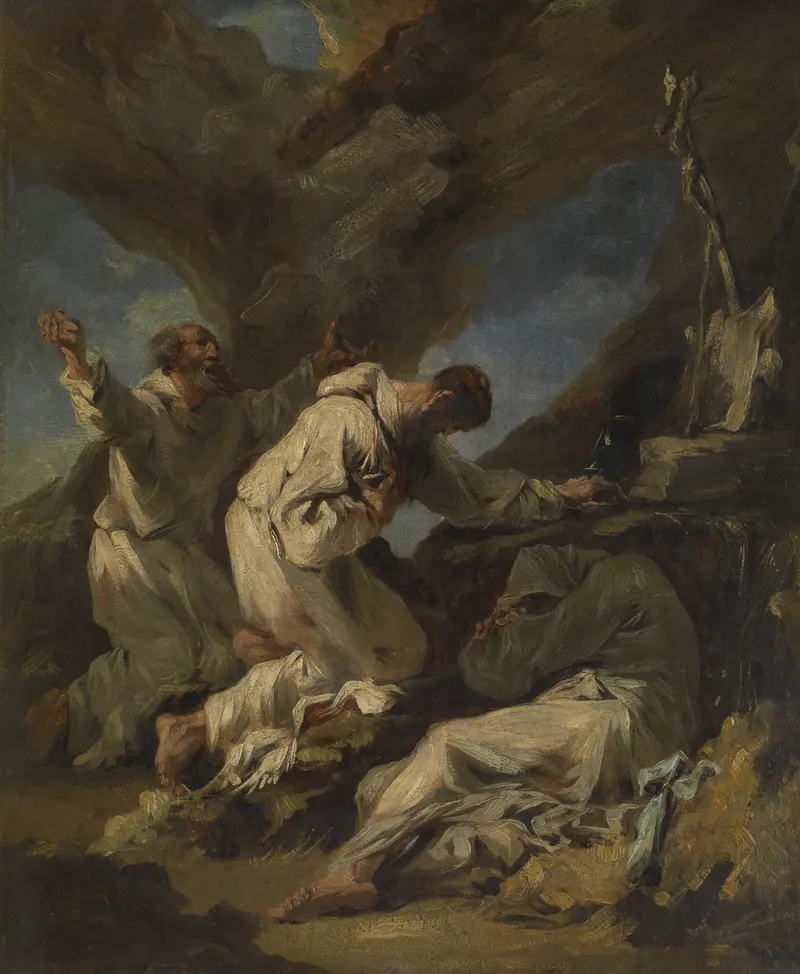
Praying Monks
Alessandro Magnasco
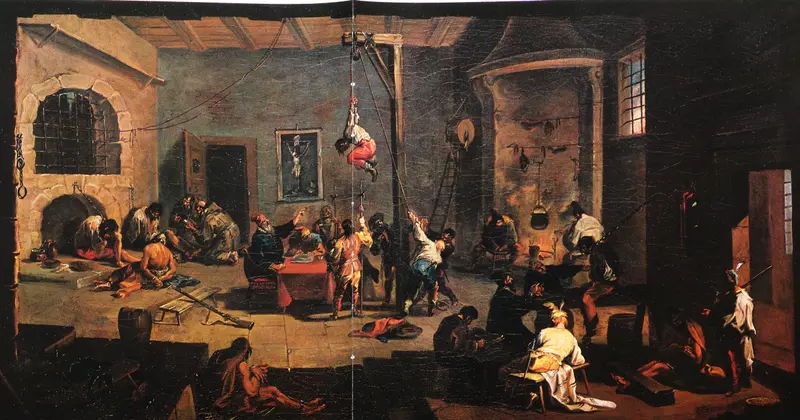
Torture Scene
Alessandro Magnasco
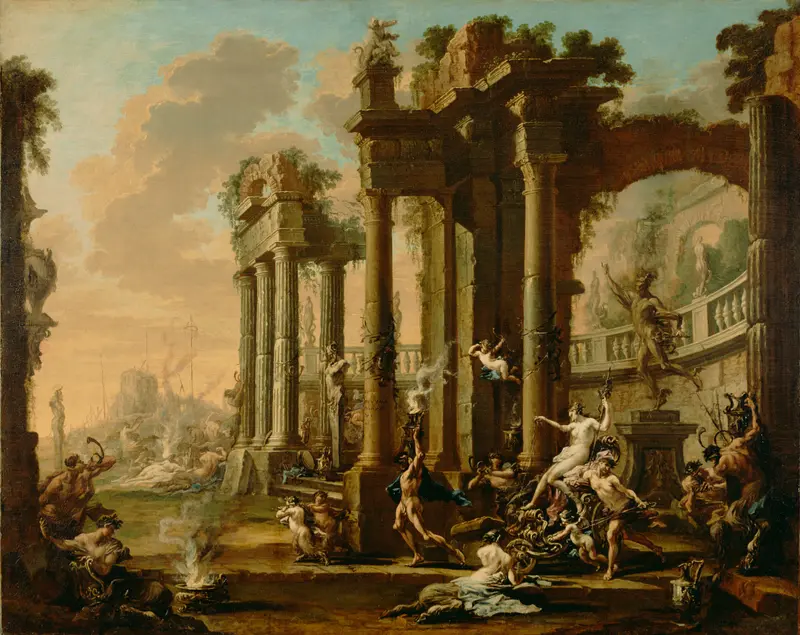
The Triumph of Venus
Alessandro Magnasco
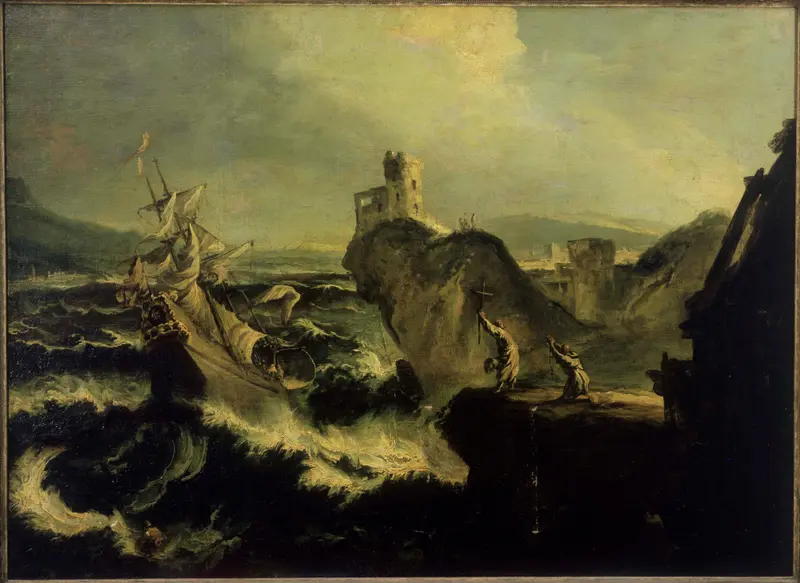
The Shipwreck
Alessandro Magnasco
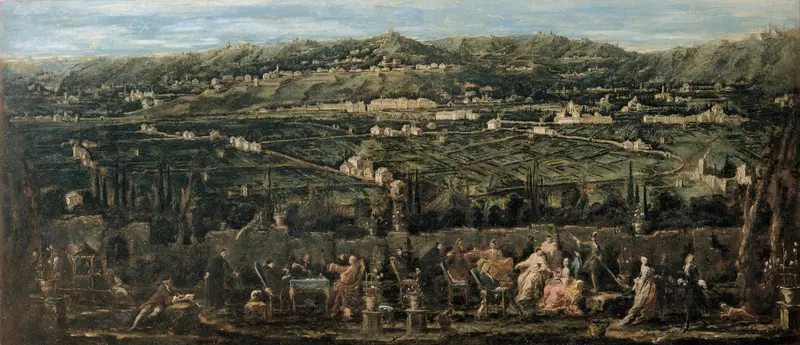
Garden Party in Albaro
Alessandro Magnasco
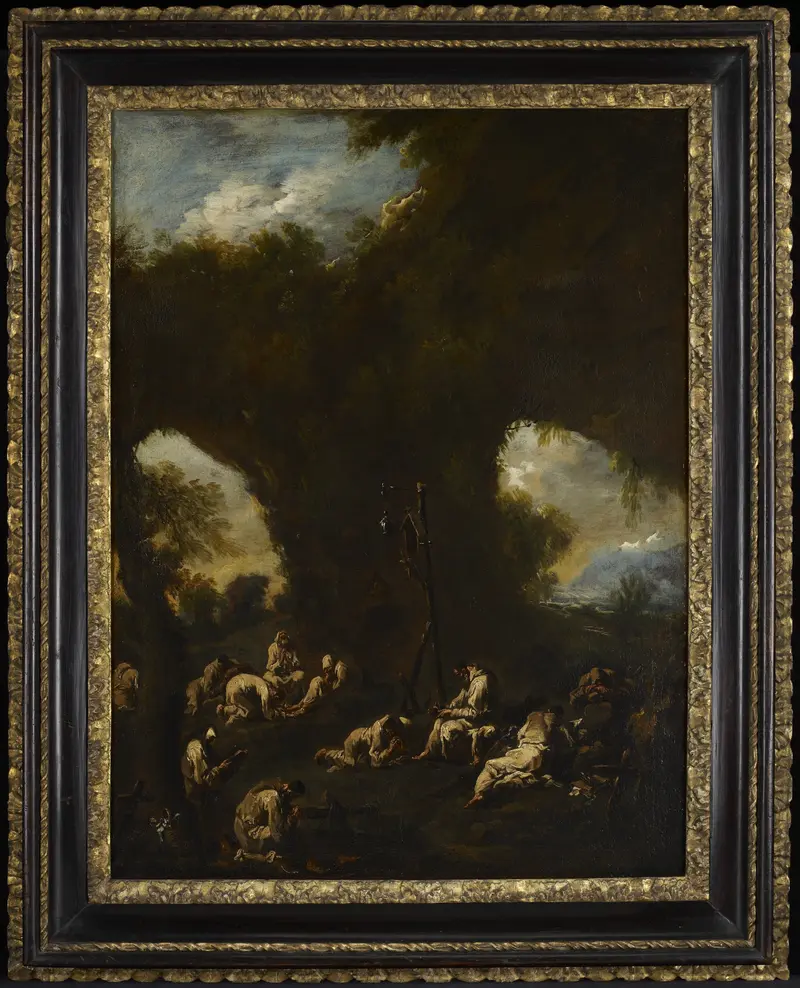
Monks Praying in a Grotto
Alessandro Magnasco
More Genre Scene Art

Banquet of the Officers of the St George Civic Guard
Frans Hals

Rembrandt and Saskia in the Scene of the Prodigal Son
Rembrandt van Rijn

Bal du moulin de la Galette
Pierre-Auguste Renoir

Quadrille at the Moulin Rouge
Henri de Toulouse-Lautrec

A Burial at Ornans
Gustave Courbet

When Will You Marry?
Paul Gauguin