
A Song of Springtime — History & Facts
What first catches the eye in A Song of Springtime is the way the central figure’s gaze seems to drift beyond the frame, inviting viewers to wonder what she sees—or remembers—just out of sight. Her white dress, gathered to cradle a bounty of fresh-picked flowers, becomes both a vessel and a stage: a handful of yellow and blue blooms are not merely gathered, but displayed, as if the act of collecting is itself a celebration. Around her, children bend to their own tasks, absorbed in the ritual of spring, their gestures echoing the gentle awakening of the landscape.
The trees, delicately dusted with blossoms, arch overhead, their pale pinks and whites framing the figures and leading the eye out toward the distant, sunlit water. The palette is soft but alive, the brushwork loose enough to let the air move between the branches, the grass, and the skin. Painted in 1913, this work belongs to the late flowering of John William Waterhouse’s career, where echoes of Pre-Raphaelite ideals mingle with a new, lighter touch. By this time, the world around Waterhouse was changing rapidly, but his paintings held fast to a vision of beauty rooted in myth, poetry, and the cycles of nature.
Scenes like this—half-classical, half-imagined—were cherished by collectors who longed for escape from the industrial city and the anxieties of modern life. History has kept few traces of this particular canvas’s early journey, but its presence in a modern collection reminds us how the longing for spring, and for innocence, persists. Let your eye return to the details: the tilt of a child’s head, the breeze in the folds of cloth, the promise of renewal in every petal.
More Artworks by John William Waterhouse
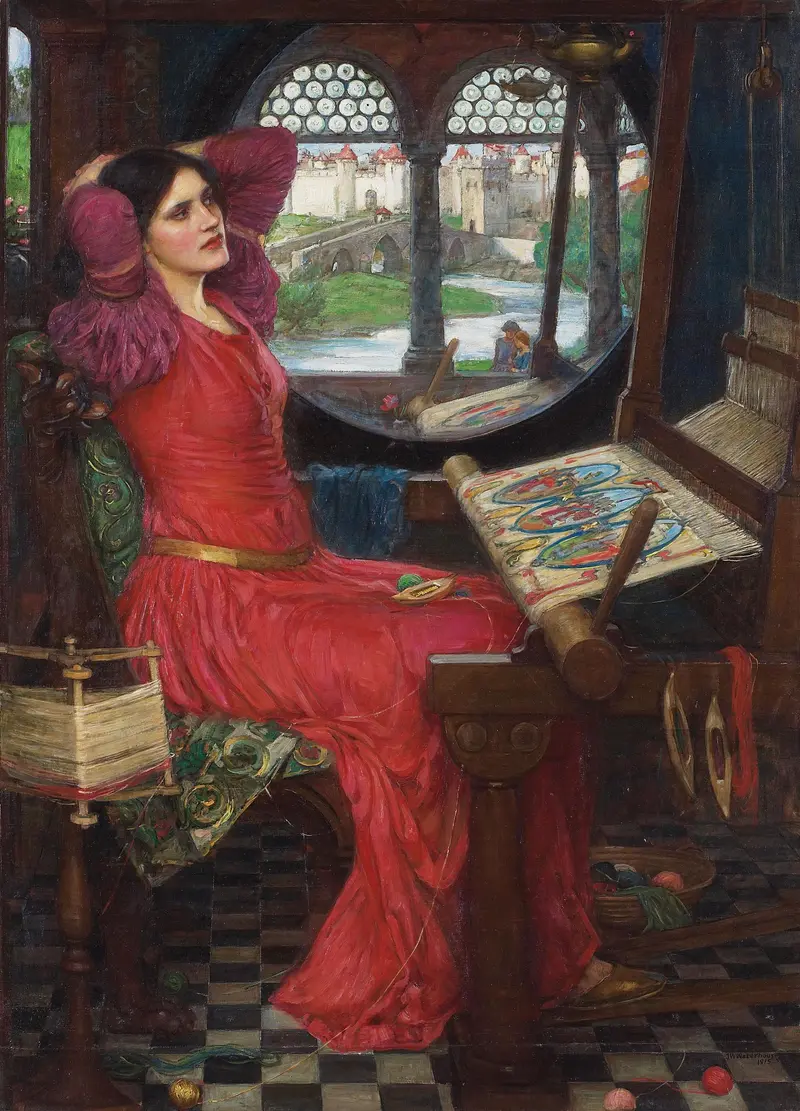
'I Am Half-Sick of Shadows,' Said the Lady of Shalott
John William Waterhouse

The Favourites of the Emperor Honorius, 1883
John William Waterhouse
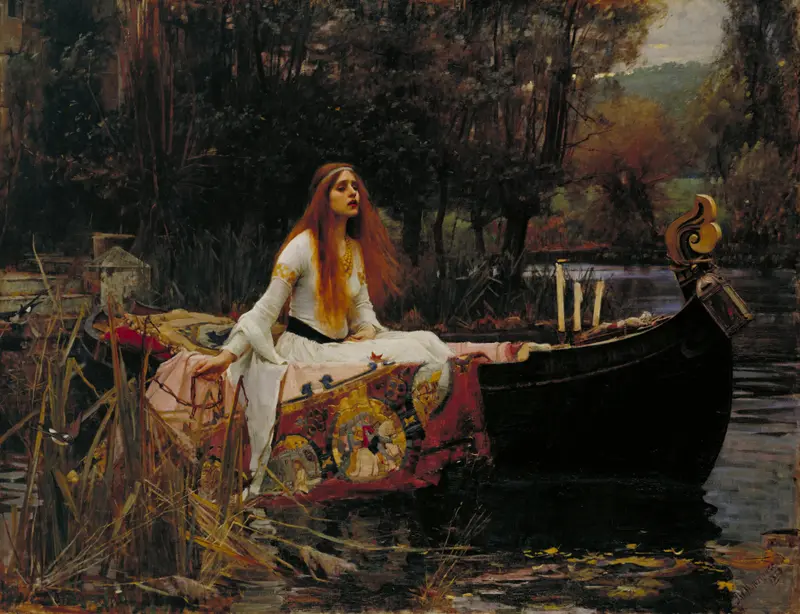
The Lady of Shalott
John William Waterhouse
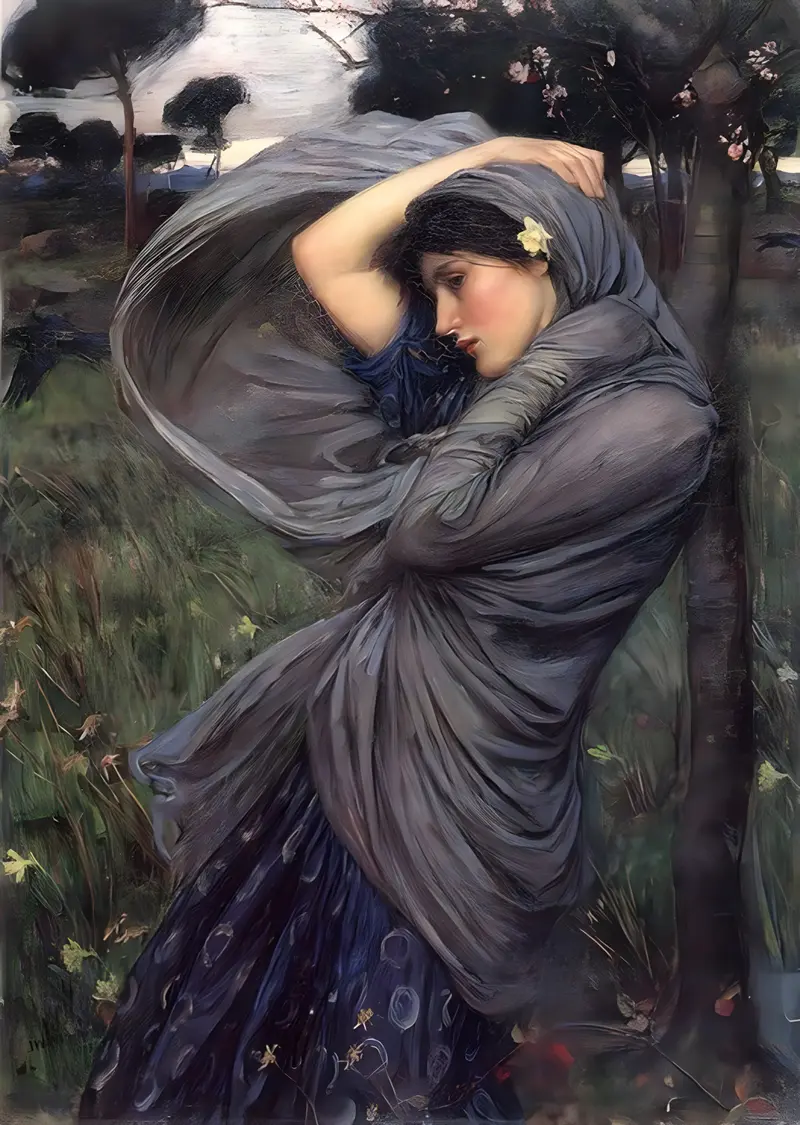
Boreas
John William Waterhouse
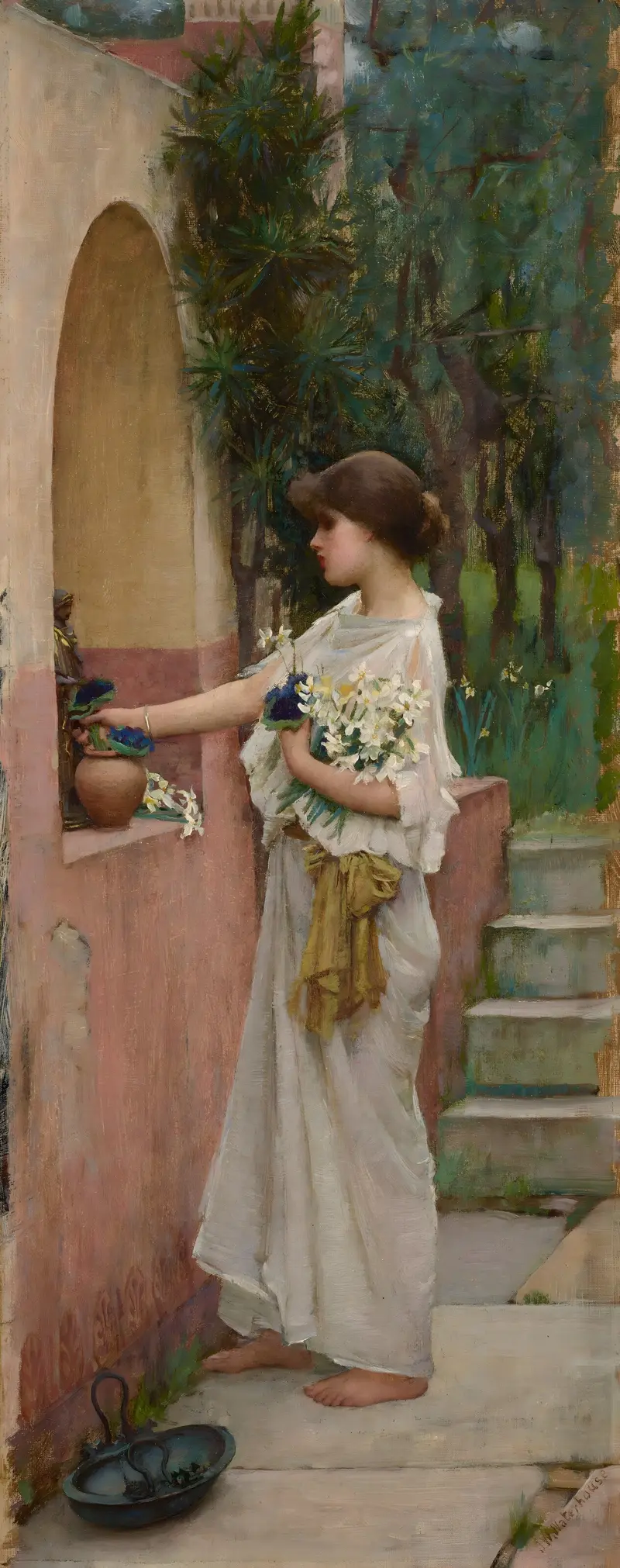
A Roman Offering
John William Waterhouse
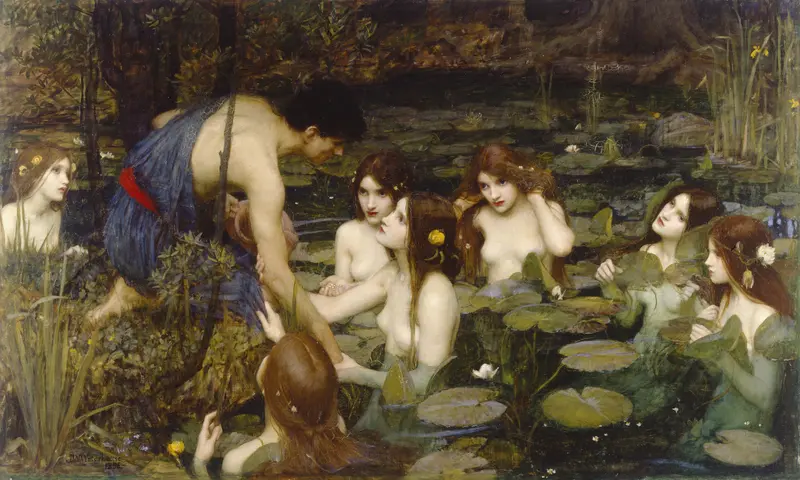
Hylas and the Nymphs
John William Waterhouse
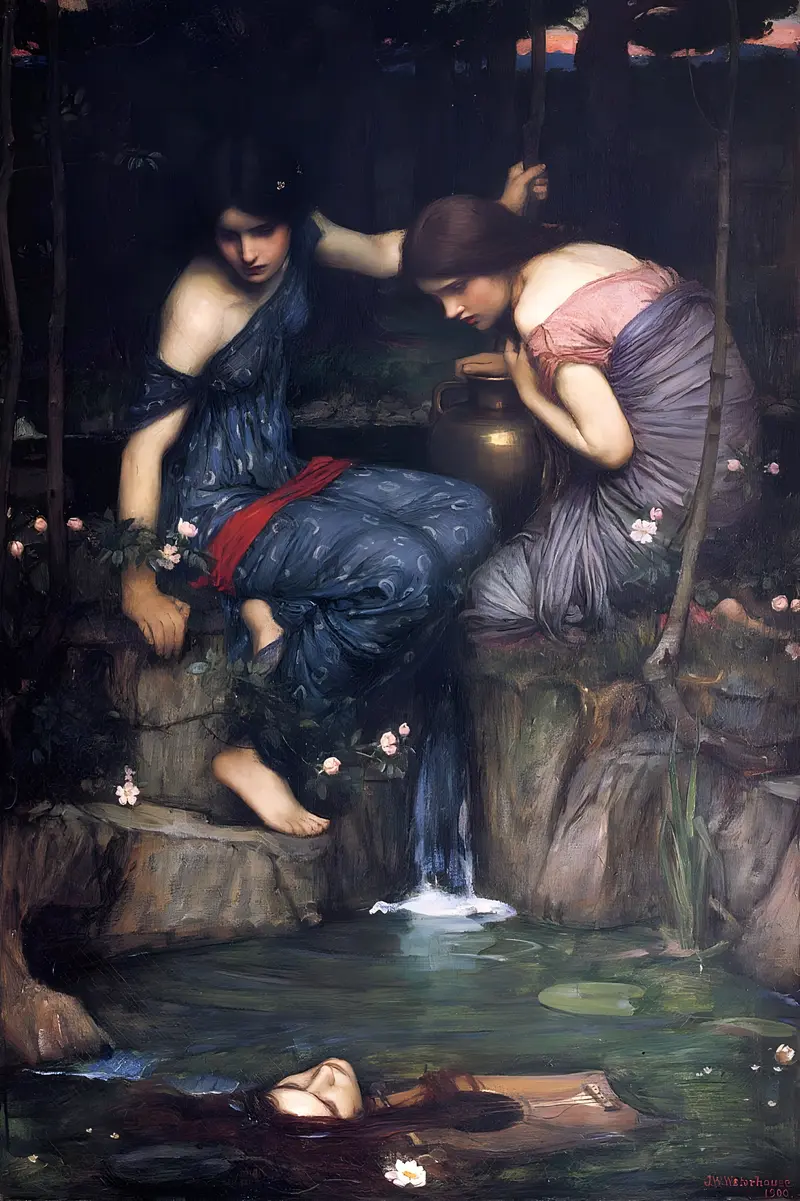
Nymphs Finding the Head of Orpheus
John William Waterhouse
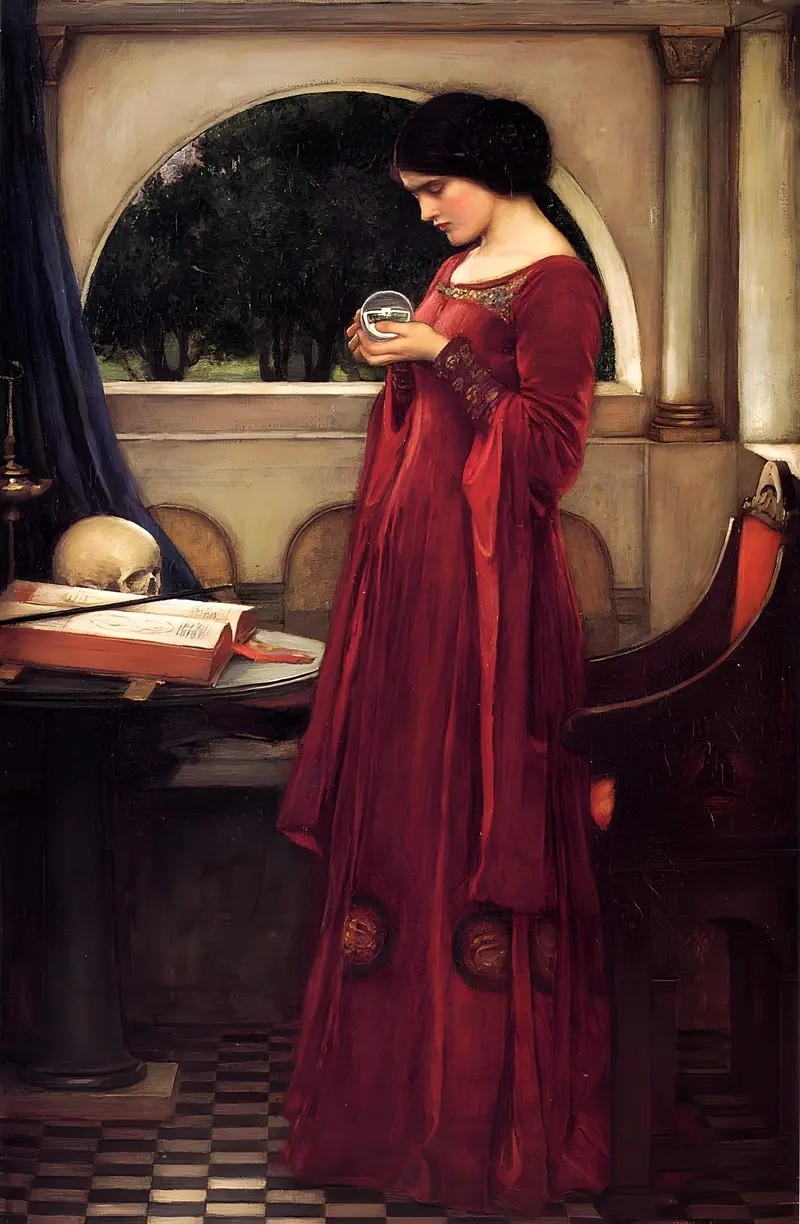
The Crystal Ball
John William Waterhouse
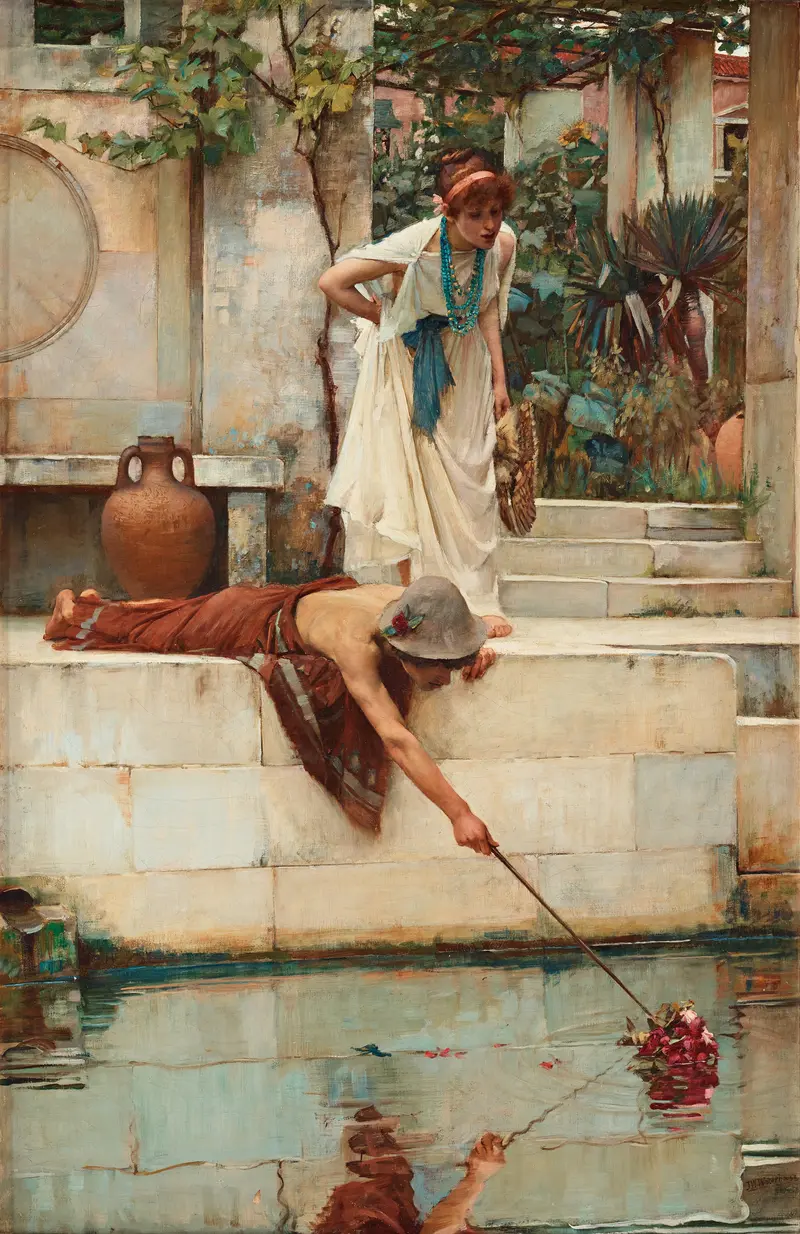
The Rescue
John William Waterhouse
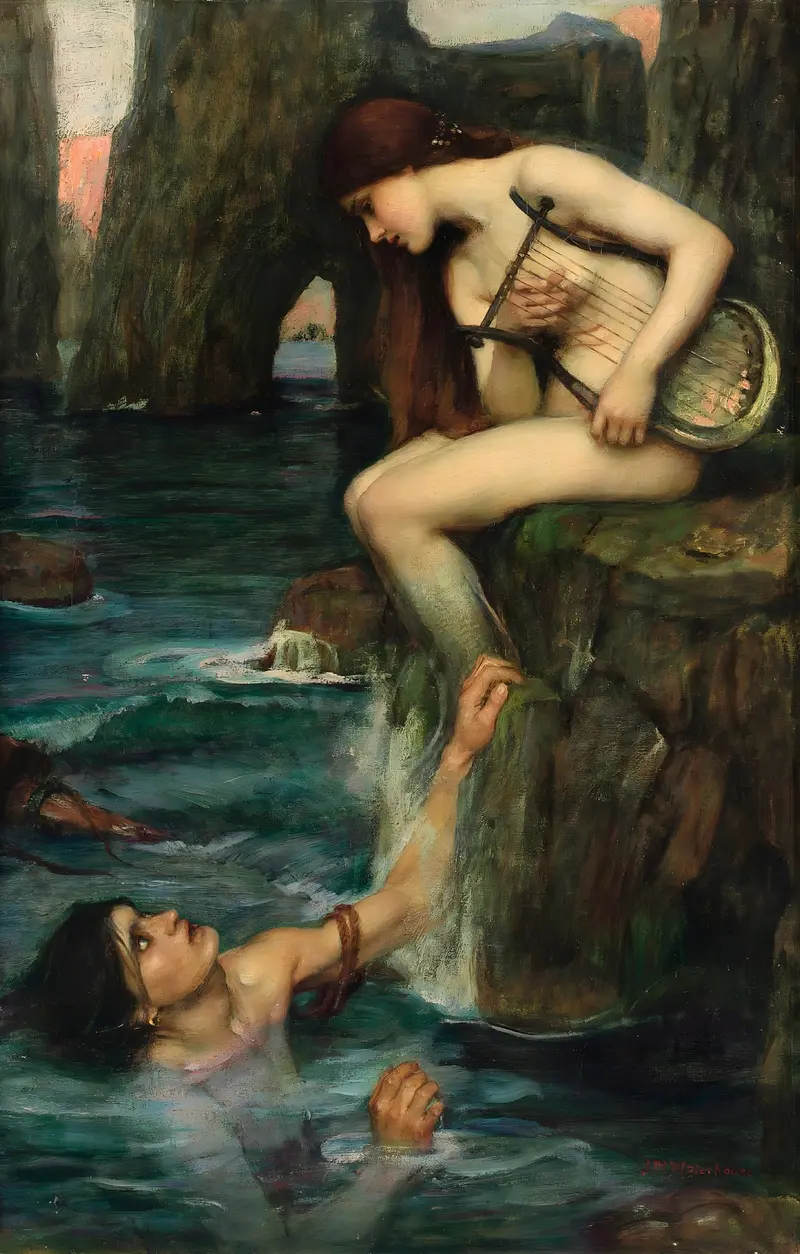
The Siren, 1900
John William Waterhouse
More Genre Scene Art

Banquet of the Officers of the St George Civic Guard
Frans Hals

Rembrandt and Saskia in the Scene of the Prodigal Son
Rembrandt van Rijn

Bal du moulin de la Galette
Pierre-Auguste Renoir

Quadrille at the Moulin Rouge
Henri de Toulouse-Lautrec

A Burial at Ornans
Gustave Courbet

When Will You Marry?
Paul Gauguin