
A Study for 'Une Baignade' — History & Facts
When Georges Seurat began work on A Study for 'Une Baignade' in 1883, he was only twenty-four and largely unknown, yet this modest study would lay the groundwork for one of the most influential paintings of the late nineteenth century. The final version, Une Baignade, Asnières, would become a cornerstone of the Post-Impressionist movement, but here we glimpse Seurat’s process—the careful planning and experimentation that would soon lead to his radical technique of pointillism. What makes this study especially fascinating is its rarity: few preparatory works survive that show Seurat’s transition from academic tradition to the scientific color theories that would define his mature style. The scene Seurat chose is a quiet afternoon along the Seine, where young men lounge and bathe in the summer heat, their bodies relaxed and unselfconscious.
In this study, the figures are loosely defined, their forms emerging from broad, luminous strokes rather than the precise dots of color Seurat would later adopt. The riverbank, the shimmering water, and the distant factories are all present, yet softened, as if seen through a haze. The composition’s calm geometry—the way the figures recline or gaze into the distance—suggests a modern, everyday ritual, far from the mythological bathers of Pierre-Auguste Renoir or the classical nudes of Jean-Auguste-Dominique Ingres.
Here, leisure itself becomes a subject worthy of monumental art. As an object, A Study for 'Une Baignade' has remained somewhat in the shadows, often overshadowed by the finished canvas now in the National Gallery, London. The medium of the study is not definitively known, though scholars believe it to be oil on panel or canvas, typical of Seurat’s preparatory works. Its whereabouts have shifted over the years, passing through private collections before entering the public eye.
Today, it stands as a testament to Seurat’s experimental spirit at a pivotal moment in his career, capturing the genesis of a new way of seeing and painting modern life.
More Artworks by Georges Seurat
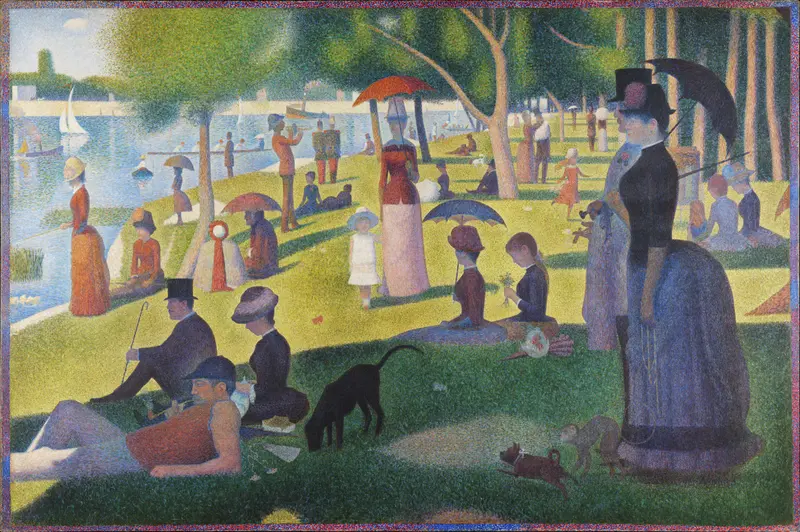
A Sunday Afternoon on the Island of La Grande Jatte
Georges Seurat
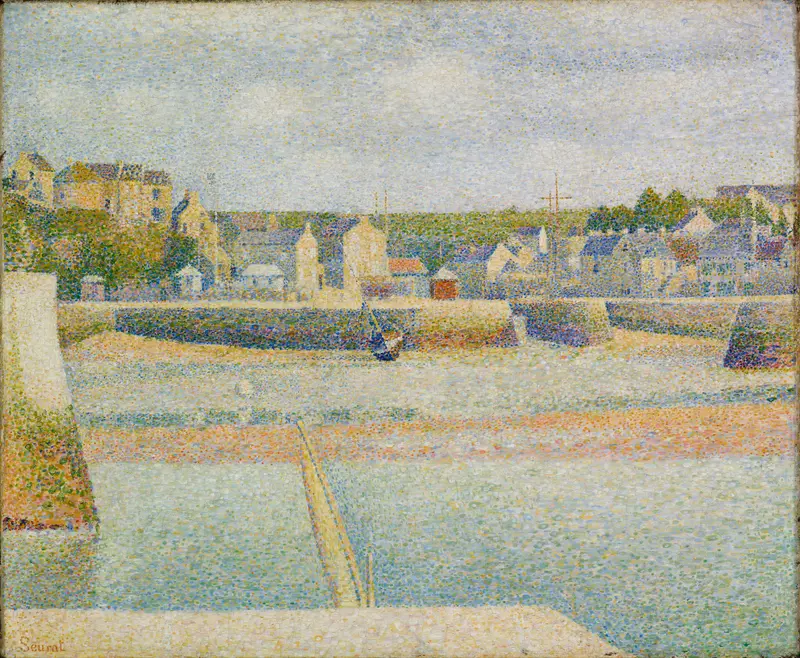
Port-en-Bessin, The Outer Harbor (Low Tide)
Georges Seurat
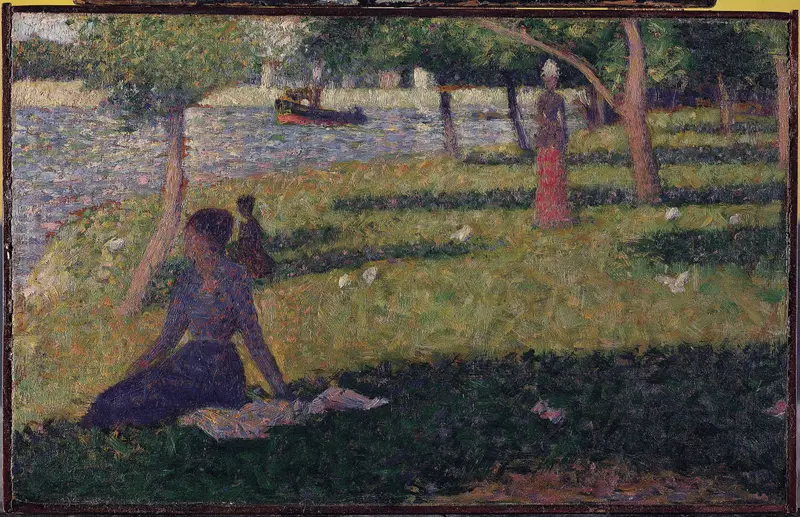
Étude pour ‘La Grande Jatte’ (Study for ‘La Grande Jatte’)
Georges Seurat
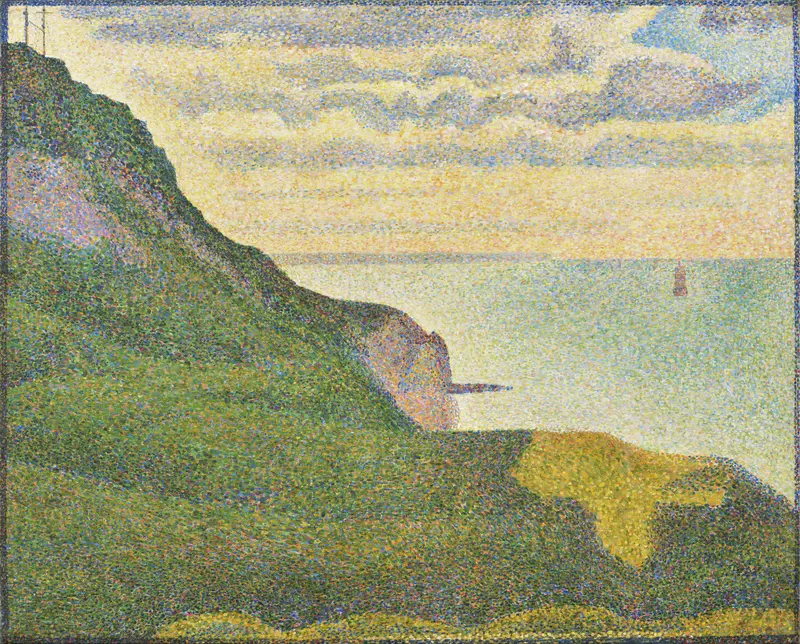
Seascape at Port-en-Bessin,Normandy
Georges Seurat
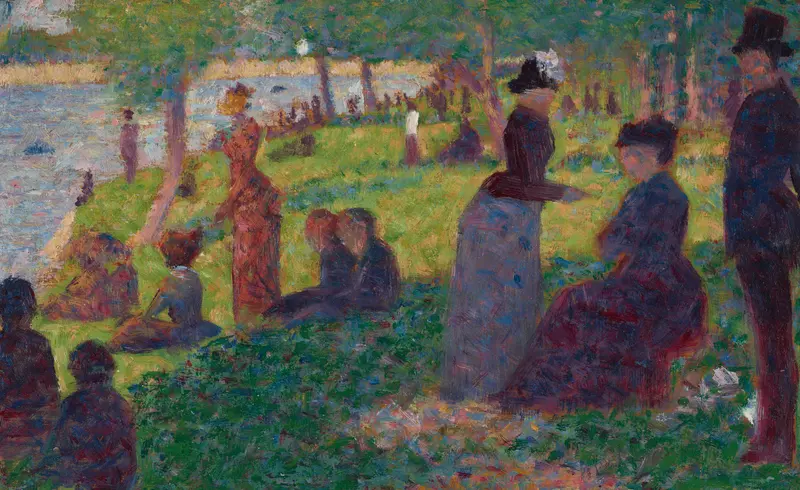
Oil Sketch for "A Sunday on La Grande Jatte — 1884"
Georges Seurat
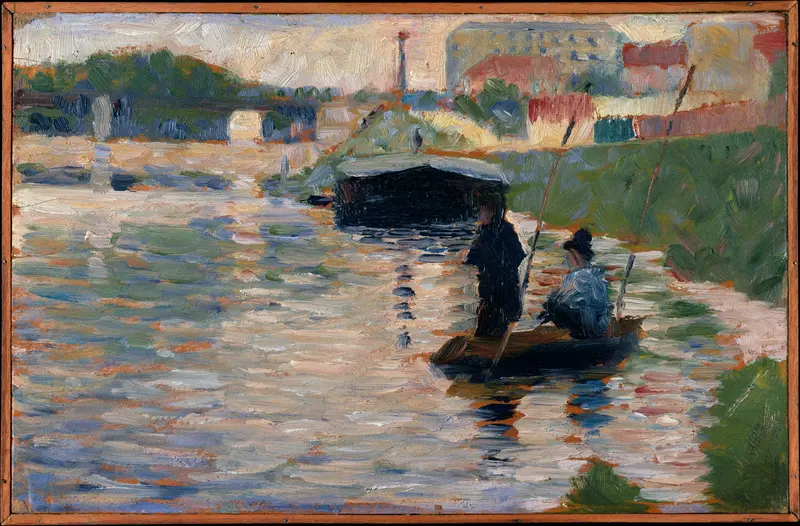
View of the Seine
Georges Seurat
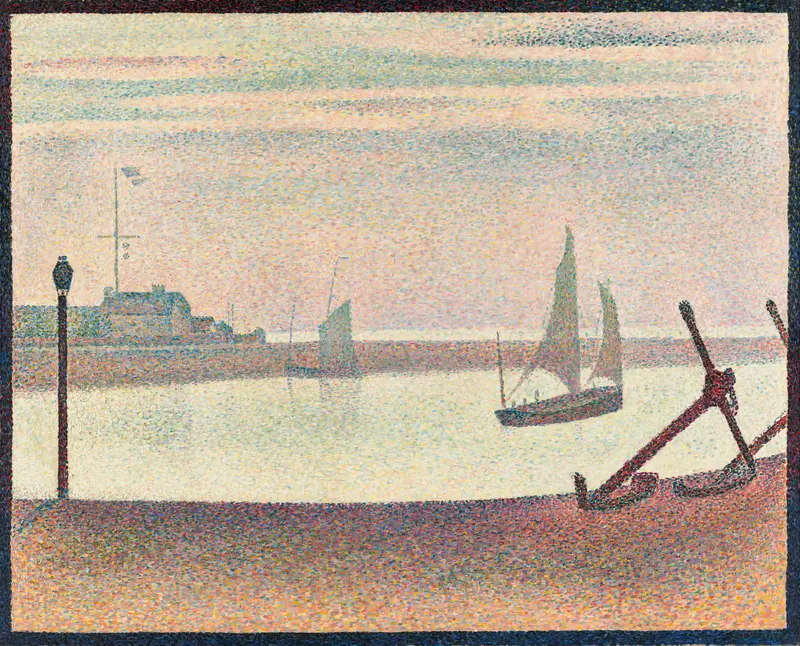
The Channel at Gravelines, Evening
Georges Seurat
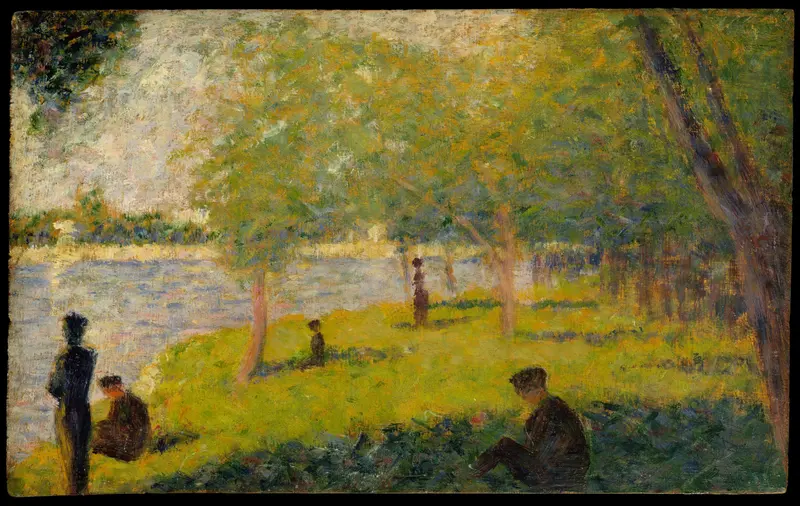
Study for ‘A Sunday on La Grande Jatte’
Georges Seurat
Study for A Sunday on La Grande Jatte
Georges Seurat
The Channel of Gravelines, Petit Fort Philippe
Georges Seurat
More Genre Scene Art

Banquet of the Officers of the St George Civic Guard
Frans Hals

Rembrandt and Saskia in the Scene of the Prodigal Son
Rembrandt van Rijn

Bal du moulin de la Galette
Pierre-Auguste Renoir

Quadrille at the Moulin Rouge
Henri de Toulouse-Lautrec

A Burial at Ornans
Gustave Courbet

When Will You Marry?
Paul Gauguin