
Abdul Karim in Green Coat — History & Facts
What first catches the eye in Abdul Karim in Green Coat is the electric tension between the sitter’s steady gaze and the riot of color that surrounds him. The coat, thick and heavy, is rendered in deep, swirling greens and ochres, its folds almost sculpted by the brush. Against this, the background explodes in shades of rose and magenta, a field of color that refuses to recede politely behind the figure.
The man’s hat casts a shadow across his brow, but his eyes hold the viewer, alive with a quiet self-possession. Munch’s strokes are loose, almost impatient, but the sitter’s presence is unmistakably solid—he will not be lost in the swirl. Painted between 1916 and 1917, this portrait emerges from a period when Edvard Munch was exploring the psychological depths of his subjects, often using bold color and expressive line to convey mood rather than likeness alone. Portraits like this, especially of sitters whose stories remain obscure, remind us how much of art’s history is shaped by what is not recorded: we know only that Abdul Karim modeled for Munch, and little else.
In early twentieth-century Europe, portraits of individuals of African descent by major artists were rare, and their histories often went unrecorded. This work, now in the collection of the Munchmuseet, stands as a vivid fragment of both artistic experiment and the untold stories that haunt the edges of modern portraiture. The sitter’s directness invites us to look again, and to wonder what more the painting might reveal.
More Artworks by Edvard Munch

The Scream
Edvard Munch

The Scream (1910 version)
Edvard Munch

Despair
Edvard Munch

The Day After
Edvard Munch
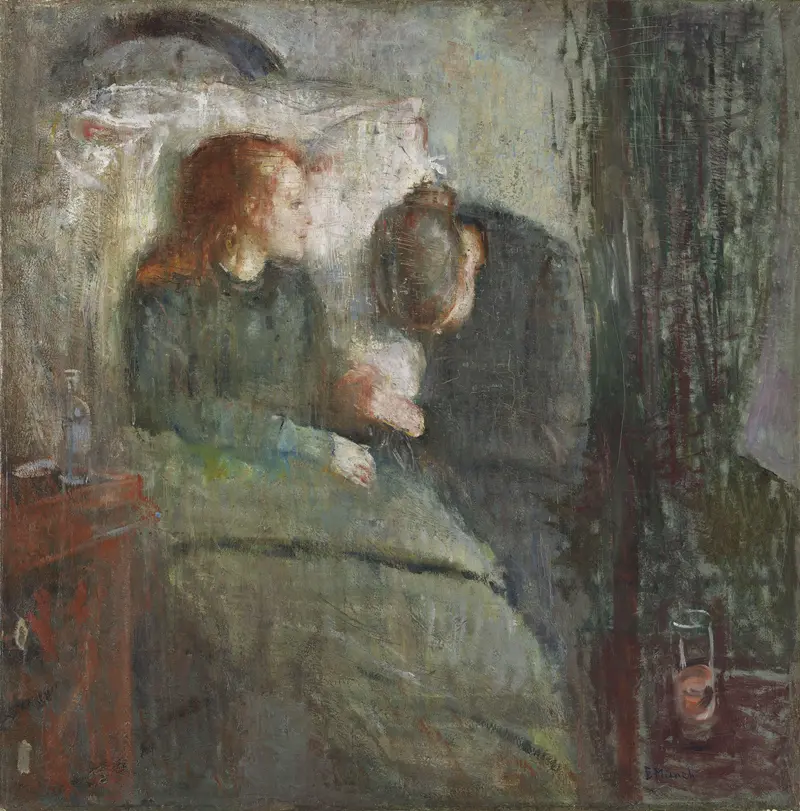
The Sick Child
Edvard Munch
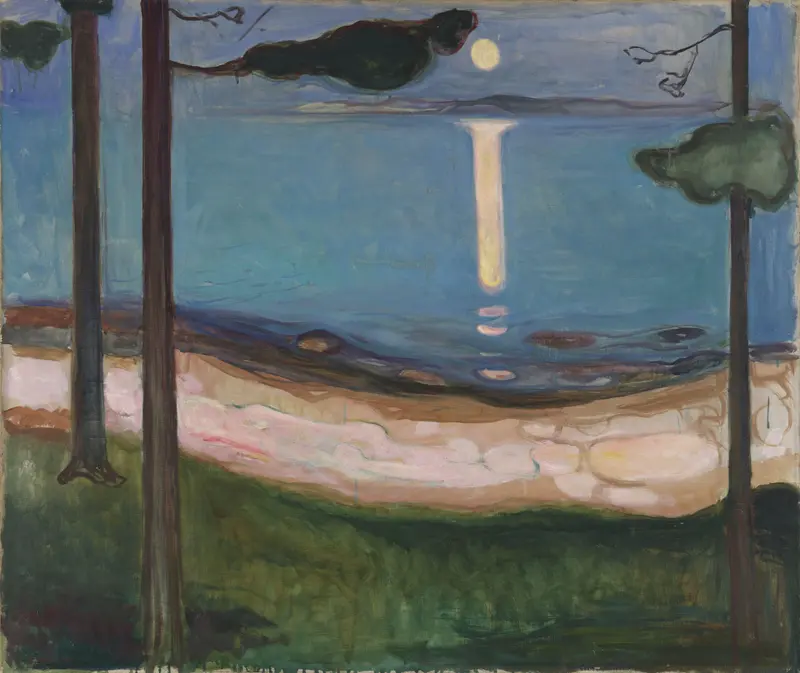
Moonlight
Edvard Munch
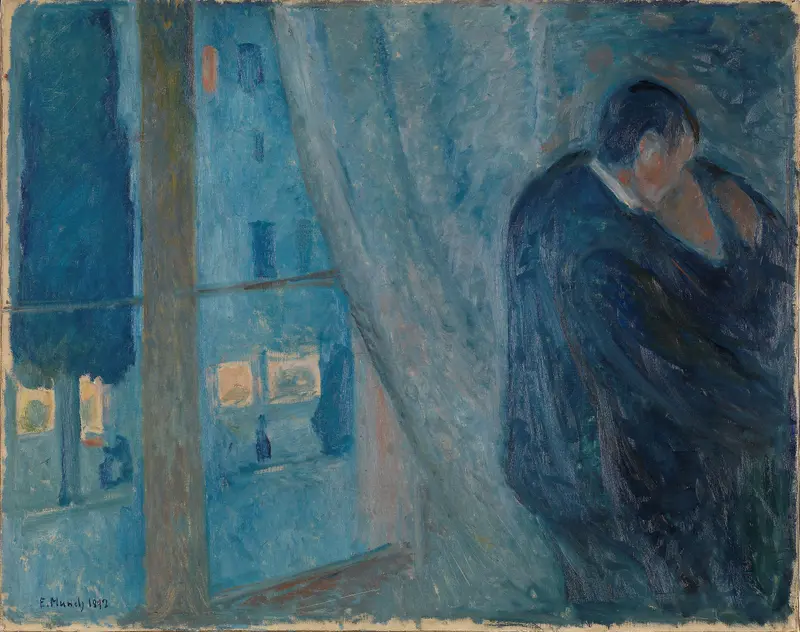
The Kiss
Edvard Munch
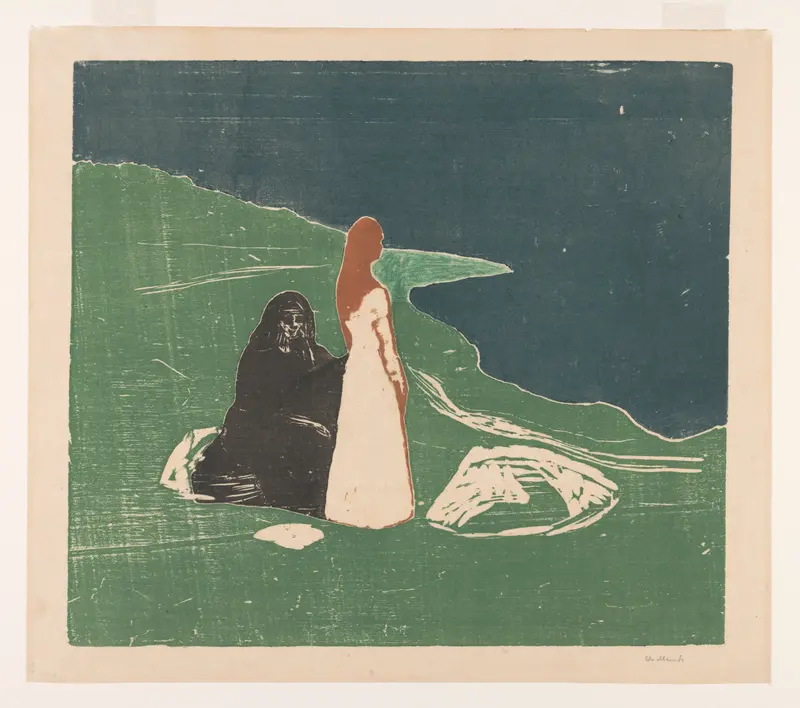
Two Women on the Shore
Edvard Munch
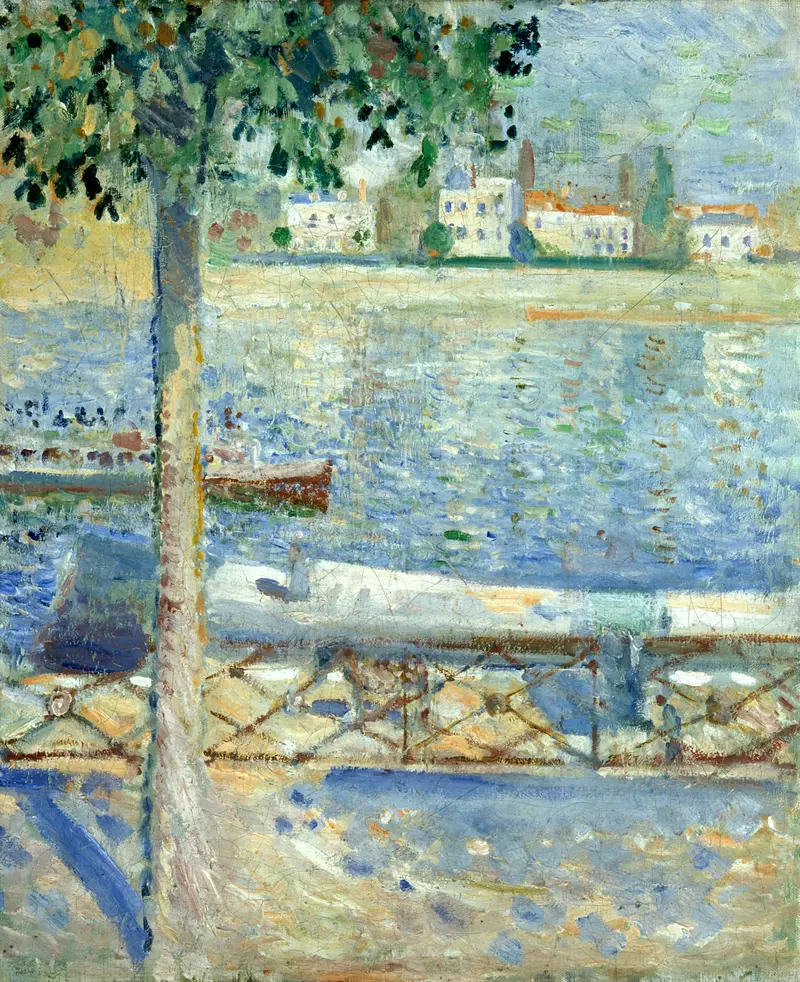
The Seine At Saint-Cloud
Edvard Munch
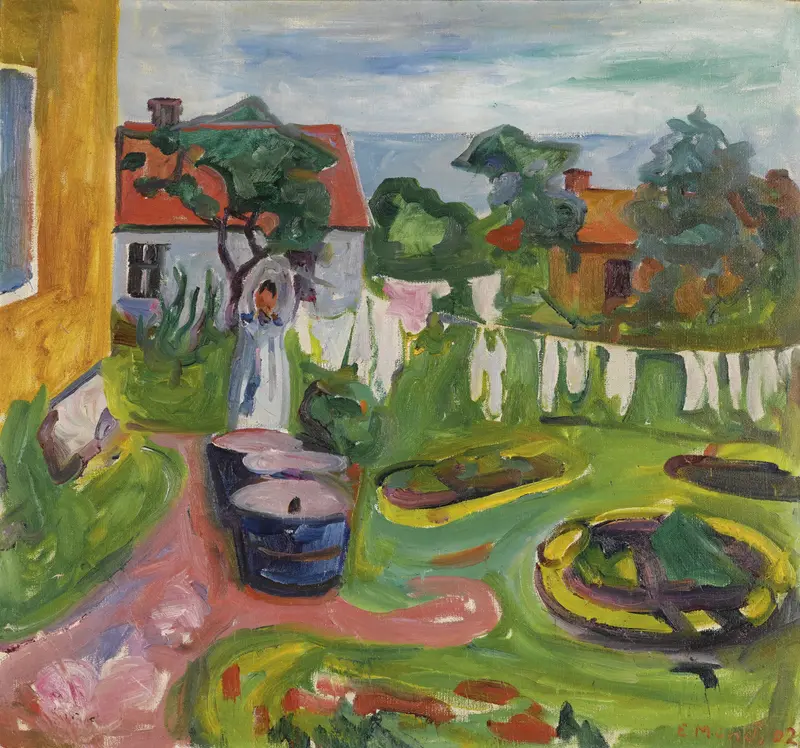
Klestørk I Åsgårdstrand (Clothes On A Line In Åsgårdstrand)
Edvard Munch





