
Adam and Eve — History & Facts
A single, forbidden gesture electrifies the center of this painting: the hand of Eve, caught in the act of offering the fruit to Adam. The artist, Jean-François de Troy, chooses not the moment of temptation, nor the aftermath of shame, but the instant of complicity—when innocence and knowledge hang in the balance. The figures, bathed in a warm, golden light, seem almost to glow against the shadowed foliage, their bodies rendered with a softness that belies the gravity of the scene.
The serpent, coiled and alert, is not hidden but displayed, its gaze fixed on the unfolding drama, a reminder that this is a story of choice as much as consequence. Painted in 1718, this Adam and Eve emerges from the world of early eighteenth-century France, when religious narratives were still central to art, but the sensuousness of the Rococo was beginning to transform biblical subjects. Such works were often commissioned for private contemplation or as moral exemplars, yet here the lushness of the setting and the delicate modeling of flesh suggest a dual purpose: to instruct, yes, but also to delight the eye. The Dallas Museum of Art now holds this painting, a testament to how even familiar stories were reimagined by artists seeking to balance faith, beauty, and the ever-present allure of the forbidden.
The longer you look, the more the painting invites you to linger at that dangerous threshold—just before paradise is lost.
More Artworks by Jean-François de Troy
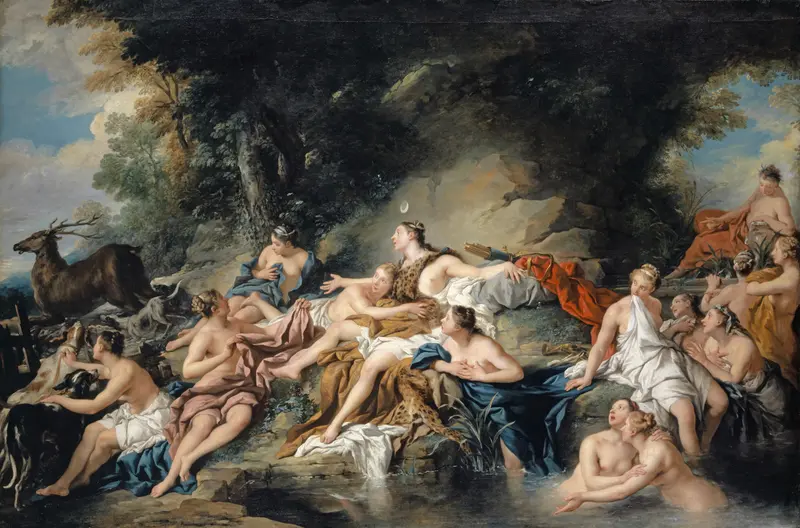
Diana and Actaeon
Jean-François de Troy
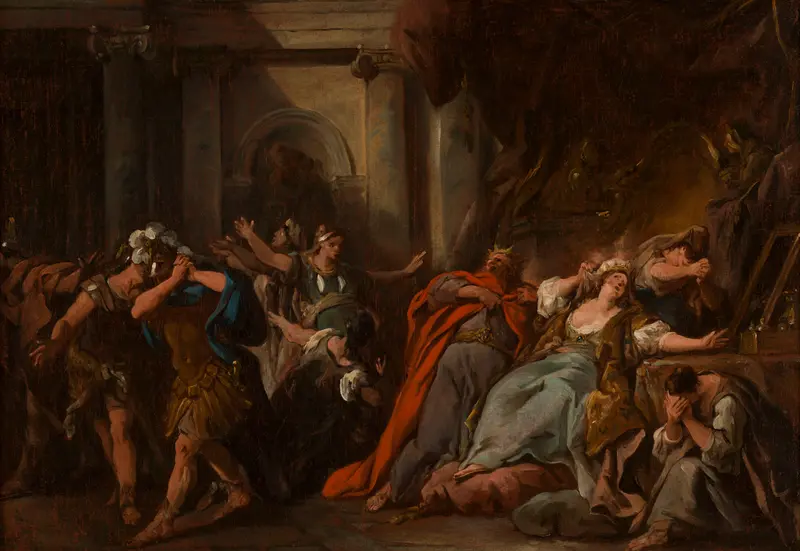
Créüse consumée par la robe empoisonnée
Jean-François de Troy
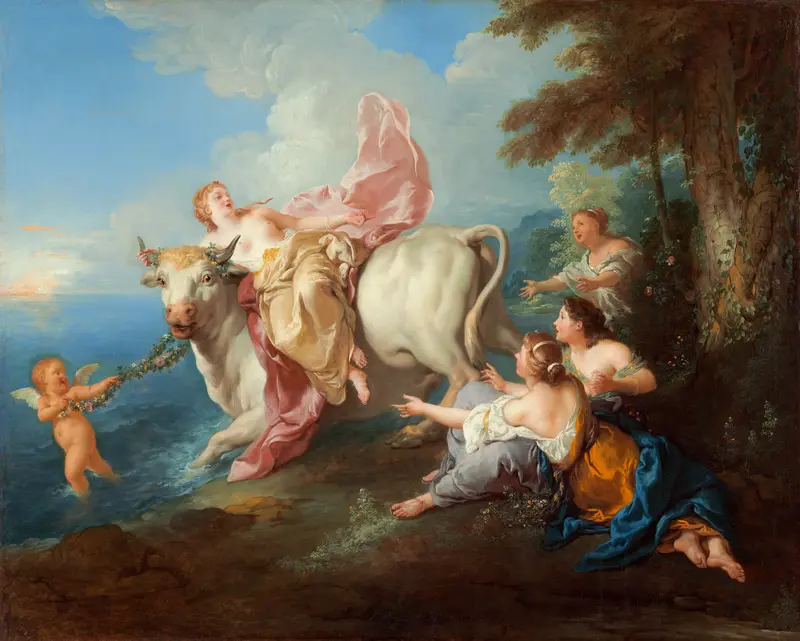
The Abduction of Europa
Jean-François de Troy
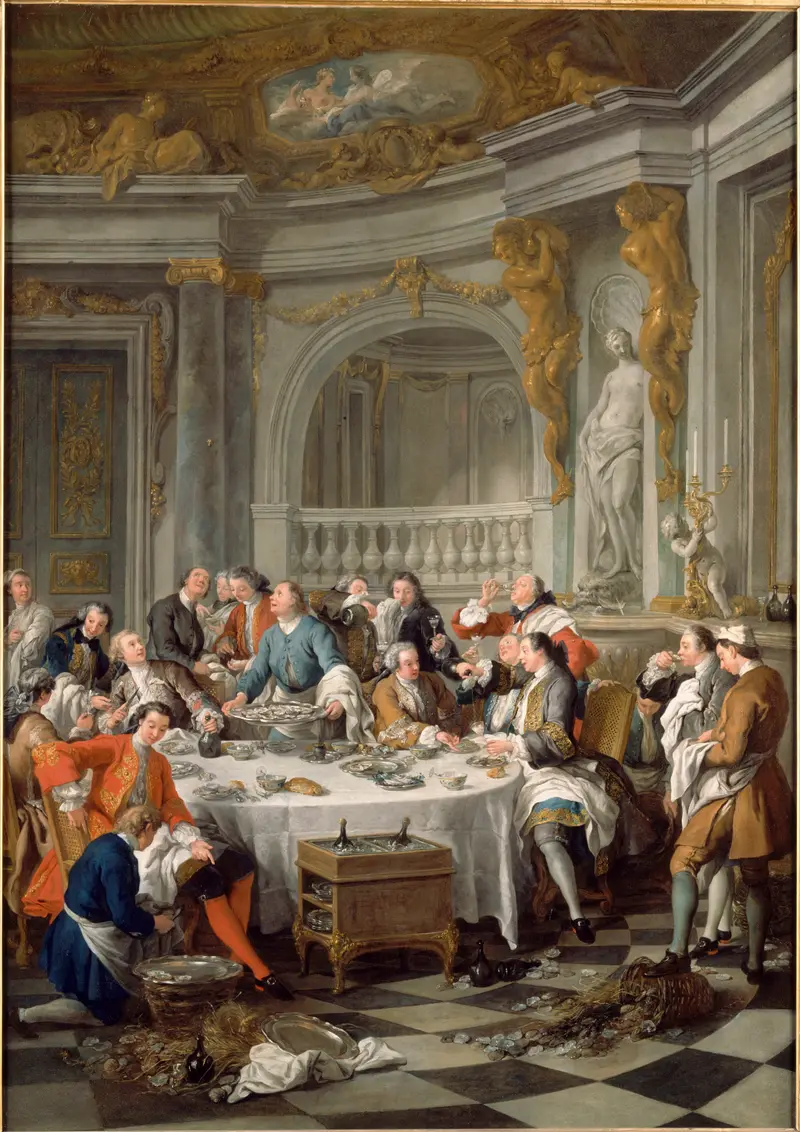
The Lunch of Oysters
Jean-François de Troy
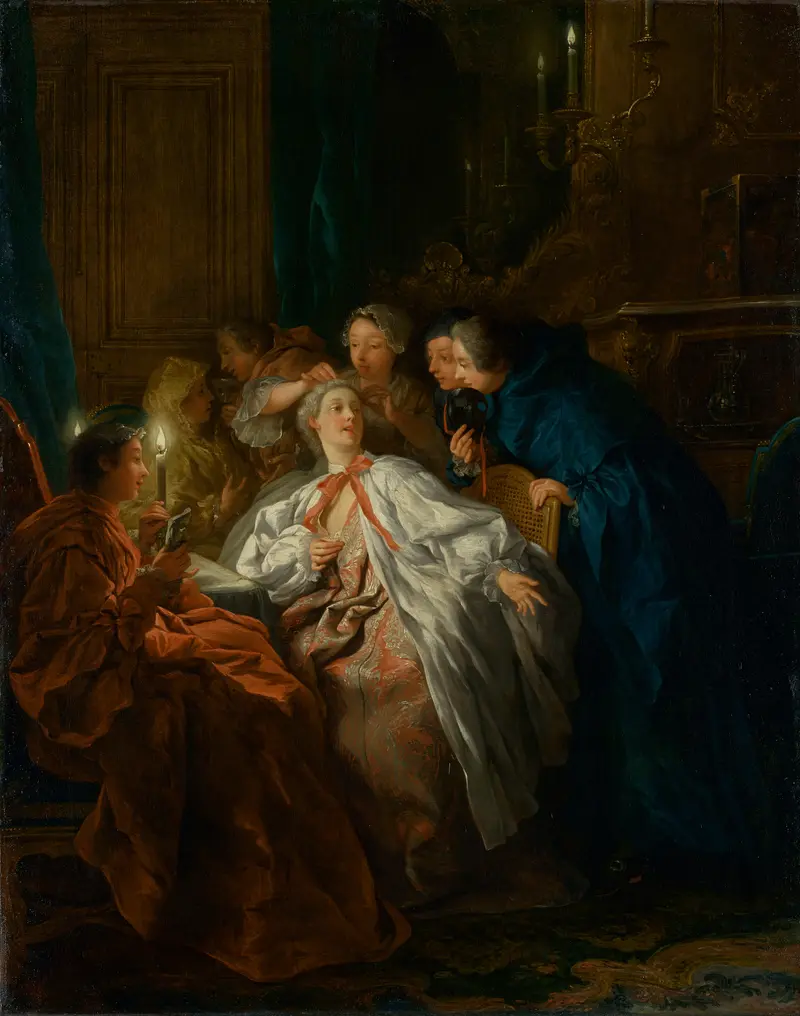
Before the Ball
Jean-François de Troy
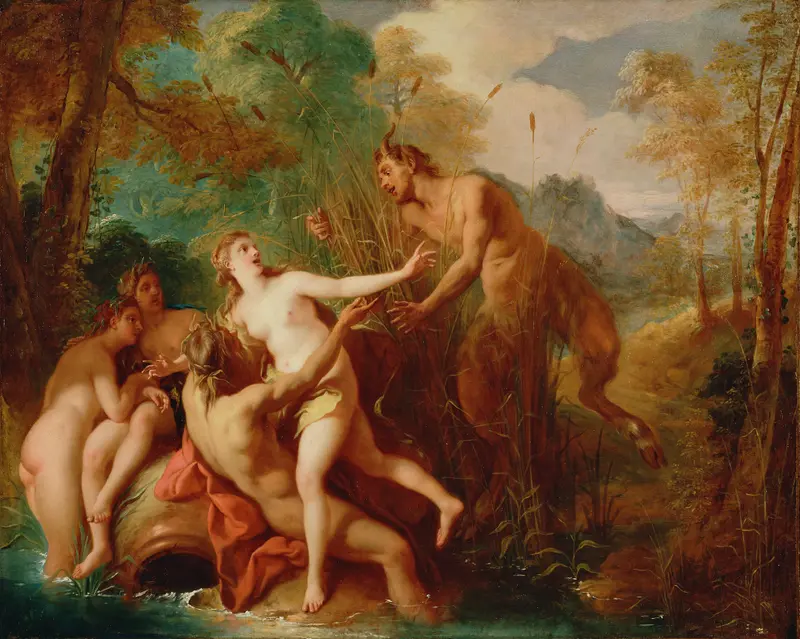
Pan and Syrinx
Jean-François de Troy

Le Combat des soldats nés des dents du serpent
Jean-François de Troy
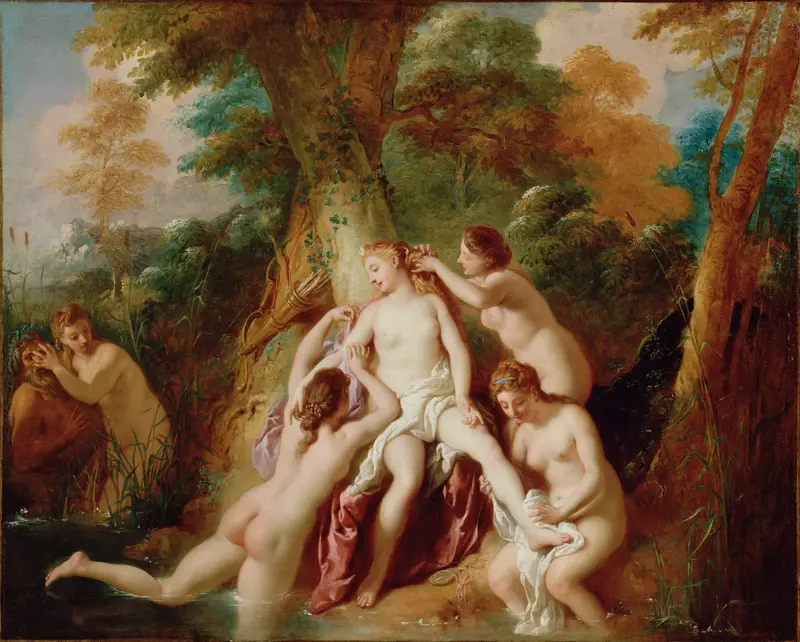
Diana and Her Nymphs Bathing
Jean-François de Troy
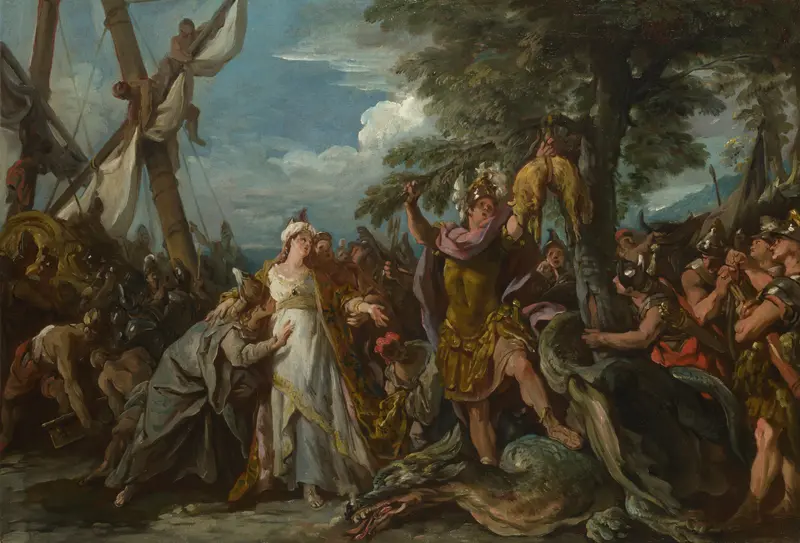
The Capture of the Golden Fleece
Jean-François de Troy
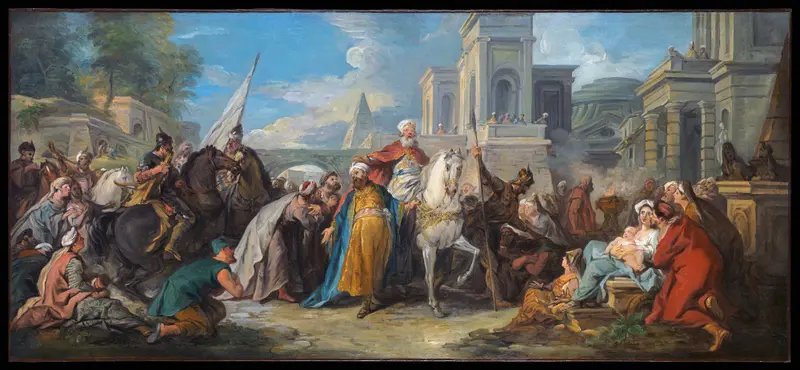
The Triumph of Mordecai
Jean-François de Troy





