
After the Storm — History & Facts
Could beauty survive in a century of chaos? In After the Storm, the lush landscape offers a resounding affirmation of faith, suggesting that even amidst turmoil, nature endures, thrives, and reveals its grace. Look to the horizon where dark clouds recede, giving way to a vibrant tapestry of greens and golds. Notice how the light dances on the wet foliage, imbuing each leaf with a glimmering sheen. The artist's brushstrokes are both deliberate and fluid, capturing the essence of a freshly washed earth—a moment suspended between devastation and renewal.
The composition invites the eye to traverse the undulating hills, each curve and contour echoing the promise of rebirth. Beneath the tranquil surface lies a rich emotional tension, a dialogue between past chaos and future hope. The lingering shadows of the storm hint at the tumult that has just passed, while the blooming flowers whisper of resilience and the strength found in renewal. The juxtaposition of dark, stormy remnants against the bright, reviving landscape speaks to the duality of existence, embracing both despair and joy within one frame. Emil Jakob Schindler created this work during a time when naturalist tendencies in art were gaining momentum, likely in the late 19th century.
His commitment to capturing the interplay of light and atmosphere reflects the broader Impressionist movement, which was emerging across Europe. It was a period marked by societal upheaval, where artists sought refuge in the enduring beauty of nature, as both a subject and a source of solace.
More Artworks by Emil Jakob Schindler
Browse all →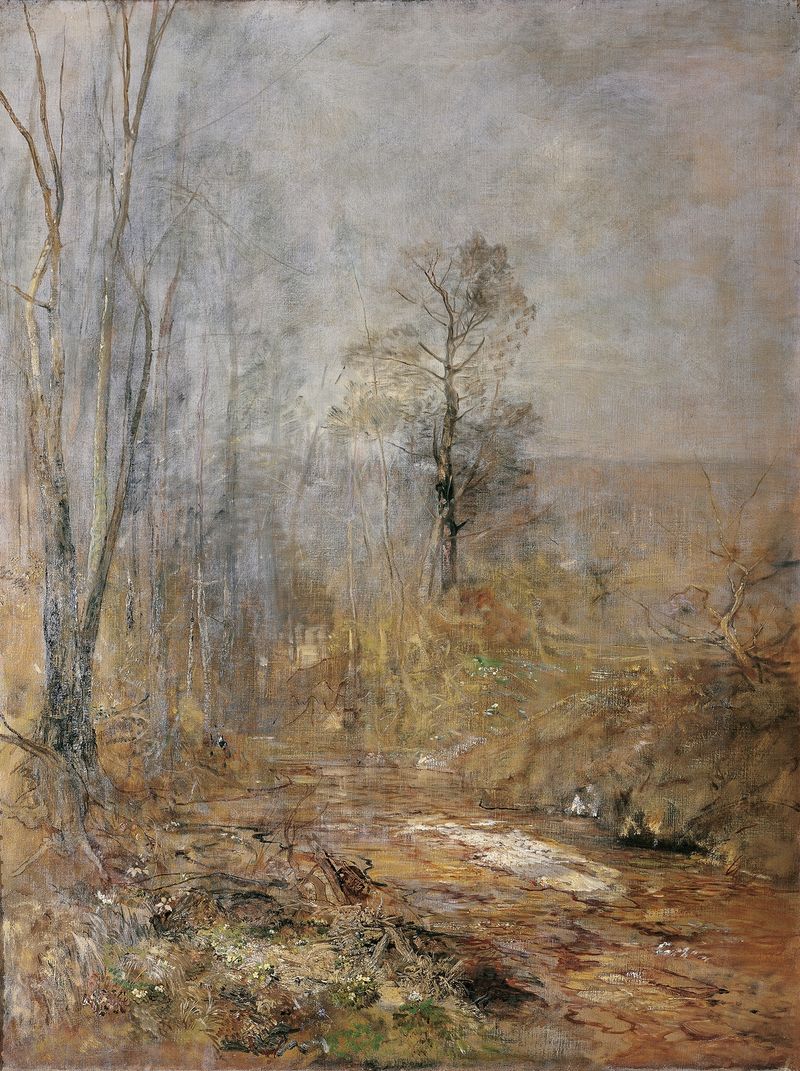
Märzstimmung – Vorfrühling im Wienerwald
Emil Jakob Schindler
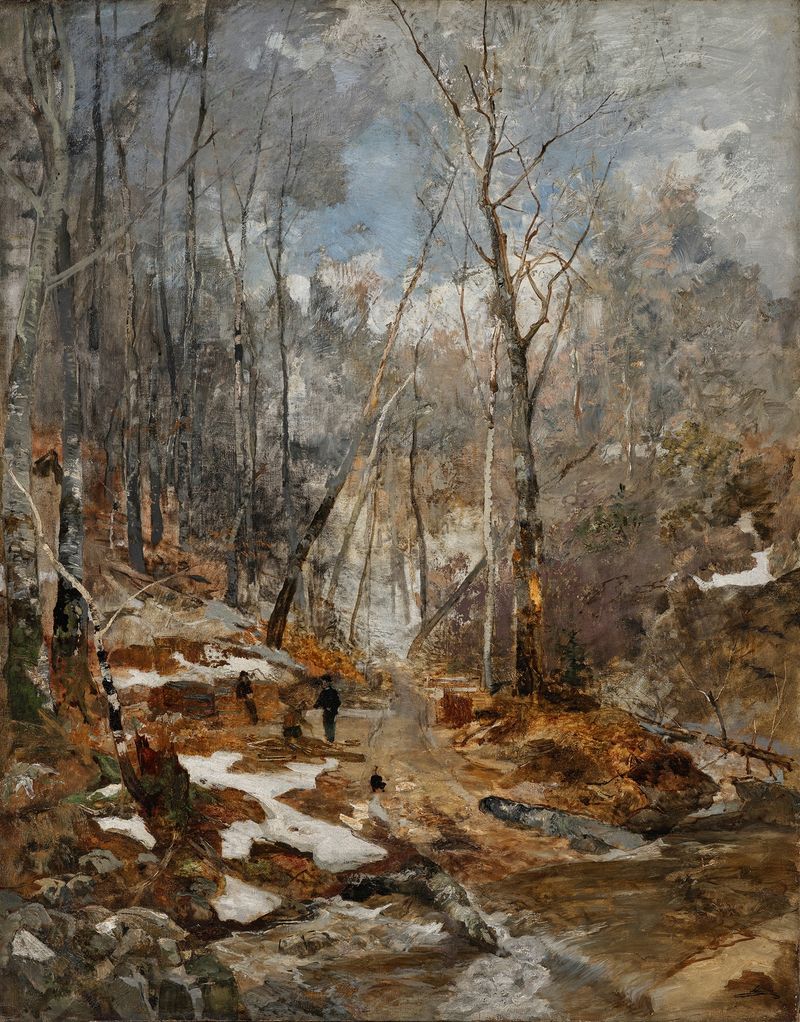
Februarstimmung – Vorfrühling im Wienerwald
Emil Jakob Schindler
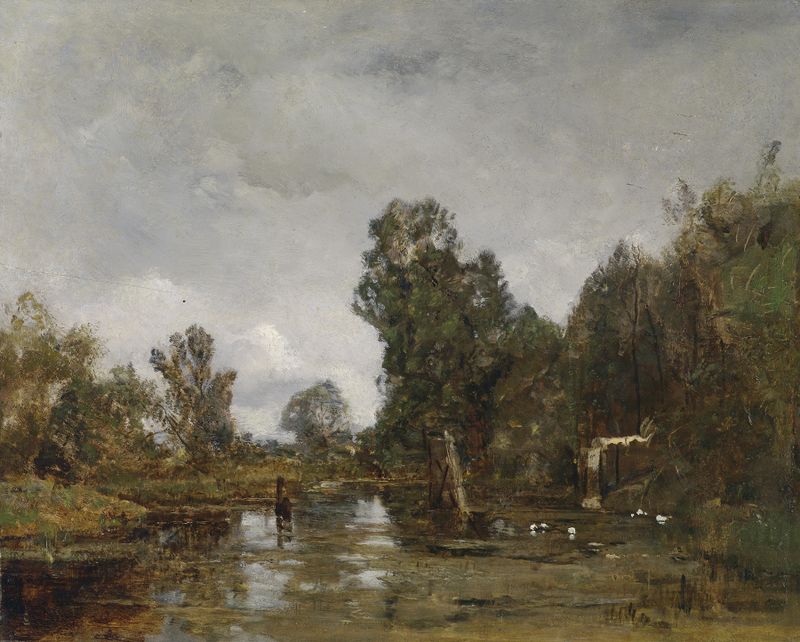
Motiv aus dem Wiener Prater (Krieau)
Emil Jakob Schindler
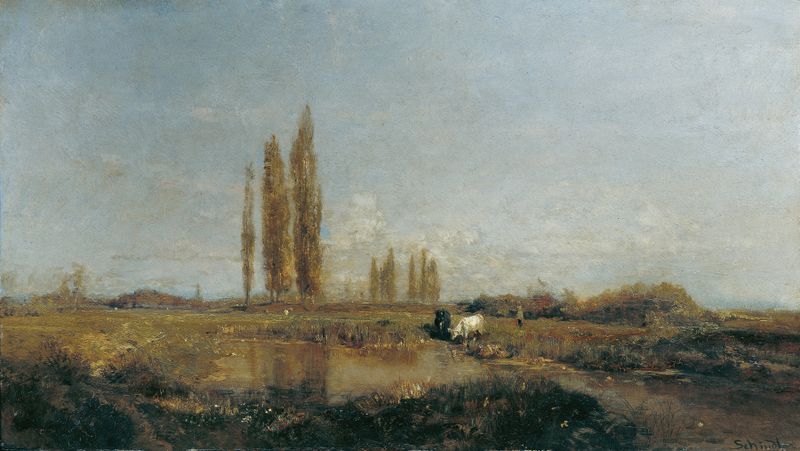
An der Thaya bei Lundenburg
Emil Jakob Schindler
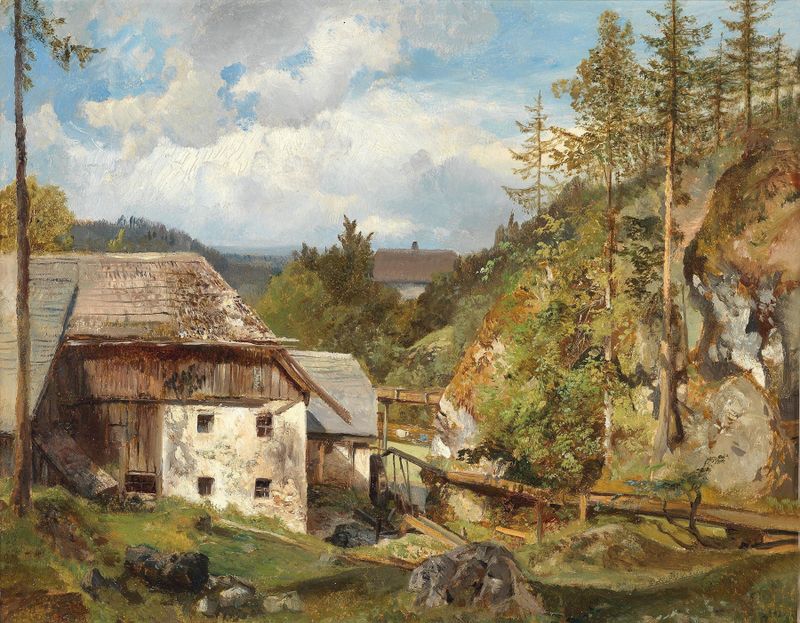
Die Mühle im Wald
Emil Jakob Schindler
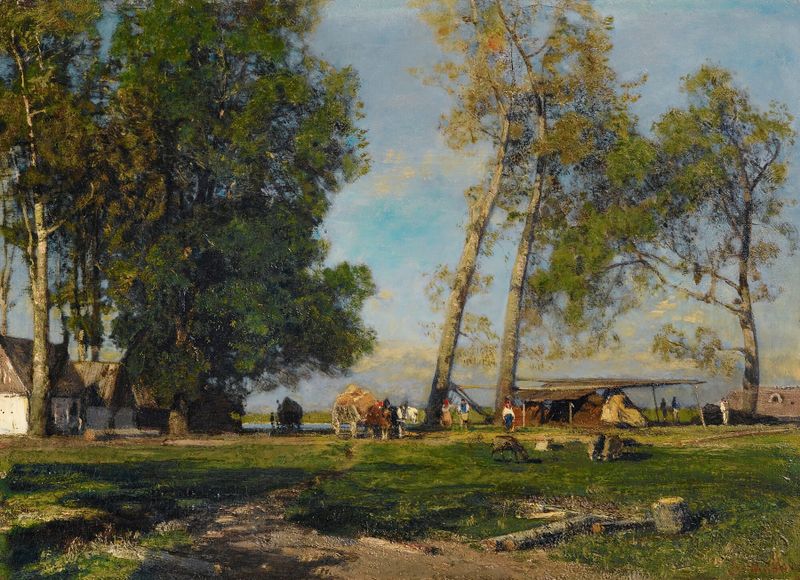
The Prater Gardens, Vienna
Emil Jakob Schindler
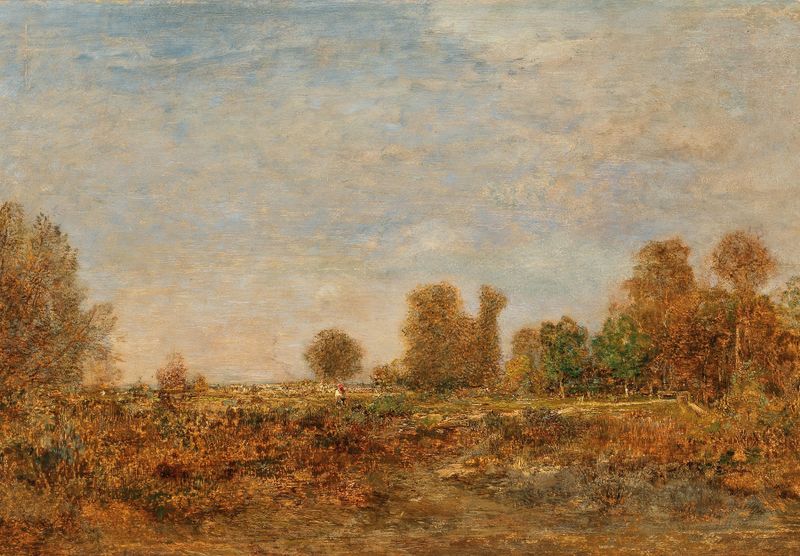
Landschaft, Lundenburg
Emil Jakob Schindler
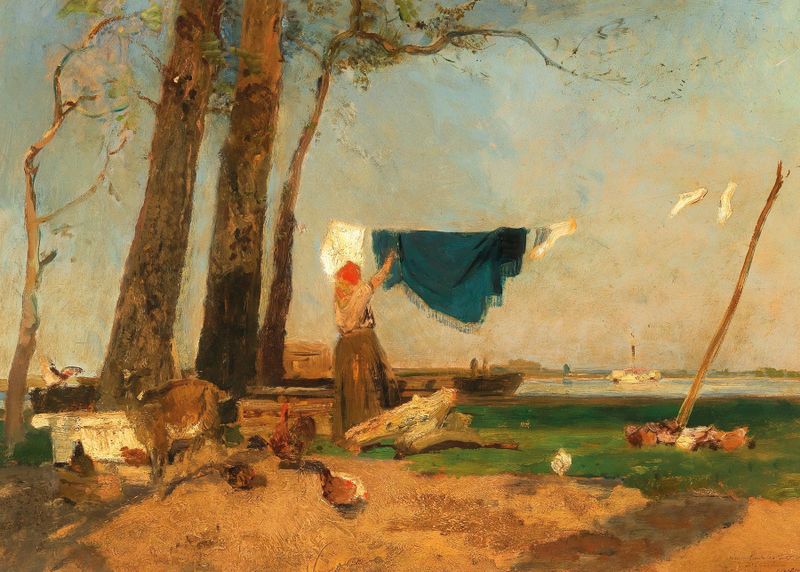
A washerwoman on the Danube bank, near the Praterspitz
Emil Jakob Schindler
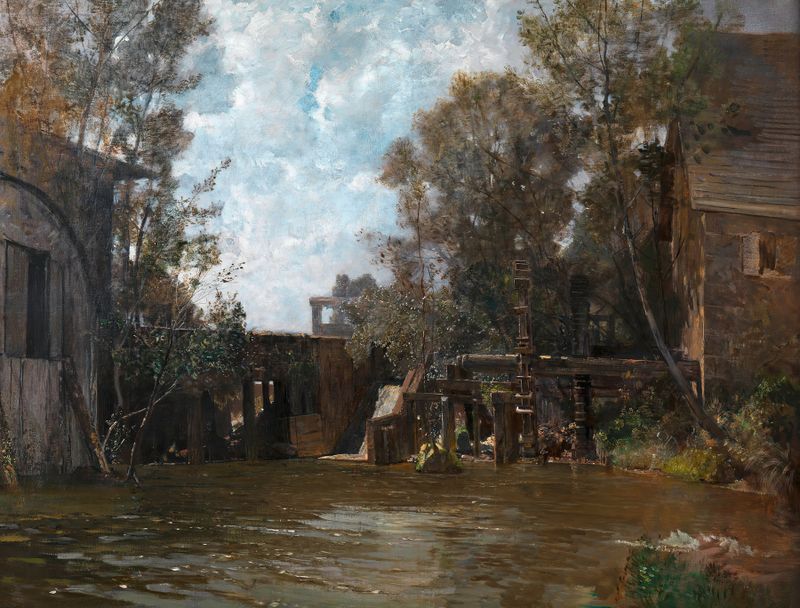
Mühle in Plankenberg
Emil Jakob Schindler
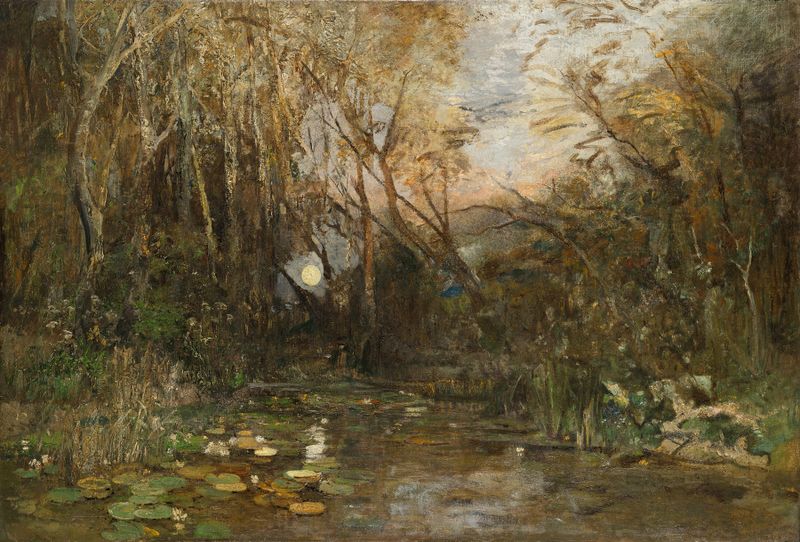
Mondaufgang in der Praterau
Emil Jakob Schindler





