
Aino Triptych — History & Facts
A trio of scenes, bound by a frame of golden motifs, draws the eye into a world where myth and landscape fuse. In this early version of Aino Triptych, the drama unfolds across three panels: a young woman hesitates at the forest’s edge, a luminous figure bursts from the lake as an elderly man reaches in vain, and a contemplative nude sits on the rocks, glancing back at the water’s mysteries. The lake’s mirrored surface anchors the composition, its calmness a foil to the agitation of the central figure.
Light falls with intent—cool and northern, it catches on skin and water, setting the mythic against the utterly real. The artist’s dissatisfaction with his models is nowhere apparent in the tension and clarity of these moments. Painted in 1889, this work stands at the crossroads of Finnish nationalism and European symbolism. Triptychs like this, with their narrative ambition, were rare in late nineteenth-century Finland, but artists across Europe were turning to folklore for inspiration, seeking roots in a rapidly changing world.
The documented fact that Akseli Gallen-Kallela would later rework the scene using his wife as the model speaks to a restless search for authenticity—an urge shared by many artists of his era. Today, the painting remains in a Finnish collection, a testament to the period’s hunger for national stories told with new visual force. Let your gaze linger on the water’s surface and the figures’ gestures: each panel is a threshold between the seen and the imagined.
More Artworks by Akseli Gallen-Kallela
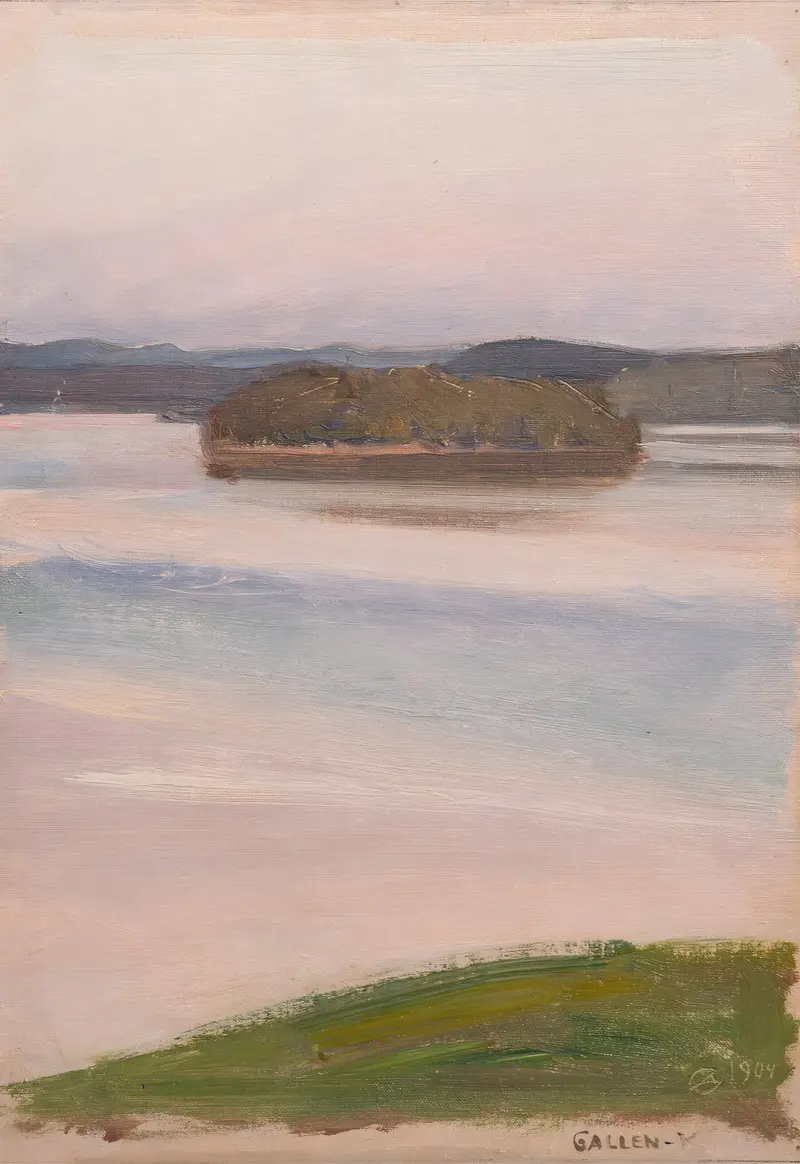
Lake Keitele
Akseli Gallen-Kallela
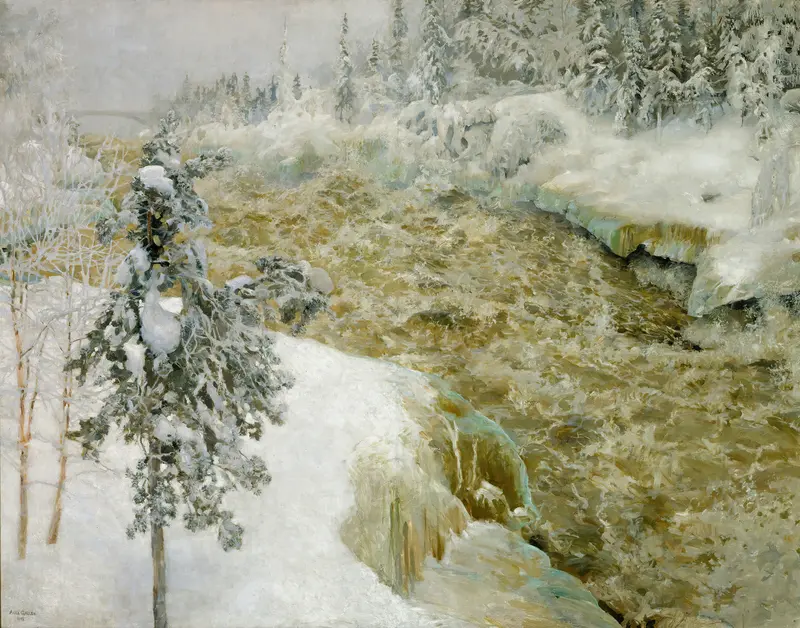
Imatra Falls in Snow ; Imatra in Winter
Akseli Gallen-Kallela
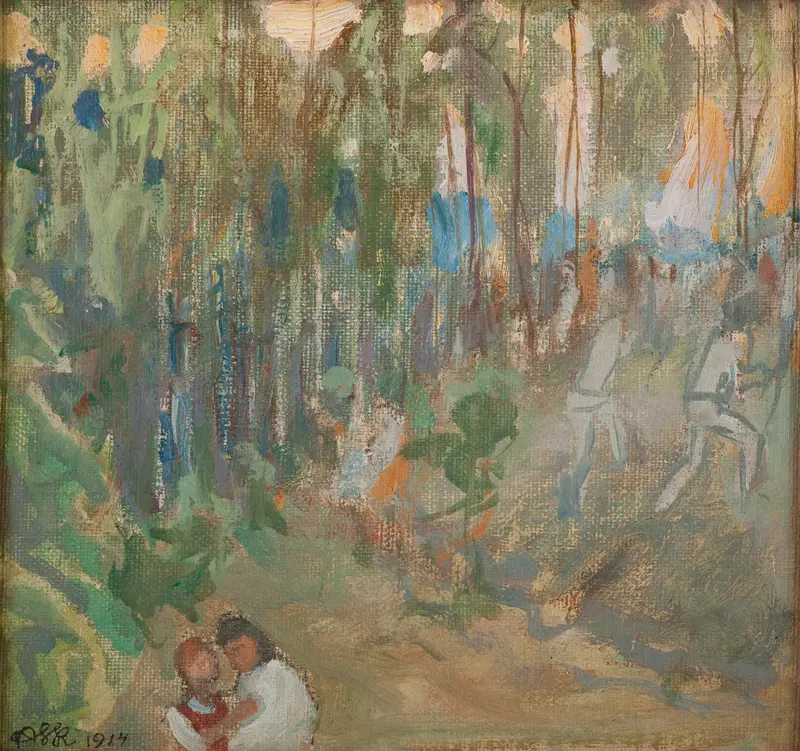
Vainovalkeat
Akseli Gallen-Kallela
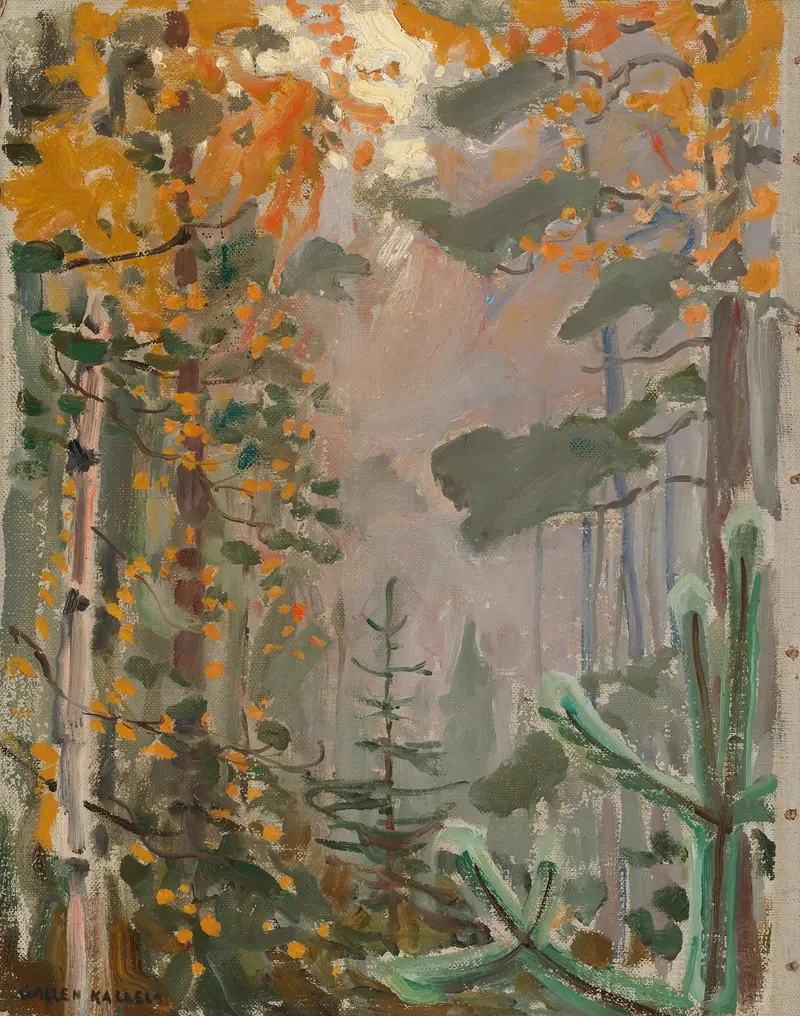
Autumn Landscape
Akseli Gallen-Kallela
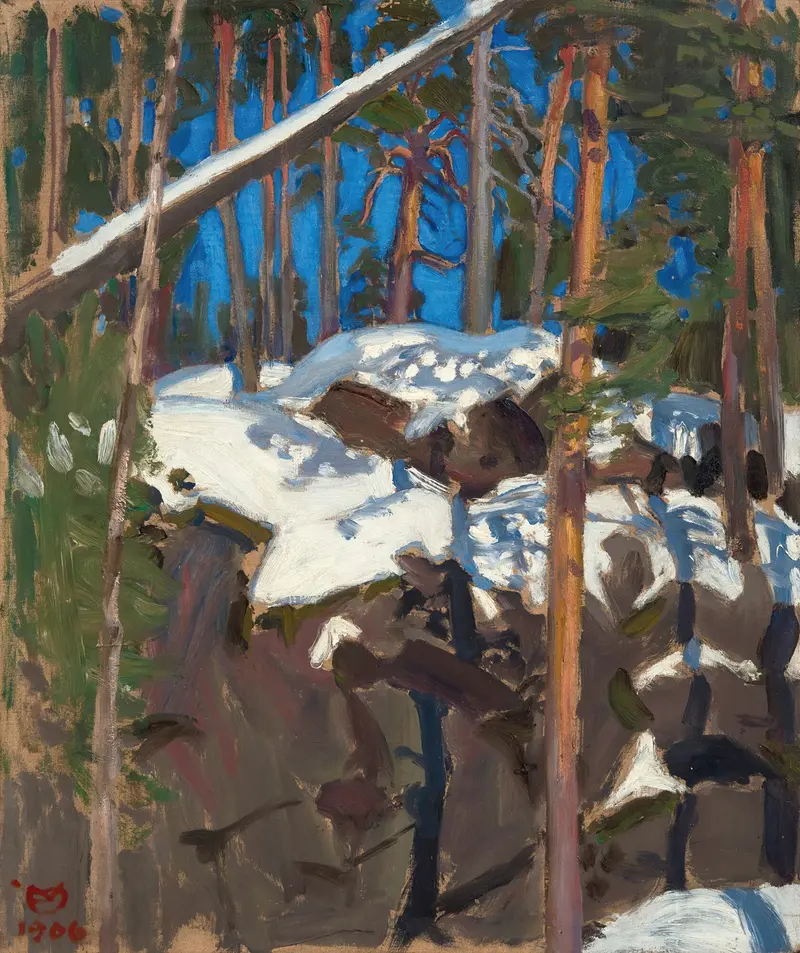
Spring Sun At Konginkangas
Akseli Gallen-Kallela
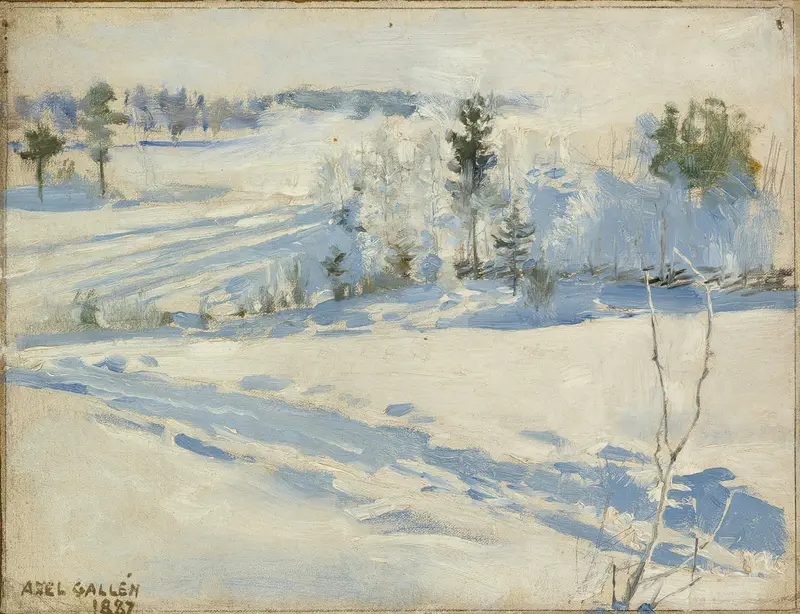
Winter Landscape
Akseli Gallen-Kallela

First Snow
Akseli Gallen-Kallela
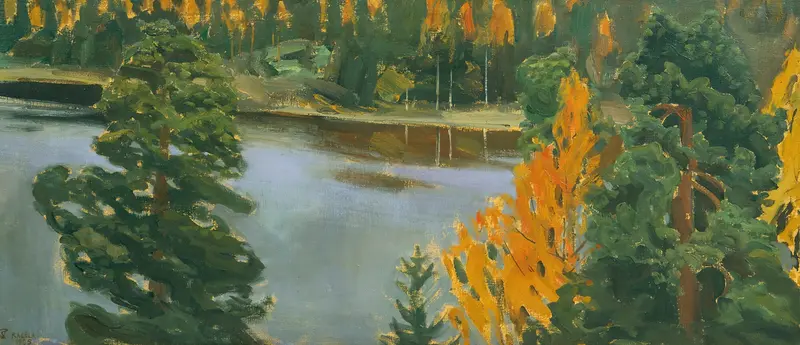
Lake View In Autumn
Akseli Gallen-Kallela
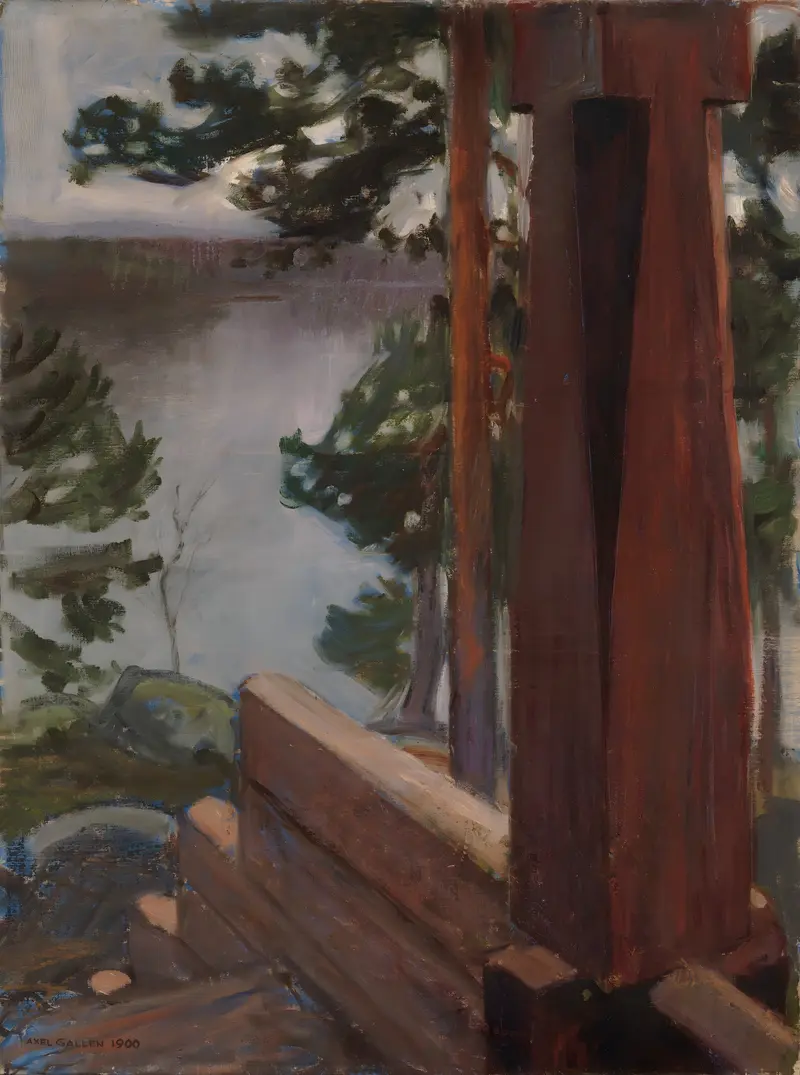
The Kalela Porch
Akseli Gallen-Kallela

Light Behind The Clouds
Akseli Gallen-Kallela





