
Allegory of Music — History & Facts
A young woman, absorbed in the act of making music, draws the viewer into a private world of sound and contemplation. The painter’s eye lingers on the delicate interplay between her poised fingers and the instrument she cradles, while her gaze drifts away, lost in thought. Light falls gently across her face and hands, guiding us to the heart of the scene: music as both a physical act and a state of mind.
The soft folds of her garment and the carefully rendered textures of the instrument suggest a setting of comfort and refinement, where music is not only heard but felt. Every detail, from the subtle gleam of the strings to the quiet shadow behind her, serves to heighten the sense of intimacy and reverie. Works like this Allegory of Music, attributed to Jean-François de Troy and dated to the early eighteenth century, belong to a world where allegory and everyday life often met on canvas. In the salons of eighteenth-century France, paintings celebrating the arts were prized by patrons eager to display their taste and learning.
Allegories of music, in particular, spoke to the era’s fascination with harmony, both social and artistic. While little is recorded about this specific work beyond its presence in a contemporary collection and its documentation in 2017, its quiet celebration of music’s pleasures remains immediate. The viewer is left to imagine the melody, suspended in time, and to wonder what thoughts accompany the musician’s distant gaze.
More Artworks by Jean-François de Troy
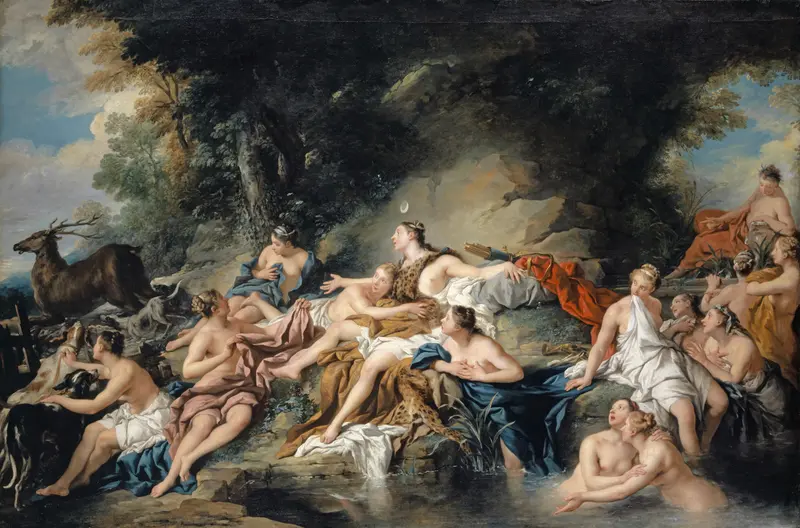
Diana and Actaeon
Jean-François de Troy
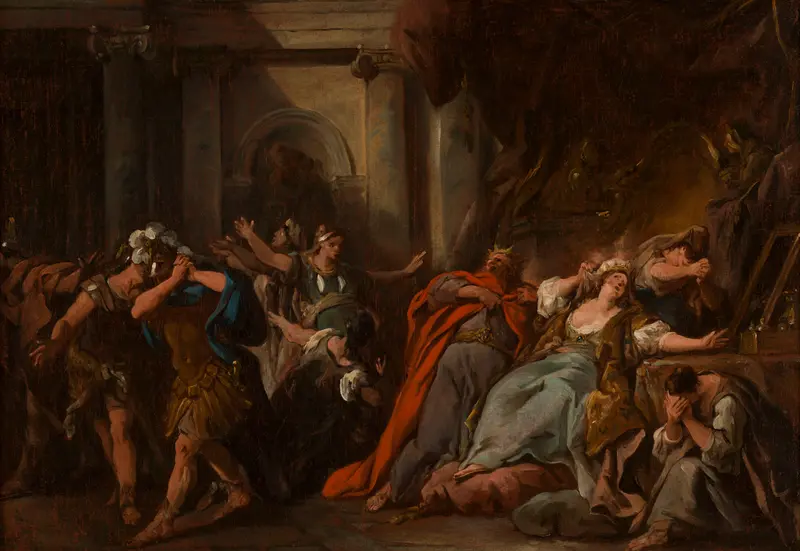
Créüse consumée par la robe empoisonnée
Jean-François de Troy
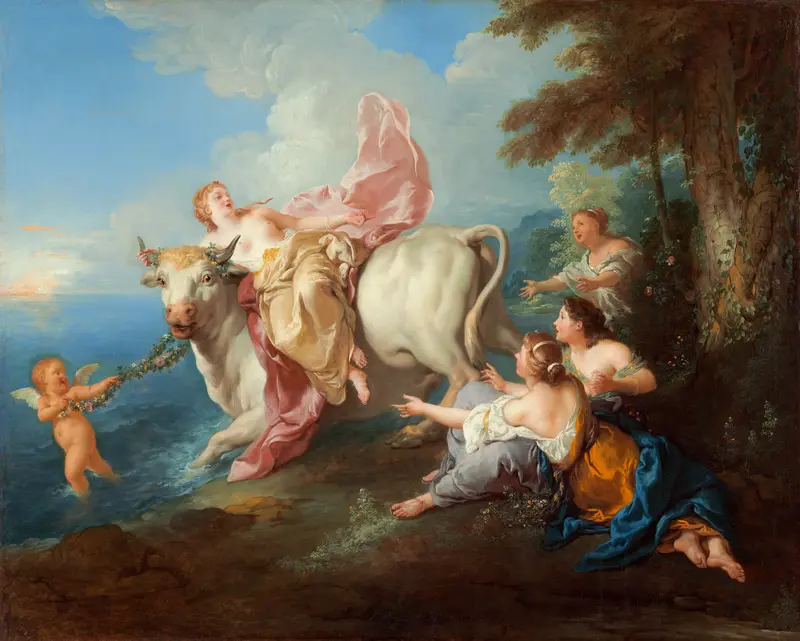
The Abduction of Europa
Jean-François de Troy
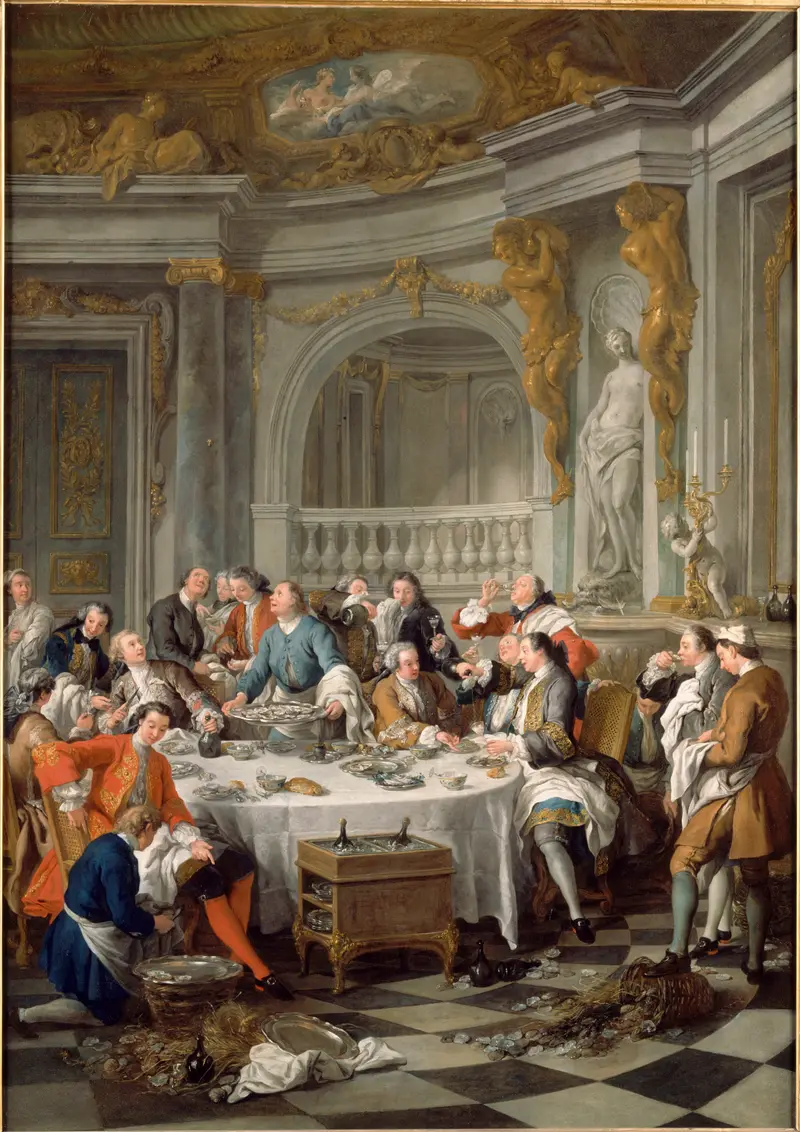
The Lunch of Oysters
Jean-François de Troy
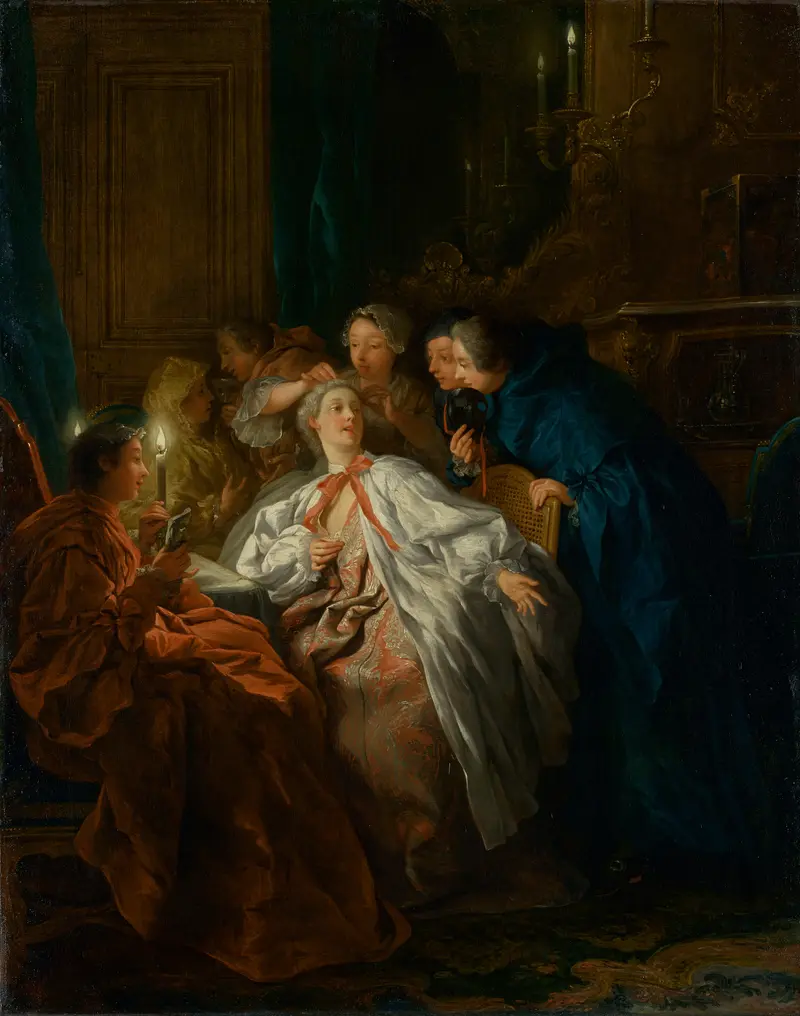
Before the Ball
Jean-François de Troy
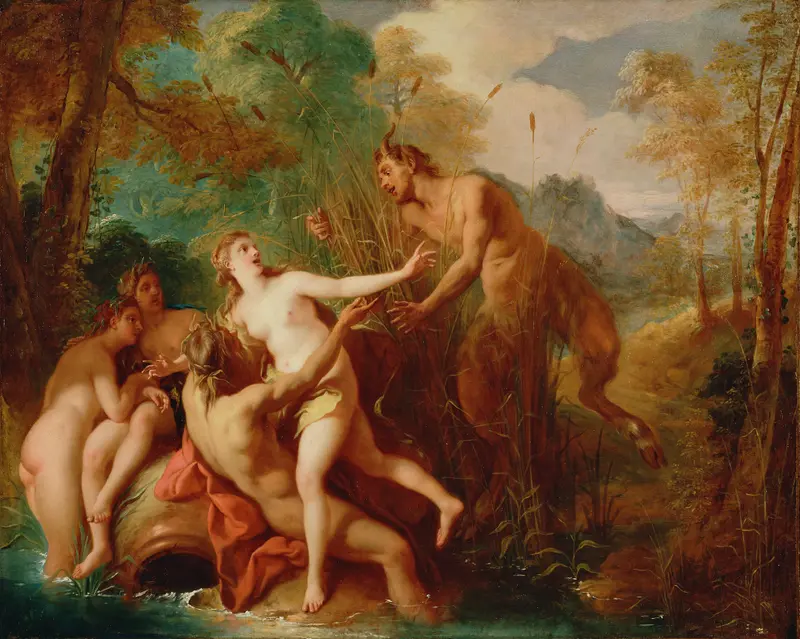
Pan and Syrinx
Jean-François de Troy

Le Combat des soldats nés des dents du serpent
Jean-François de Troy
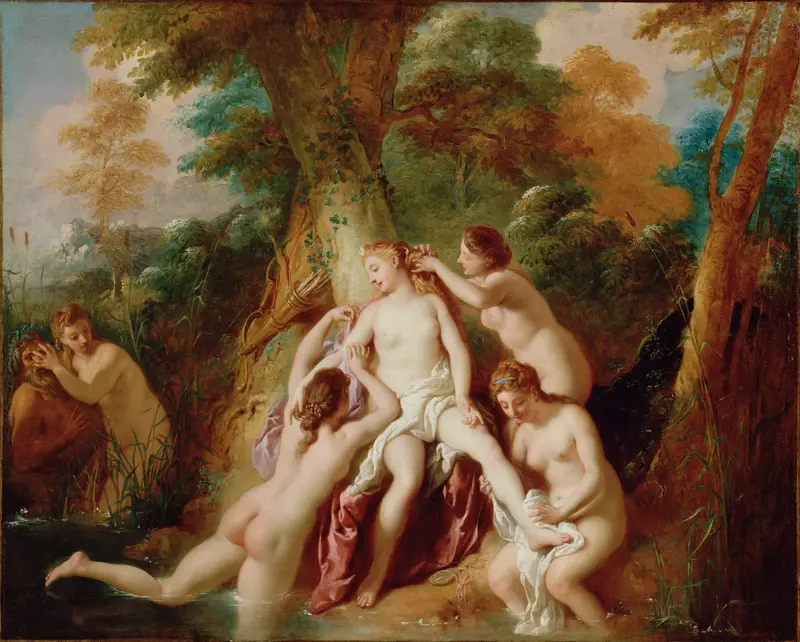
Diana and Her Nymphs Bathing
Jean-François de Troy
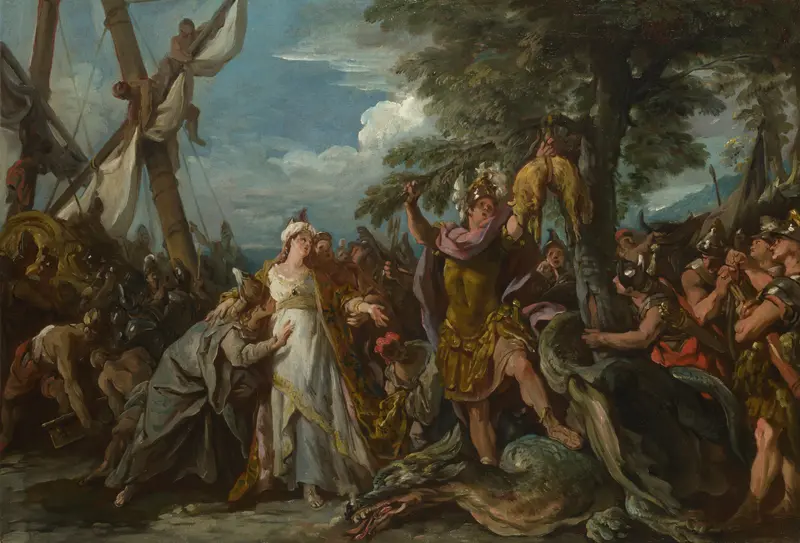
The Capture of the Golden Fleece
Jean-François de Troy

The Triumph of Mordecai
Jean-François de Troy





