
Allegory of Virtues — History & Facts
No one can say for certain for whom Allegory of Virtues was painted, or even the exact year it left Correggio’s workshop, but its companion piece, Allegory of Vice, is documented in the inventory of the Gonzaga collection in Mantua by 1542. This pairing has stirred debate for centuries: were they intended as moral lessons for a noble household, or perhaps as a private meditation on the nature of good and evil for an erudite patron? The painting’s mysterious origins have only added to its allure, with scholars tracing its journey through inventories and sales, always in the shadow of its more famous twin. At the heart of Allegory of Virtues, Correggio offers a vivid tableau of personified qualities, each rendered with a gentle, almost playful humanity. The central figure, often read as Minerva or Wisdom, sits enthroned, surrounded by figures representing Fortitude, Prudence, and other virtues, their attributes—armor, mirrors, serpents—clearly visible.
Light pools around the principal figures, guiding the viewer’s gaze and emphasizing the harmony among them. Unlike the stern, didactic allegories of Mantegna, Correggio infuses his scene with warmth and movement: the figures interact, their gestures and glances weaving a web of connection that makes the abstract tangible. Though the original commission remains uncertain, Allegory of Virtues is generally dated to the late 1520s, during the height of Correggio’s career in Parma. The painting and its pair eventually made their way to the Este collection in Modena, before being acquired by the Louvre in the eighteenth century, where they remain today.
Over the centuries, the work has been admired for its innovative approach to allegory and its luminous, soft modeling, which influenced later artists such as Parmigianino. The painting stands as a testament to Correggio’s ability to breathe life into the most abstract of subjects, blending intellectual complexity with a disarming sense of grace.
More Artworks by Correggio
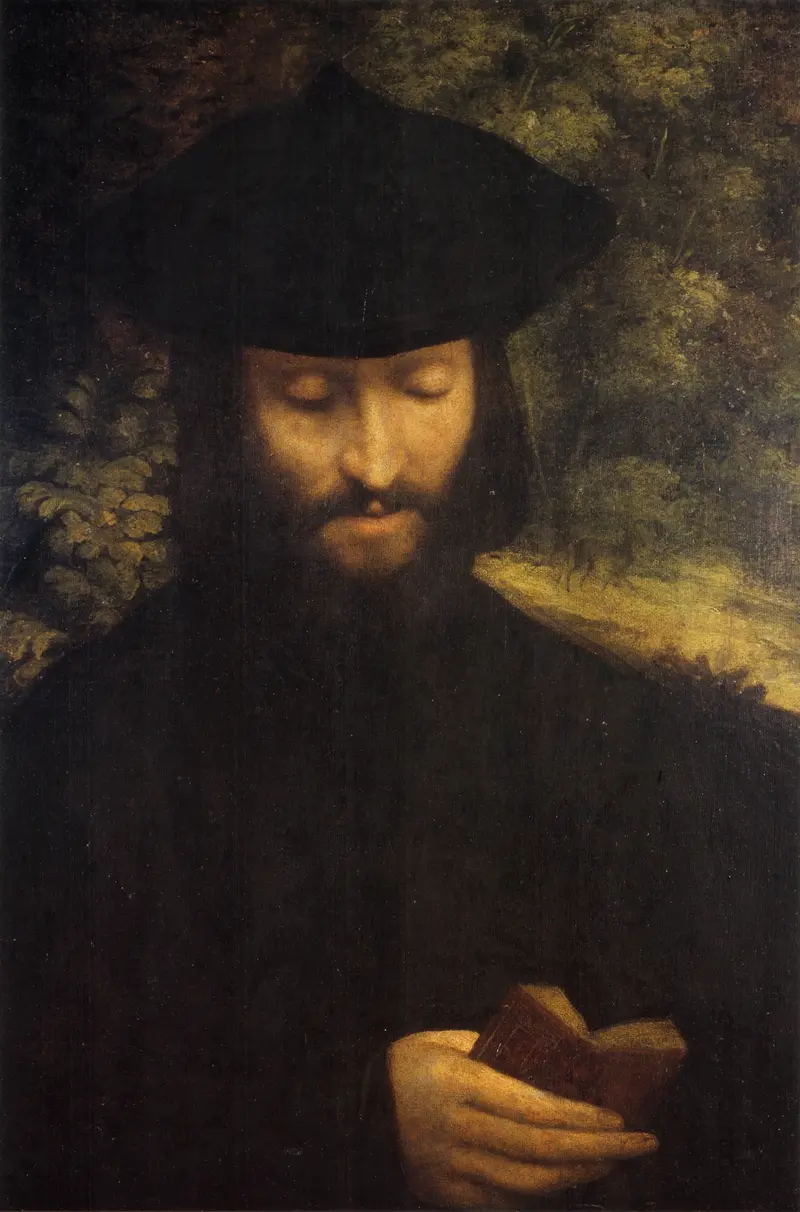
Portrait of a Man with a Book
Correggio

Holy Family with the Infant St. John
Correggio
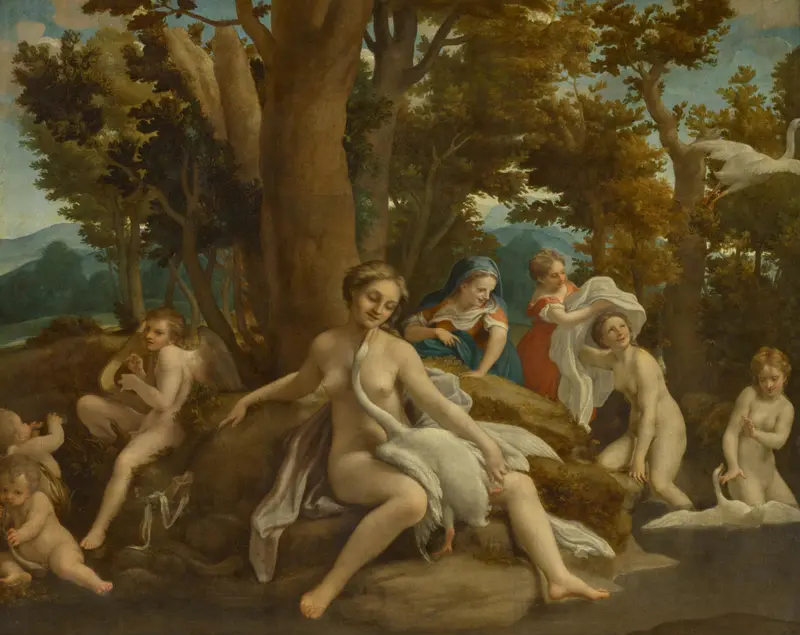
Leda and the Swan
Correggio

Madonna and Child with the Infant Saint John the Baptist
Correggio
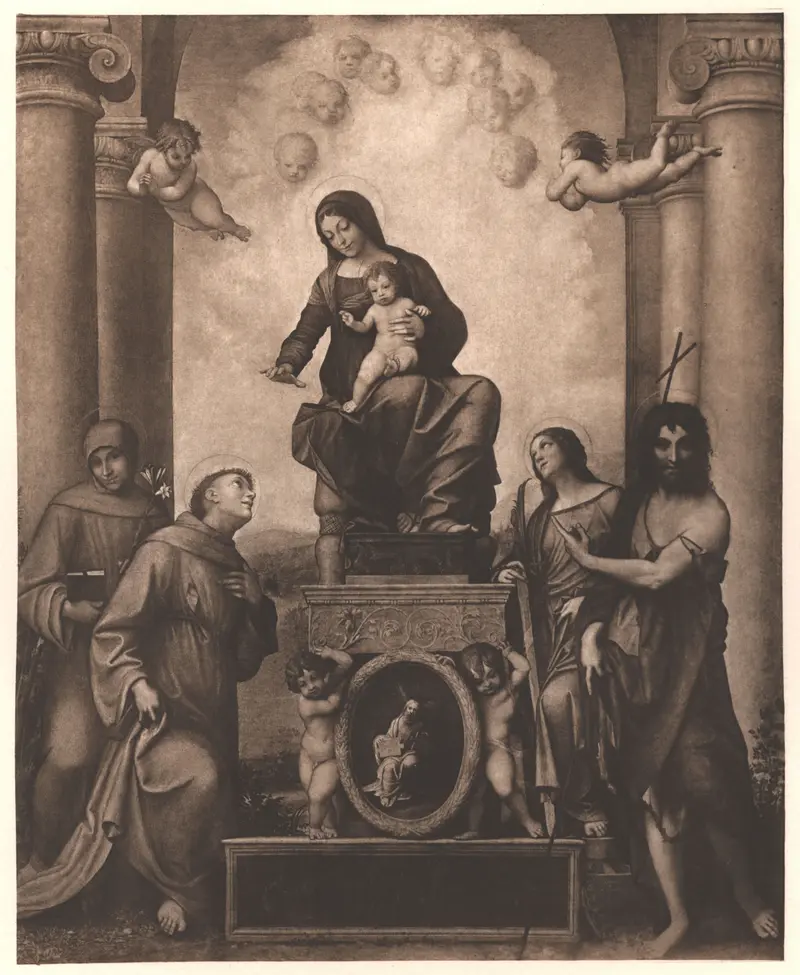
Madonna with St. Francis
Correggio
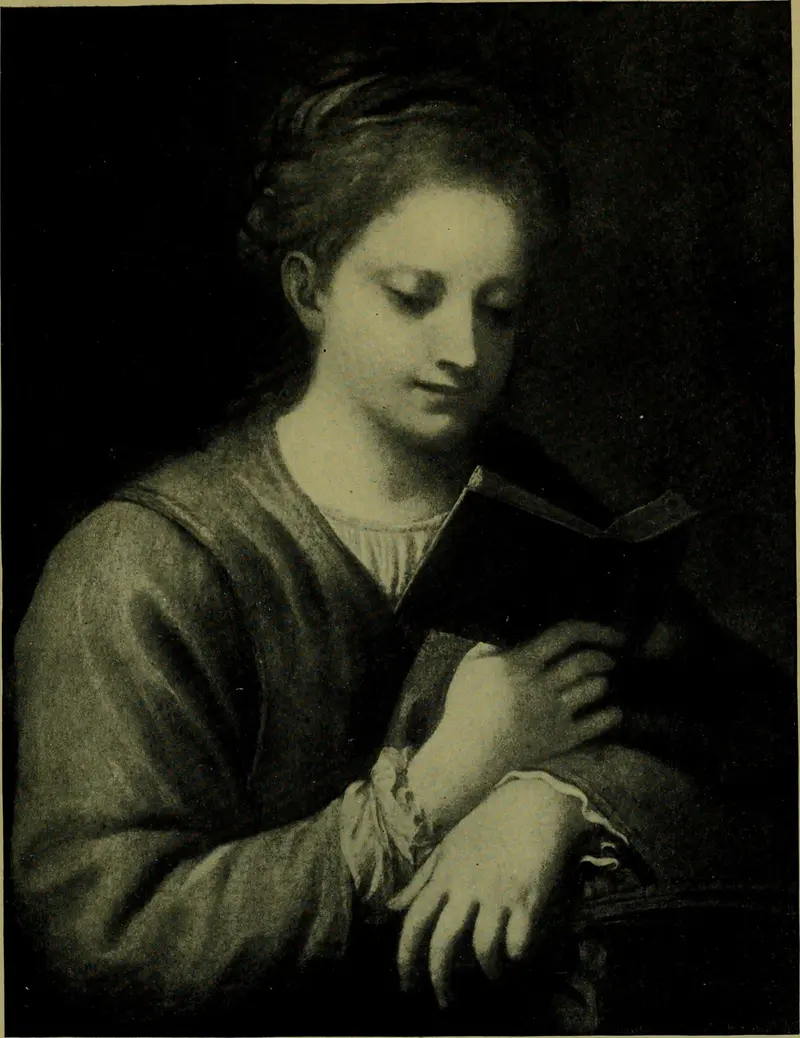
Saint Catherine Reading
Correggio

The Holy Night
Correggio
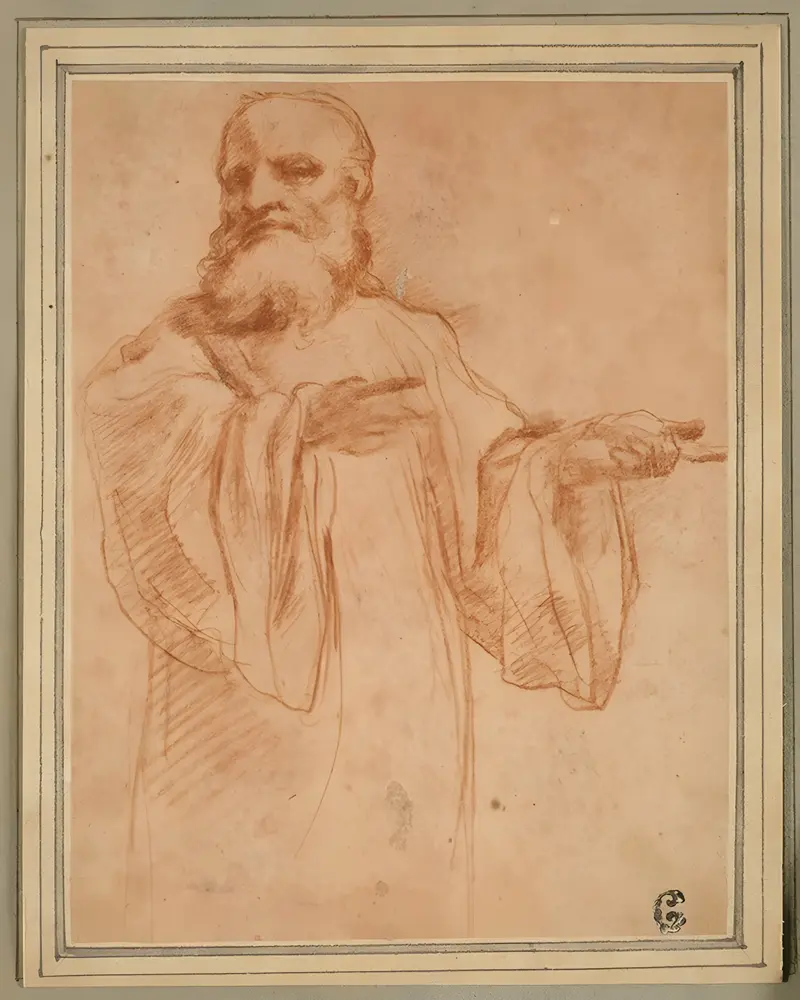
St. Benedict Gesturing to the Left; Study for the Coronation of the Virgin
Correggio
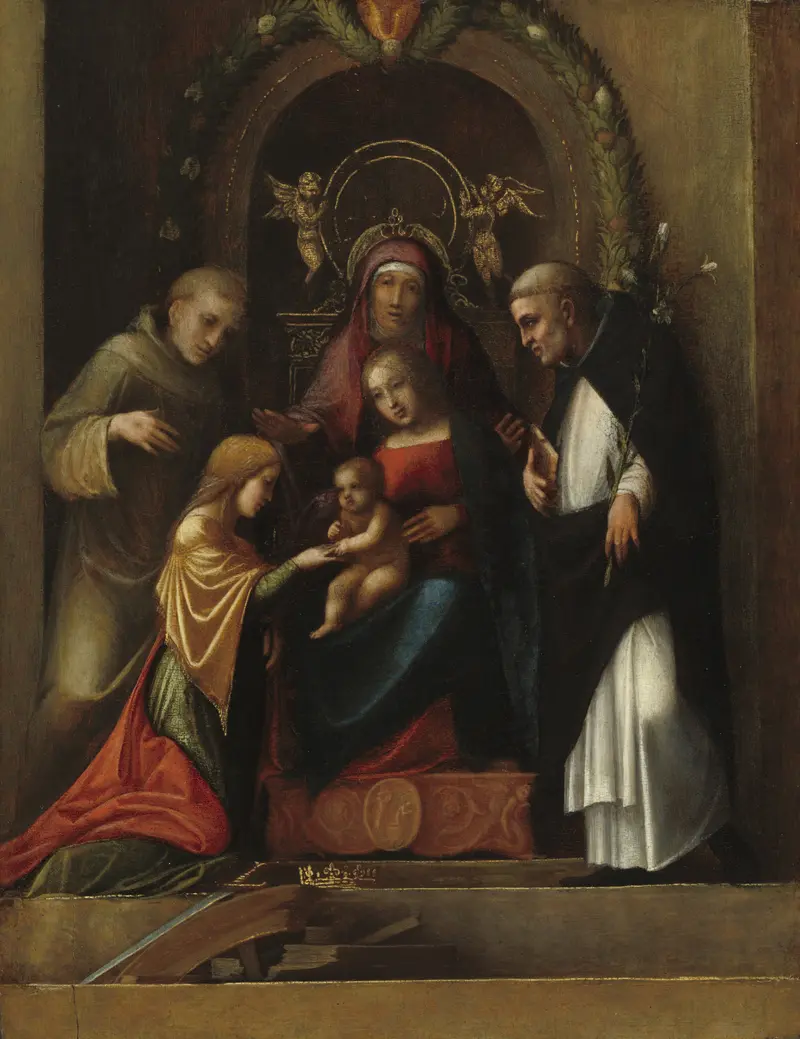
The Mystic Marriage of Saint Catherine
Correggio
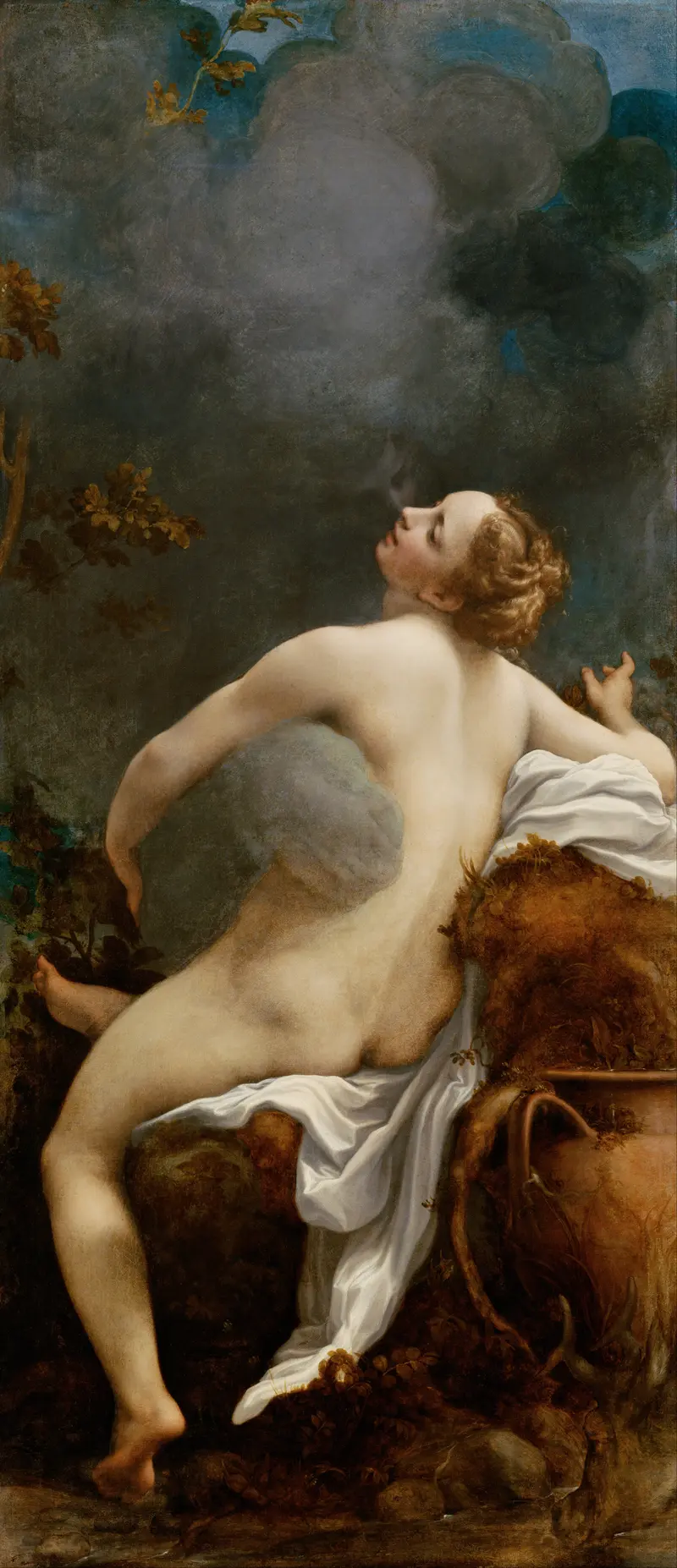
Jupiter and Io
Correggio





