
Anatomical Pieces — History & Facts
Few works in European art have been painted with such raw, clinical purpose as Anatomical Pieces by Théodore Géricault. In 1818, the young French painter haunted the morgues and hospitals of Paris, seeking fragments of human bodies to study and paint. These grisly studies were not idle exercises: they were preparation for his great canvas The Raft of the Medusa, and Géricault bartered with medical students and surgeons for access to dissected limbs, sometimes keeping them in his own studio.
The resulting images shocked his contemporaries, who found them both repulsive and fascinating, a testament to the Romantic era’s obsession with the limits of the human body and spirit. In Anatomical Pieces, Géricault presents a stark, unflinching view of severed arms and legs, rendered with the same attention to light and texture that a Dutch still-life painter might lavish on fruit or game. The flesh is pale and mottled, the muscles and tendons exposed, the limbs arranged almost as if for a scientific demonstration. There is no narrative in the traditional sense—no myth, no martyrdom, no allegory—only the confrontation with mortality itself.
The harsh illumination isolates the forms against a dark background, heightening their physicality and inviting the viewer to study their structure. Unlike Rembrandt’s The Anatomy Lesson of Dr. Nicolaes Tulp, which frames dissection as a public act of learning, Géricault’s study is private, almost secretive, and stripped of any didactic purpose. The precise history of Anatomical Pieces as an object is less well documented than its role in Géricault’s creative process.
It was likely painted in the artist’s Paris studio, alongside other anatomical studies, and may never have been intended for public exhibition. Over time, these works have been dispersed, with some entering museum collections and others remaining in private hands. Today, Anatomical Pieces stands as a rare and unsettling glimpse into the Romantic fascination with the body’s fragility, and into Géricault’s own relentless pursuit of truth in paint—a pursuit that would culminate in his monumental works, but which began, quietly and obsessively, among the dead.
More Artworks by Théodore Géricault
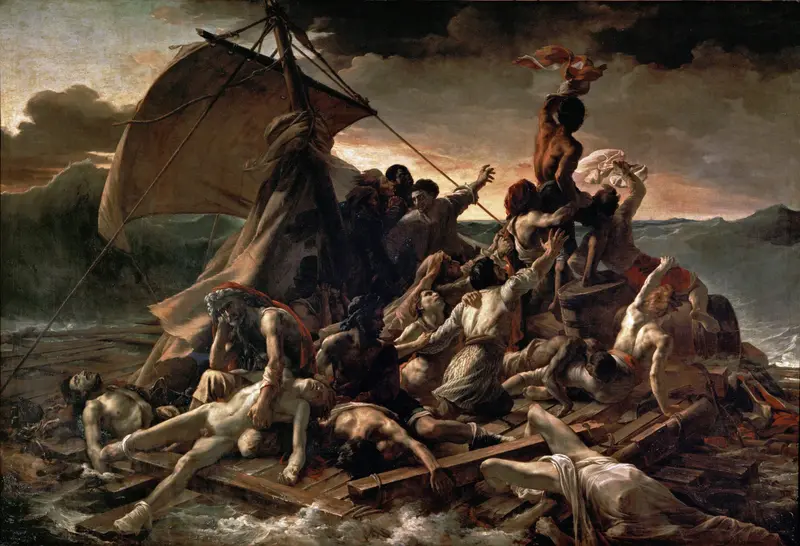
The Raft of the Medusa
Théodore Géricault

Géricault - Le naufrage du radeau de la Méduse, MBA 790
Théodore Géricault
Cattle Market
Théodore Géricault
Evening; Landscape with an Aqueduct
Théodore Géricault
Horse Race
Théodore Géricault

Horses Standing in a Mews
Théodore Géricault
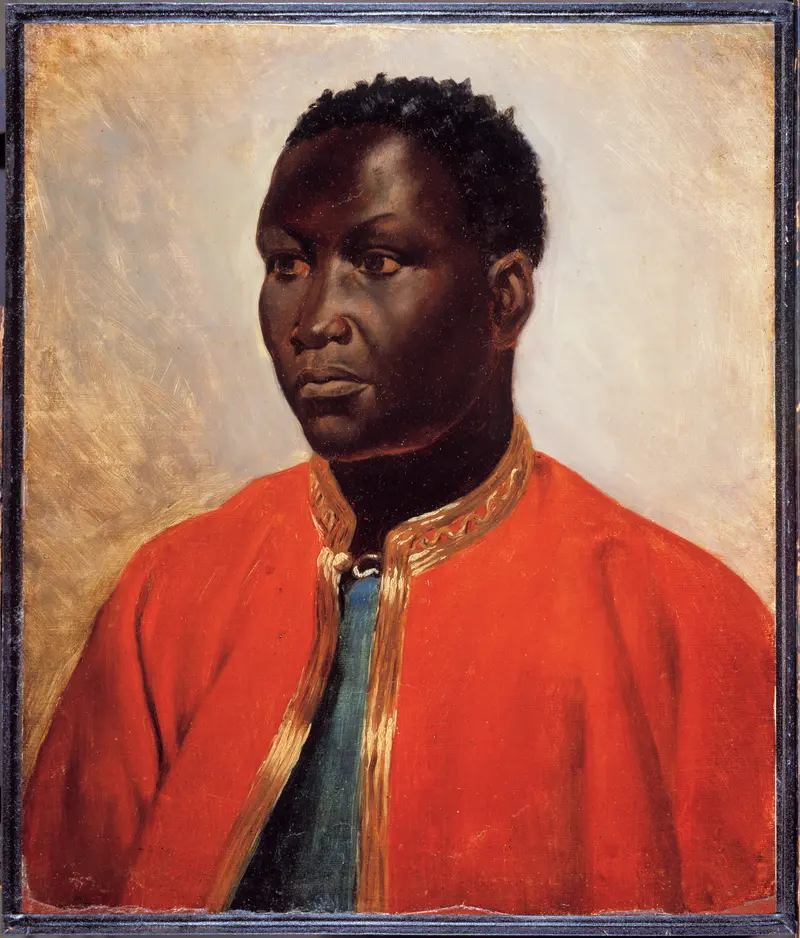
Portrait of a Negro
Théodore Géricault
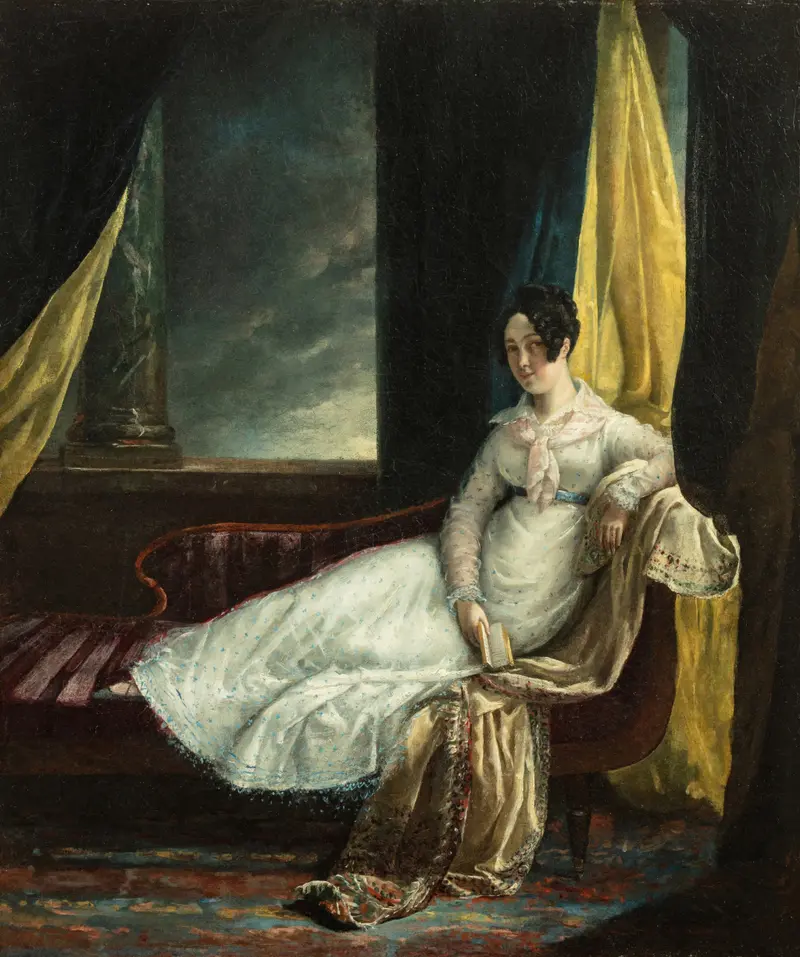
Portrait of Zoë Elmore
Théodore Géricault
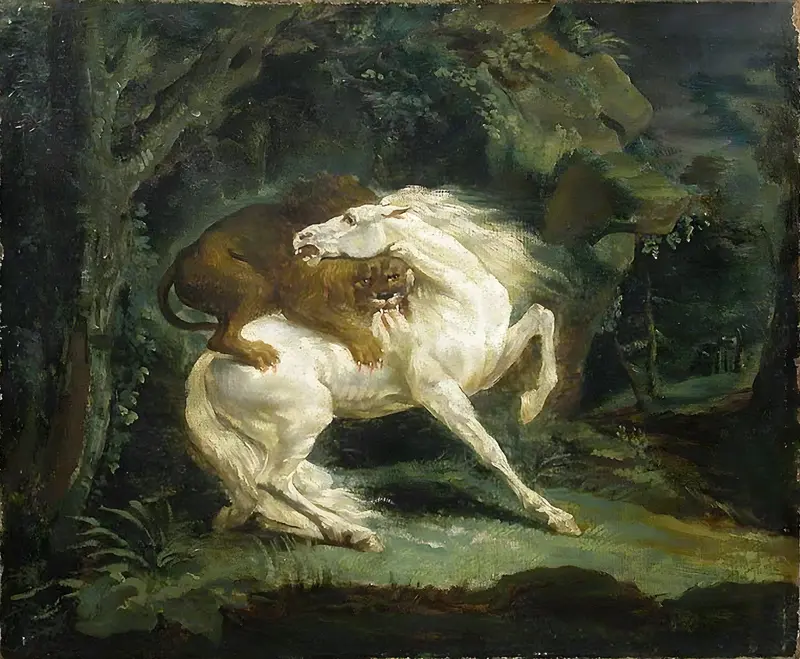
Cheval attaqué par un lion
Théodore Géricault
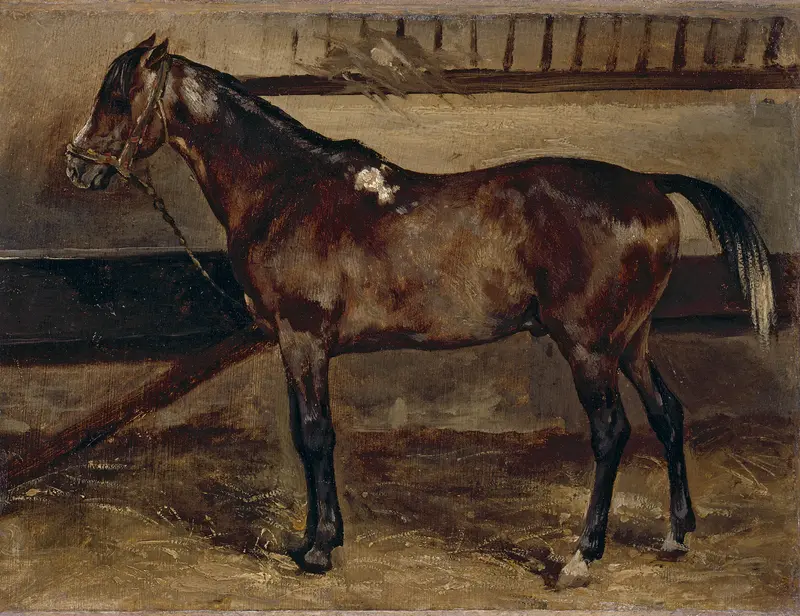
Cheval brun à l'écurie
Théodore Géricault



