
Apollo and Phaëthon — History & Facts
In Apollo and Phaëthon, Giovanni Battista Tiepolo presents a vibrant scene filled with dynamic figures and rich colors. The painting features Apollo, the sun god, surrounded by swirling clouds and dramatic lighting. Phaëthon, his son, is depicted in a moment of tension, highlighting the myth's tragic elements.
The use of gold and warm hues enhances the emotional intensity of the scene. The painting is executed in oil on canvas, a common medium for Tiepolo, allowing for the vibrant colors and intricate details. The dimensions are approximately 150 x 200 cm, making it a large and imposing work. Tiepolo's characteristic brushwork is evident, with fluid lines and a sense of movement throughout the composition.
The dramatic contrasts of light and shadow create depth and emphasize the emotional weight of the narrative. Giovanni Battista Tiepolo was a prominent Italian painter of the Rococo style, known for his grand and theatrical compositions. 'Apollo and Phaëthon' illustrates the myth of Phaëthon's ill-fated journey to drive the sun chariot, a tale of hubris and tragedy. This work exemplifies Tiepolo's ability to blend narrative with visual splendor.
Interestingly, it is part of the collection at the Museo del Prado, showcasing the artist's influence on European art.
More Artworks by Giovanni Battista Tiepolo
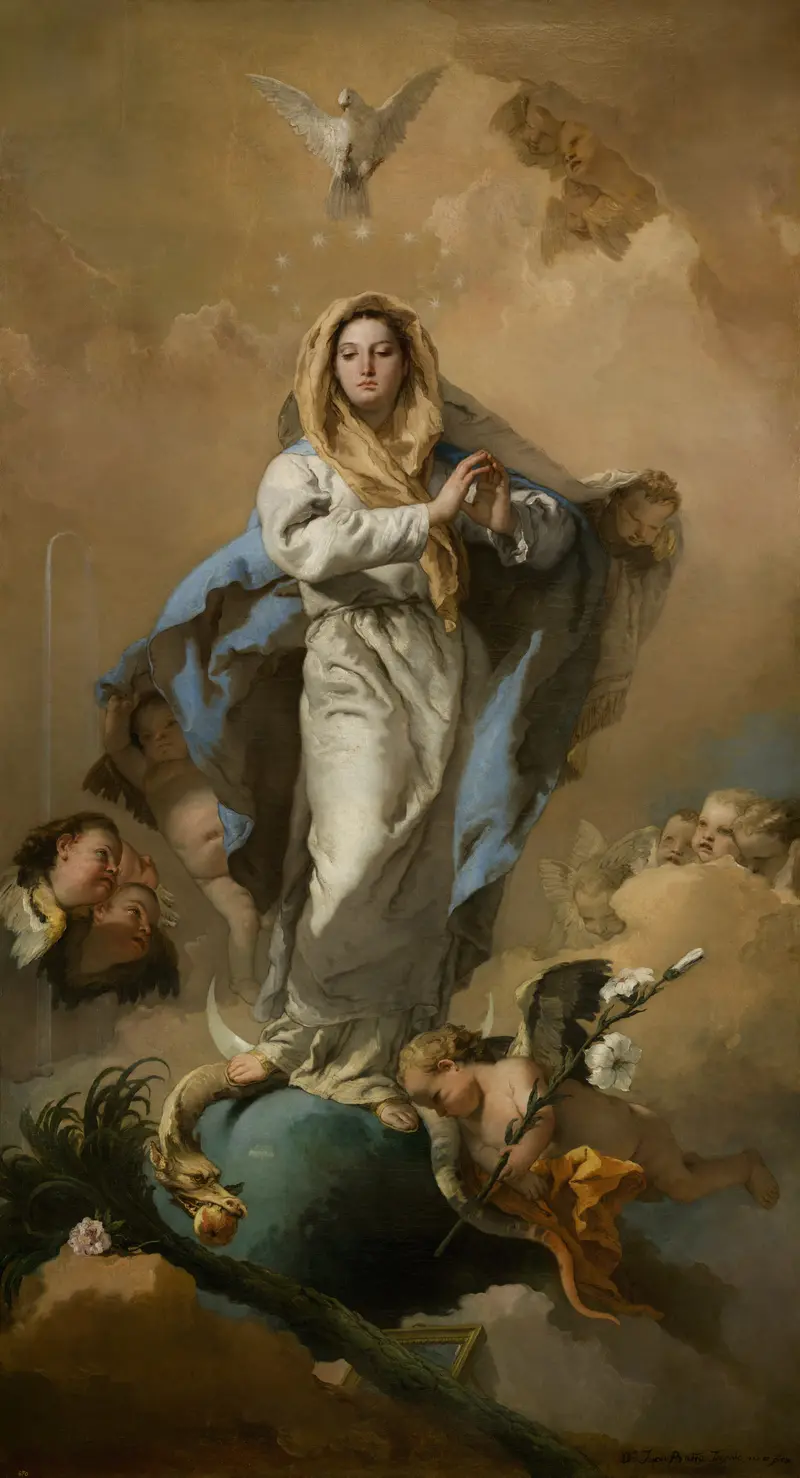
The Immaculate Conception
Giovanni Battista Tiepolo
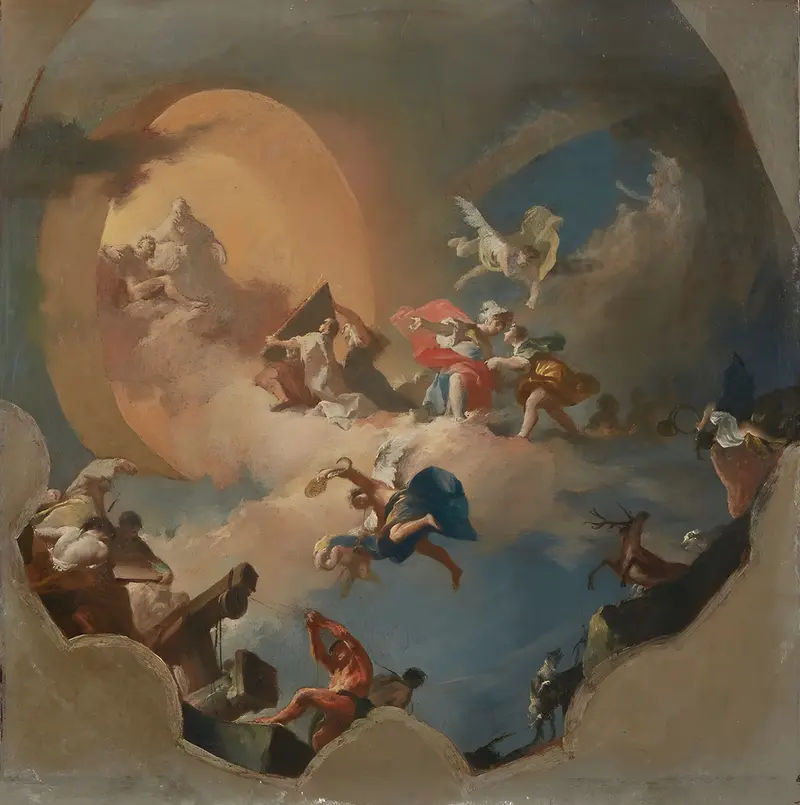
The Apotheosis of the Arts
Giovanni Battista Tiepolo
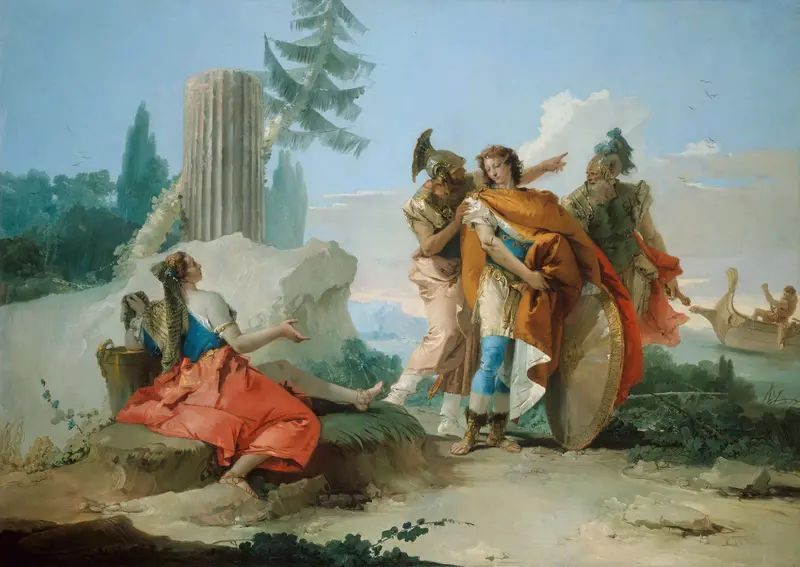
Armida Abandoned by Rinaldo
Giovanni Battista Tiepolo
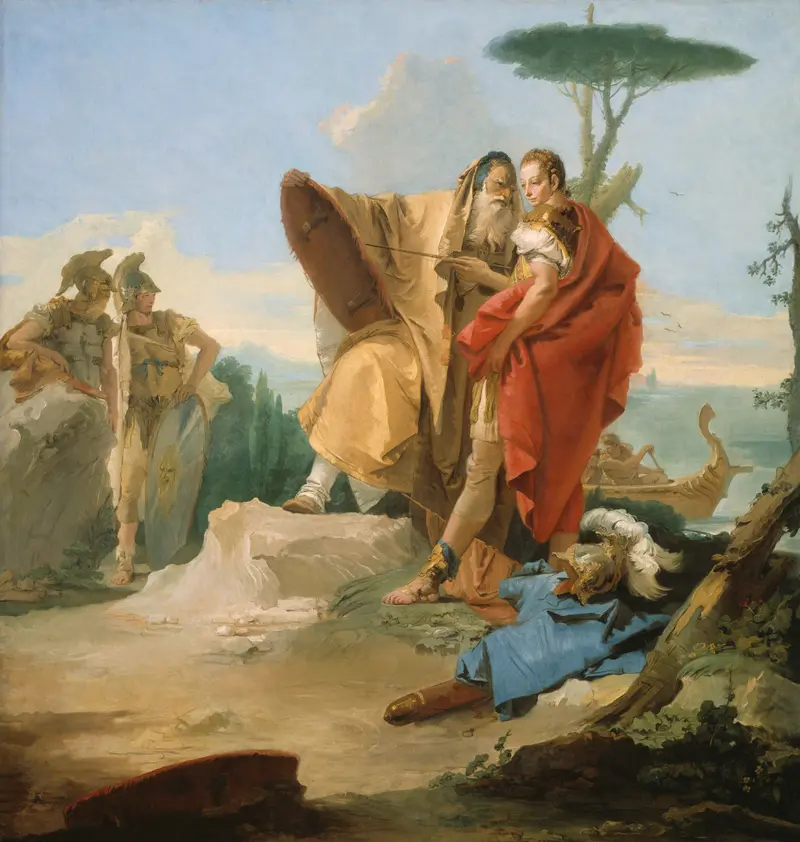
Rinaldo and the Magus of Ascalon
Giovanni Battista Tiepolo
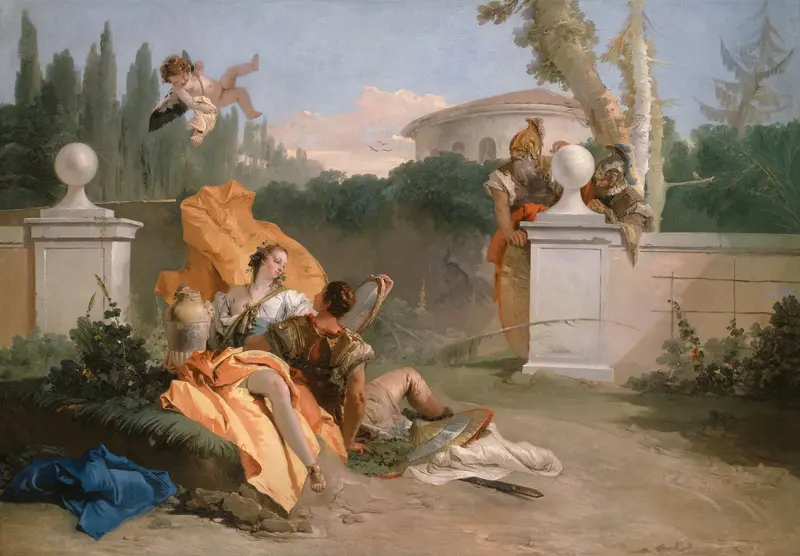
Rinaldo and Armida in Her Garden
Giovanni Battista Tiepolo
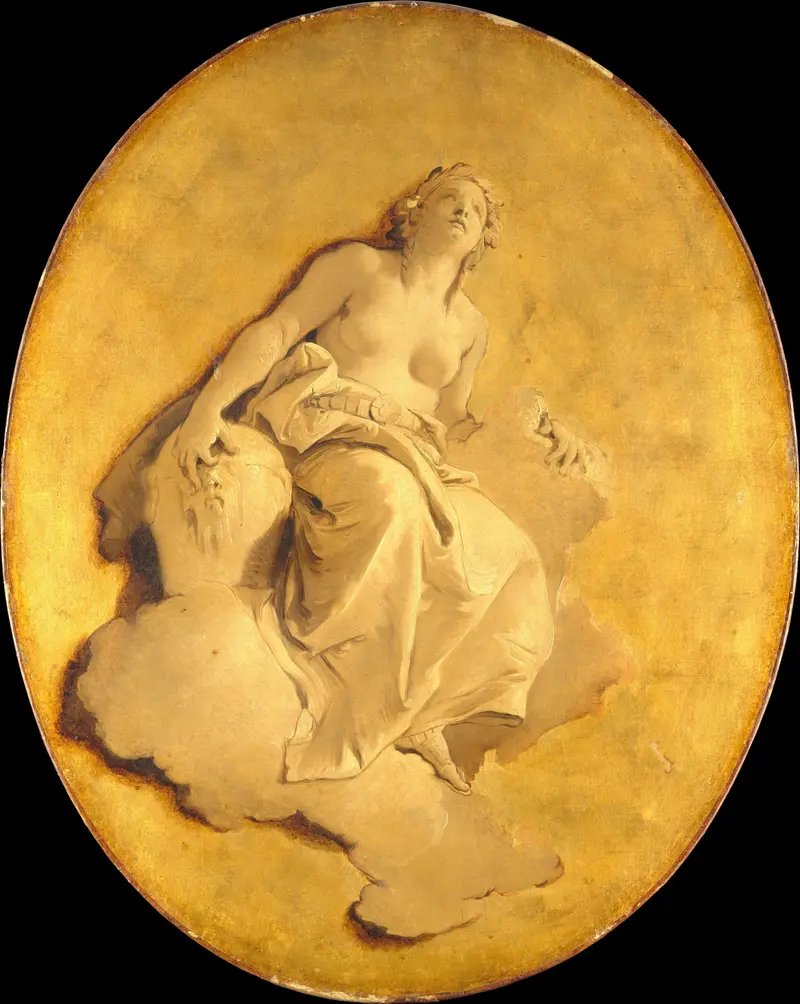
A Female Allegorical Figure
Giovanni Battista Tiepolo
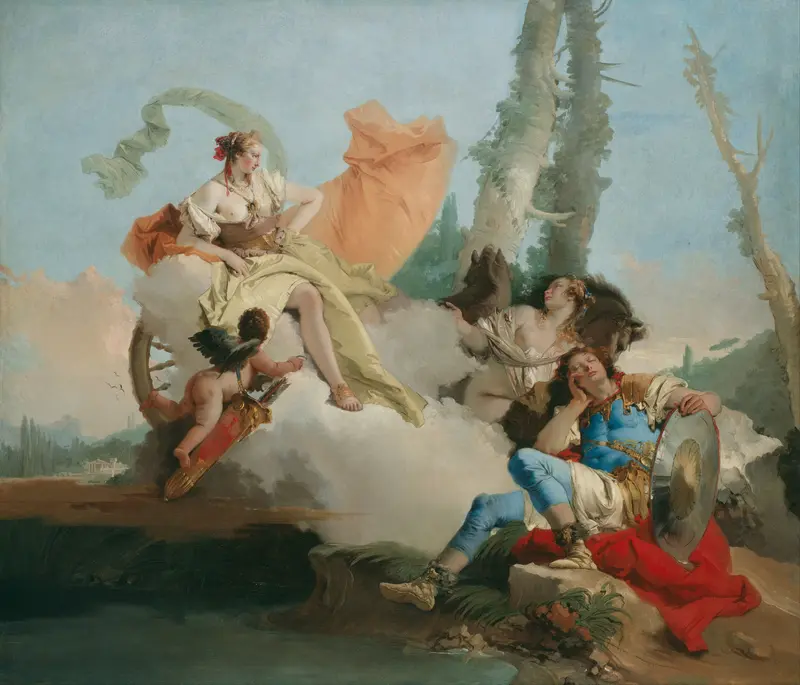
Armida Encounters the Sleeping Rinaldo
Giovanni Battista Tiepolo
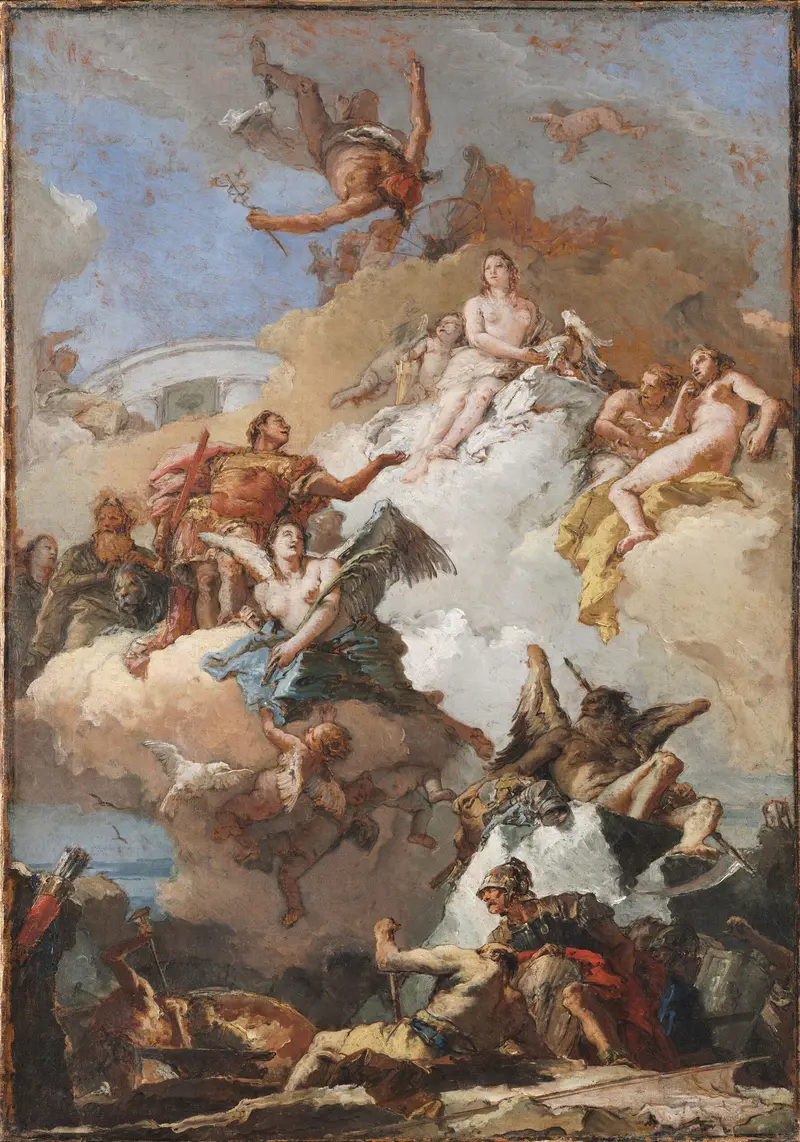
The Apotheosis of Aeneas
Giovanni Battista Tiepolo
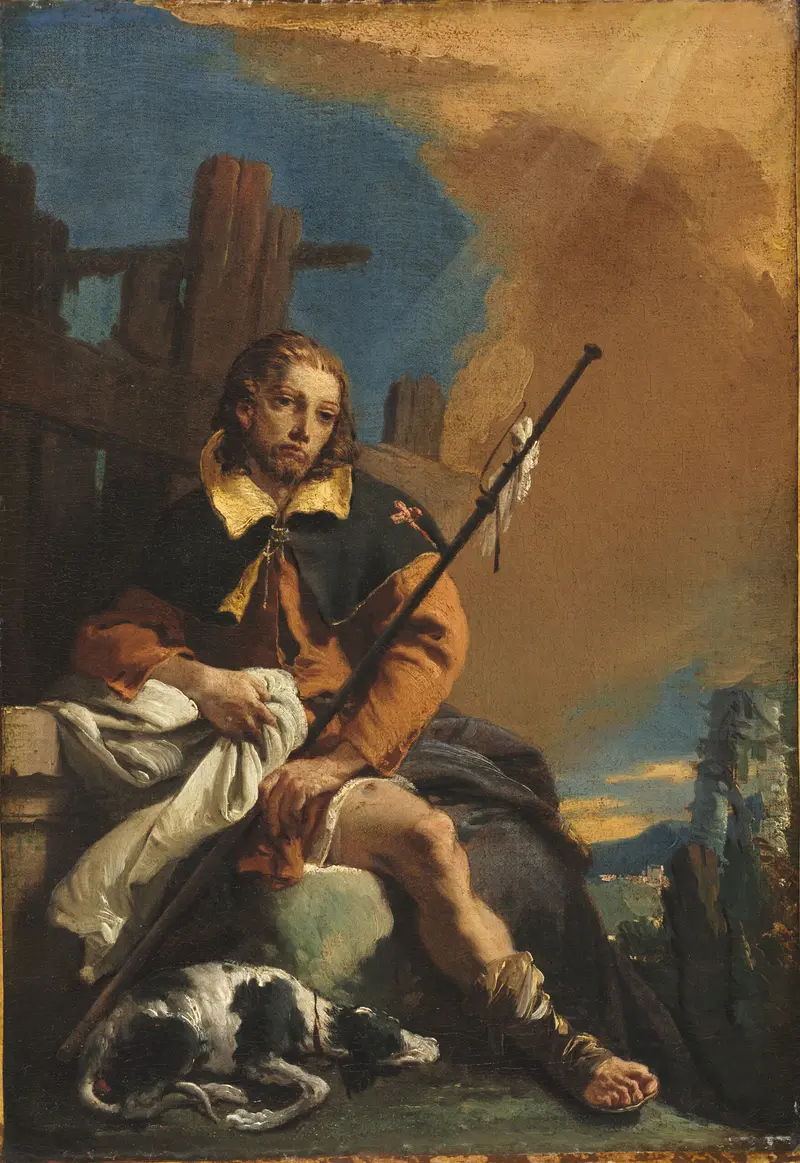
Saint Roch as a Pilgrim
Giovanni Battista Tiepolo
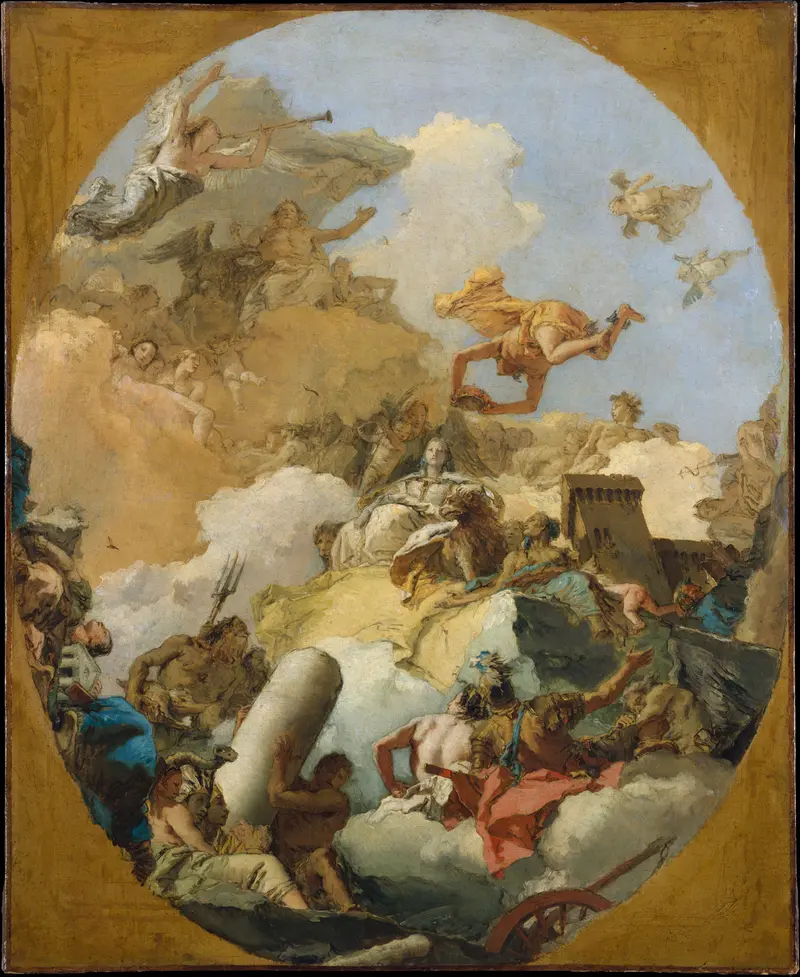
The Apotheosis of the Spanish Monarchy
Giovanni Battista Tiepolo





