
Arabian Stallion Frightened by Two Big Cats — History & Facts
Few artists of the early nineteenth century were as fascinated by the raw drama of animal combat as Théodore Géricault. Among his most gripping works is Arabian Stallion Frightened by Two Big Cats, a painting whose precise date and commission remain uncertain, but which stands out for its electrifying sense of peril. The painting belongs to a celebrated tradition of animalier art, yet Géricault’s treatment is especially notable for its psychological intensity—critics of his time remarked on the "terrible energy" he brought to such scenes.
Unlike the more decorative animal subjects favored by his contemporaries, Géricault’s vision was shaped by the Romantic movement’s appetite for danger, wildness, and the unpredictable forces of nature. At the heart of the canvas, a luminous white stallion recoils in terror, muscles tensed and eyes wide, as two tawny big cats—likely lions or leopards—lurk at its flanks. Géricault captures the precise instant when the horse, caught between fight and flight, senses its predators closing in. The stallion’s raised hoof and flaring nostrils signal panic, while the big cats, crouched low, embody silent menace.
The dramatic play of light isolates the horse against a dark, turbulent background, heightening the sense of imminent violence. Where Eugène Delacroix would later paint similar scenes with more color and movement, Géricault’s approach is stark and immediate, focusing on the psychological confrontation between prey and predator. The exact provenance of Arabian Stallion Frightened by Two Big Cats is not well documented, reflecting the challenges of tracing many of Géricault’s animal subjects, which were sometimes studies for larger compositions or sold privately. What is clear is that the painting belongs to a period when Géricault, after the acclaim of The Raft of the Medusa, turned increasingly to studies of horses and wild animals, both in the Paris menagerie and from life.
Today, the work is recognized as a vivid example of his Romantic sensibility and his technical brilliance in rendering animal anatomy and emotion. Its survival and continued display—whether in public or private hands—testify to the enduring fascination with Géricault’s vision of nature at its most untamed.
More Artworks by Théodore Géricault
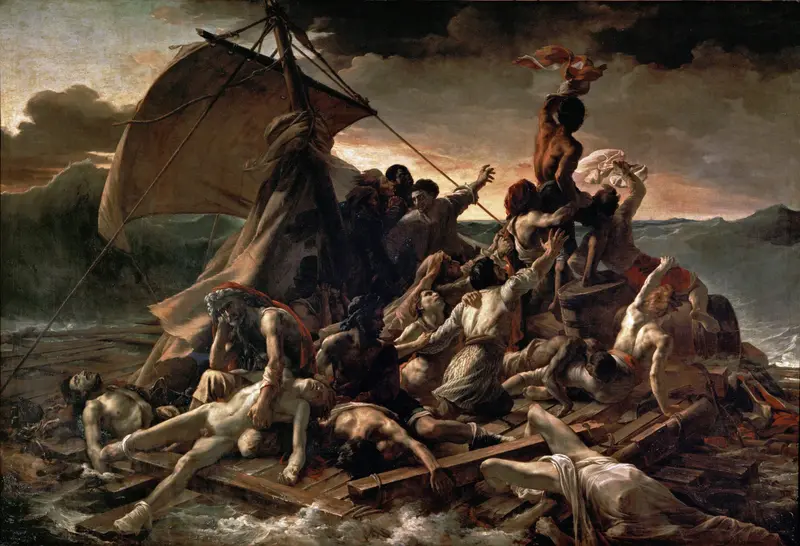
The Raft of the Medusa
Théodore Géricault

Géricault - Le naufrage du radeau de la Méduse, MBA 790
Théodore Géricault
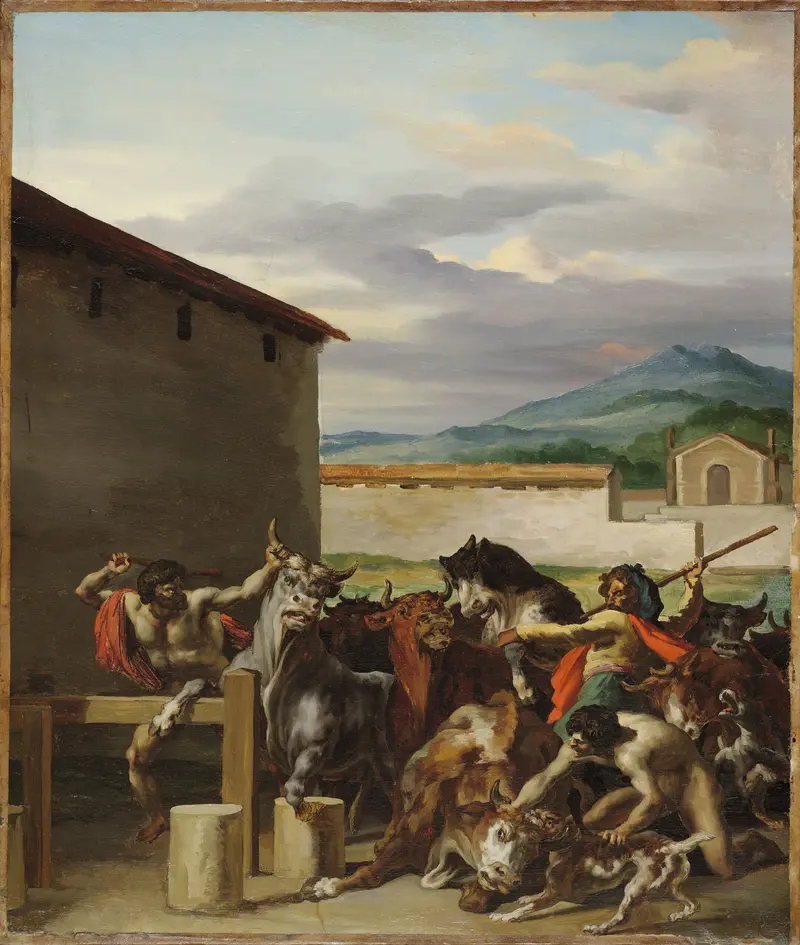
Cattle Market
Théodore Géricault
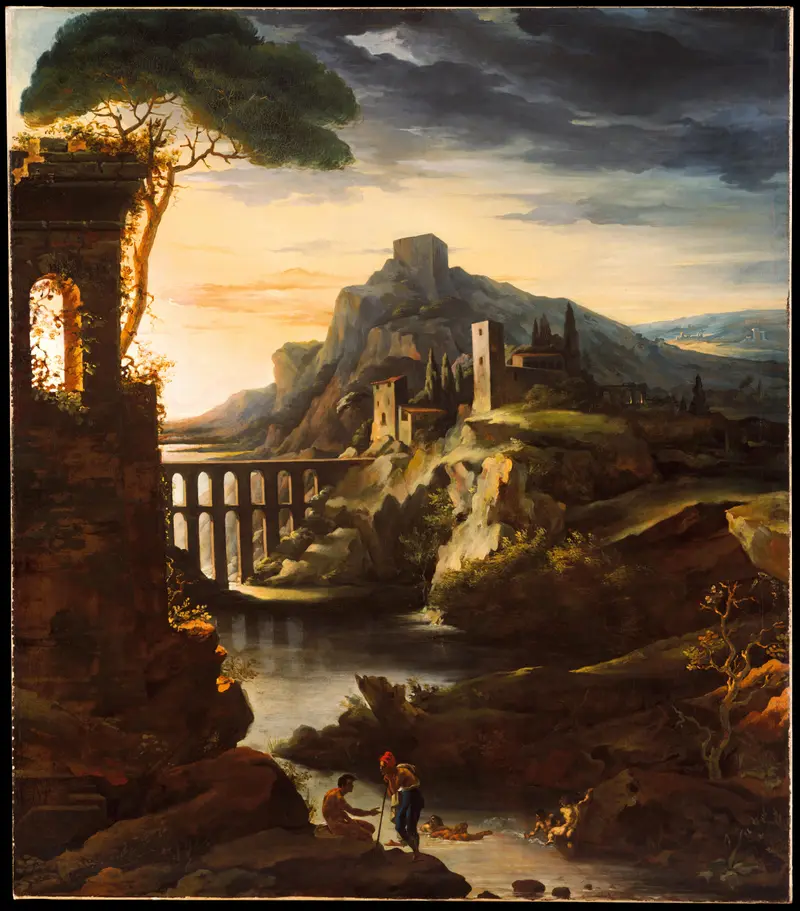
Evening; Landscape with an Aqueduct
Théodore Géricault
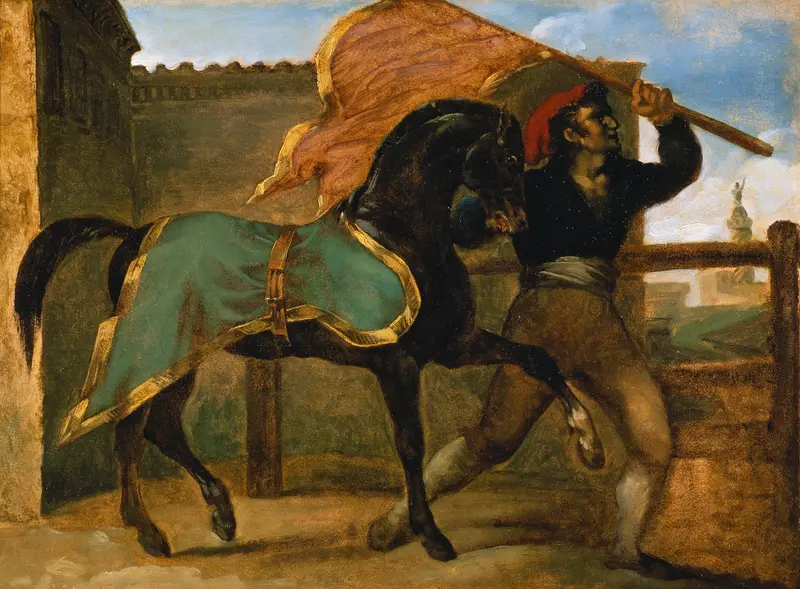
Horse Race
Théodore Géricault

Horses Standing in a Mews
Théodore Géricault
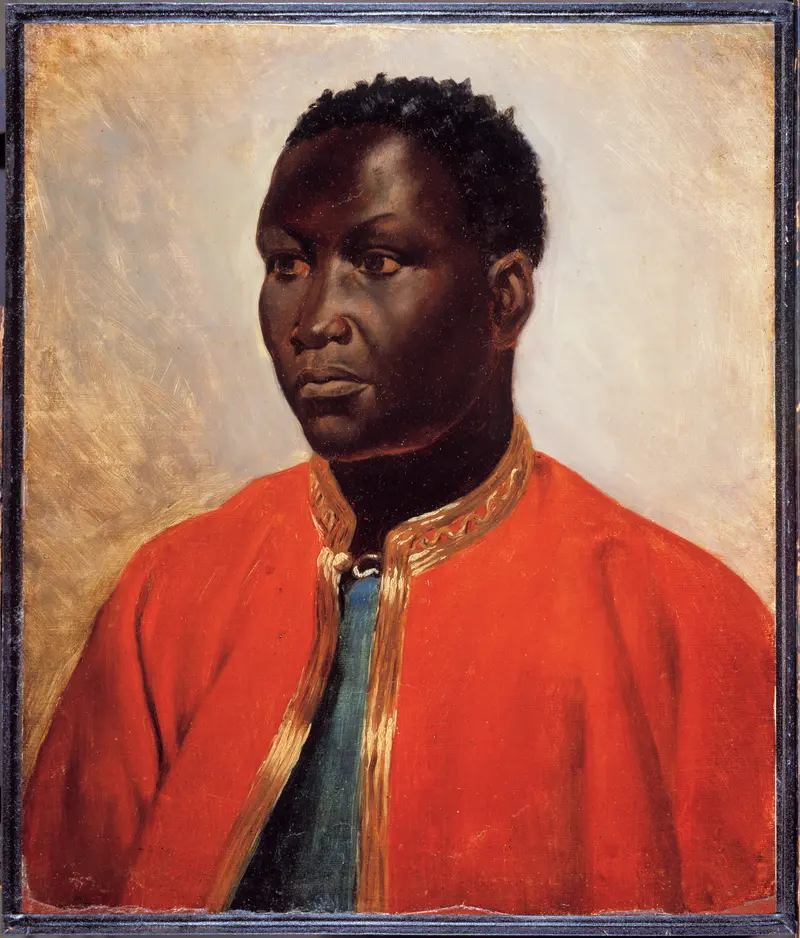
Portrait of a Negro
Théodore Géricault
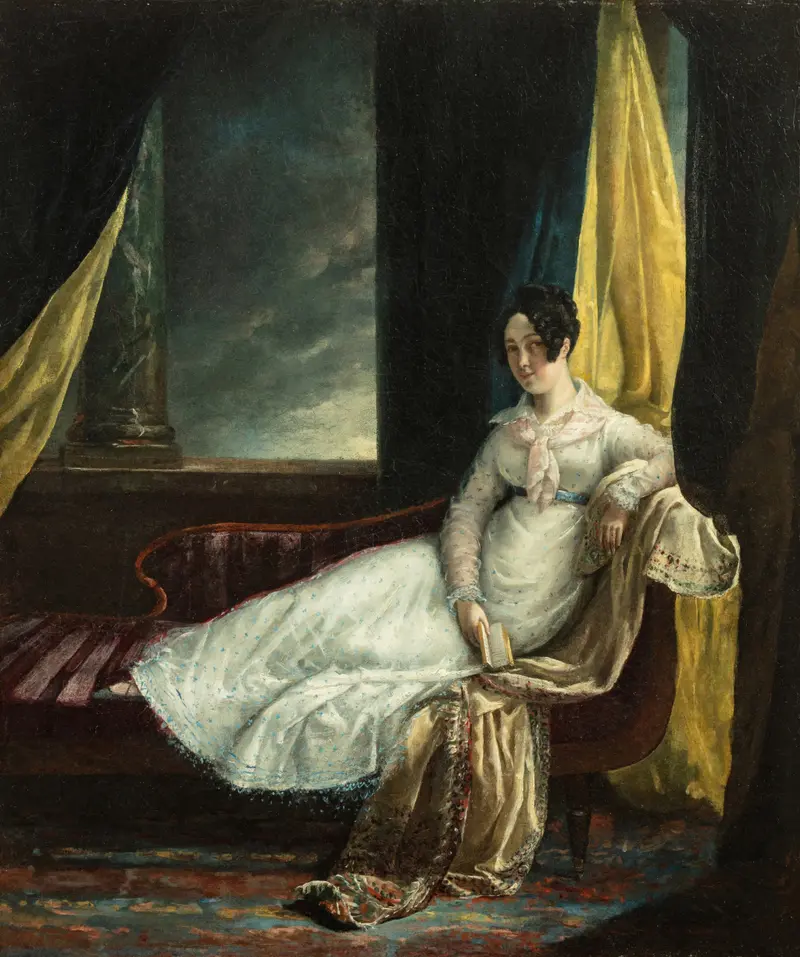
Portrait of Zoë Elmore
Théodore Géricault
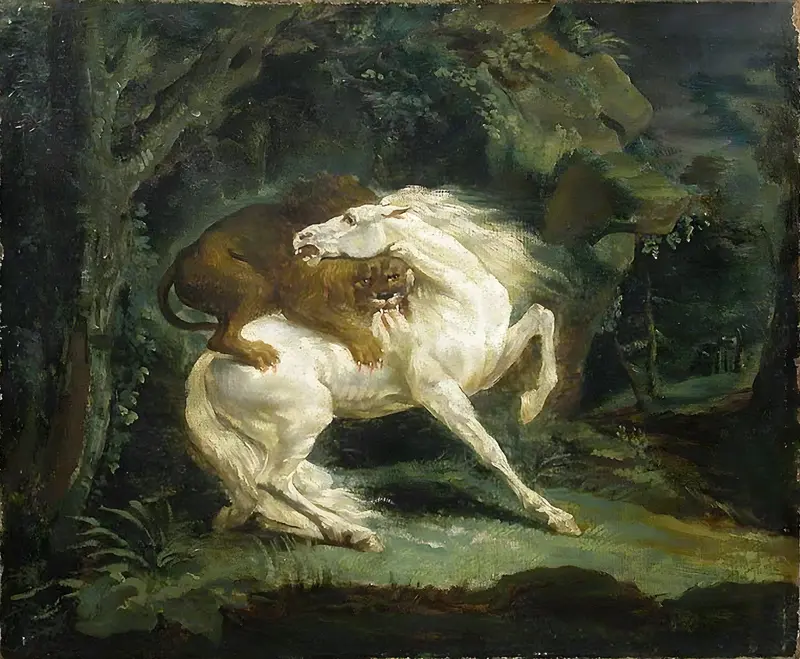
Cheval attaqué par un lion
Théodore Géricault
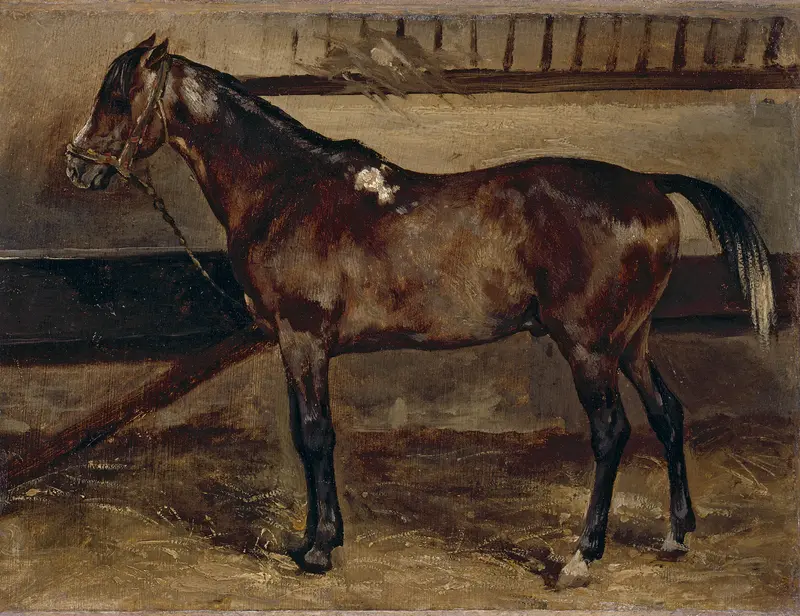
Cheval brun à l'écurie
Théodore Géricault





