
Ariadne — History & Facts
What first draws the eye here is the languid, almost dreamlike pose of the woman in crimson, her arms flung back as if surrendering to sleep or fate. The lushness of her drapery, the poppies and violets at her feet, and the two leopards curled around her create a sense of both danger and protection. Behind her, a ship slips quietly away from the harbor, its sails catching the last light of dusk—a silent narrative unfolding in the distance, while she remains unaware or unwilling to look.
The entire scene is washed in a soft, Mediterranean glow, the sea and sky melting into one another, and the marble balustrade holding the boundary between her world and the departing vessel. Every detail—the tilt of her head, the heavy-lidded eyes, the scattered flowers—conspires to keep the viewer suspended between beauty and loss. Painted in 1898 by John William Waterhouse, this work belongs to a moment when British artists were captivated by myth, legend, and the allure of antiquity. The late nineteenth century saw a revival of interest in classical stories, often filtered through the lens of Pre-Raphaelite color and symbolism.
Works like this were prized by collectors who wanted not only technical brilliance but also a sense of narrative mystery—pictures that seemed to breathe with the old gods and heroines of Greece. Though little is recorded about the specific journey of this painting, it now resides in the Ashmolean Museum, a fitting home for a vision so steeped in myth. Let your gaze linger on the leopards and the departing ship, and imagine the stories that might unfold just beyond the painted edge.
More Artworks by John William Waterhouse
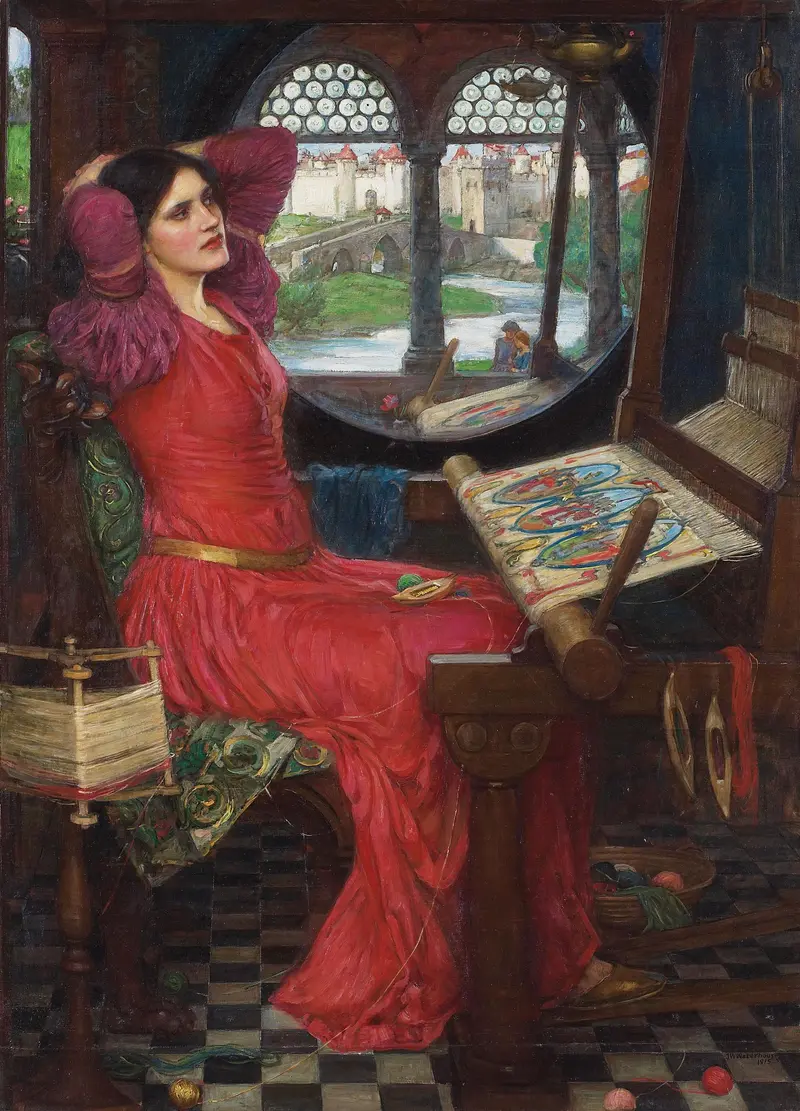
'I Am Half-Sick of Shadows,' Said the Lady of Shalott
John William Waterhouse

The Favourites of the Emperor Honorius, 1883
John William Waterhouse
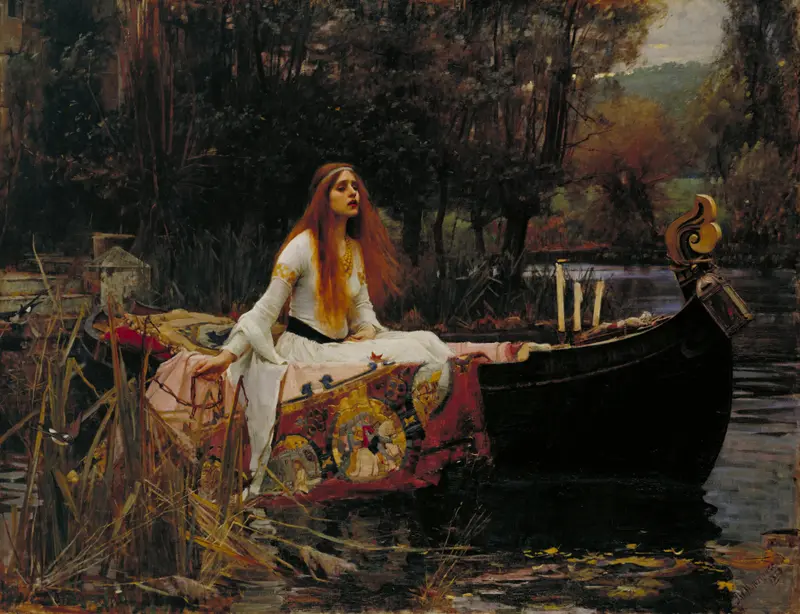
The Lady of Shalott
John William Waterhouse
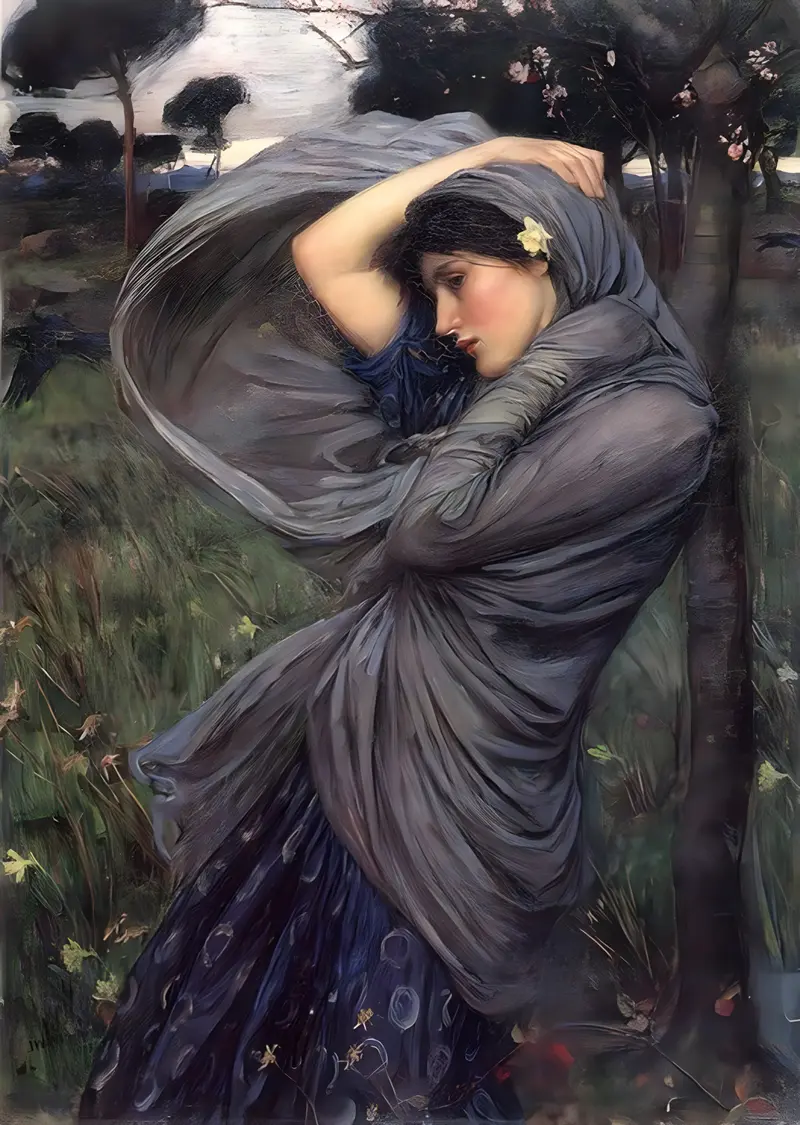
Boreas
John William Waterhouse
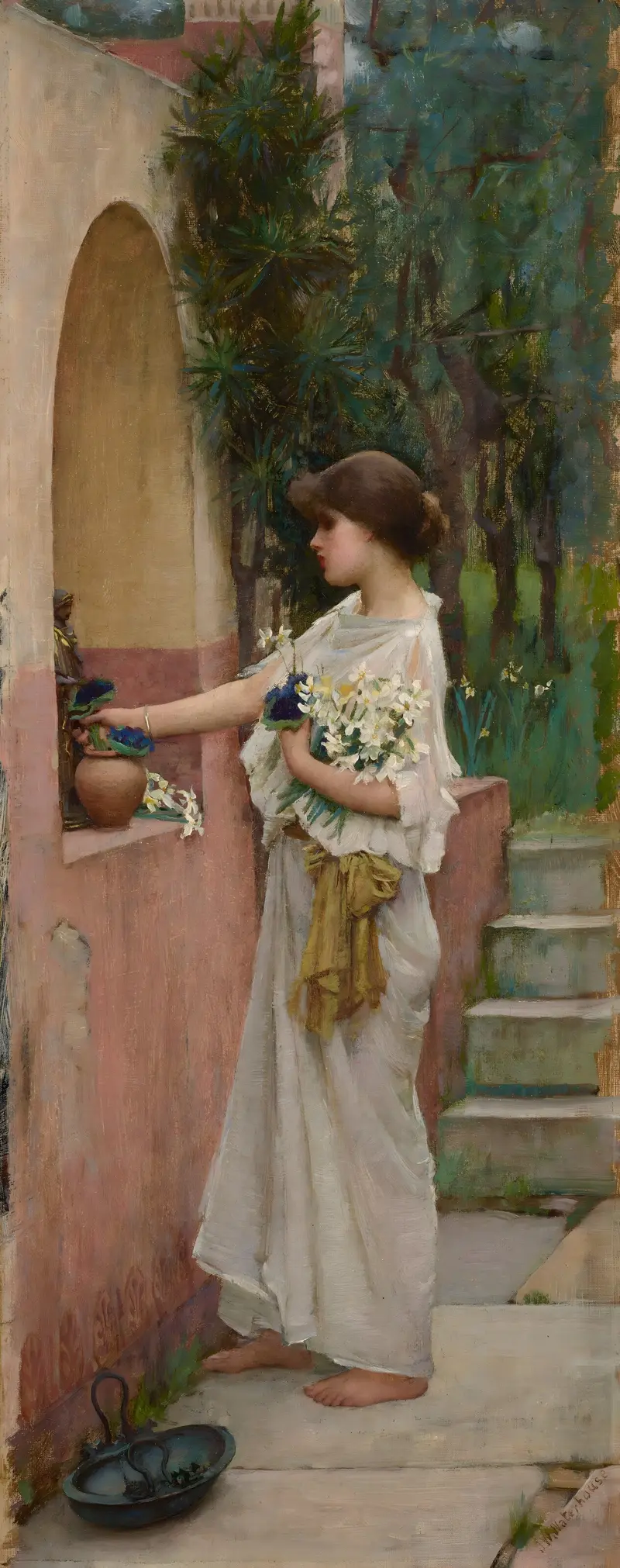
A Roman Offering
John William Waterhouse
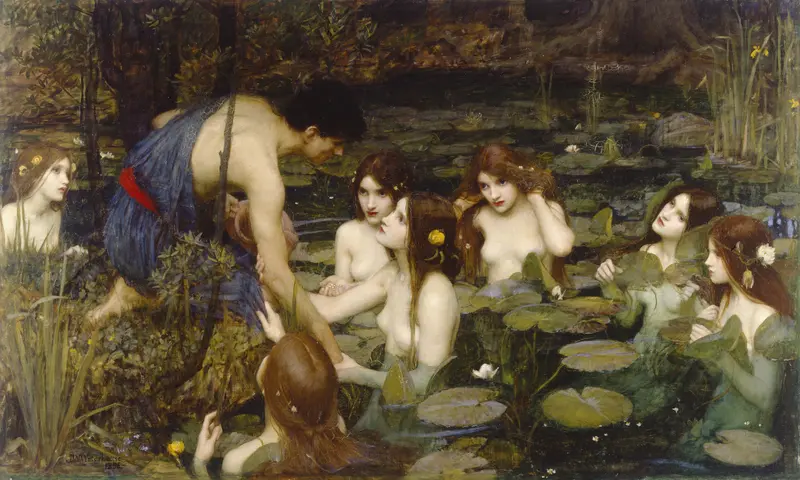
Hylas and the Nymphs
John William Waterhouse
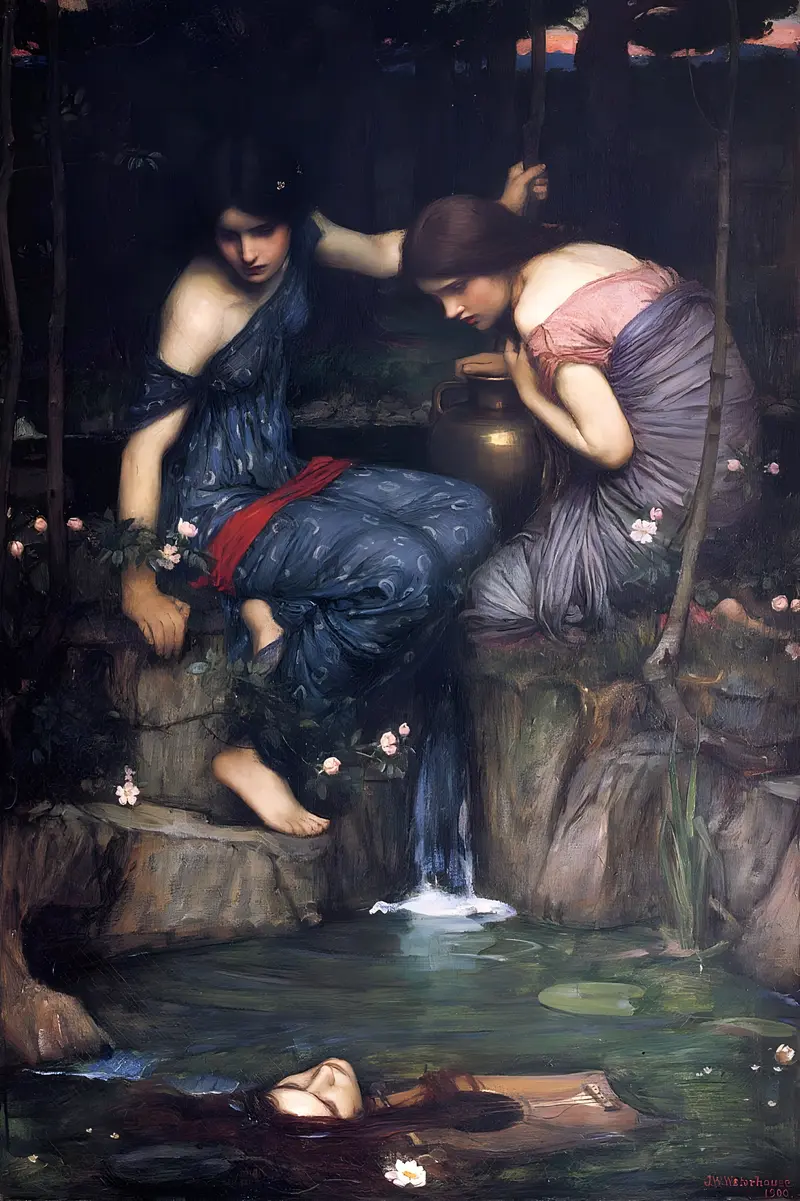
Nymphs Finding the Head of Orpheus
John William Waterhouse
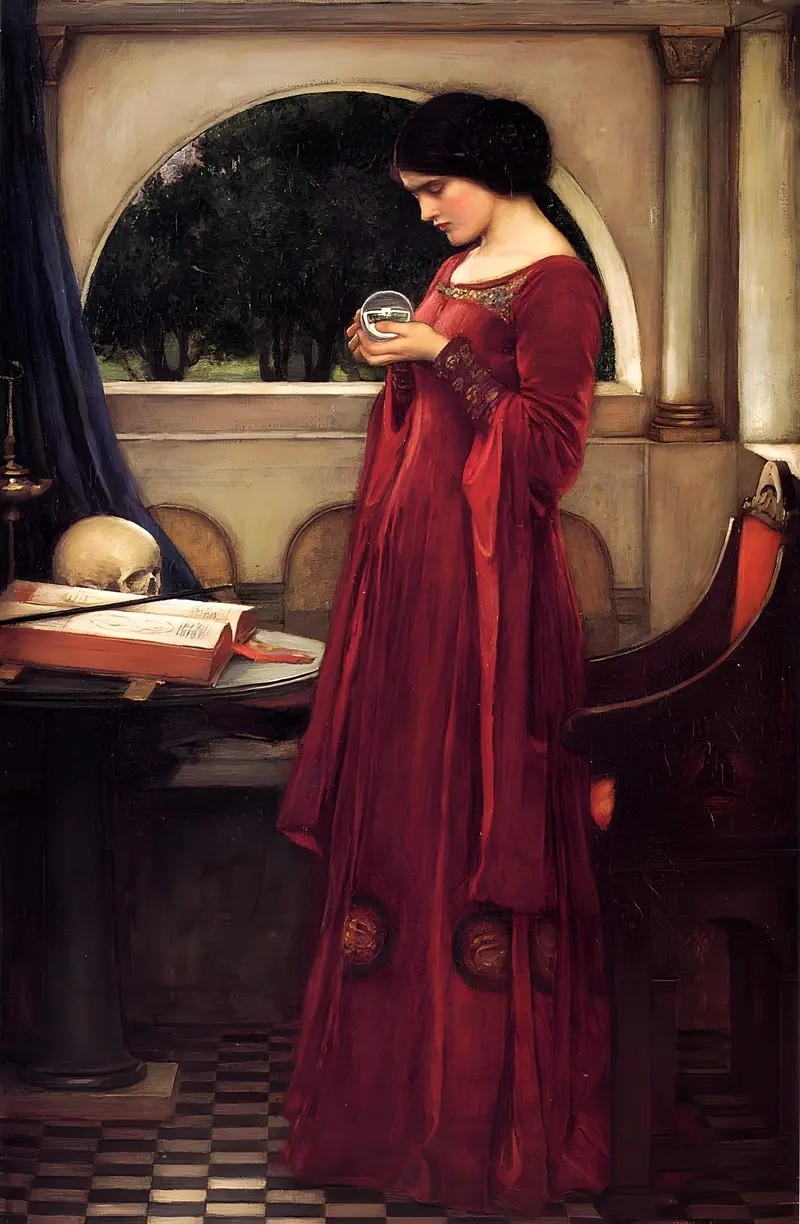
The Crystal Ball
John William Waterhouse
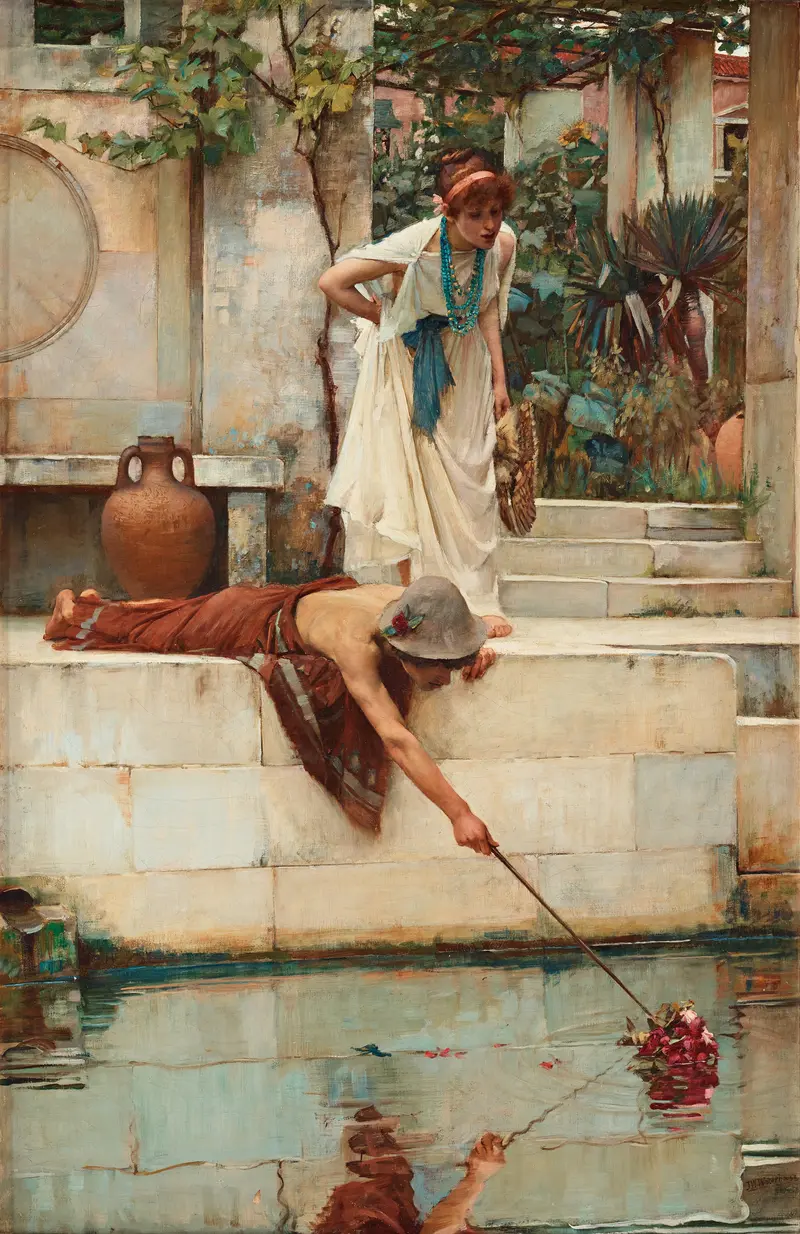
The Rescue
John William Waterhouse
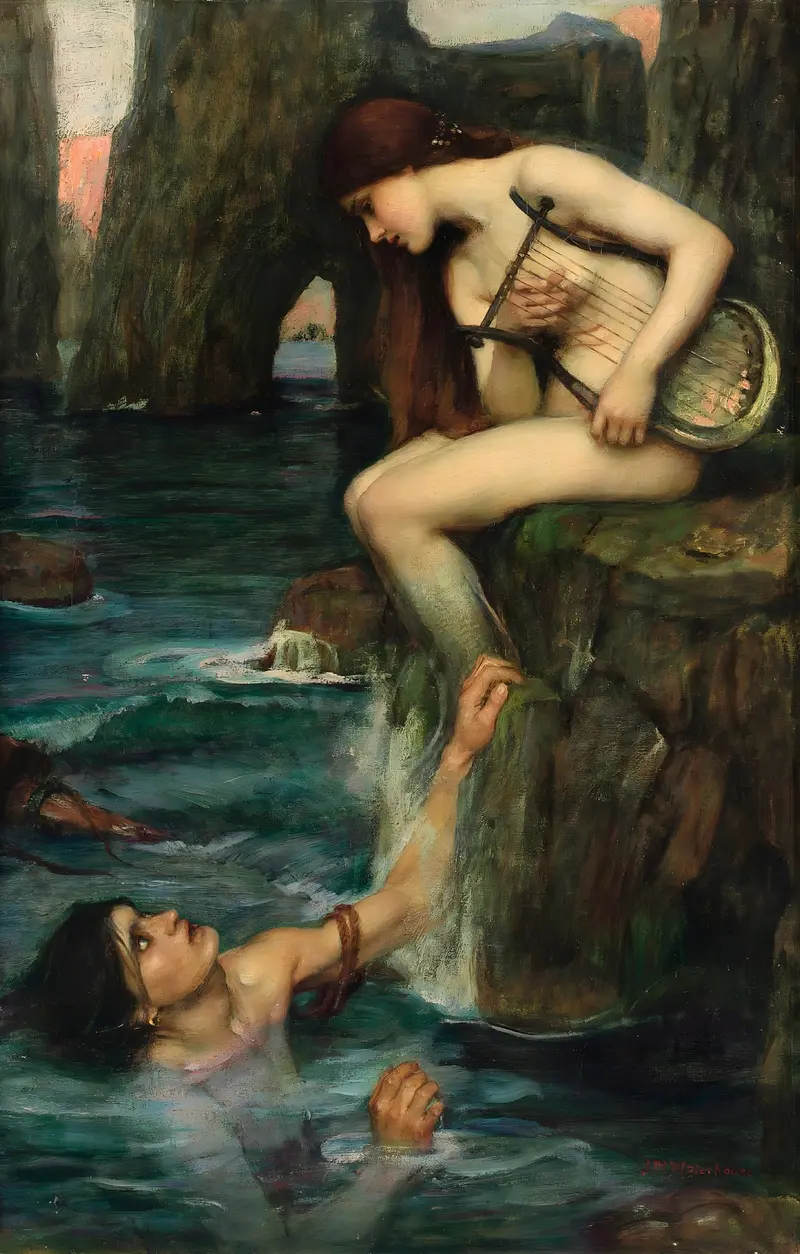
The Siren, 1900
John William Waterhouse





