
Ascension — History & Facts
When Giotto di Bondone painted Ascension around 1291, he was already recognized as a revolutionary force in Italian art, breaking away from the stylized conventions of Byzantine painting. What sets this work apart is its role in the transformation of religious imagery: Giotto’s approach to space and human emotion would set the standard for generations. While the exact original location and commission of Ascension remain uncertain, its style links it closely to the frescoes Giotto created for the Basilica of Saint Francis in Assisi, works that Giorgio Vasari later described as “the light that illuminated all painting thereafter.” The scene captures the climactic moment from the Christian narrative: Christ, having risen from the dead, is lifted to heaven as his astonished disciples and the Virgin Mary look on.
Giotto chooses the instant when Christ’s feet are just leaving the earth, surrounded by a mandorla of angels. The figures below are arranged in a semi-circle, their faces marked by wonder, grief, and awe—each gesture individualized, a hallmark of Giotto’s new realism. The gold background, typical of the period, signals the divine realm, while the careful modeling of drapery and the solidity of the figures root the event in the physical world.
Compared to the more abstract versions by earlier artists like Duccio, Giotto’s disciples are grounded in space, their reactions intensely human. The exact provenance of Ascension is unclear, as is its original medium—panel or fresco—but its style and technique place it firmly within Giotto’s early period, when he was experimenting with narrative clarity and emotional depth. Over centuries, works attributed to Giotto have often been subject to debate, and Ascension is no exception; some scholars argue about its authorship and original context. Today, it stands as a testament to Giotto’s influence on the Proto-Renaissance, whether seen in a museum or studied through reproductions.
Its legacy is the bridge it forms between medieval icon and Renaissance narrative, marking a turning point in Western art.
More Artworks by Giotto di Bondone
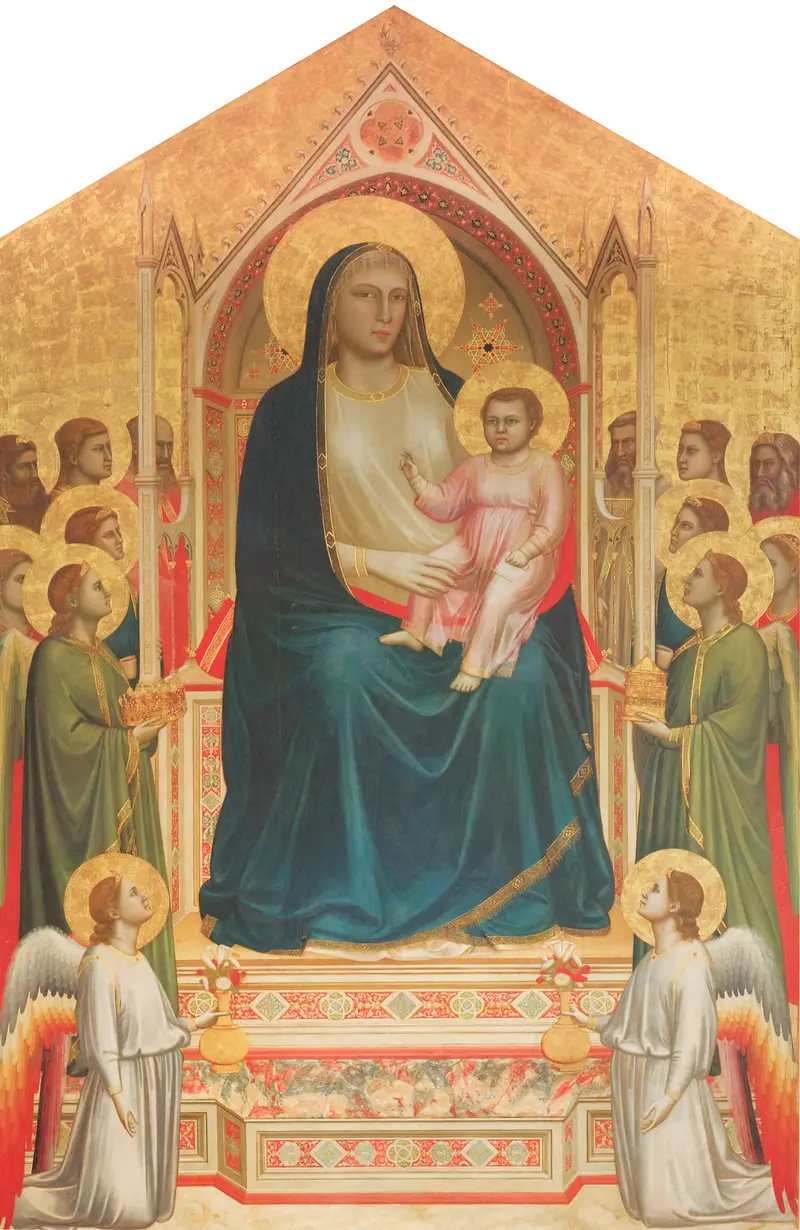
Ognissanti Madonna
Giotto di Bondone
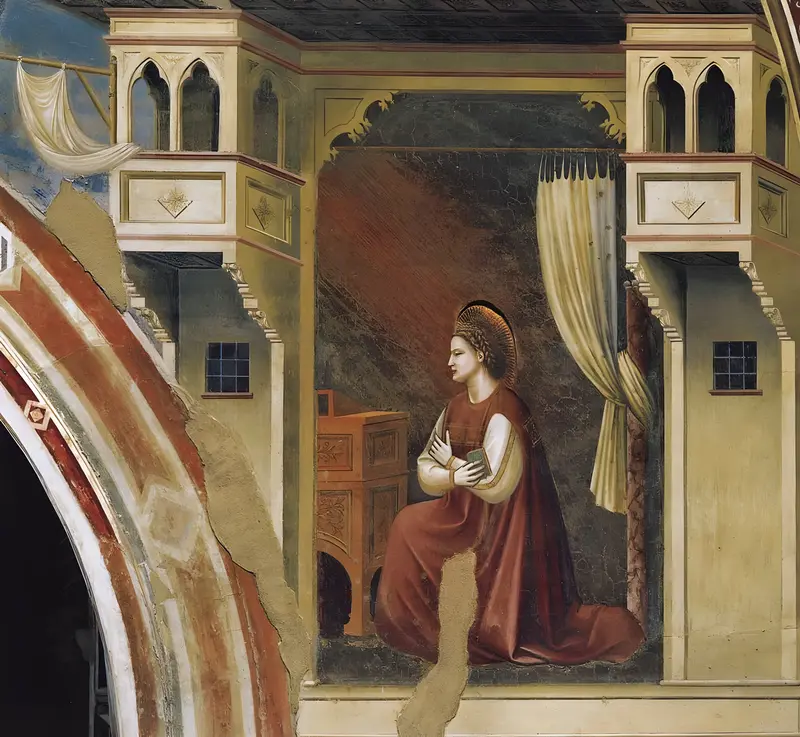
The Virgin of the Annunciation
Giotto di Bondone
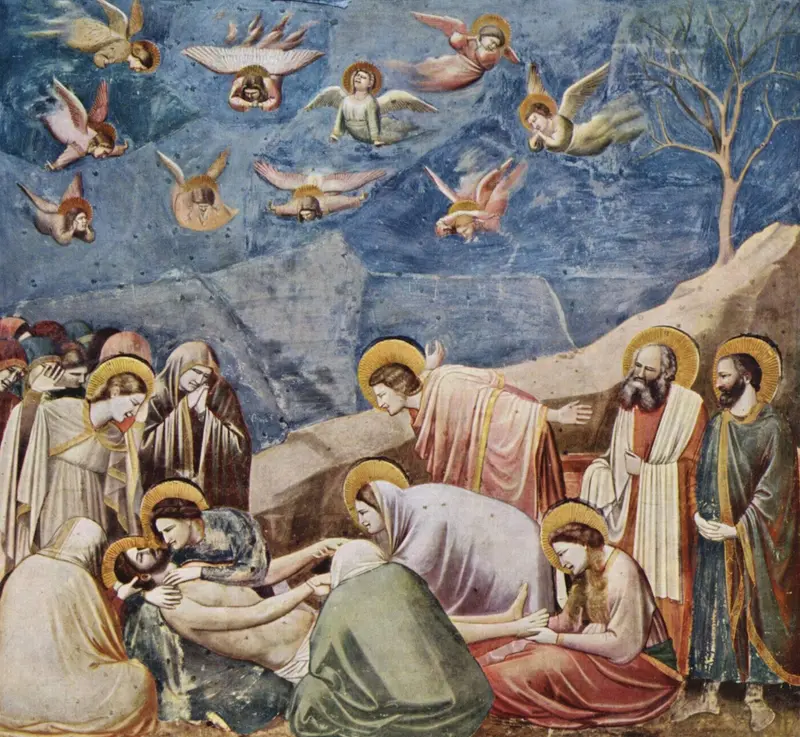
Lamentation (The Mourning of Christ)
Giotto di Bondone
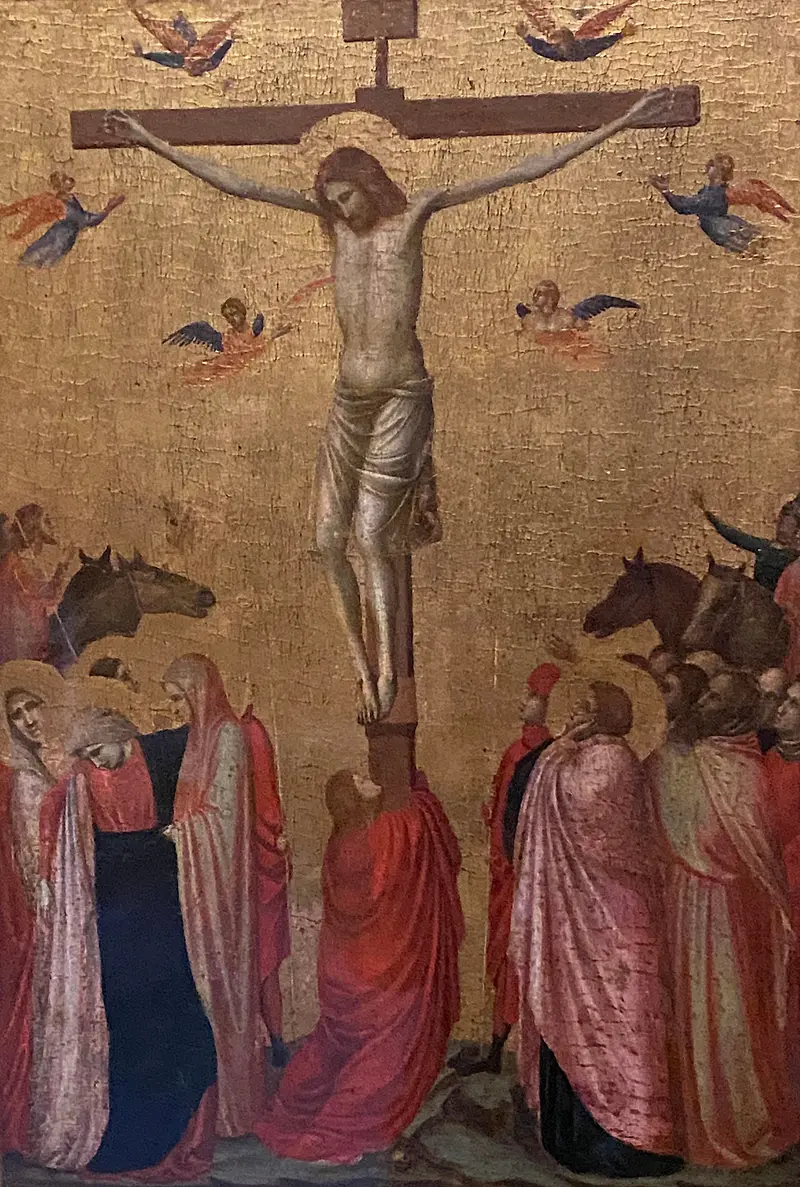
Crucifixion of Strasbourg
Giotto di Bondone
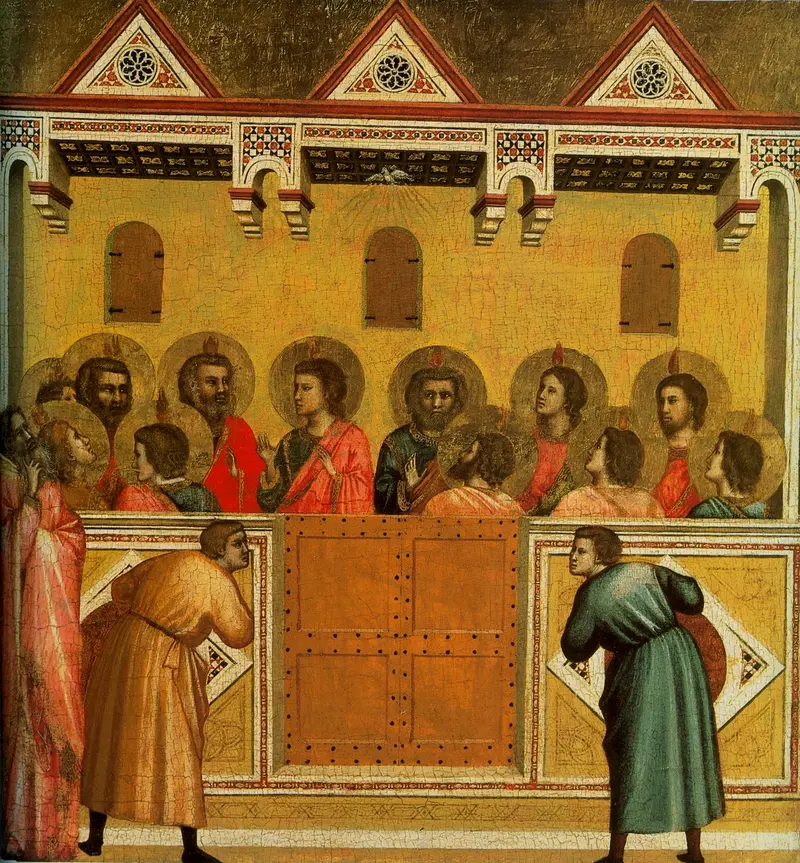
Pentecost
Giotto di Bondone
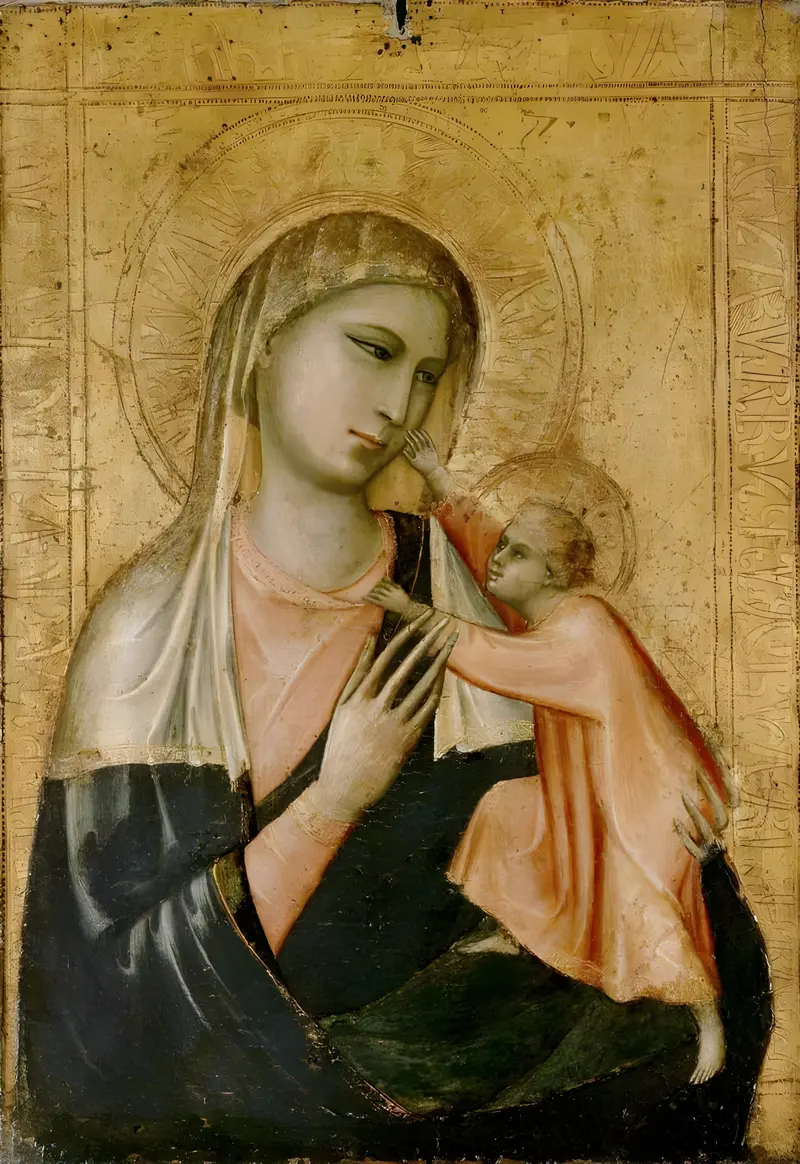
The Virgin and Child
Giotto di Bondone
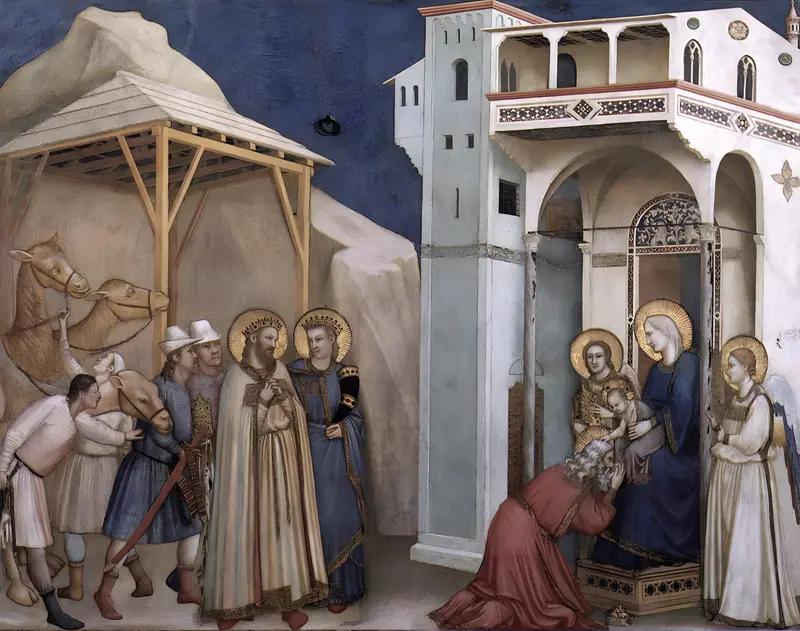
Anbetung der Könige
Giotto di Bondone
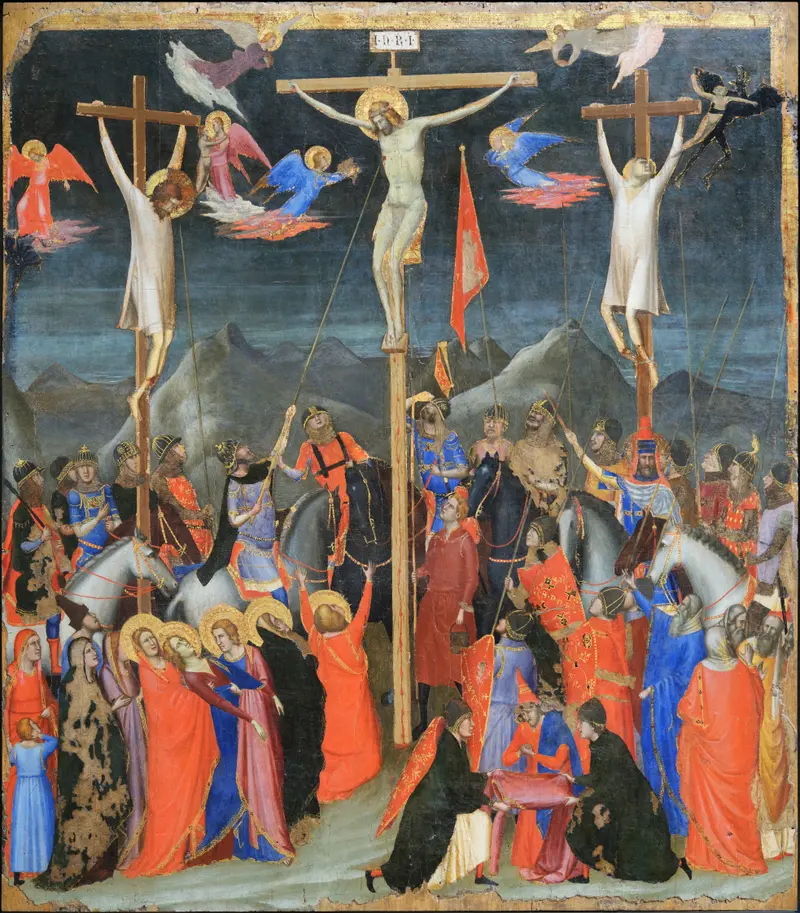
Crucifixion
Giotto di Bondone
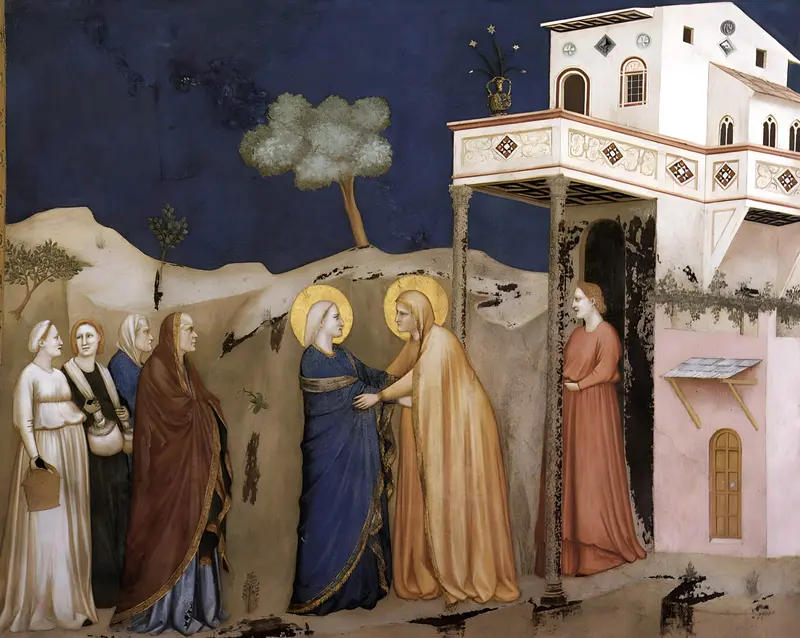
The Visitation
Giotto di Bondone
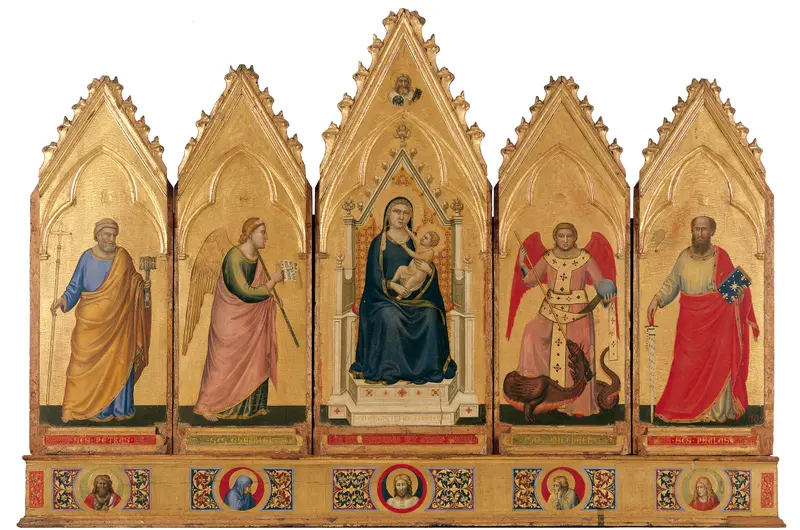
Bologna Polyptych
Giotto di Bondone





