
Association de malfaiteurs — History & Facts
What draws the eye first in Association de malfaiteurs is the huddle itself: a tight knot of men, backs turned, heads bowed together in a conspiratorial ring. Each figure is swallowed by the heavy folds of an overcoat and crowned by a top hat, their faces hidden from view, their intentions sealed by secrecy. The artist, Théophile Alexandre Steinlen, uses the blunt force of black lithographic line to press these businessmen into a single, almost faceless mass, as if their individuality has been erased by the gravity of their shared purpose.
Light falls only where it must—on the rounded shoulders, the glint of a shoe, the faint outline of a hand—leaving the rest to shadow and the viewer’s suspicion. The mood is unmistakable: here, business is not merely business, but something furtive, perhaps even dangerous. Created in 1897, this work belongs to a world where satire was a weapon wielded in print shops and café debates as much as in the halls of power. Steinlen was a master of the illustrated press, and his biting scenes of Parisian life—especially those lampooning the bourgeoisie—were part of a broader movement that saw artists using lithography to reach wide, often radical audiences.
The title, which translates as “criminal association,” is a sly jab at the era’s business elite, suggesting that their private dealings were as suspect as any street crime. Now held in the Bibliothèque nationale de France, and once owned by Atherton Curtis, this print stands as both a product and a critique of its time—a reminder that behind every closed circle, a story waits to be uncovered.
More Artworks by Théophile Alexandre Steinlen

Village et charrette
Théophile Alexandre Steinlen
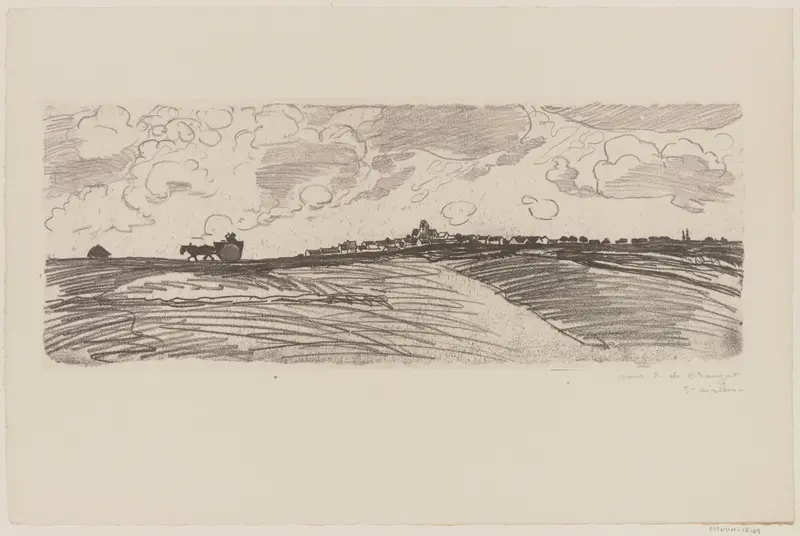
Village et charrette
Théophile Alexandre Steinlen
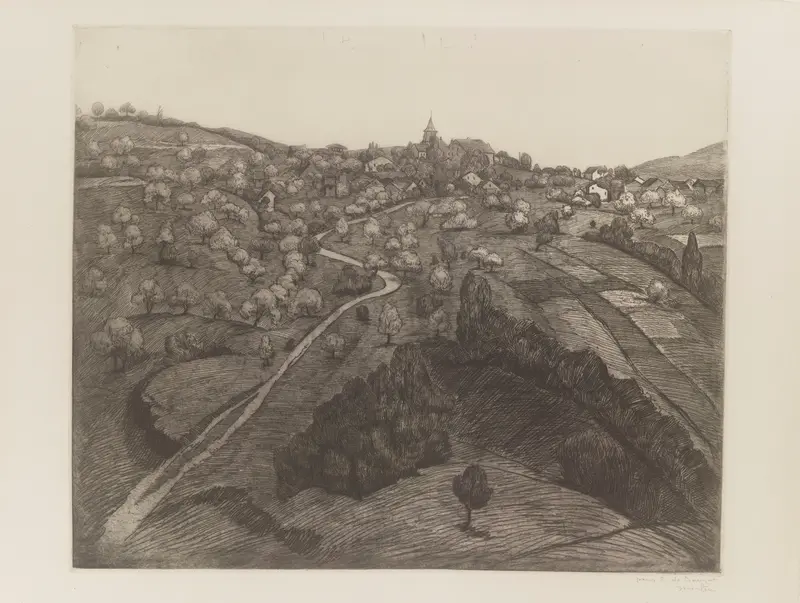
Vue de Belmont, près de Lausanne
Théophile Alexandre Steinlen
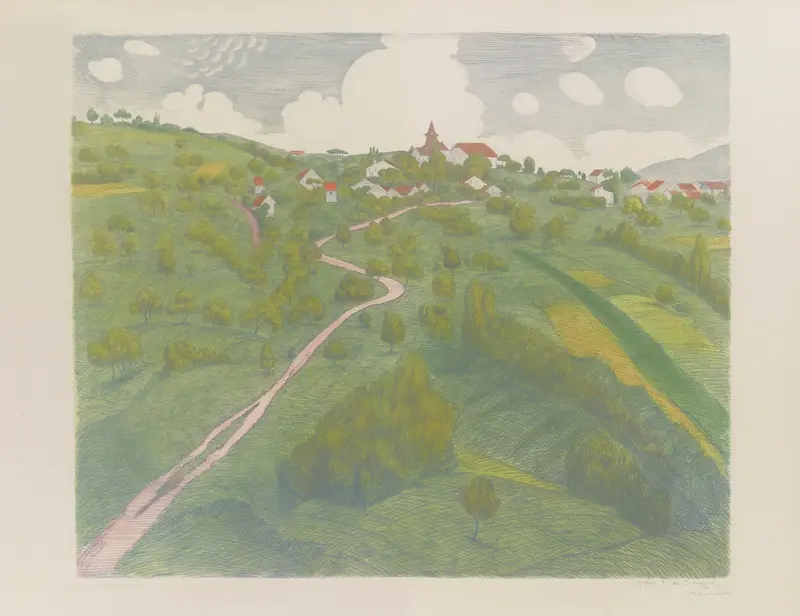
Vue de Belmont, près de Lausanne
Théophile Alexandre Steinlen
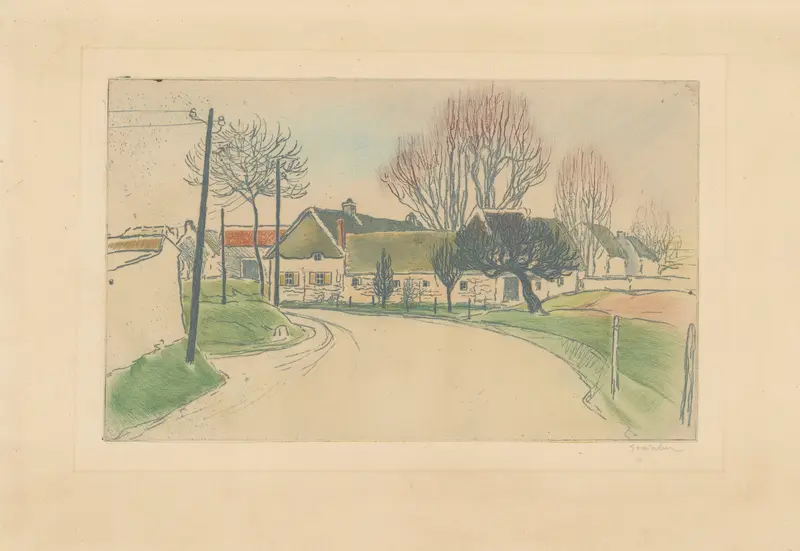
La maison à l’entrée du village
Théophile Alexandre Steinlen
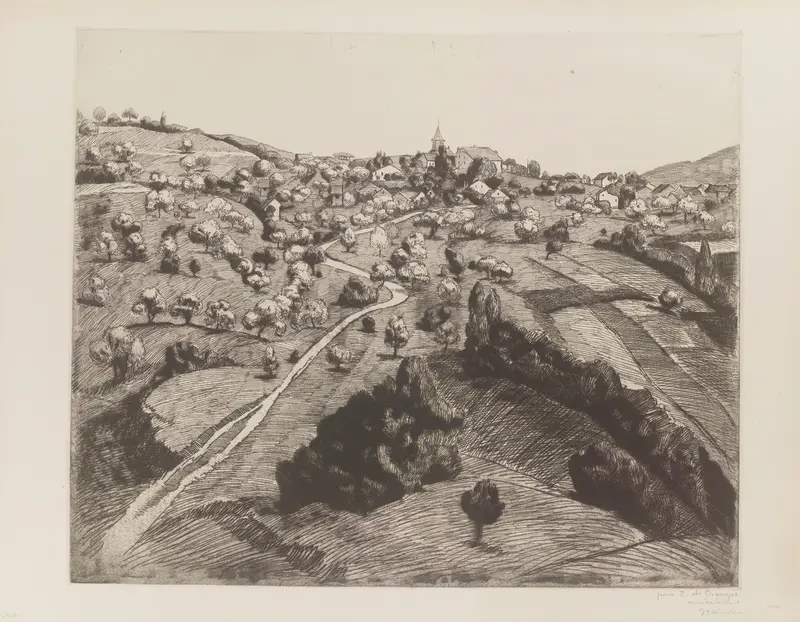
Vue de Belmont, près de Lausanne
Théophile Alexandre Steinlen
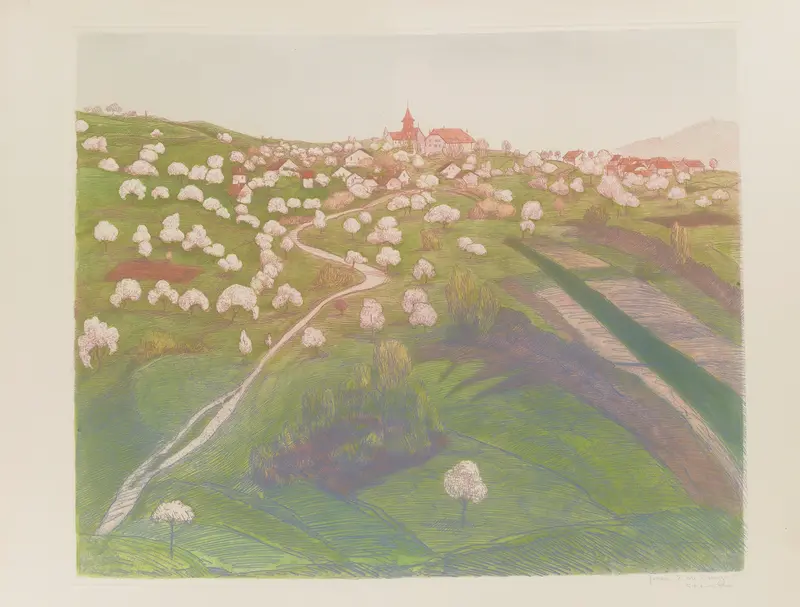
Vue de Belmont, près de Lausanne, n° 2
Théophile Alexandre Steinlen
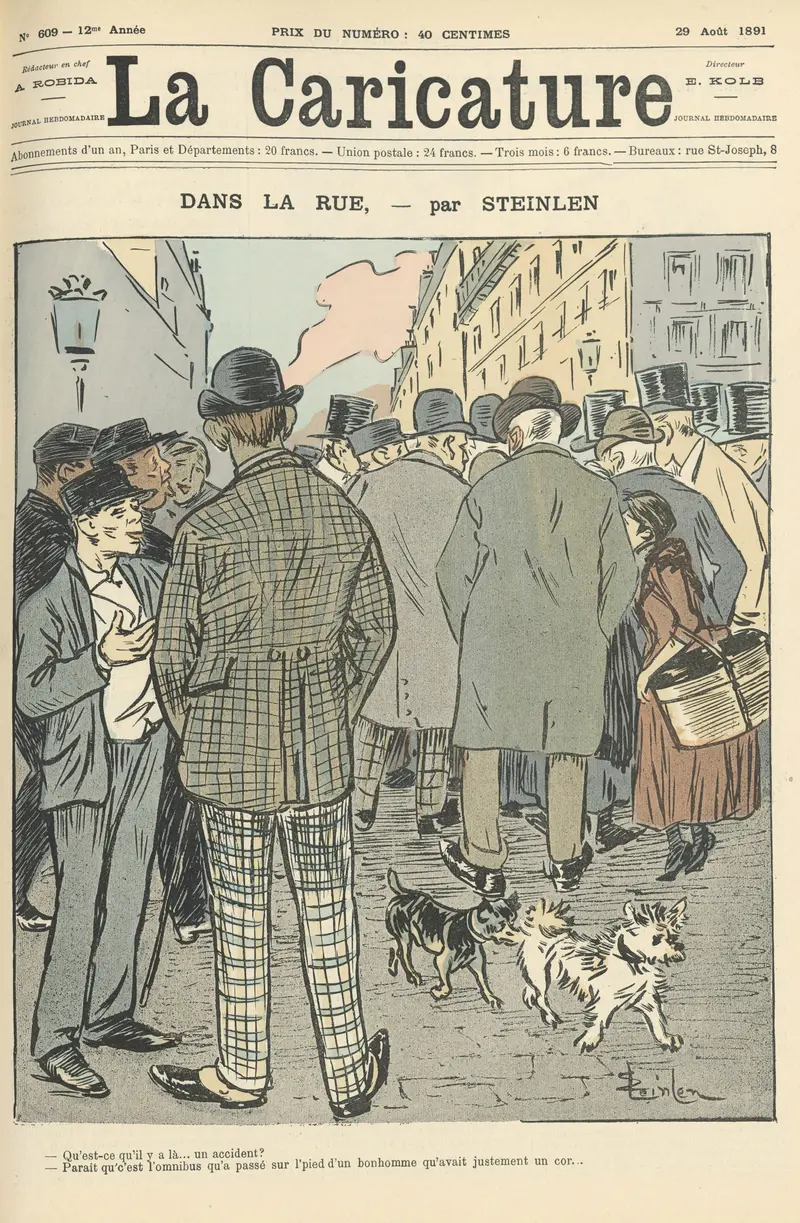
Dans la rue (La Caricature, 29 août 1891)
Théophile Alexandre Steinlen
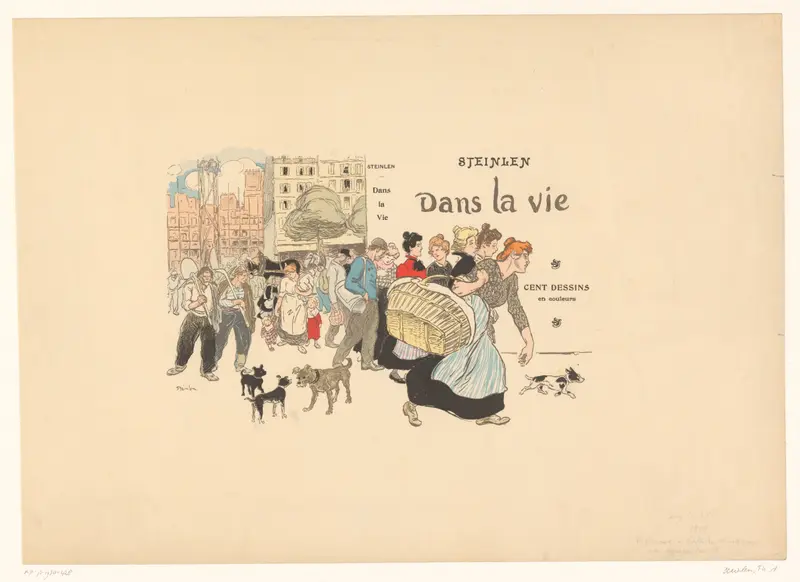
Dans la vie
Théophile Alexandre Steinlen
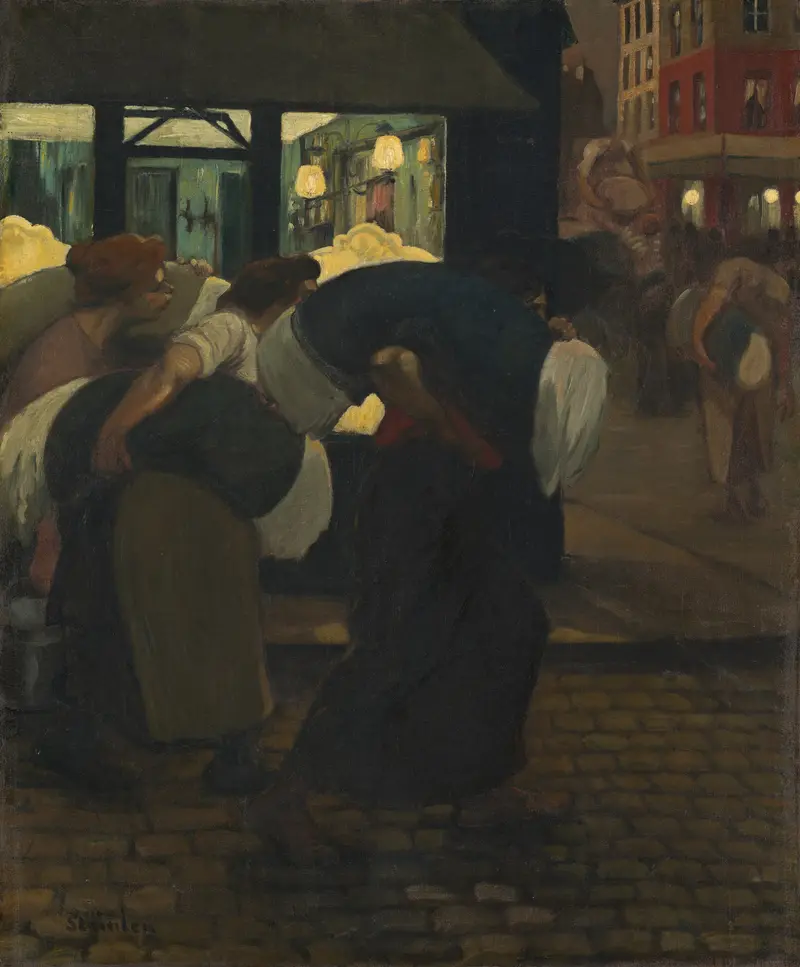
The Laundresses
Théophile Alexandre Steinlen
More Genre Scene Art

Banquet of the Officers of the St George Civic Guard
Frans Hals

Rembrandt and Saskia in the Scene of the Prodigal Son
Rembrandt van Rijn

Bal du moulin de la Galette
Pierre-Auguste Renoir

Quadrille at the Moulin Rouge
Henri de Toulouse-Lautrec

A Burial at Ornans
Gustave Courbet

When Will You Marry?
Paul Gauguin