
At the Tooth Puller’s — History & Facts
What grips the viewer first in At the Tooth Puller’s is the raw, unfiltered drama of pain and anticipation, frozen at its peak. The central figure, mouth agape and fists clenched in the air, is caught in the throes of a tooth being wrenched from his jaw. The tooth puller leans in with practiced force, his face set in concentration, while a woman—perhaps a helper or anxious relative—steadies the patient with a firm grip.
The dim interior, rendered in earthy browns and ochres, presses in around them, the light drawing our gaze to the contorted face and the tense, awkward ballet of bodies. In the shadowed background, another figure slumps over a table, lost in his own world, a silent witness to the spectacle. This is the world of the seventeenth-century Low Countries, where scenes of everyday hardship and humor became a favored subject for painters like Adriaen Brouwer. Works like this, painted around 1650 and now in the Museum of Fine Arts Ghent, offered viewers a slice of common life—often with a wry or moralizing edge.
In an age before modern dentistry, the tooth puller was both a figure of dread and necessity, and artists seized on such moments to explore the extremes of human expression. These paintings were prized not by nobles, but by the rising merchant and artisan classes, who saw their own lives—pain, grit, and all—mirrored on the canvas. Look again at the clenched hands and the half-lit faces: Brouwer invites us to feel the sting, and perhaps to laugh at the universality of discomfort.
More Artworks by Adriaen Brouwer

The Smokers
Adriaen Brouwer
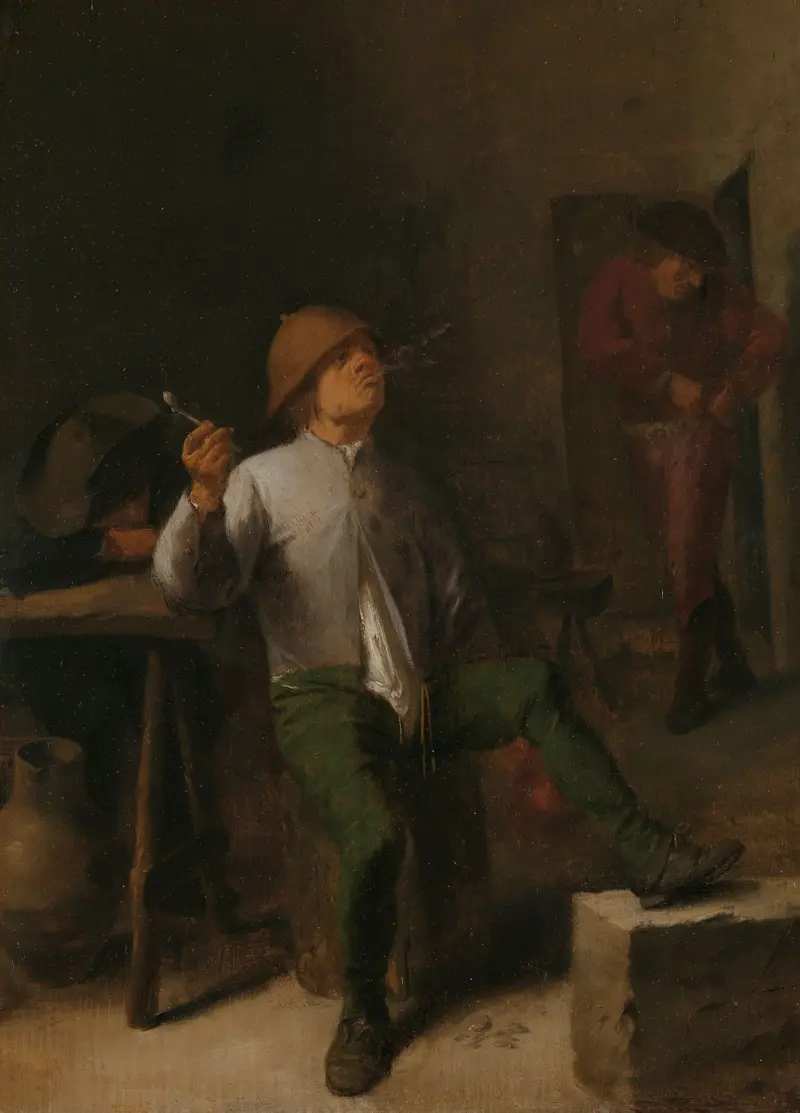
The Smoker
Adriaen Brouwer
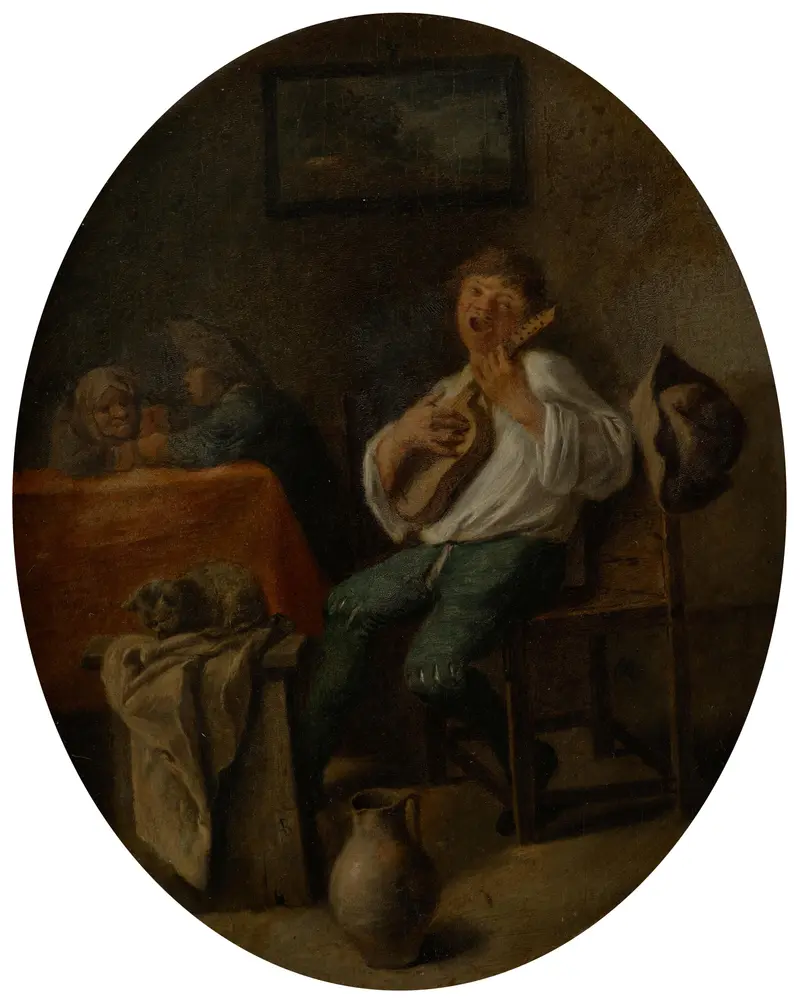
The Guitar Player
Adriaen Brouwer
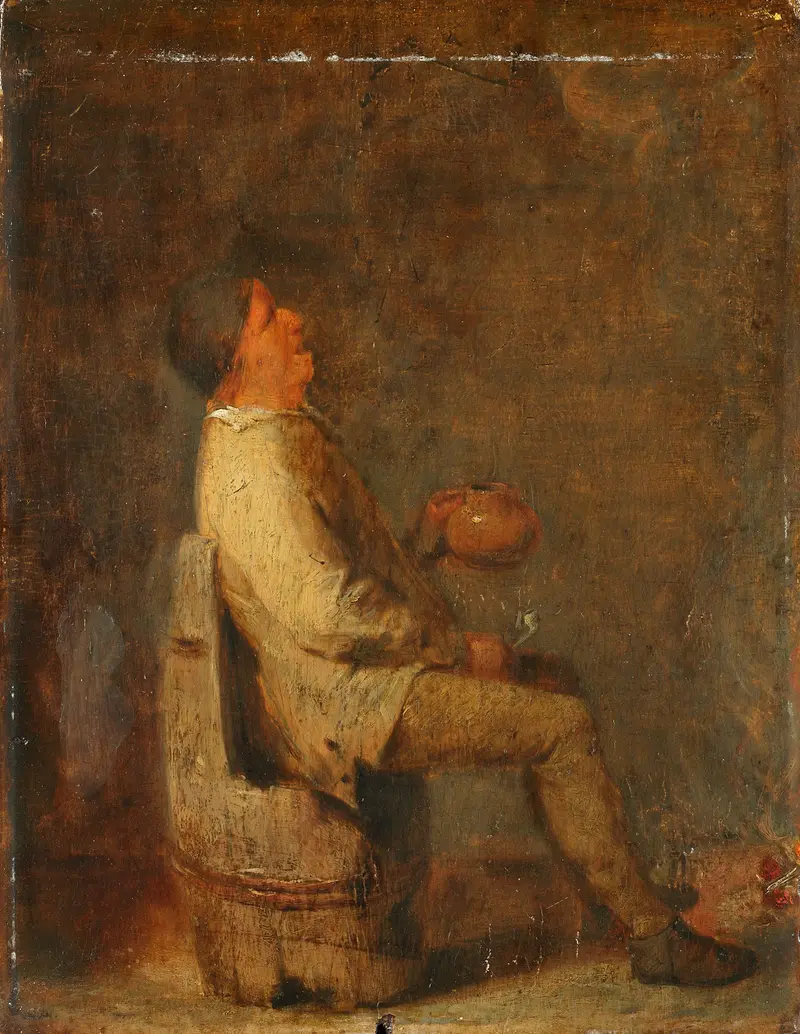
A Peasant Singing
Adriaen Brouwer
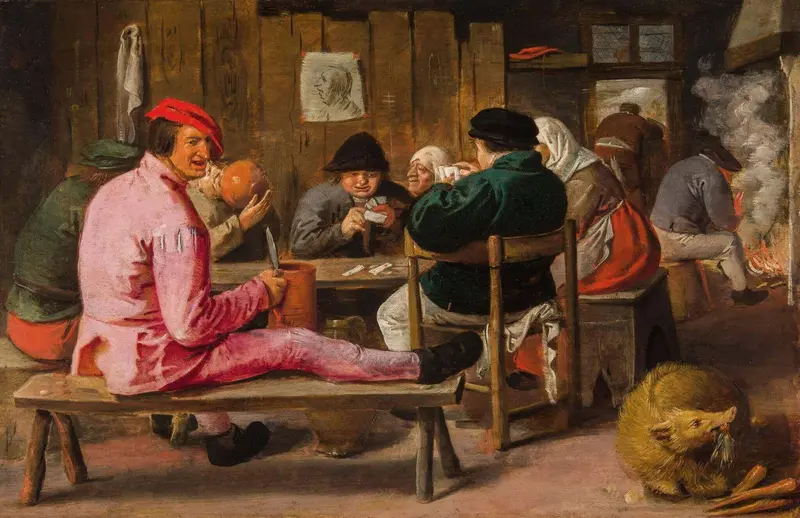
Merry Peasants in an Inn
Adriaen Brouwer
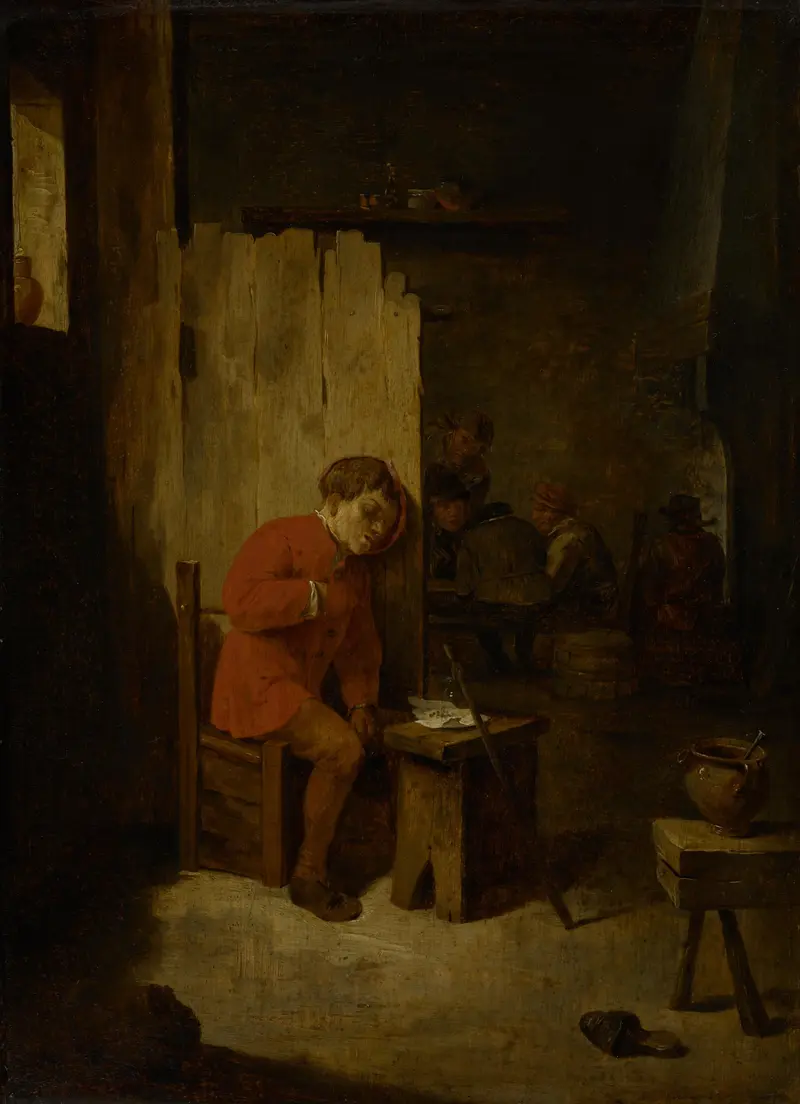
Nachahmer, Schlafender Bauer 853G Gemäldegalerie
Adriaen Brouwer
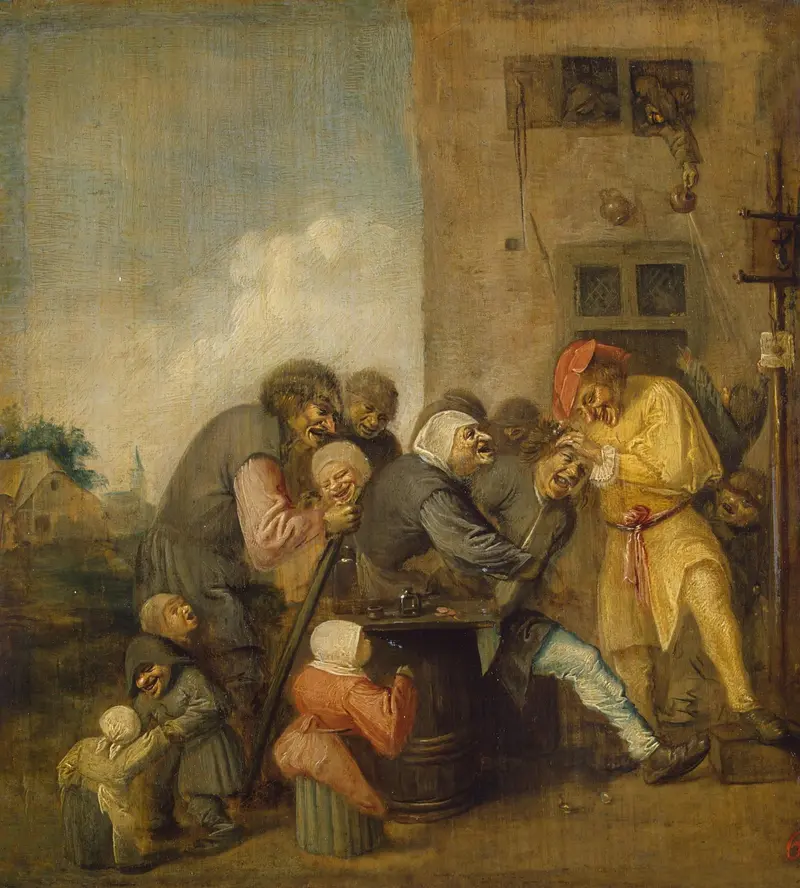
Village Charlatan (The Operation for Stone in the Head)
Adriaen Brouwer
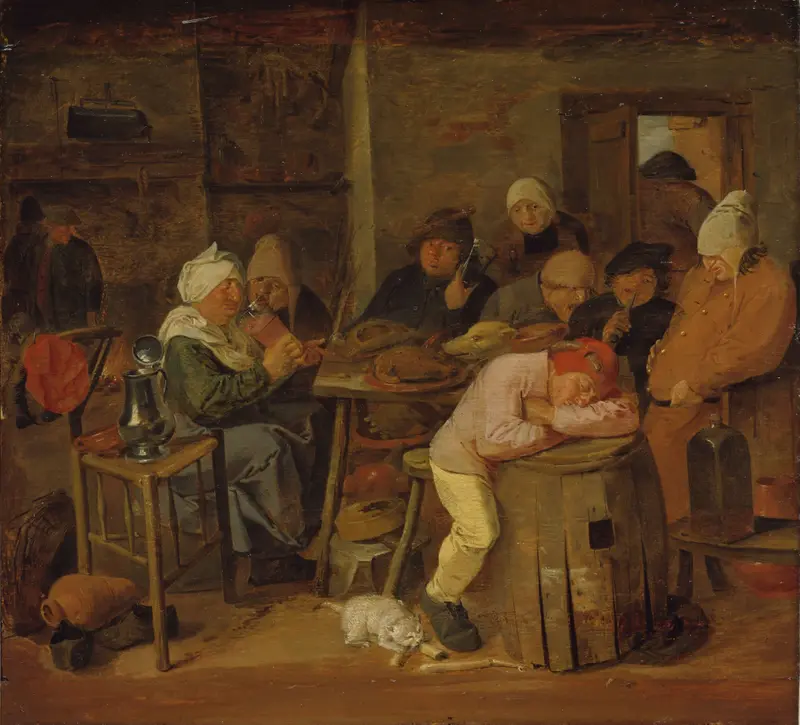
Peasants in an interior (The slaughter feast)
Adriaen Brouwer
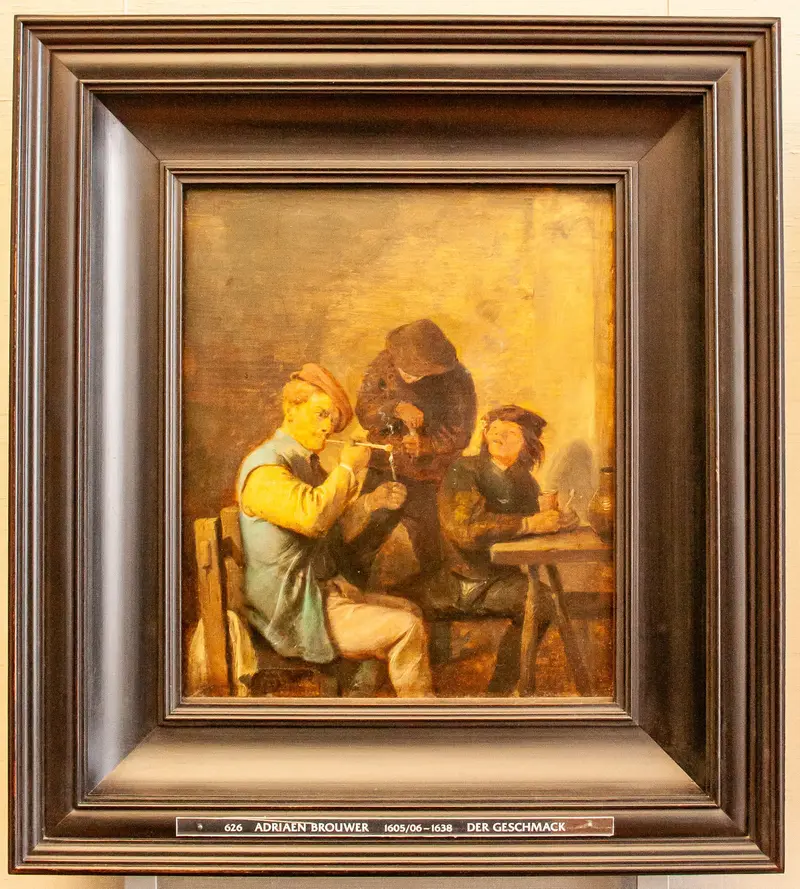
The Taste
Adriaen Brouwer
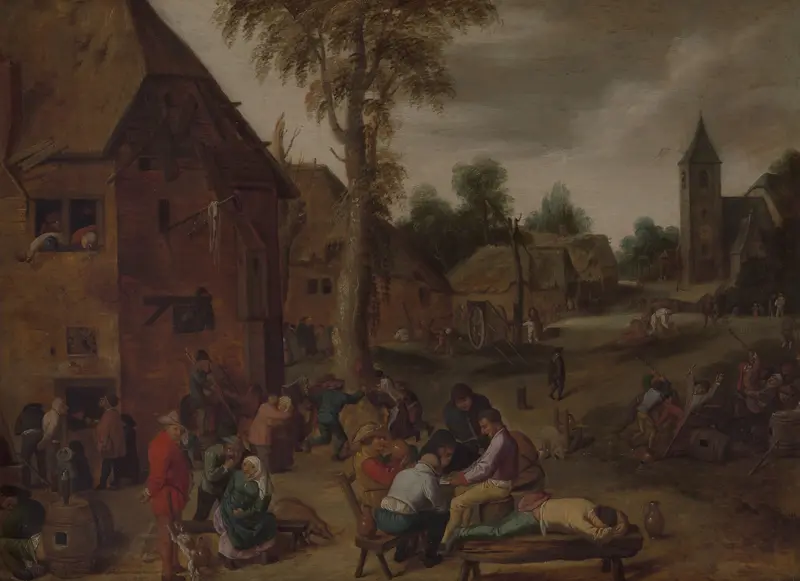
A Fair
Adriaen Brouwer
More Genre Scene Art

Banquet of the Officers of the St George Civic Guard
Frans Hals

Rembrandt and Saskia in the Scene of the Prodigal Son
Rembrandt van Rijn

Bal du moulin de la Galette
Pierre-Auguste Renoir

Quadrille at the Moulin Rouge
Henri de Toulouse-Lautrec

A Burial at Ornans
Gustave Courbet

When Will You Marry?
Paul Gauguin