
Banditti at Rest — History & Facts
A crumbling colonnade, overgrown and monumental, becomes the unlikely stage for a gathering that feels both theatrical and illicit. The first thing to catch the eye is the restless energy of the figures scattered among the ruins—some lounging, some gesturing, others caught mid-task—each absorbed in their own world beneath the towering statues and broken arches. Weapons and banners hang from the columns, signaling that these are no idle travelers but a band of outlaws at ease, their spoils and instruments of violence on display.
The play of light is deliberate: golden sun touches the ancient stone, while deep shadows pool in the recesses, hinting at secrets and stories half-told. The mood is uneasy, a mixture of leisure and latent threat, as if the peace could dissolve at any moment. In the early eighteenth century, scenes like this—half real, half imagined—spoke to a fascination with the wild edges of society and the grandeur of a lost classical world. Painters such as Alessandro Magnasco were drawn to the drama of ruins and the lives of those who existed outside polite society, blending fantasy with a sharp eye for human gesture.
Banditti at Rest, painted in the 1710s, belongs to this tradition, now preserved in the Hermitage Museum’s collection. Little is recorded about the specific origins or patrons of this work, but its subject and style speak to a period when artists reveled in the tension between civilization and chaos. The ruins invite us to imagine not only the stories of the banditti but also the vanished world whose stones they now inhabit—look again, and see what new details emerge from the shadows.
More Artworks by Alessandro Magnasco

The Synagogue
Alessandro Magnasco
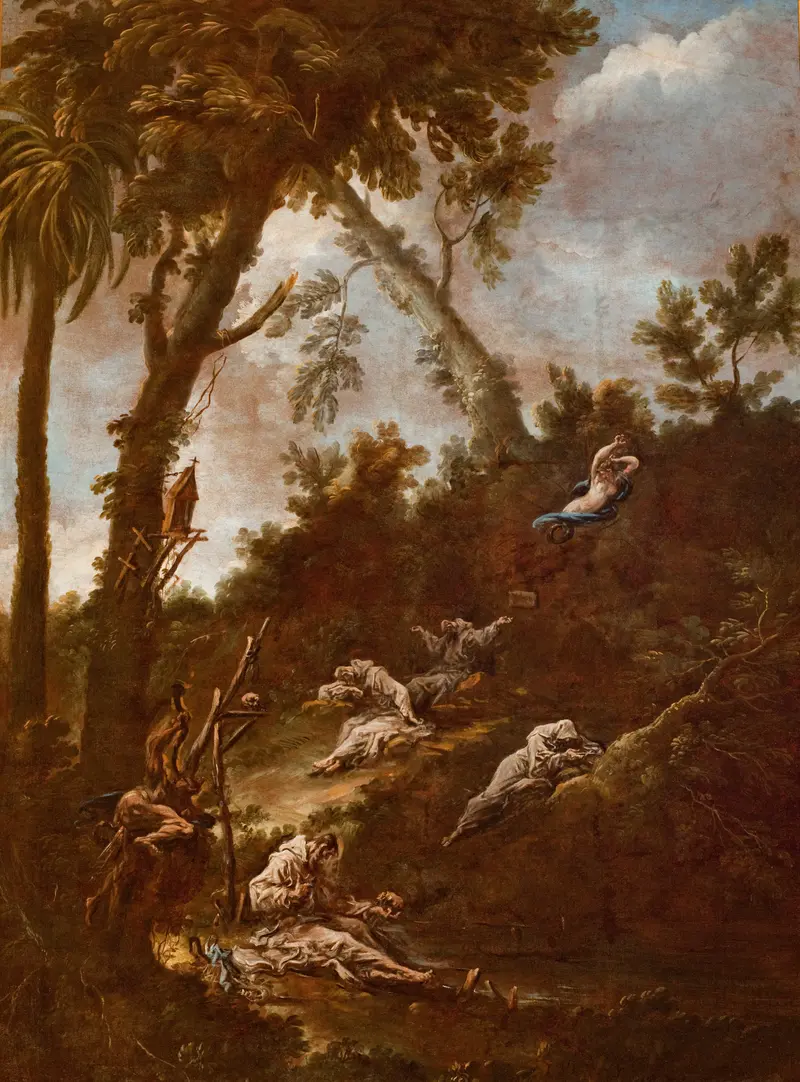
Hermits (Anachorets)
Alessandro Magnasco
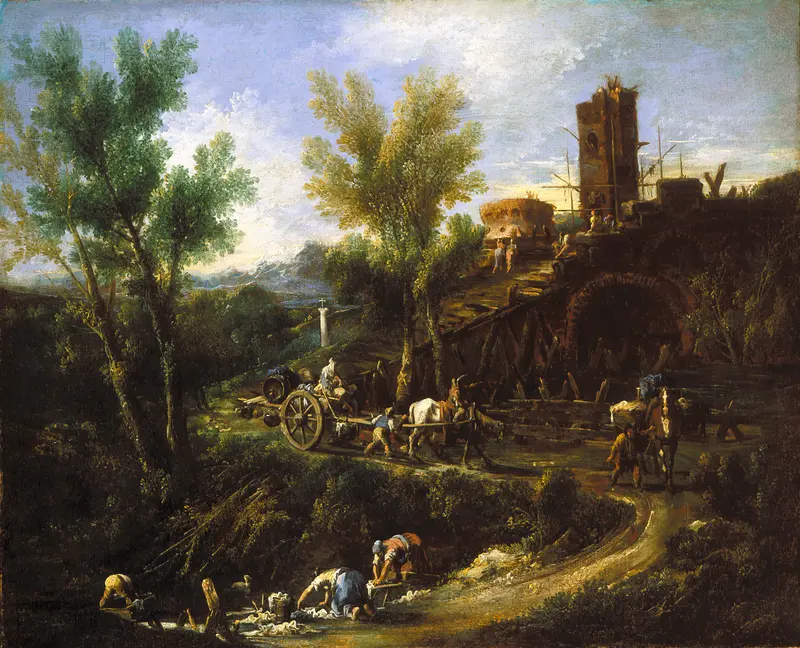
Landscape with Gypsies and Washerwomen
Alessandro Magnasco
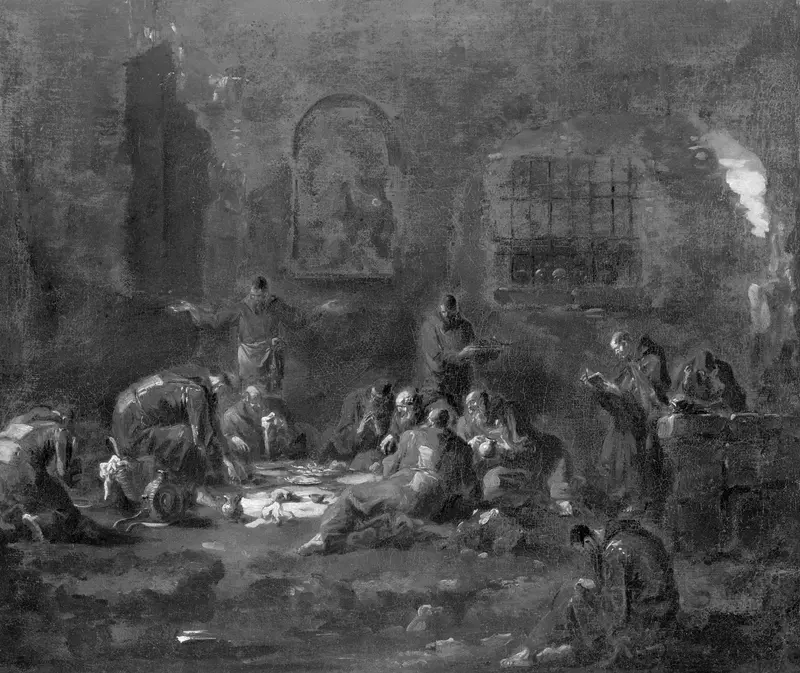
Monks at Supper
Alessandro Magnasco
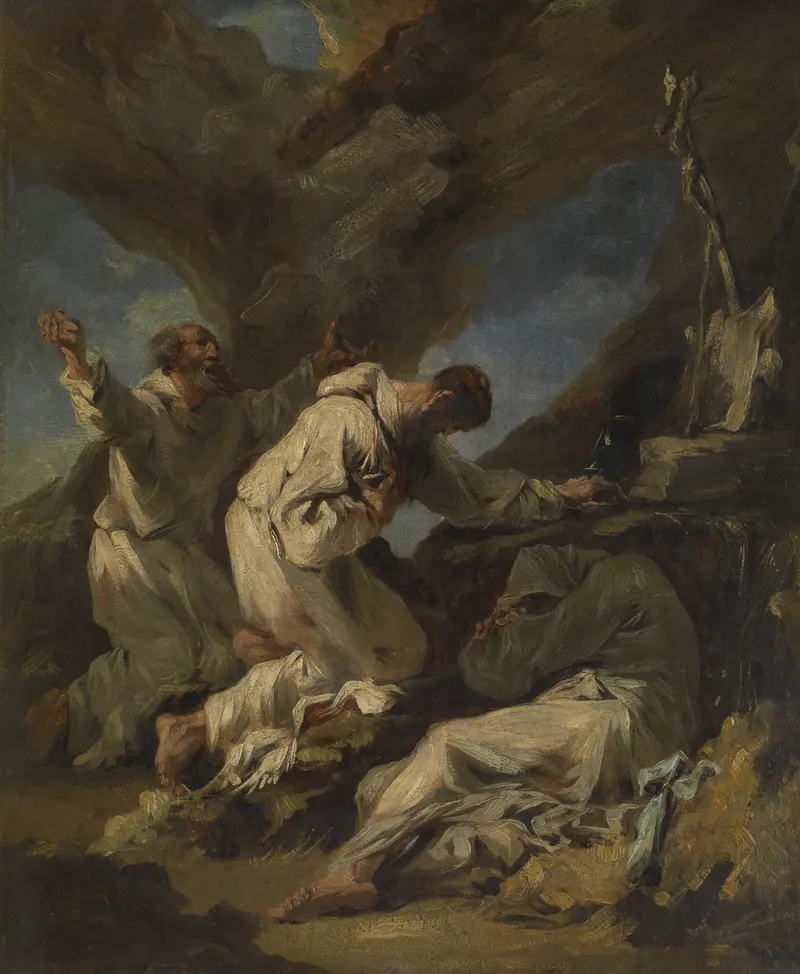
Praying Monks
Alessandro Magnasco
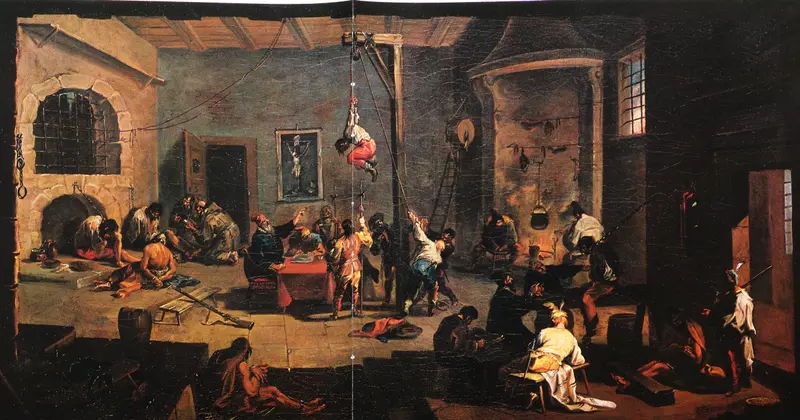
Torture Scene
Alessandro Magnasco
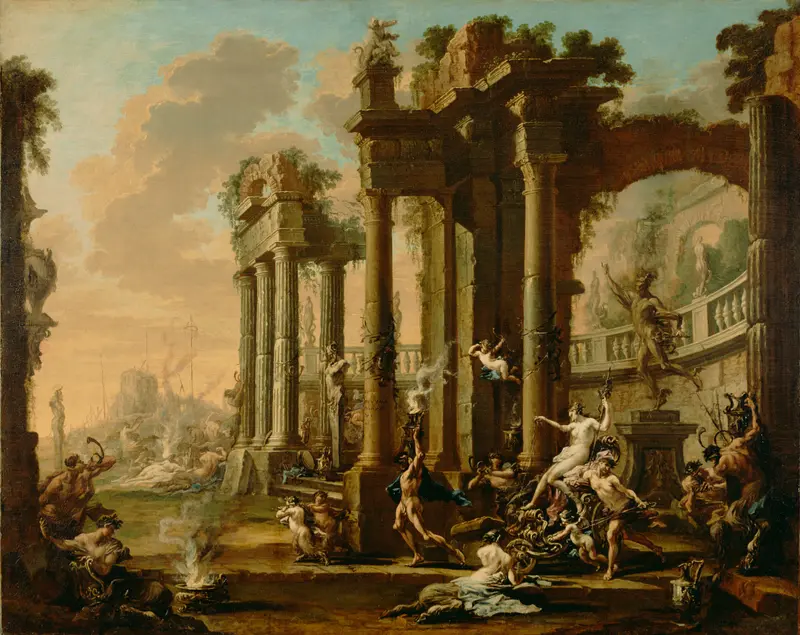
The Triumph of Venus
Alessandro Magnasco
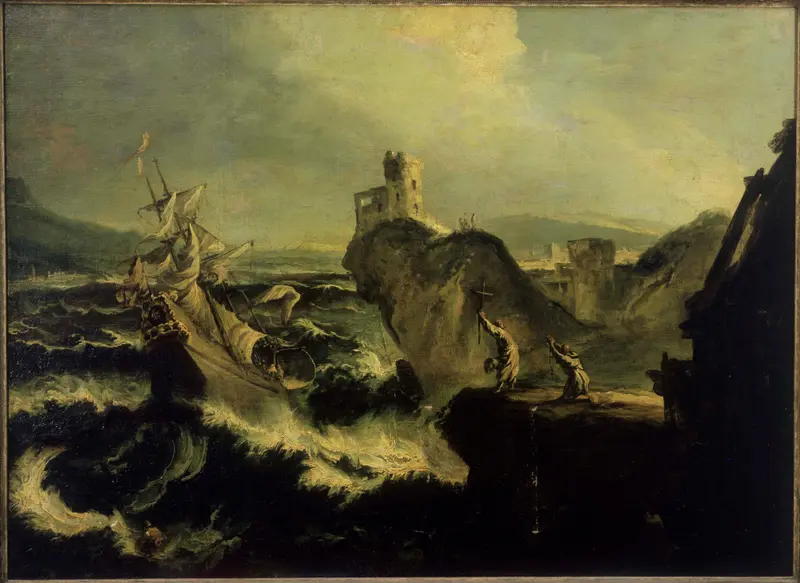
The Shipwreck
Alessandro Magnasco
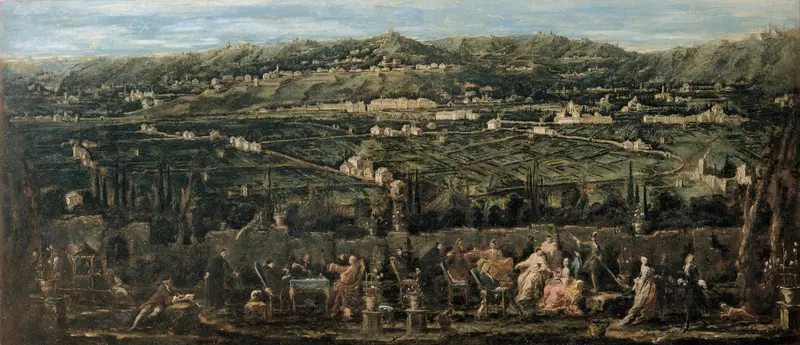
Garden Party in Albaro
Alessandro Magnasco
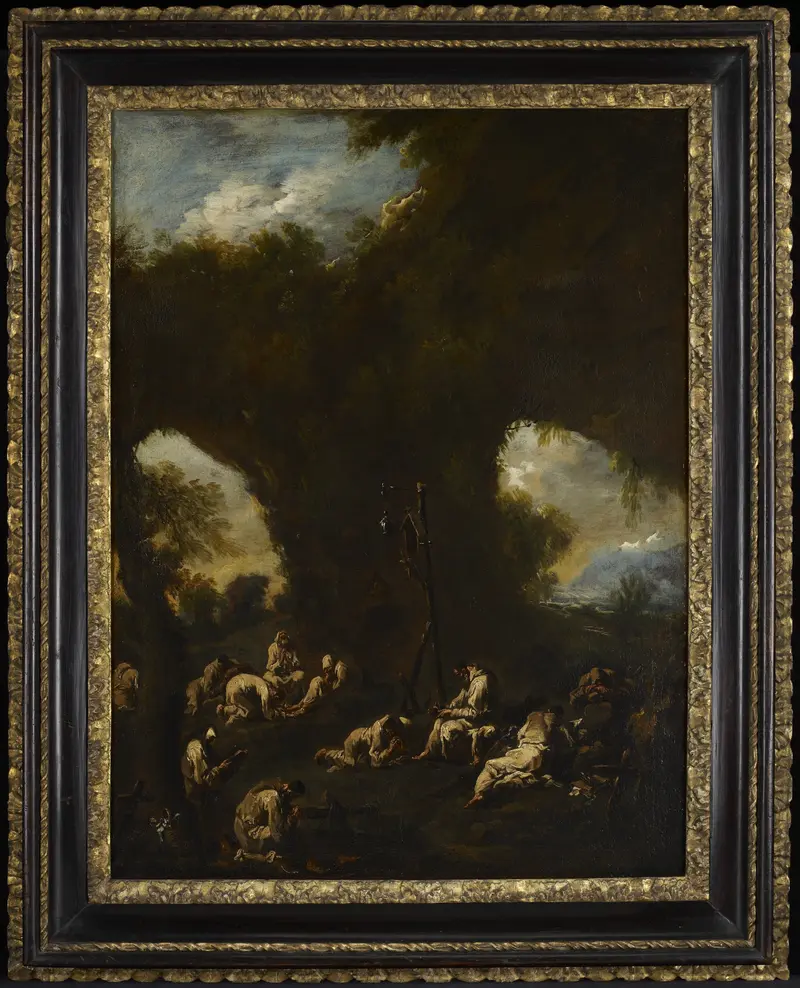
Monks Praying in a Grotto
Alessandro Magnasco
More Genre Scene Art

Banquet of the Officers of the St George Civic Guard
Frans Hals

Rembrandt and Saskia in the Scene of the Prodigal Son
Rembrandt van Rijn

Bal du moulin de la Galette
Pierre-Auguste Renoir

Quadrille at the Moulin Rouge
Henri de Toulouse-Lautrec

A Burial at Ornans
Gustave Courbet

When Will You Marry?
Paul Gauguin