
Birth of John the Baptist — History & Facts
No other known painting by Jan van Eyck is dated as early as 1423, making Birth of John the Baptist a landmark in the artist’s career and a window onto the dawn of the Northern Renaissance. The date, inscribed in the painting’s border, has long fueled scholarly debate: was this truly van Eyck’s hand, or an early experiment from his workshop? The work’s medium remains uncertain, adding another layer to its mystery, as most surviving van Eycks are in oil, yet this panel’s surface suggests a different technique. Its early date places it at the very threshold of van Eyck’s documented activity, before his celebrated service to Philip the Good. The scene captures the miraculous moment from the Gospel of Luke: Elizabeth, elderly and thought barren, has just given birth to John, who will become the Baptist and forerunner to Christ.
Van Eyck sets the drama in a domestic interior, with midwives bustling around the newborn, their gestures tender but purposeful. Elizabeth reclines, exhausted yet serene, while Zechariah, struck mute for doubting the angel’s prophecy, writes the child’s name on a tablet—a subtle nod to faith and obedience. The play of light across the tiled floor and the gleam of metal vessels recall van Eyck’s later precision, while the careful rendering of textiles and architecture roots the miracle in the material world.
Compared to Fra Angelico’s softer, more idealized Birth of John the Baptist, van Eyck’s version is grounded, intimate, and almost documentary in its detail. Little is known about the painting’s original commission, though its subject and scale suggest it may have been intended for private devotion or a small chapel. The work’s early date and uncertain medium have complicated its attribution, with some experts proposing it as a youthful experiment by van Eyck, while others see the hand of a close follower. Over centuries, Birth of John the Baptist has changed hands quietly, escaping the wars and upheavals that marked the fate of many Netherlandish panels.
Today, it stands as a rare glimpse into the formative years of an artist who would soon revolutionize European painting, and as a testament to the enduring appeal of sacred narrative rendered with human warmth and precision.
More Artworks by Jan van Eyck

Adam
Jan van Eyck
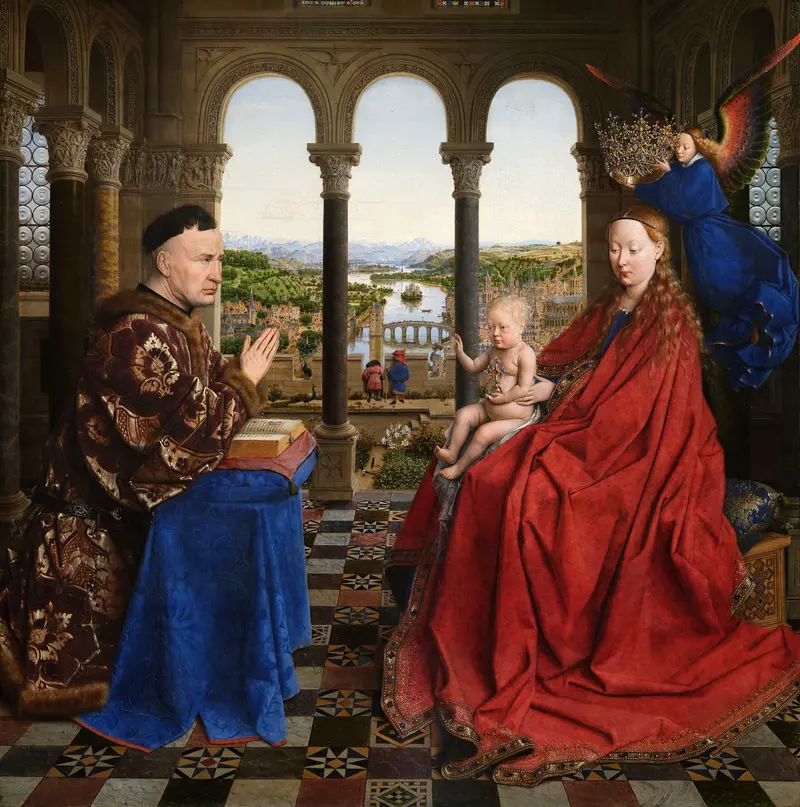
Madonna of Chancellor Rolin
Jan van Eyck
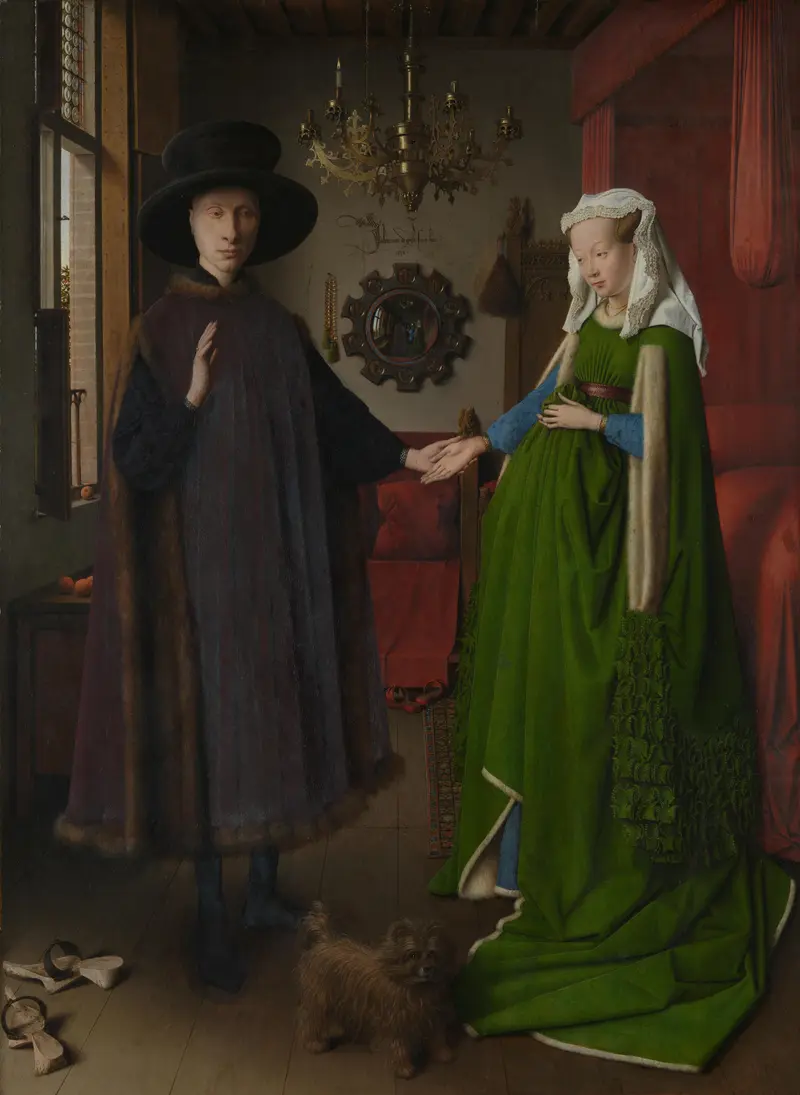
The Arnolfini Portrait
Jan van Eyck
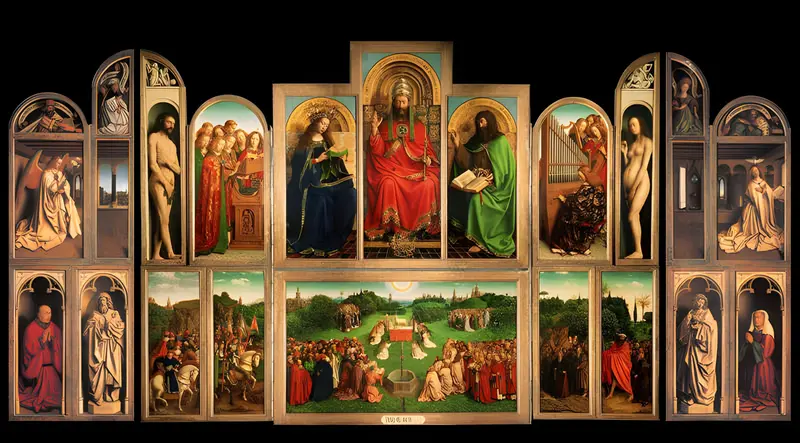
Ghent Altarpiece
Jan van Eyck

Dresden Triptych
Jan van Eyck
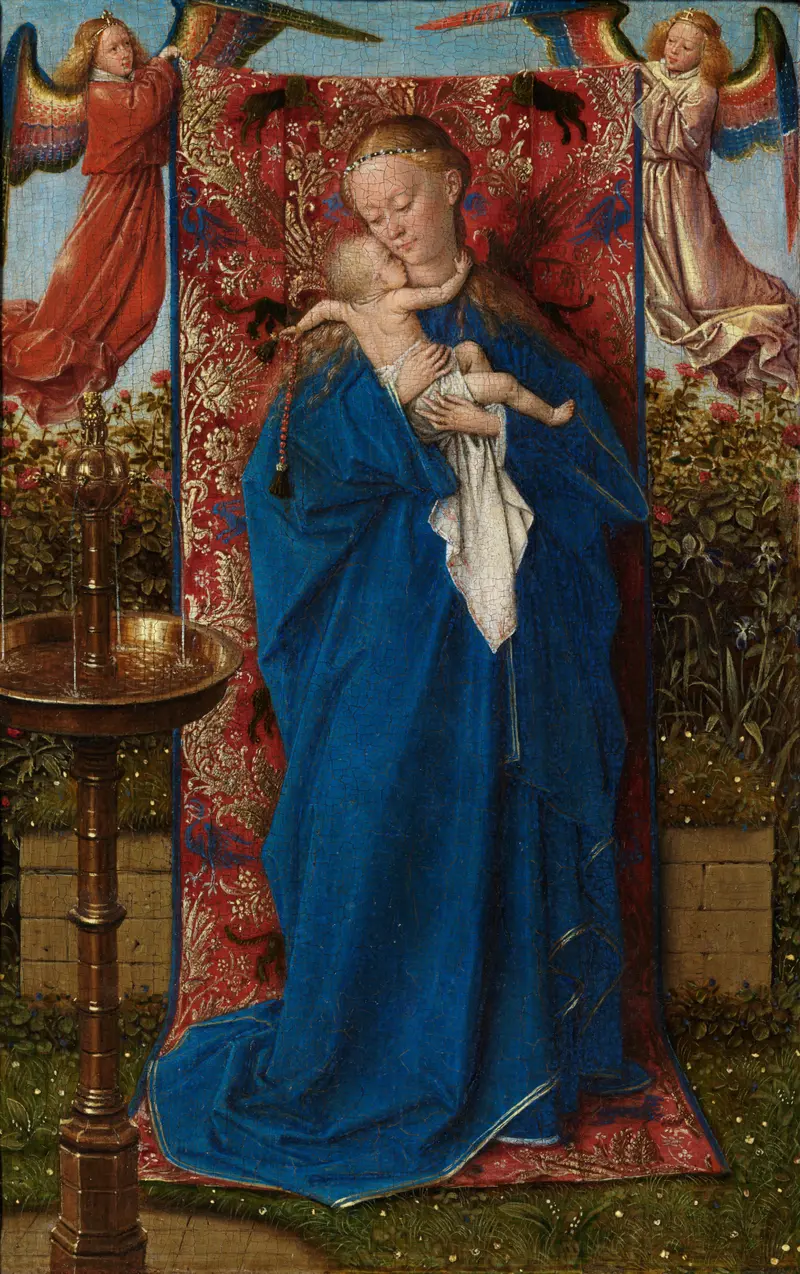
Madonna at the Fountain
Jan van Eyck

Madonna with Canon Joris van der Paele
Jan van Eyck

Prophet Zacharias; Angel of The Annunciation
Jan van Eyck
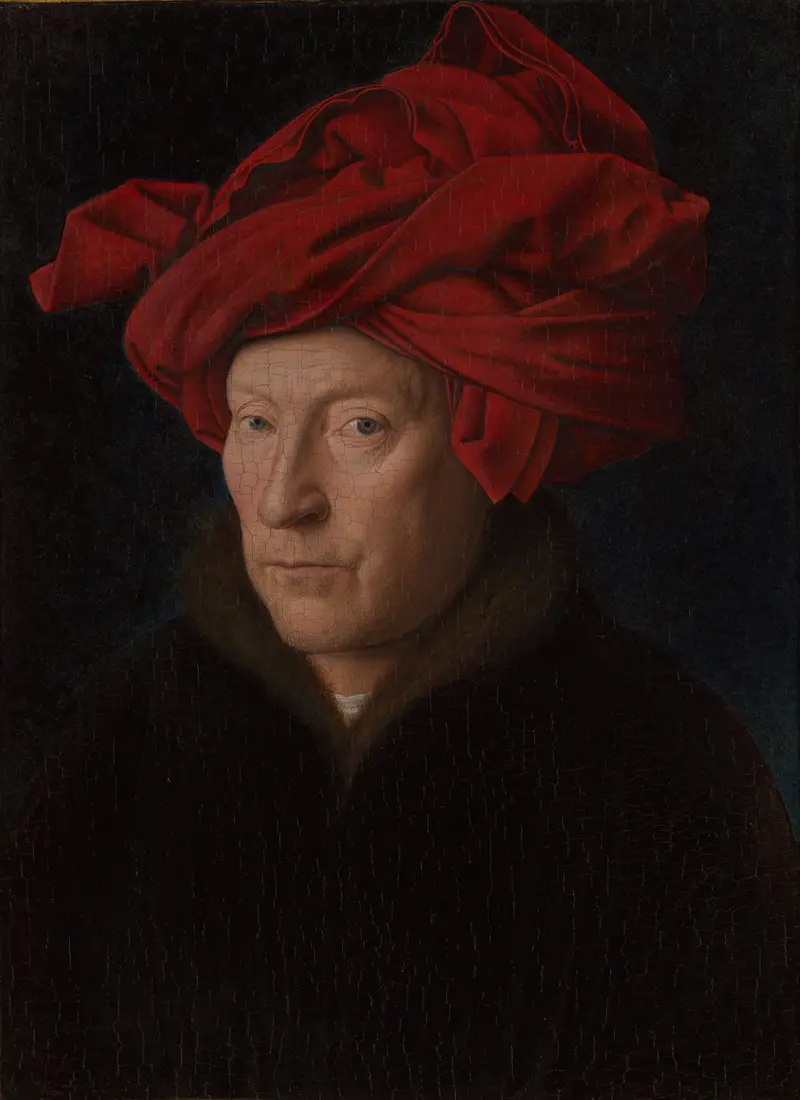
Portrait of a Man (Self Portrait?)
Jan van Eyck
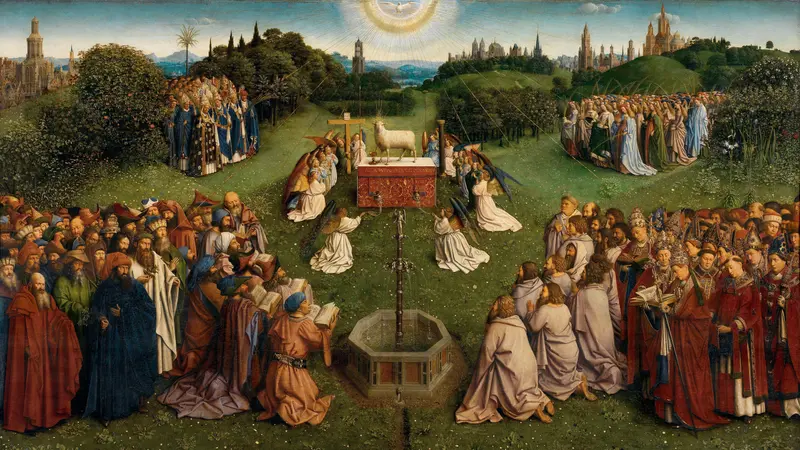
Adoration of the Lamb from the Ghent Altarpiece
Jan van Eyck





