
Blessed Thomas of Zumárraga — History & Facts
In 1630, Francisco de Zurbarán painted Blessed Thomas of Zumárraga at a time when Spain’s Catholic fervor was reaching far beyond its borders, and the stories of missionary martyrs were stirring the faithful at home. The painting commemorates Zumárraga, a Dominican friar from Vizcaya, who met his end in Japan in 1622 after years of secret ministry under threat of death. His martyrdom, and those of his companions, became a rallying point for Spanish religious orders, inspiring both devotion and artistic homage.
Zurbarán’s depiction is among the earliest known painted tributes to Zumárraga, created just eight years after the friar’s execution. At the heart of the painting, Zurbarán captures Zumárraga in the moment of calm before his execution—hands bound, yet face lifted in serene acceptance. The friar’s white Dominican habit stands out against a somber background, the fabric rendered with the almost sculptural clarity for which Zurbarán was renowned. A single ray of light falls across Zumárraga’s face, suggesting divine favor and echoing the Caravaggesque use of chiaroscuro.
The ropes binding his wrists are not just instruments of restraint; they signal his sacrifice and steadfastness in faith. Unlike the more theatrical martyrdoms painted by Murillo or Italian contemporaries, Zurbarán’s approach is one of restraint and inward dignity, focusing on the martyr’s inner resolve rather than dramatic violence. The exact circumstances of the painting’s commission remain unclear, though it was likely intended for a Dominican convent or private devotional space in southern Spain, where such images fueled both prayer and recruitment to the order. Over the centuries, Blessed Thomas of Zumárraga has remained less well-known than Zurbarán’s grand altarpieces, but it exemplifies his early 1630s focus on single-figure saints and martyrs.
Today, the painting is recognized as a testament to Zurbarán’s ability to blend realism with spiritual intensity, and it stands as a quiet monument to a missionary whose story reverberated across continents. Its current location is uncertain, but it is often cited in scholarly catalogues as a key work of Spanish Counter-Reformation art.
More Artworks by Francisco de Zurbarán
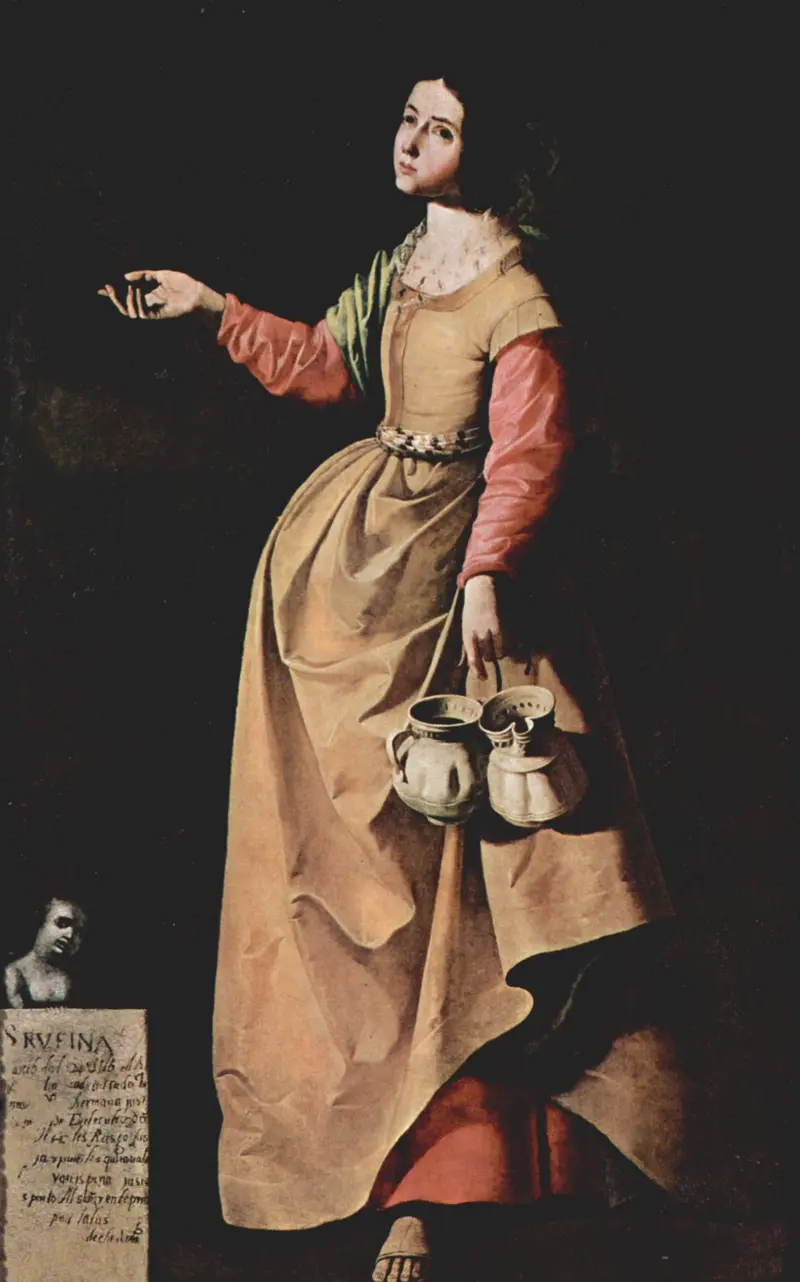
Saint Rufina
Francisco de Zurbarán
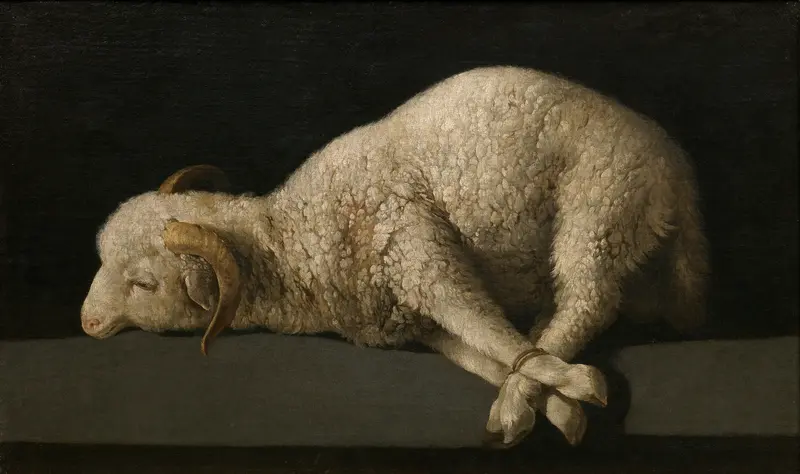
Agnus Dei
Francisco de Zurbarán
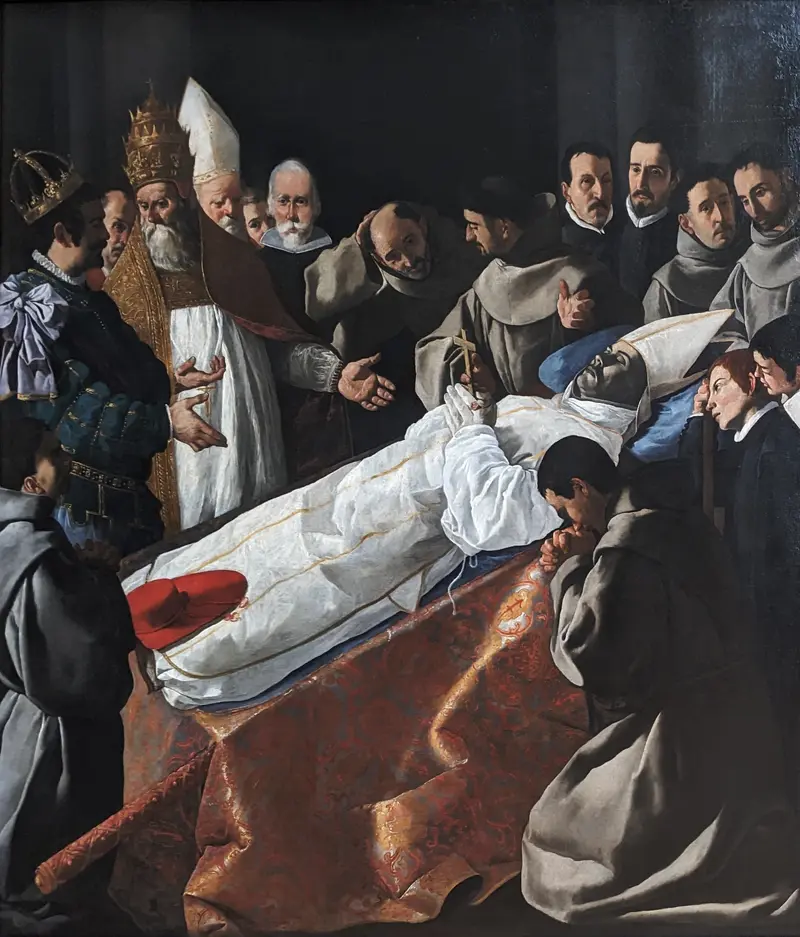
Saint Bonaventure's Body Lying in State
Francisco de Zurbarán
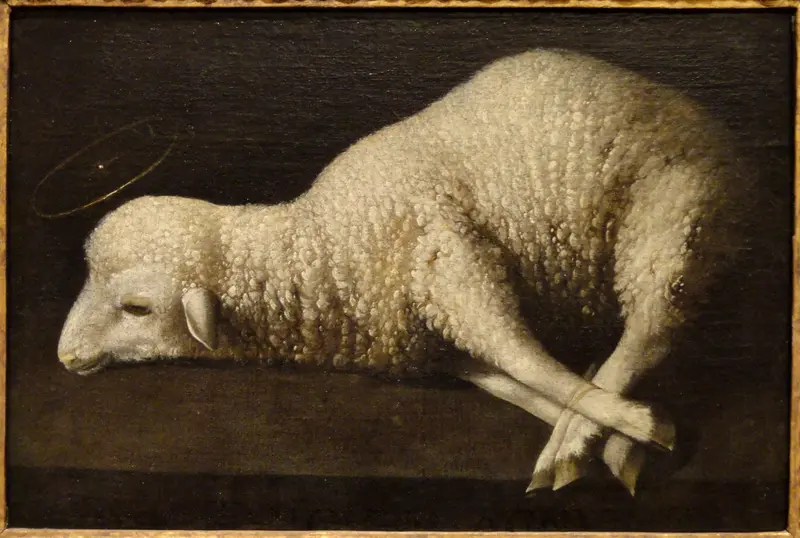
The Lamb of God
Francisco de Zurbarán

Adoration of the Magi
Francisco de Zurbarán
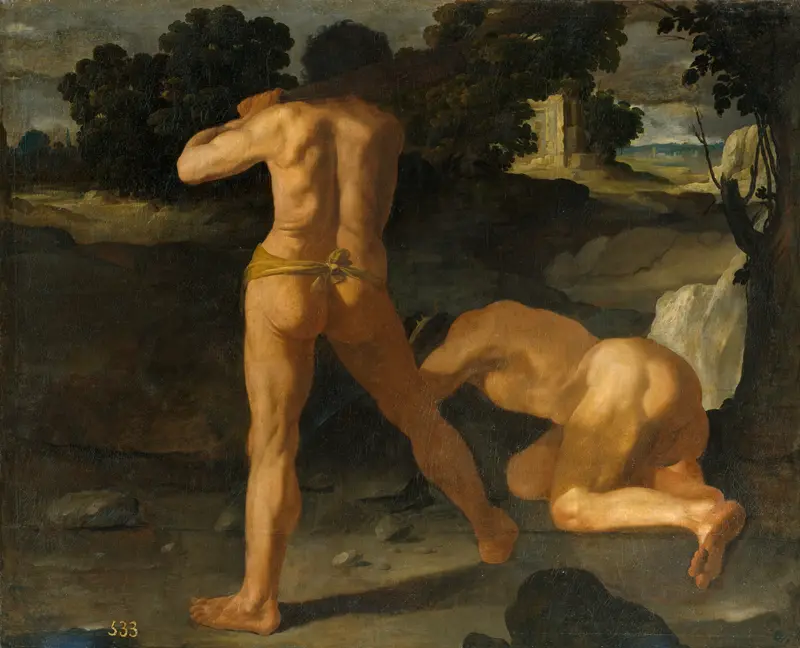
Hercules defeats King Geryon
Francisco de Zurbarán
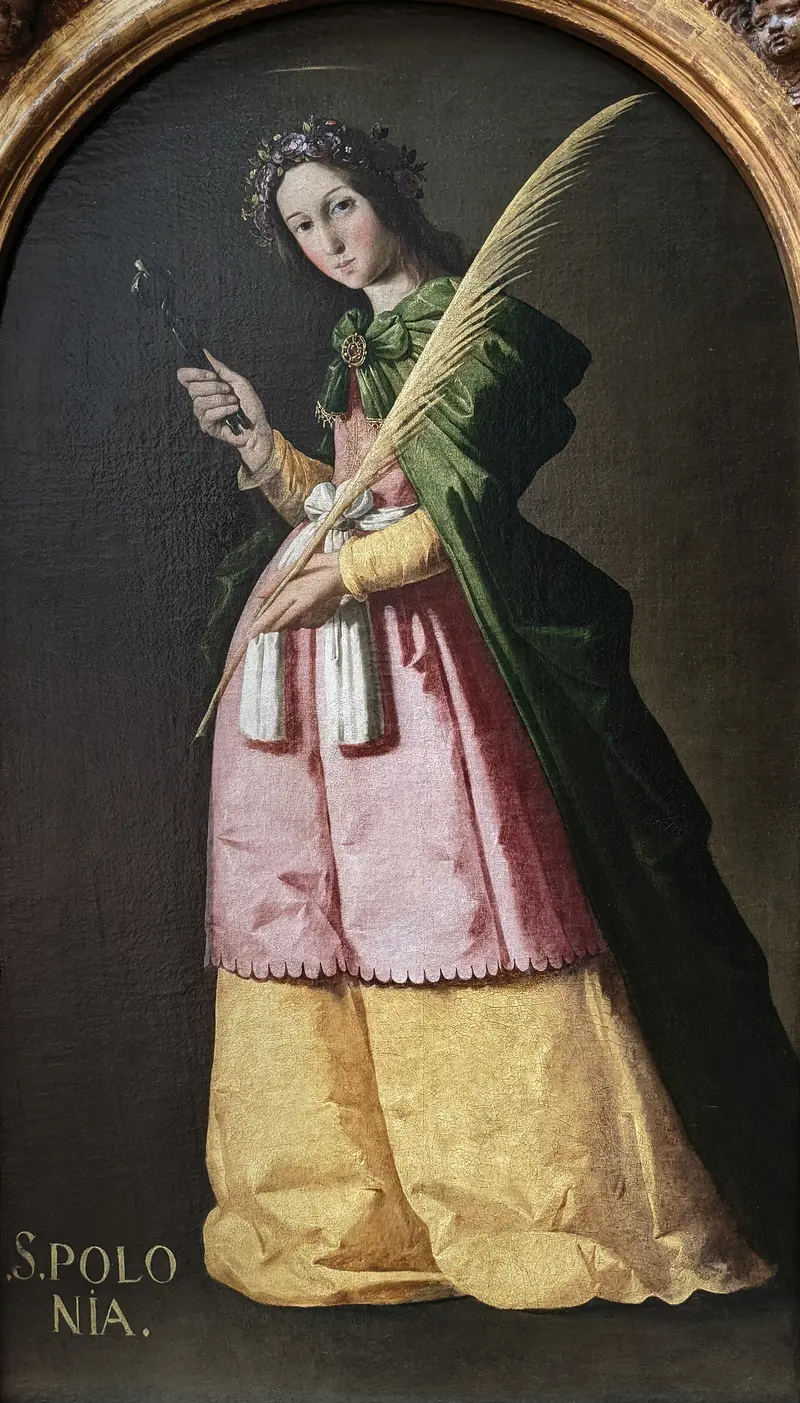
Saint Apollonia
Francisco de Zurbarán
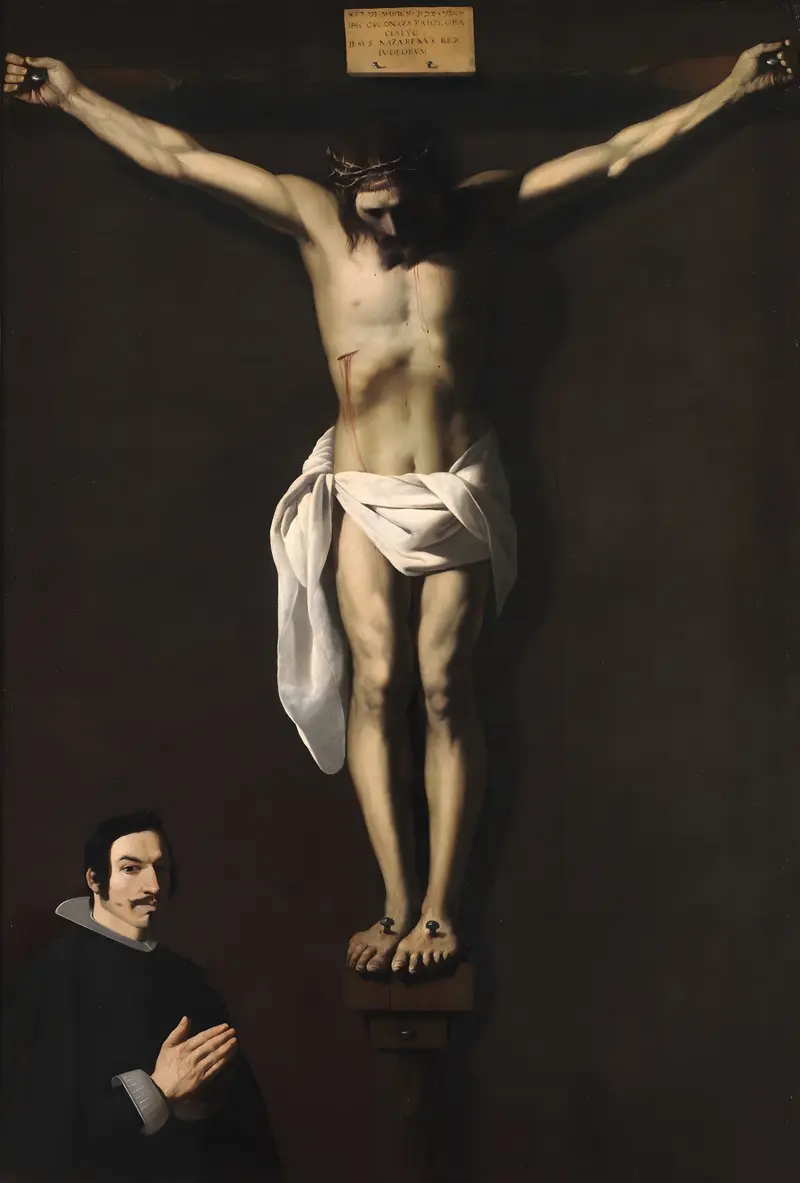
The Crucified Christ with a Donor
Francisco de Zurbarán
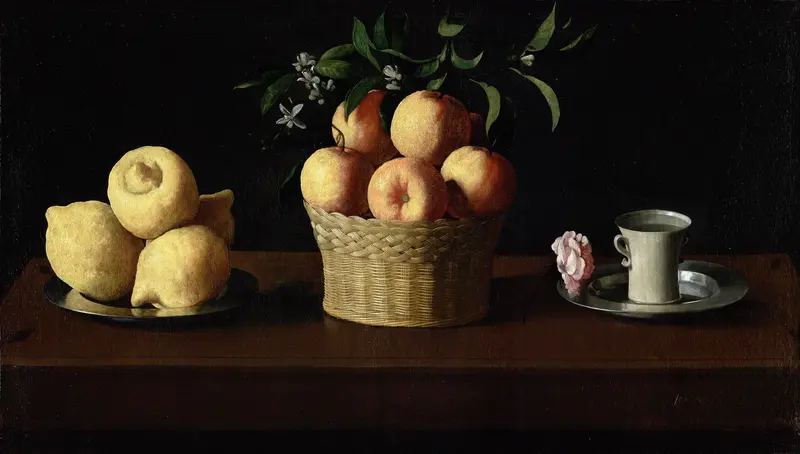
Still Life with Lemons, Oranges and a Rose
Francisco de Zurbarán
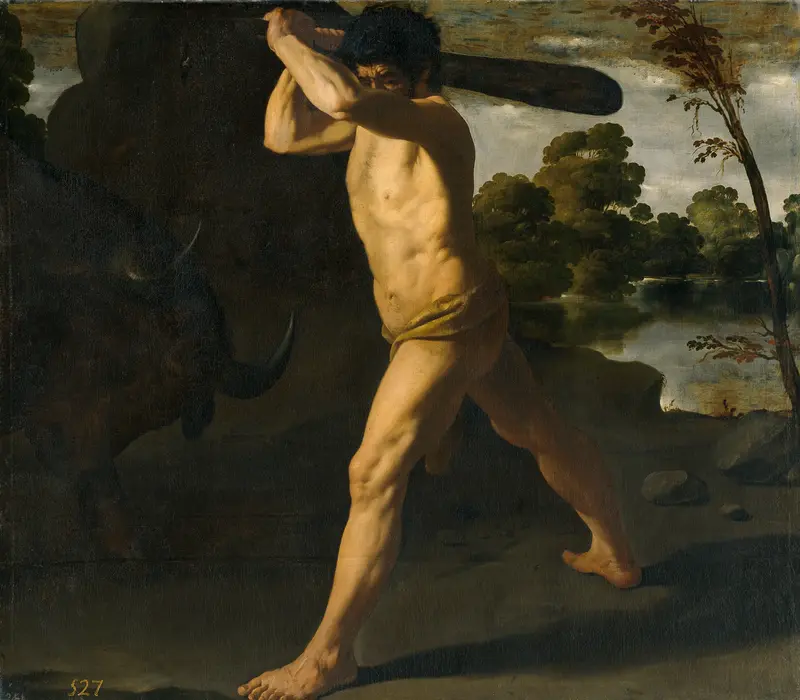
Hercules and the Cretan Bull
Francisco de Zurbarán





