
Boniface VIII declaring the Jubilee Year of — History & Facts
On Christmas Day of 1299, Pope Boniface VIII made a proclamation that would echo through centuries: the first Christian Jubilee, a holy year of forgiveness and pilgrimage, to begin in 1300. Pilgrims flooded Rome by the tens of thousands, seeking absolution and the promise of spiritual renewal. The event was so momentous that chroniclers like Giovanni Villani wrote of the "infinite multitude" that filled the city, and it set a precedent for future Jubilees.
It is this pivotal moment that Giotto di Bondone chose to immortalize in Boniface VIII declaring the Jubilee Year of, capturing both the authority of the papacy and the fervor of the faithful. Giotto selects the instant when Boniface VIII, robed in papal regalia, raises his hand in benediction before a gathered crowd. The pope’s gesture is both a blessing and a command, signaling the opening of the holy year. Around him, cardinals and clergy watch attentively, their faces rendered with the individualized humanity that marks Giotto’s style.
The composition draws the eye to the pontiff’s raised arm, while the architectural backdrop evokes the grandeur of medieval Rome. Unlike the more stylized figures of earlier painters, Giotto’s people possess a weight and presence that ground the miraculous in the real, much as he did in his frescoes for the Scrovegni Chapel. The exact medium and original location of this work remain uncertain, but it is widely accepted as a product of the early fourteenth century, when Giotto was transforming Western art with his new approach to space and emotion. No contemporary documents record the commission, and the painting’s subsequent journey is lost to history, though it is now generally attributed to Giotto on the basis of style and technique.
Today, the work stands as a testament to both the ambitions of Boniface VIII and the innovations of Giotto, whose vision helped lay the foundations for the Renaissance.
More Artworks by Giotto di Bondone
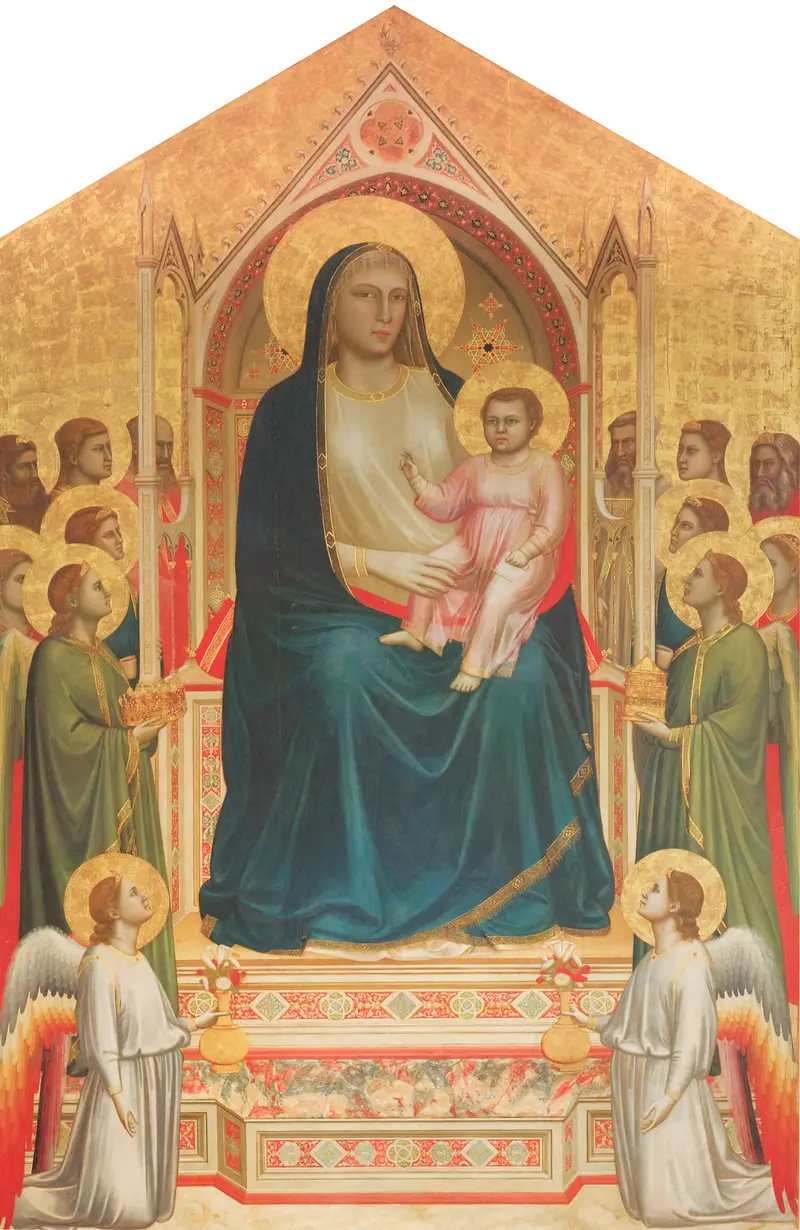
Ognissanti Madonna
Giotto di Bondone
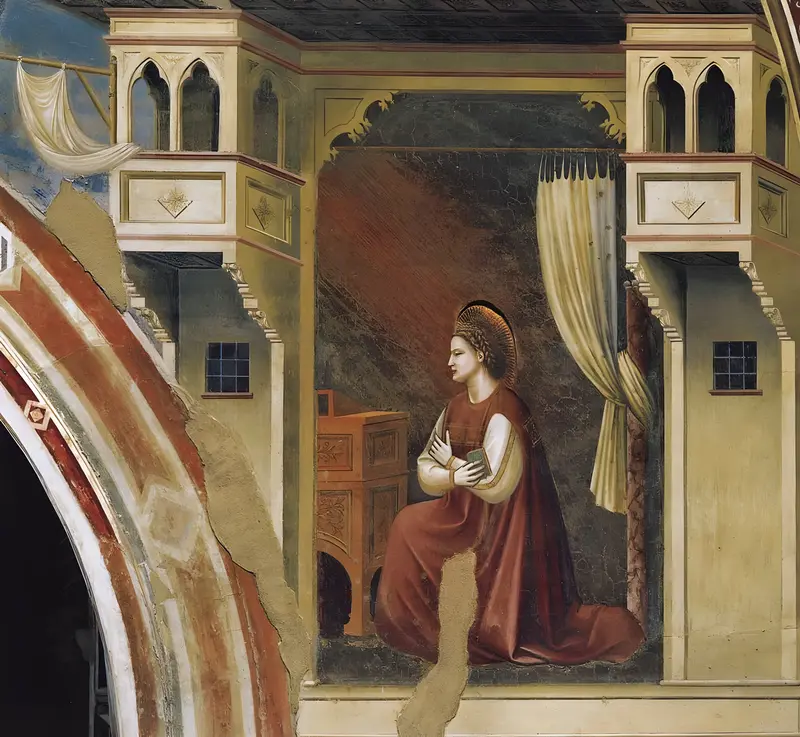
The Virgin of the Annunciation
Giotto di Bondone
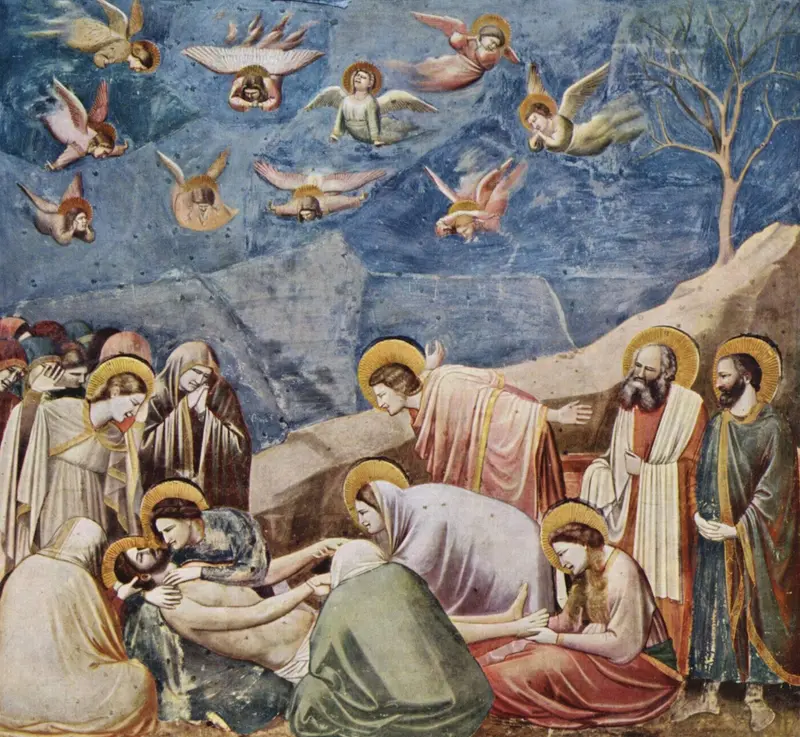
Lamentation (The Mourning of Christ)
Giotto di Bondone
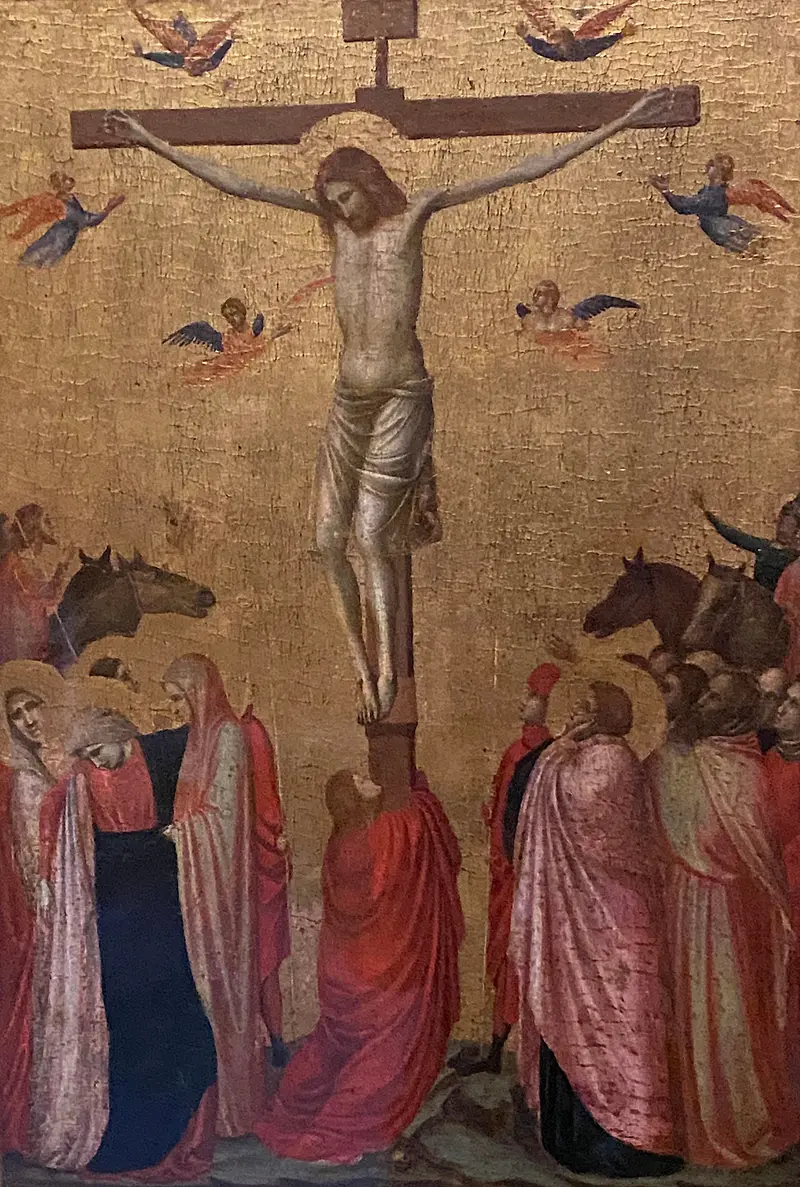
Crucifixion of Strasbourg
Giotto di Bondone
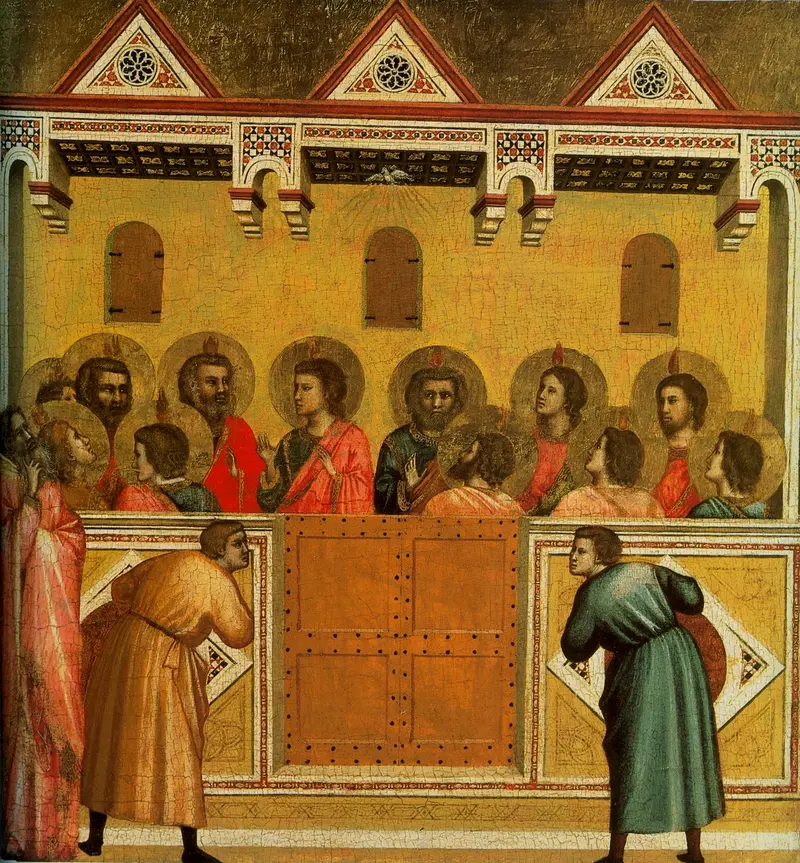
Pentecost
Giotto di Bondone
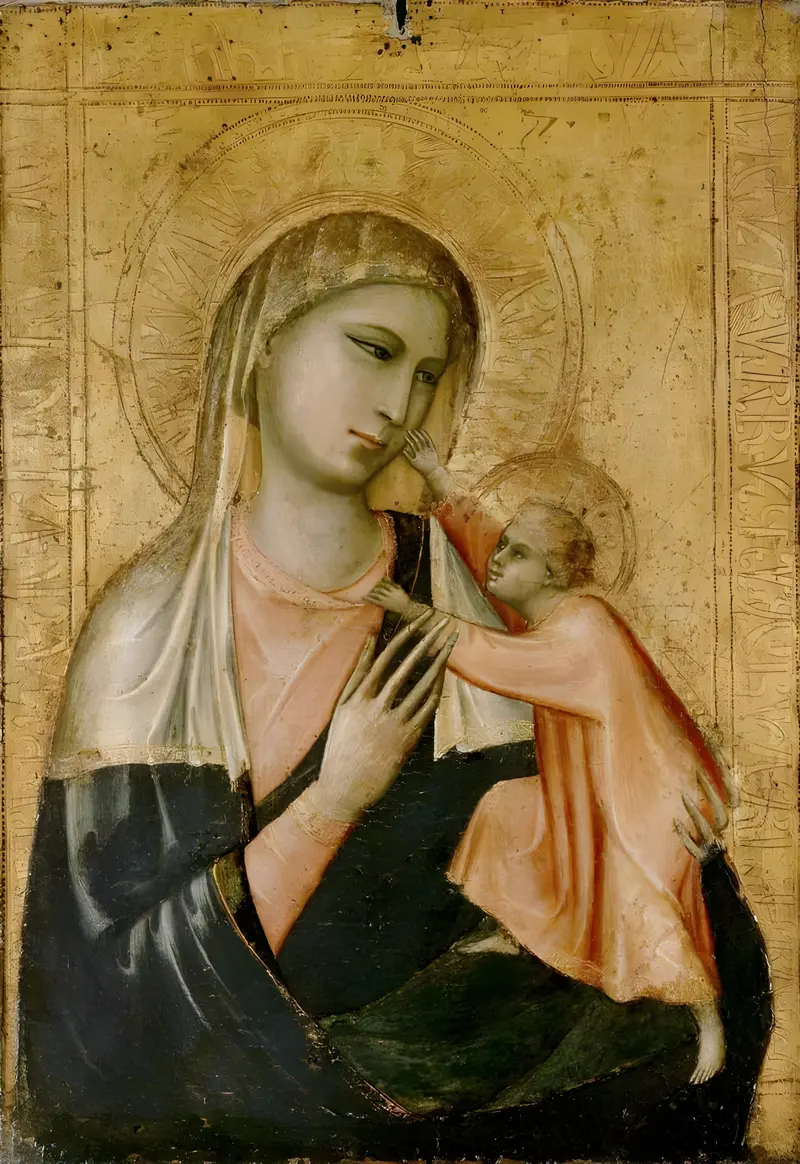
The Virgin and Child
Giotto di Bondone
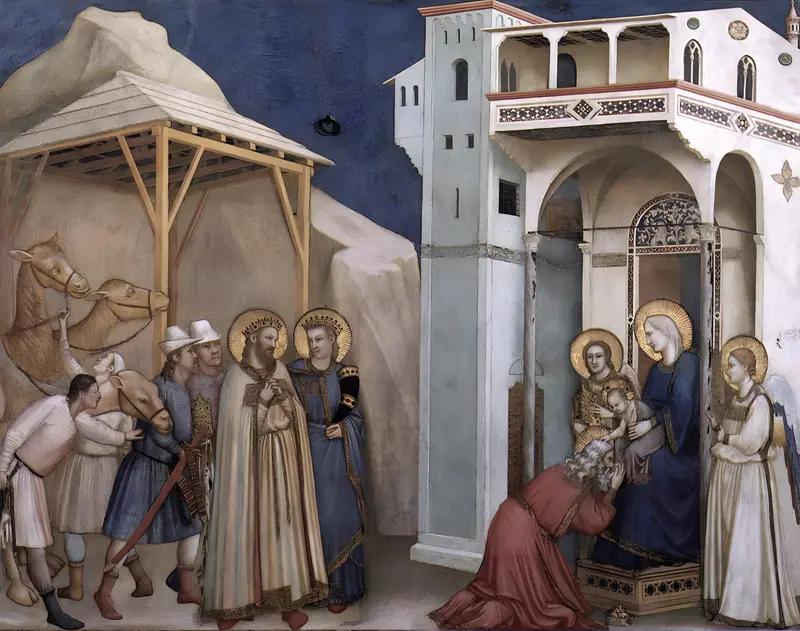
Anbetung der Könige
Giotto di Bondone
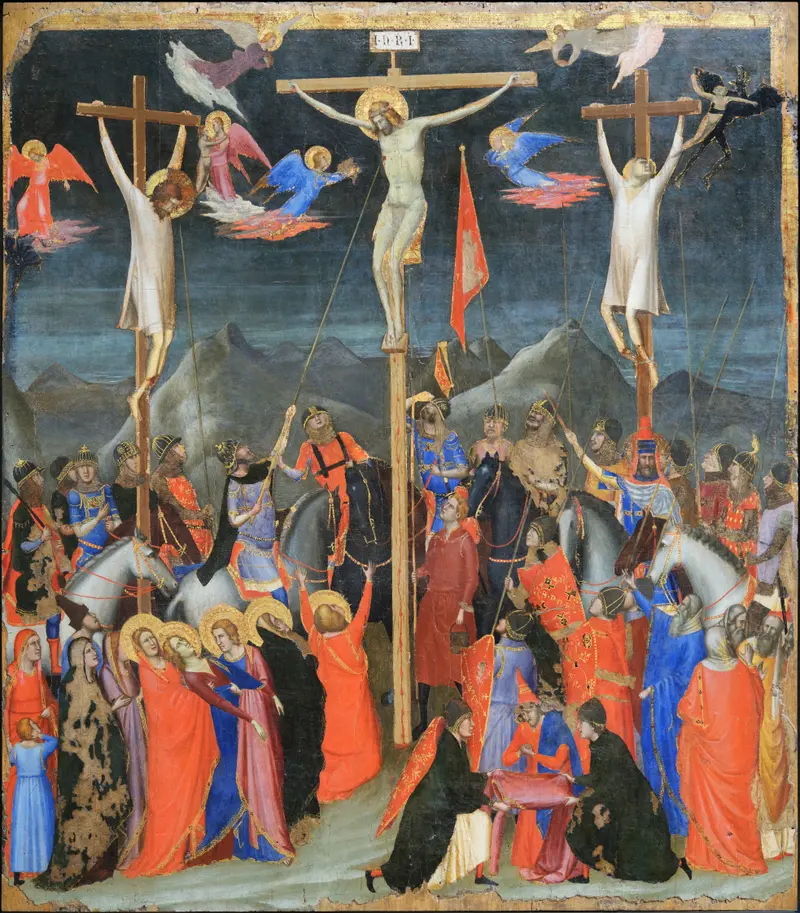
Crucifixion
Giotto di Bondone
The Visitation
Giotto di Bondone
Bologna Polyptych
Giotto di Bondone





