
Boy with a Crow — History & Facts
The first thing to catch the eye in Boy with a Crow is the hush between the two figures: a barefoot child and a solitary black bird, each holding their ground in a field washed with pale, earthy light. The boy’s patched trousers and simple shirt speak of a life close to the land, while his stance—upright, hands loose at his sides—signals a quiet alertness. The crow, head bent to the ground, is both companion and mystery, its dark form a sharp note against the muted grass.
Gallen-Kallela leads the viewer’s gaze from the boy’s intent profile to the bird, letting the open space between them hum with possibility. The brushwork is loose and atmospheric, blurring the background into suggestion, but the figures are rendered with a tender clarity that makes the moment feel both intimate and unguarded. Painted in 1884, this work belongs to a period when artists across Europe were turning their attention to rural life and childhood, often with an eye for the unvarnished realities of poverty and resilience. In the Nordic countries, such scenes were not only artistic subjects but quiet statements about national identity and the dignity of ordinary people.
While little is recorded about the specific journey of this painting, its presence in the Google Cultural Institute’s collection today invites us to look closely at a world on the cusp of modernity—one where the simplest encounters, rendered with honesty, still invite us to wonder what passes between a child and a wild creature.
More Artworks by Akseli Gallen-Kallela
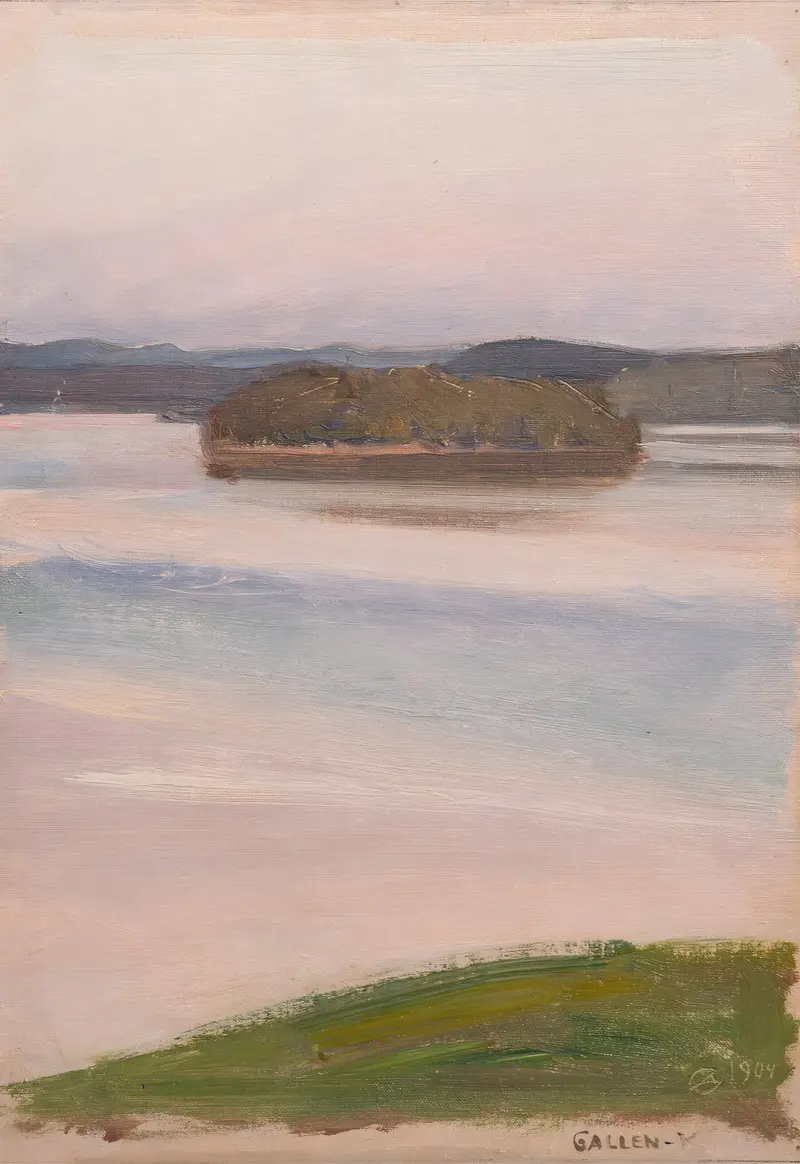
Lake Keitele
Akseli Gallen-Kallela
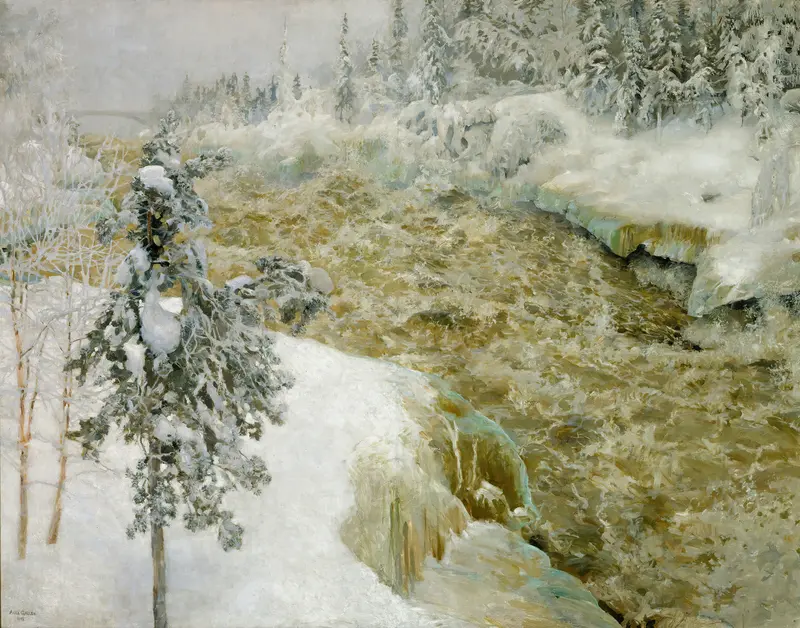
Imatra Falls in Snow ; Imatra in Winter
Akseli Gallen-Kallela
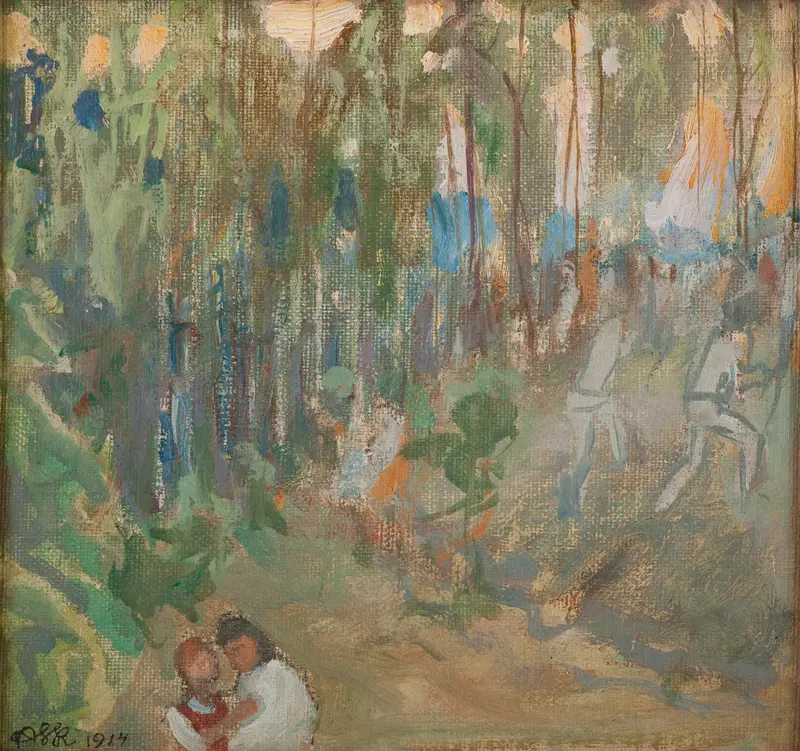
Vainovalkeat
Akseli Gallen-Kallela
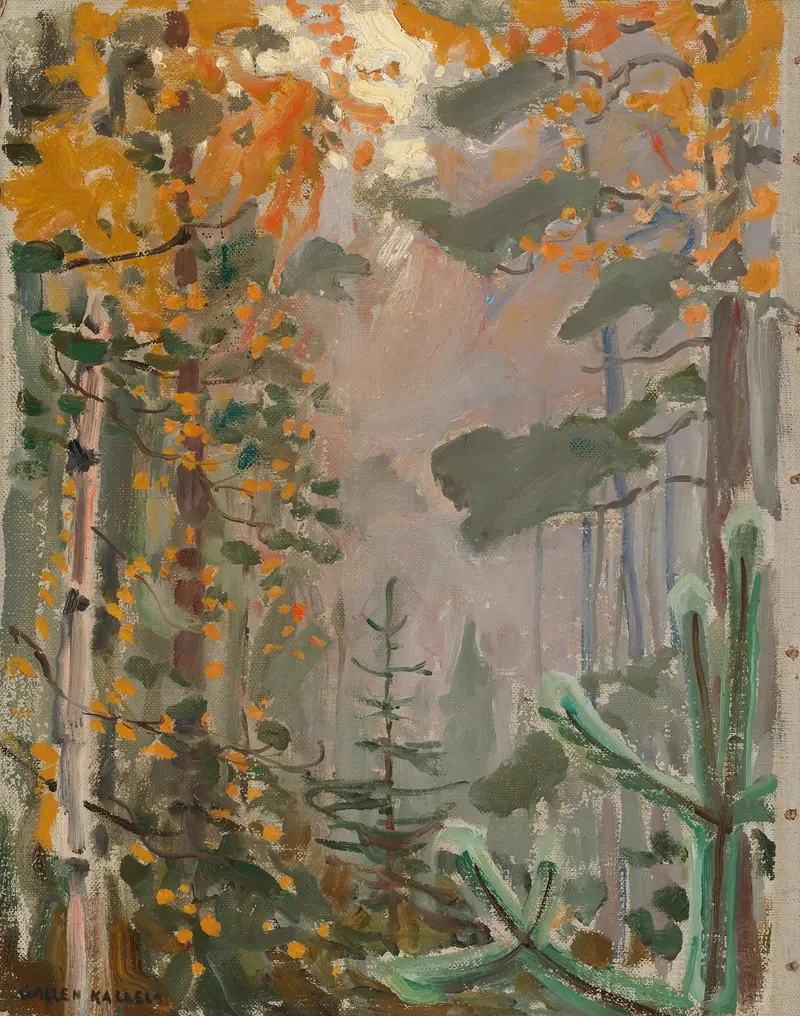
Autumn Landscape
Akseli Gallen-Kallela
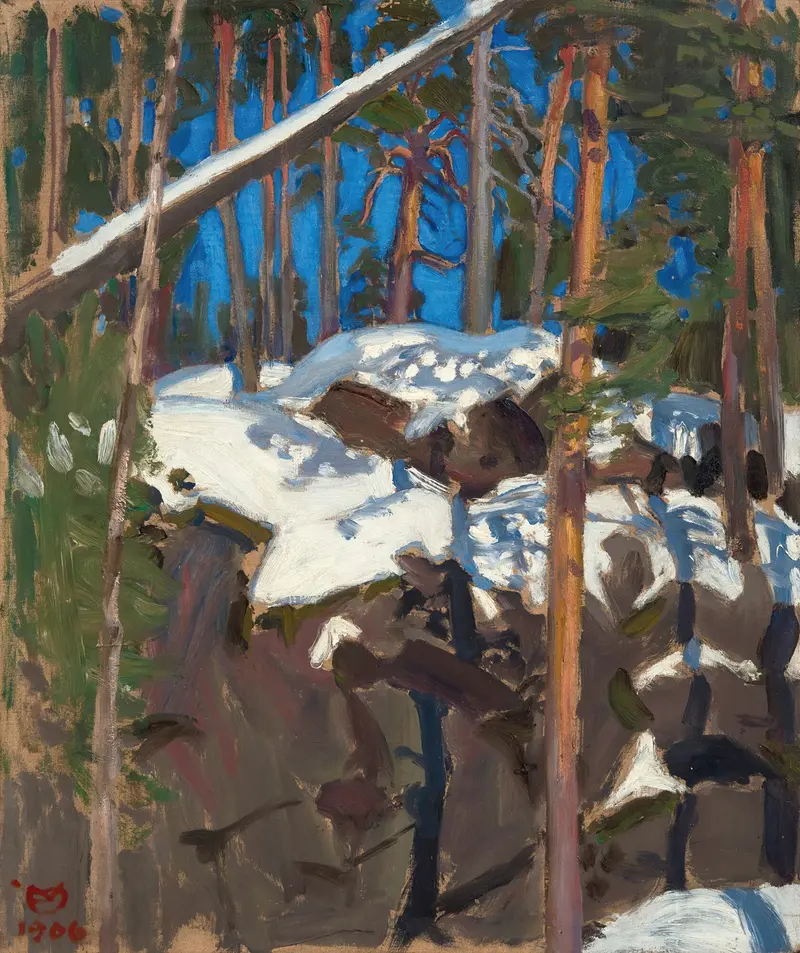
Spring Sun At Konginkangas
Akseli Gallen-Kallela
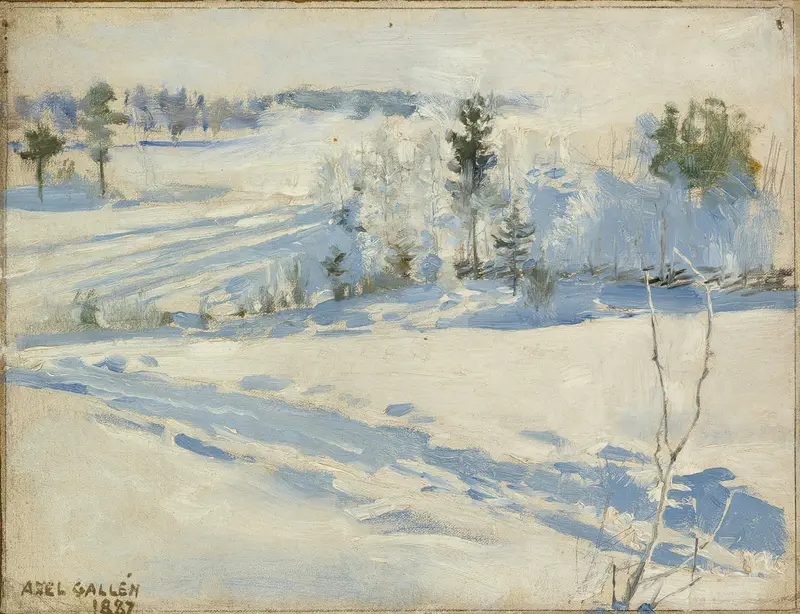
Winter Landscape
Akseli Gallen-Kallela

First Snow
Akseli Gallen-Kallela
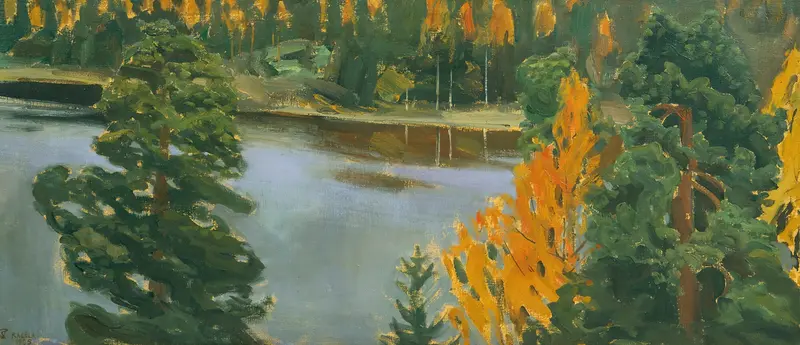
Lake View In Autumn
Akseli Gallen-Kallela
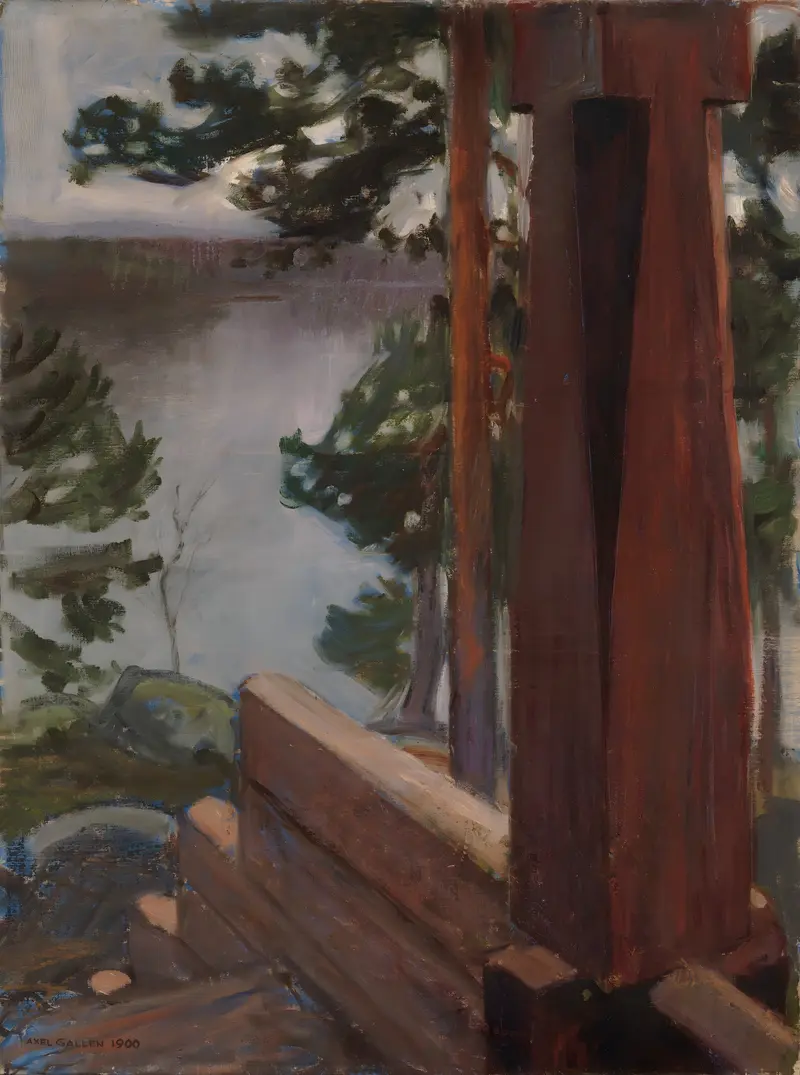
The Kalela Porch
Akseli Gallen-Kallela

Light Behind The Clouds
Akseli Gallen-Kallela
More Genre Scene Art

Banquet of the Officers of the St George Civic Guard
Frans Hals

Rembrandt and Saskia in the Scene of the Prodigal Son
Rembrandt van Rijn

Bal du moulin de la Galette
Pierre-Auguste Renoir

Quadrille at the Moulin Rouge
Henri de Toulouse-Lautrec

A Burial at Ornans
Gustave Courbet

When Will You Marry?
Paul Gauguin