Brooklyn Bridge — History & Analysis
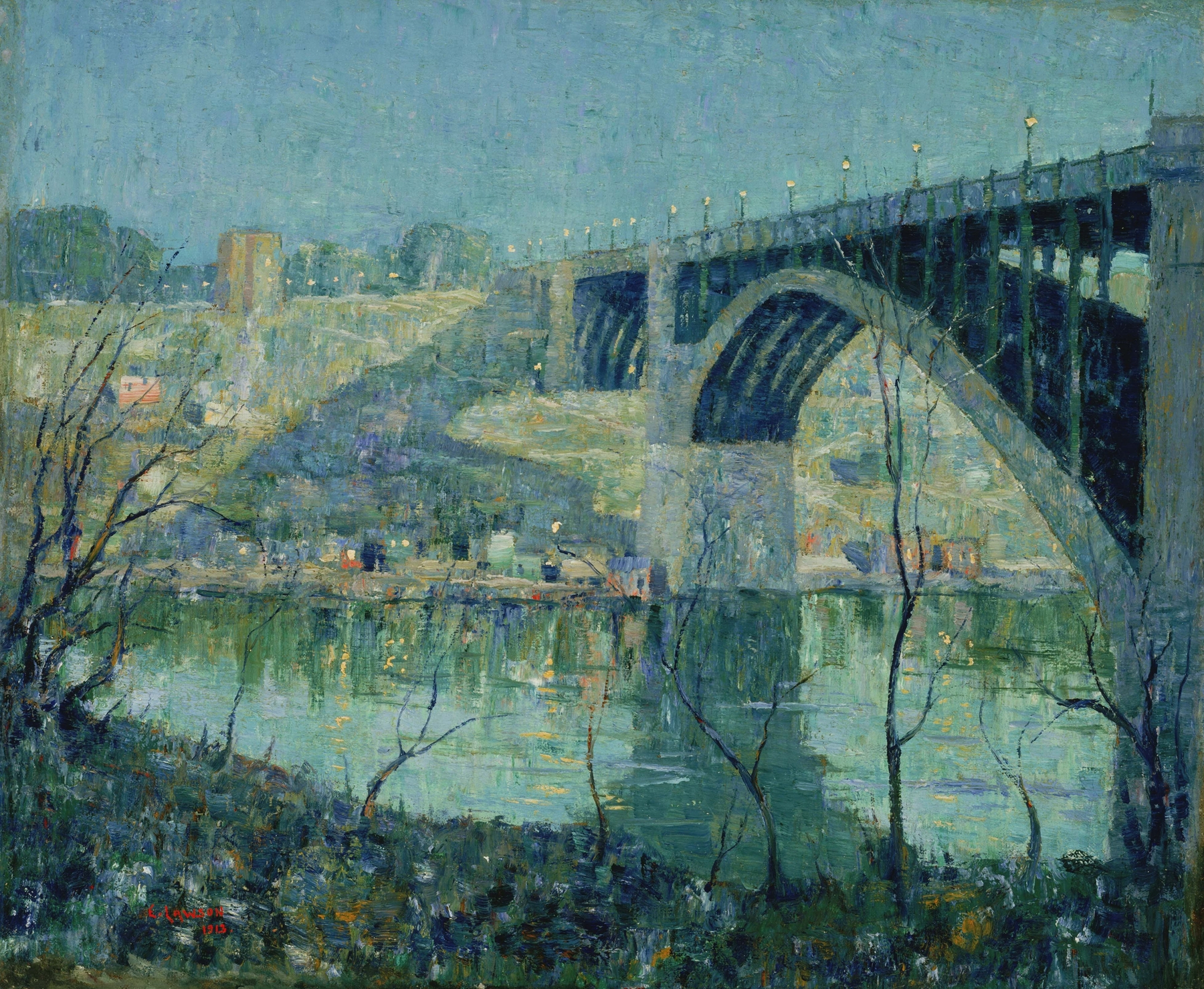
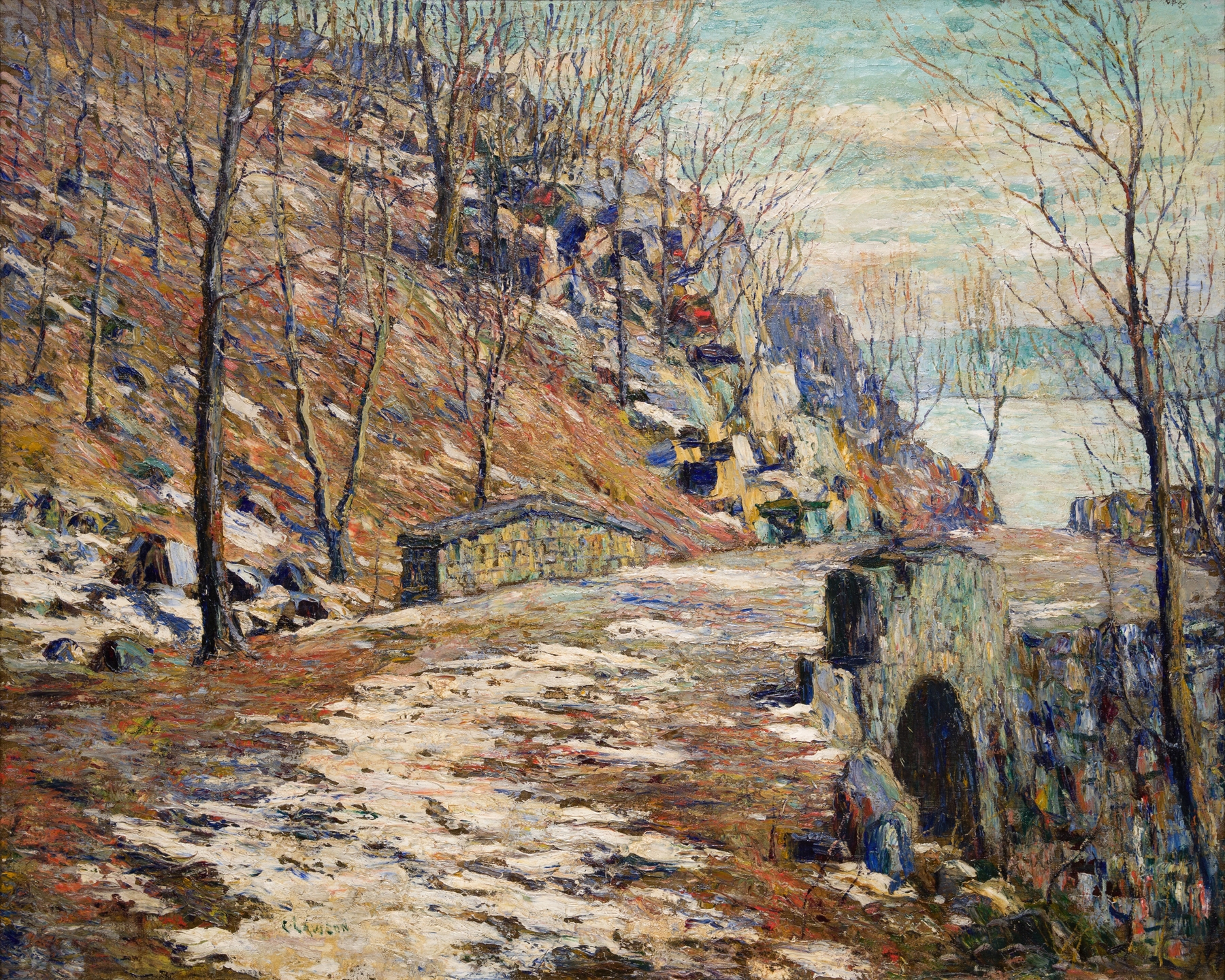
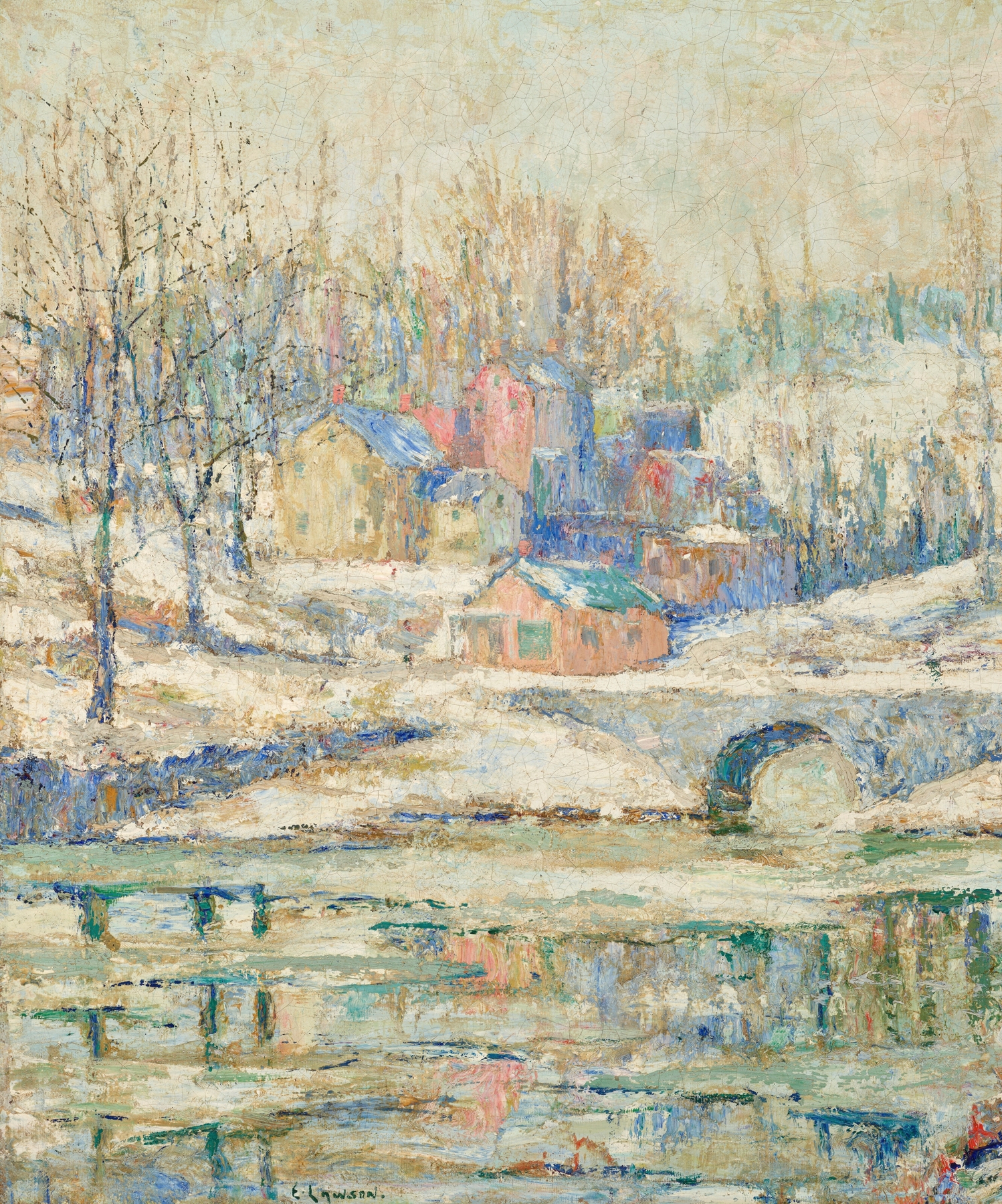
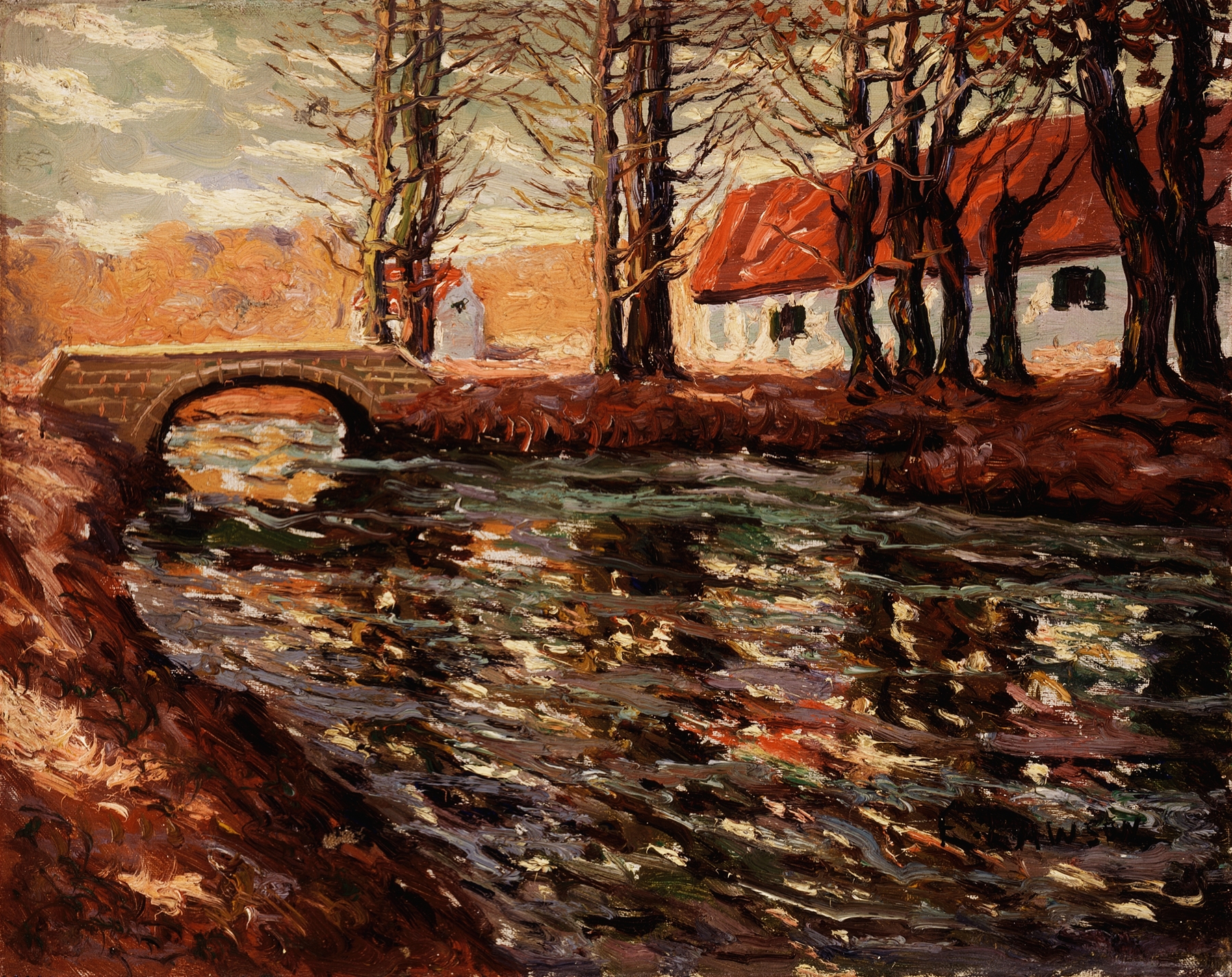
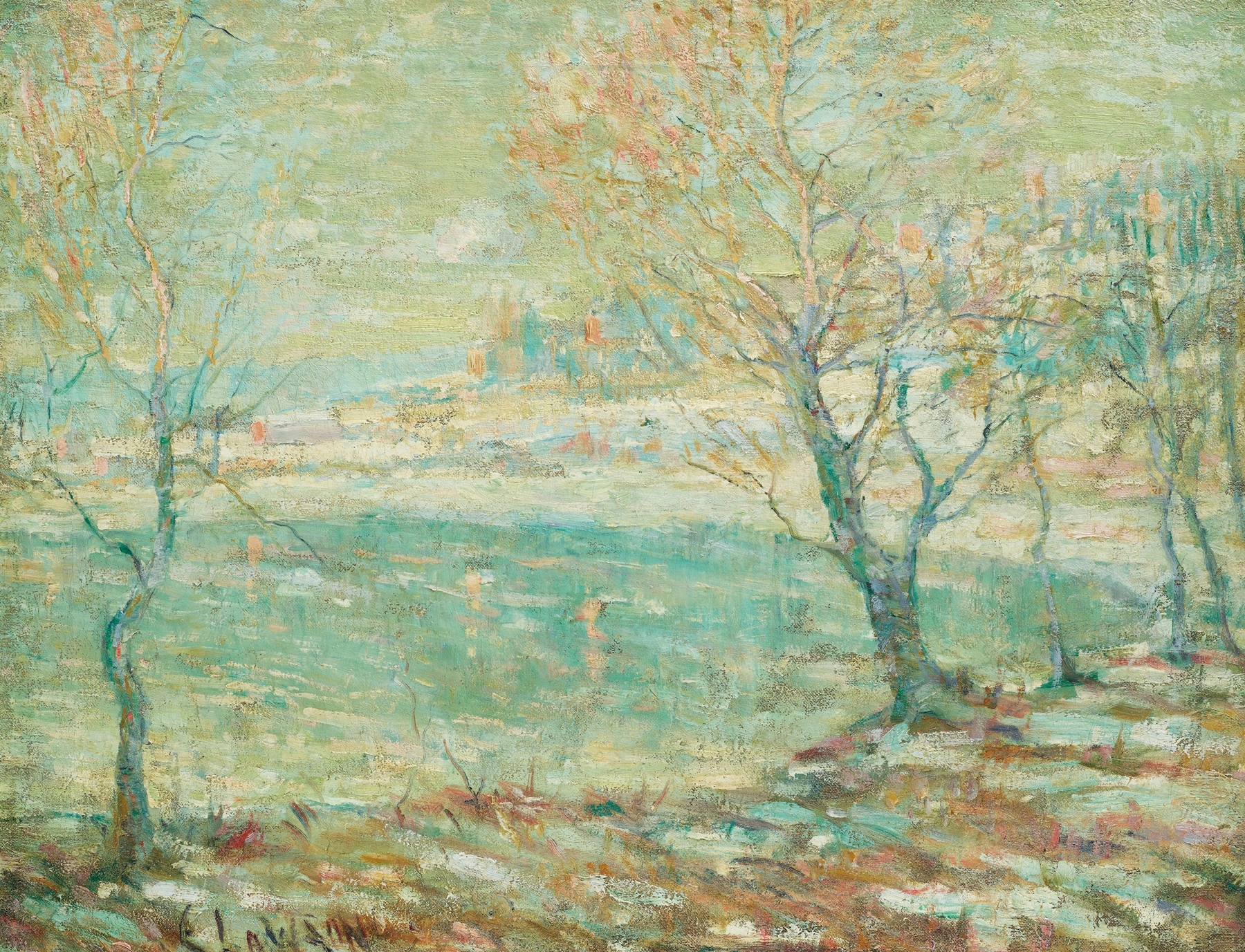
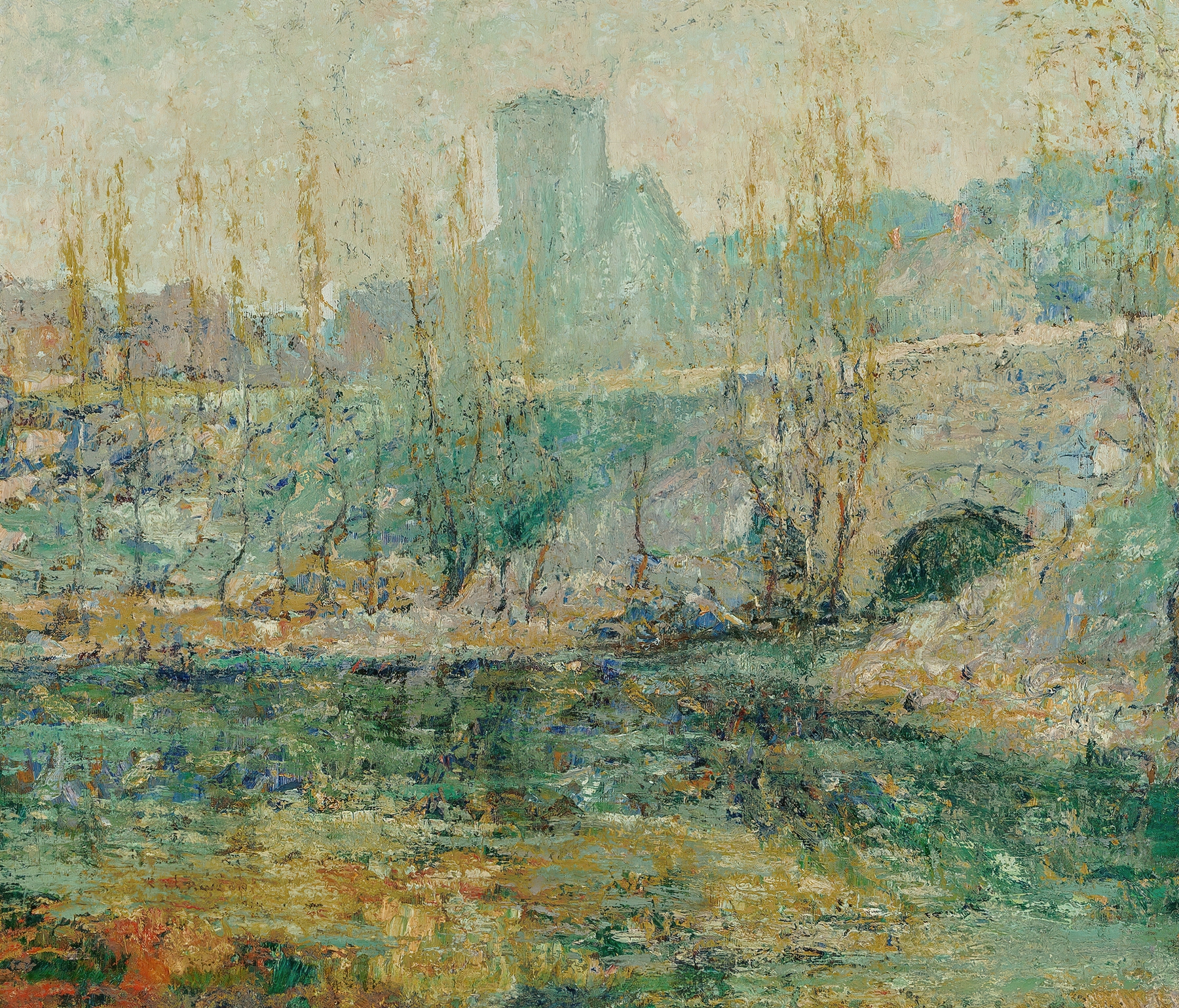
“Every silence here is a confession.” The colors of a scene can speak volumes, whispering stories that resonate deep within our souls. In the palette of a landscape, hues can beckon us closer, inviting reflection and emotion. Look to the sweeping arches of the bridge, where vibrant blues and rich browns converge beneath a painted sky. Notice how the light dances upon the water, casting shimmering reflections that create a palpable sense of movement and life. The composition draws the eye upward, capturing the impressive scale of the structure against the soft embrace of the surrounding landscape.
Each brushstroke imbues the scene with a sense of warmth, a tranquil blend of nature and urbanity. Delve deeper into the contrasts Lawson presents—the juxtaposition of the sturdy bridge against the ethereal backdrop of dusk. This tension between man-made and natural beauty speaks to a broader narrative of progress and harmony. The colors, while bright and inviting, also evoke a bittersweet nostalgia, suggesting the passage of time and the weight of history held within the bridge's foundations.
Every detail, from the gentle ripples in the water to the silhouettes of distant trees, seems to echo the unspoken stories of those who traverse this iconic landmark. During these years, between 1917 and 1920, the artist was immersed in the vibrant art scene of New York City, exploring the interplay of light and color in his expressionist works. This period was marked by a burgeoning sense of modernism, as artists sought new ways to interpret their environments. Lawson's focus on the Brooklyn Bridge reflects not only his personal journey but also the evolving landscape of American art at the time, capturing a moment where tradition and innovation intersected.