
Ceres, Bacchus and Venus — History & Facts
What first catches the eye in Ceres, Bacchus and Venus is the theatrical interplay of gesture and gaze, as if the figures are caught mid-conversation in a lush, mythic garden. The god Bacchus, crowned with grapevines, raises a brimming glass in a toast that seems to invite both his companions and the viewer to join the revelry. Venus, draped in sumptuous fabrics, leans gently toward a cherub who whispers secrets into her ear, while Ceres, crowned with wheat, anchors the scene with a cornucopia overflowing at her feet.
The painter uses bold, sculptural bodies and rich, almost tactile drapery to pull the viewer into this world of abundance and sensual delight. Every detail—the doves at Venus’s side, the fountains in the background, the careful play of light across flesh and fruit—signals a celebration of earthly pleasures. This painting belongs to a tradition of allegorical groupings popular in the 17th century, where gods and goddesses personified the gifts of nature and the senses. Such works were often commissioned by wealthy patrons eager to display both their learning and their prosperity, filling their homes with reminders of the harmony between love, wine, and the harvest.
Painted in the 1600s, as documented by its source, this work by Abraham Janssens draws on the conventions of the Flemish Baroque, with its theatrical lighting and robust forms. The world that produced this painting was one of shifting tastes and growing affluence, where mythological subjects offered artists a pretext for exploring the beauty of the human body and the bounty of the natural world. Look again at the way the figures lean into each other, each touch and glance weaving a story of pleasure, plenty, and the fleeting joys of life.
More Artworks by Abraham Janssens

Jupiter Rebuked by Venus
Abraham Janssens
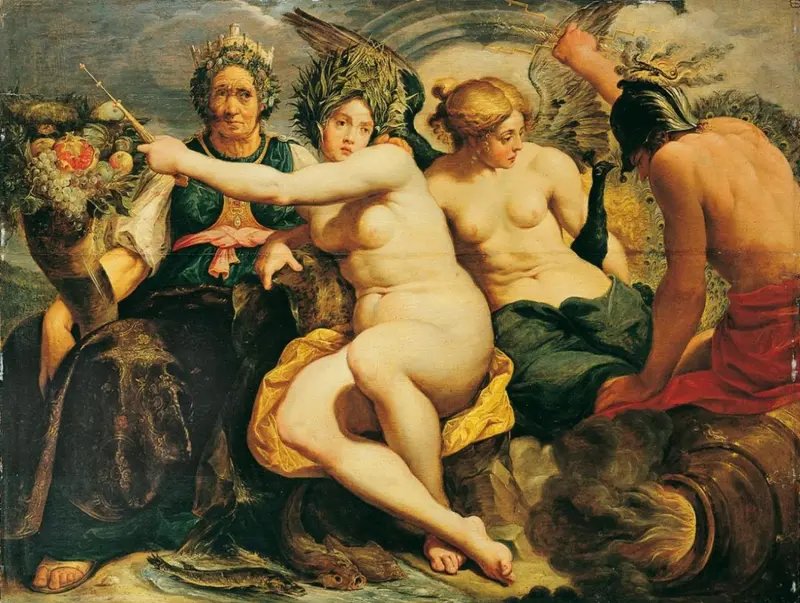
Allegorie der vier Elemente
Abraham Janssens
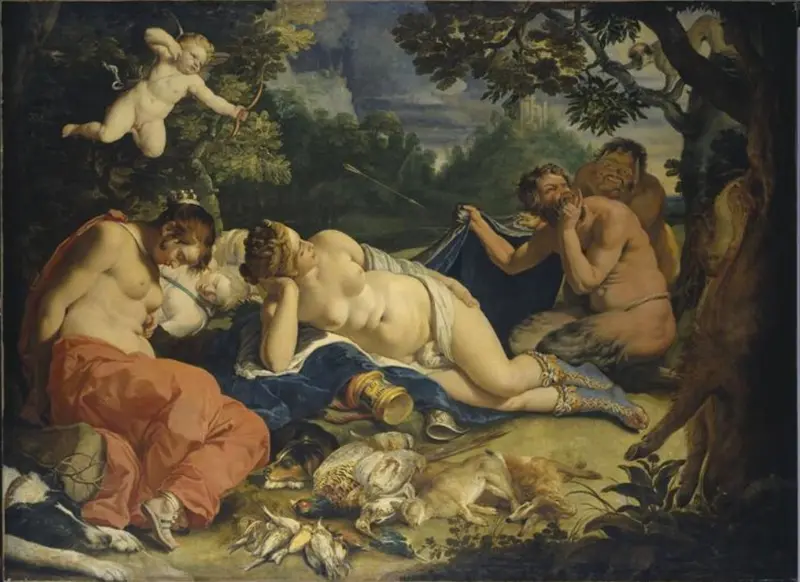
Diana and her nymphs spied on by satyrs
Abraham Janssens

Die Erweckung des Lazarus 153 Bavarian State Painting Collections
Abraham Janssens
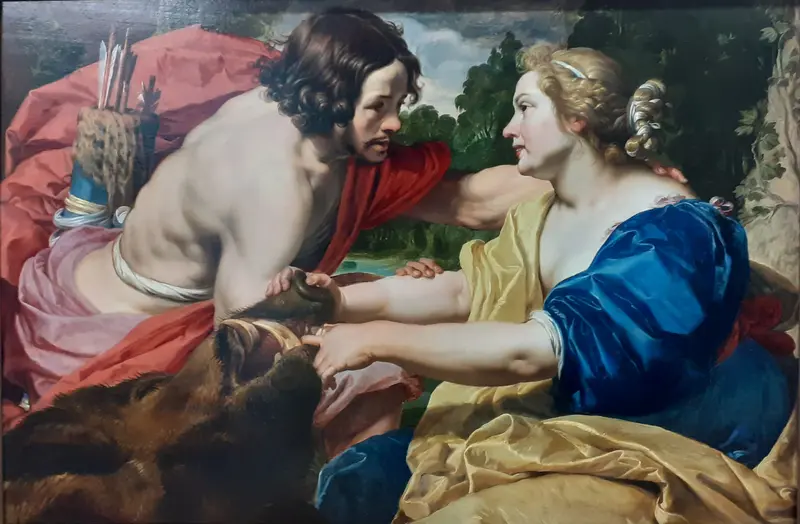
Meleager presents the head of the Calydonian Boar to Atalanta
Abraham Janssens
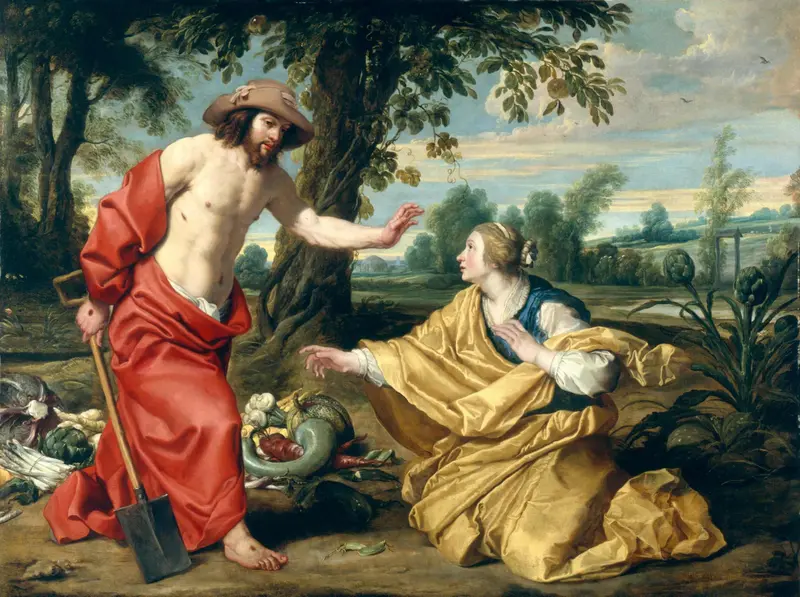
Noli me Tangere
Abraham Janssens
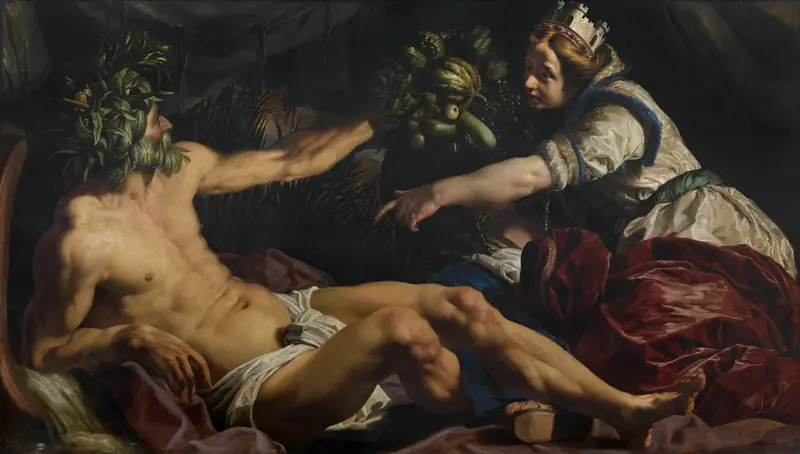
Scaldis and Antverpia
Abraham Janssens
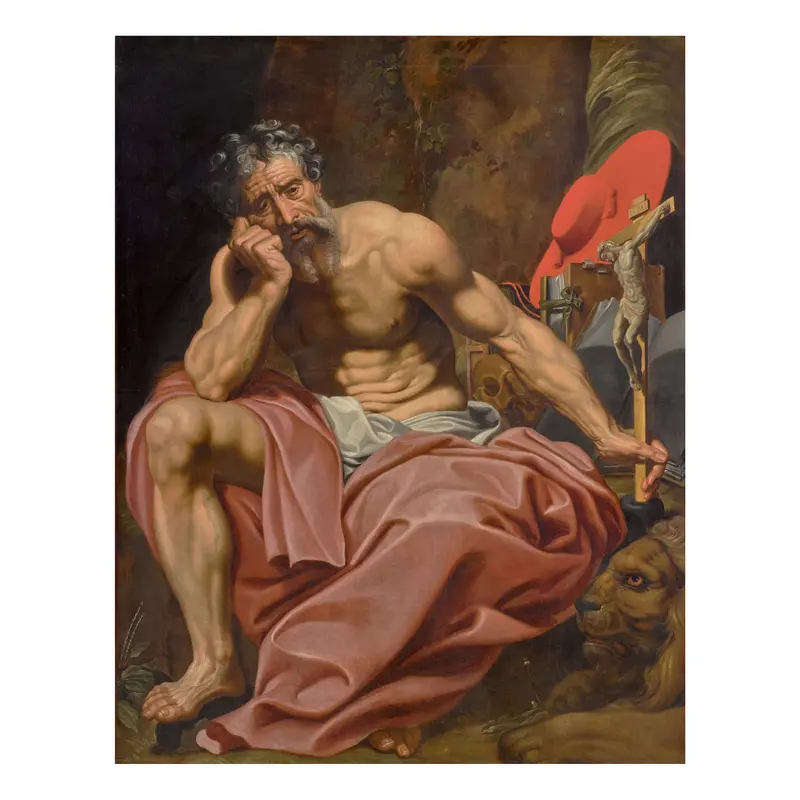
Saint Jerome
Abraham Janssens
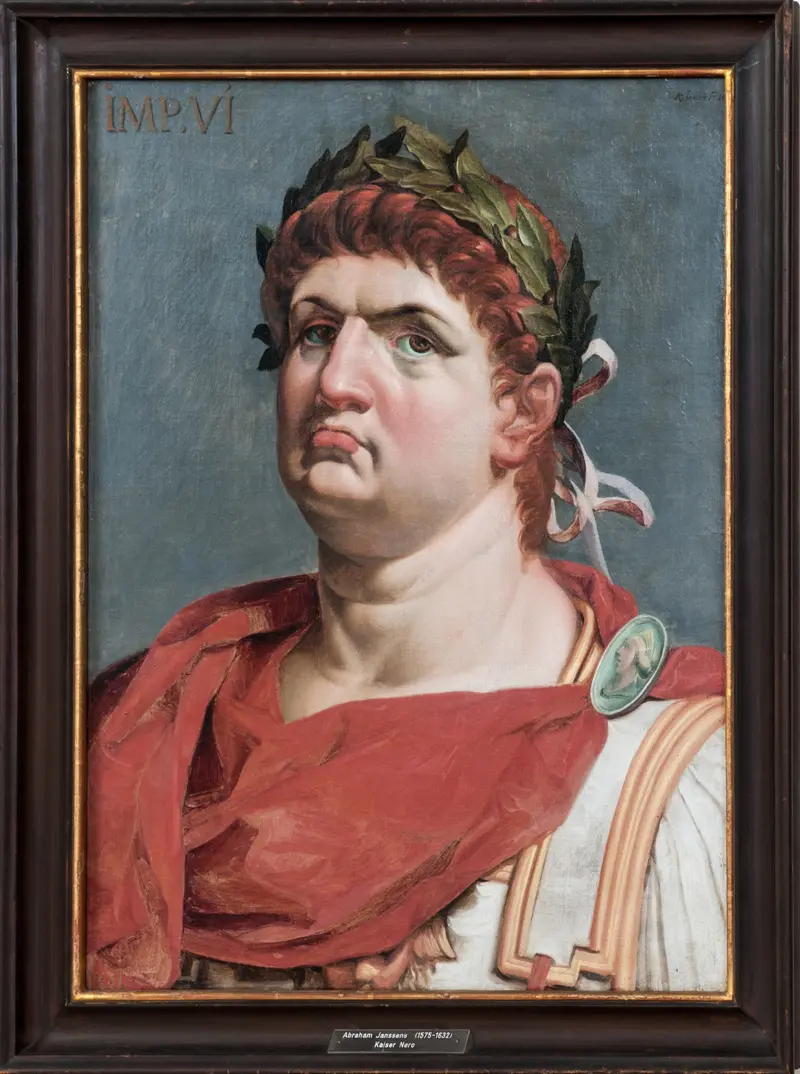
Nero
Abraham Janssens
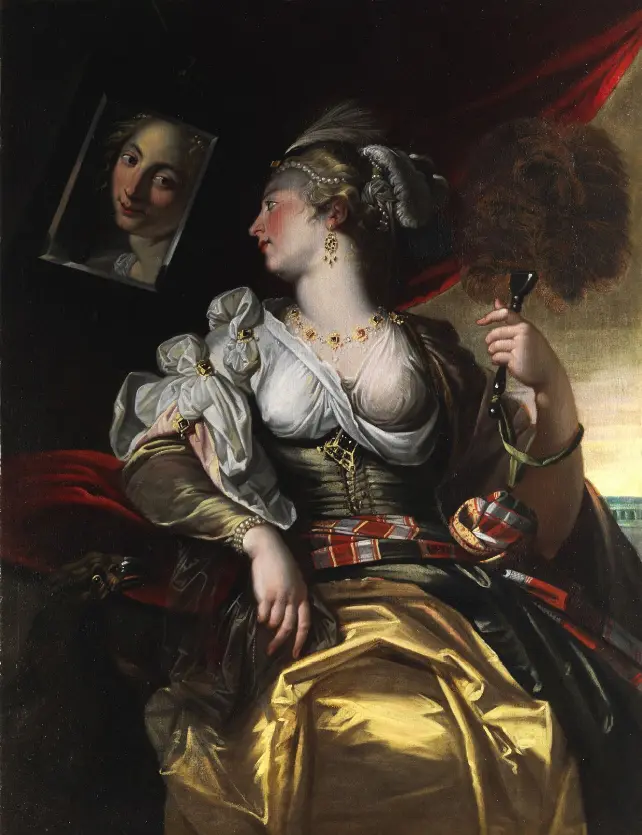
The Face
Abraham Janssens





