
Child in a Straw Hat — History & Facts
When Child in a Straw Hat was first exhibited in Paris in 1886, it marked a significant moment in the career of Mary Cassatt, one of the few American artists to gain recognition among the French Impressionists. This painting stands out as one of Cassatt’s earliest forays into the use of pastels and a looser brushwork, a shift that coincided with her participation in the final Impressionist exhibition that same year. The work’s freshness and immediacy drew attention from critics, who noted Cassatt’s boldness in capturing the fleeting expressions of childhood.
Its subject—a young girl in a wide-brimmed straw hat—became an emblem of Cassatt’s fascination with the private worlds of women and children. The painting captures a quiet, sunlit moment: the child, seated and gazing slightly away from the viewer, is framed by the broad sweep of her straw hat, which casts a gentle shadow across her face. Cassatt’s choice of a simple, unadorned background ensures that all attention rests on the girl’s thoughtful expression and the interplay of light on her delicate features. The loose, visible brushstrokes suggest the movement of air and the softness of youth, while the hat itself—an everyday object—becomes a symbol of innocence and the threshold between childhood and the wider world.
Unlike Renoir’s more sentimental depictions of children, Cassatt’s approach is direct and unsentimental, focusing instead on the individuality and inner life of her sitter. The exact provenance of Child in a Straw Hat remains somewhat unclear, as is often the case with Cassatt’s works from this period, many of which were sold directly to private collectors or family friends. Today, the painting is widely recognized as a key example of her Impressionist phase, bridging her earlier, more academic work and her later, more experimental compositions. Its presence in museum collections has helped secure Cassatt’s reputation as a central figure in the Impressionist movement, particularly for her sensitive and modern portrayals of women and children.
The painting continues to be celebrated for its fresh vision and its role in redefining the possibilities of portraiture in the late nineteenth century.
More Artworks by Mary Cassatt

The Child's Bath
Mary Cassatt
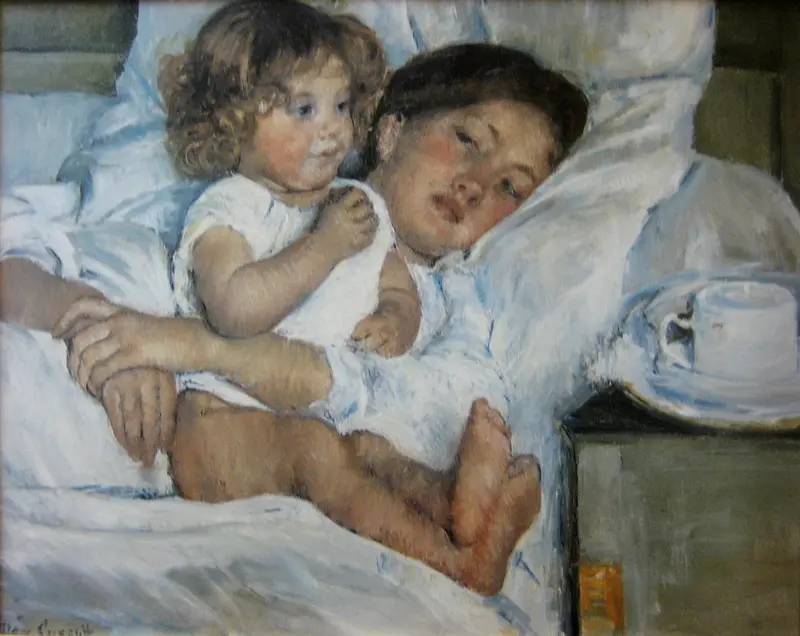
Breakfast in Bed
Mary Cassatt

Mother and Child (Baby Getting Up from His Nap)
Mary Cassatt
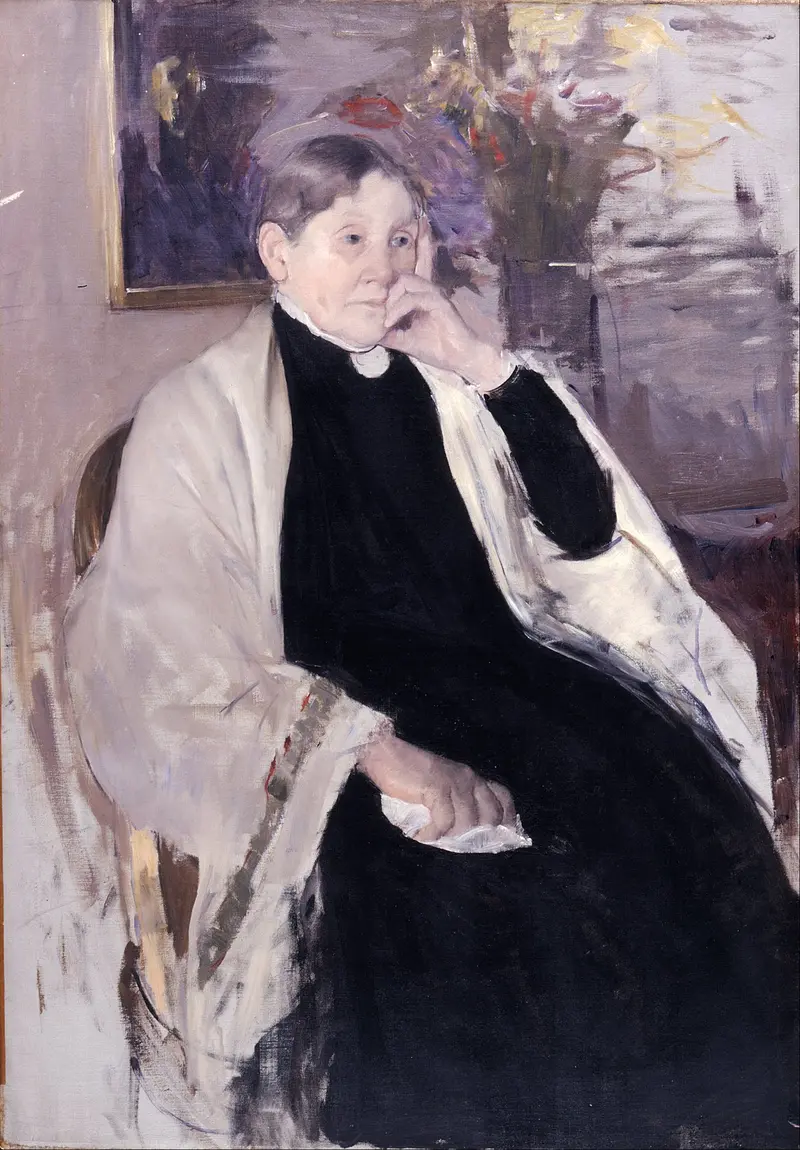
Mrs. Robert S. Cassatt, the Artist's Mother
Mary Cassatt
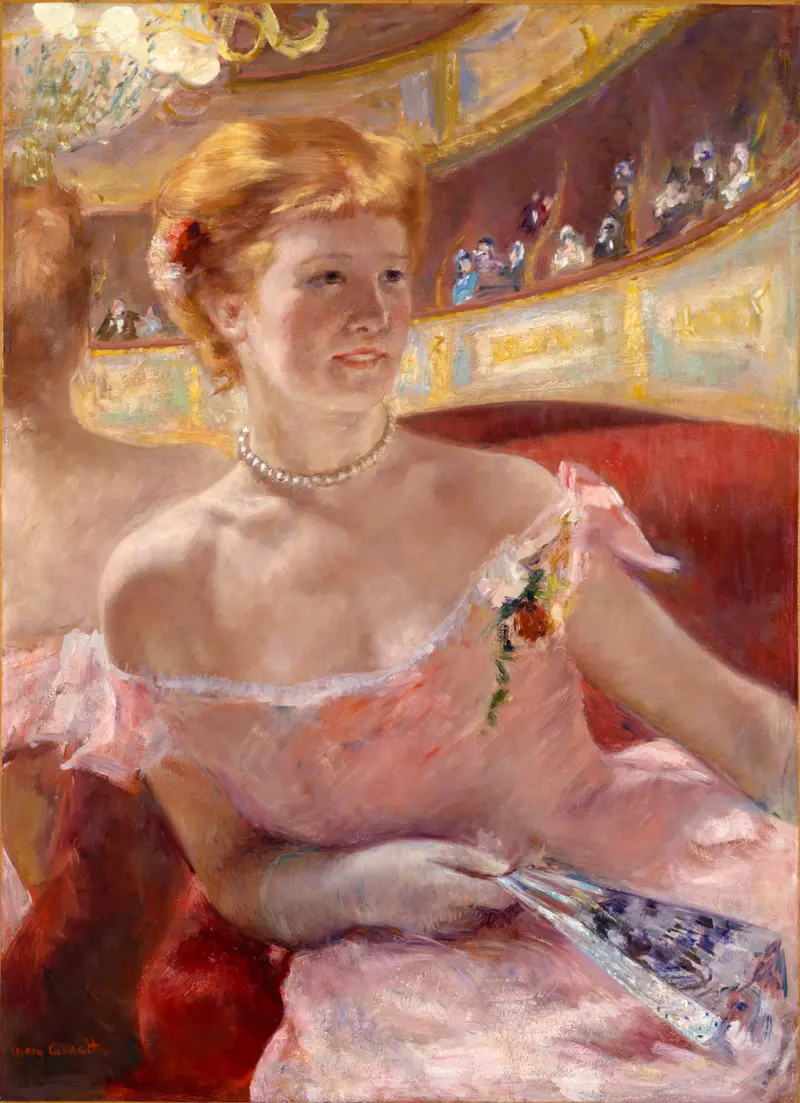
Woman with a Pearl Necklace in a Loge
Mary Cassatt
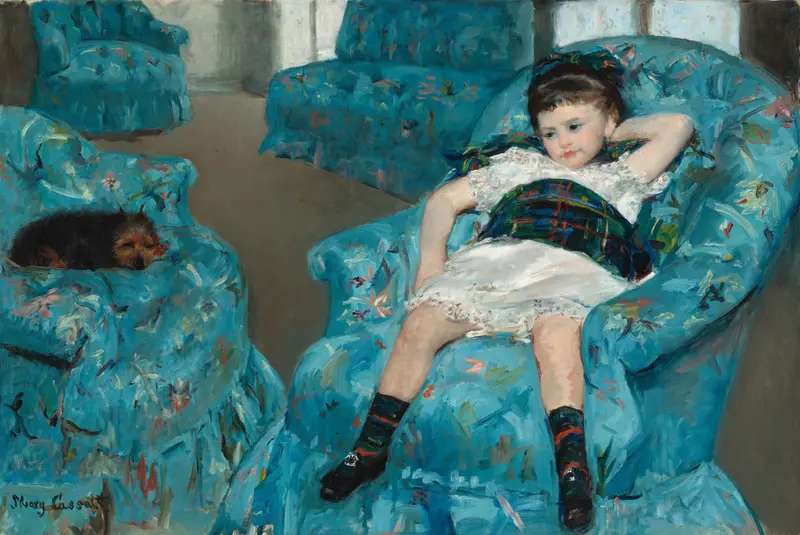
Little Girl in a Blue Armchair
Mary Cassatt
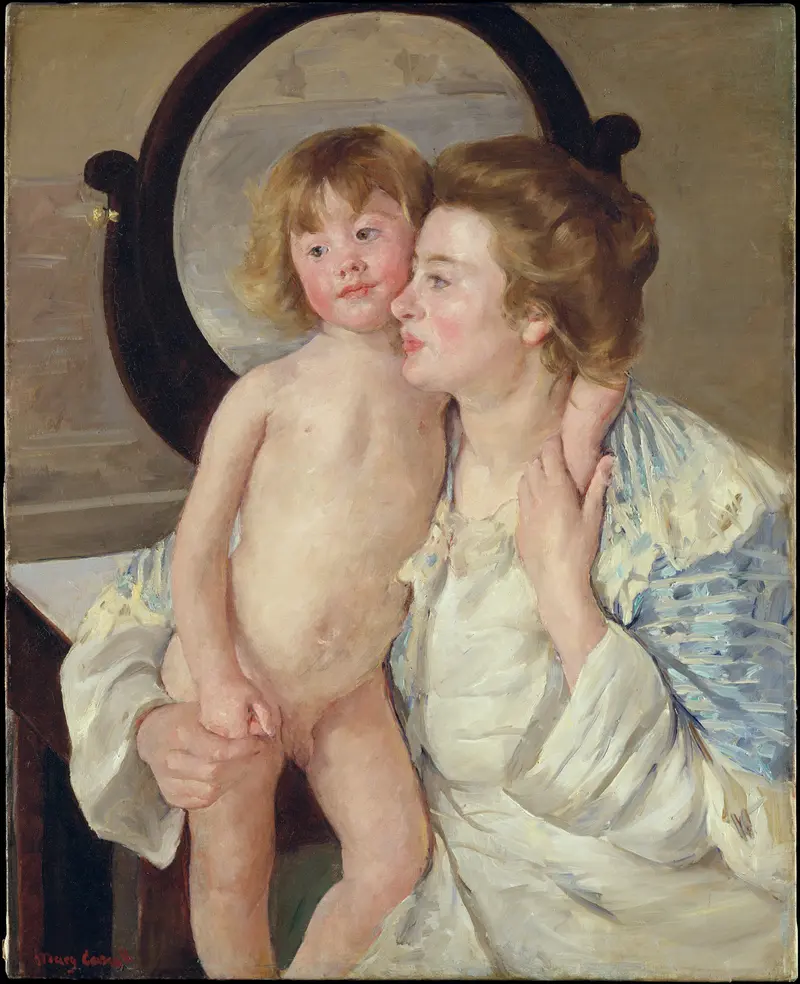
Mother and Child (The Oval Mirror)
Mary Cassatt
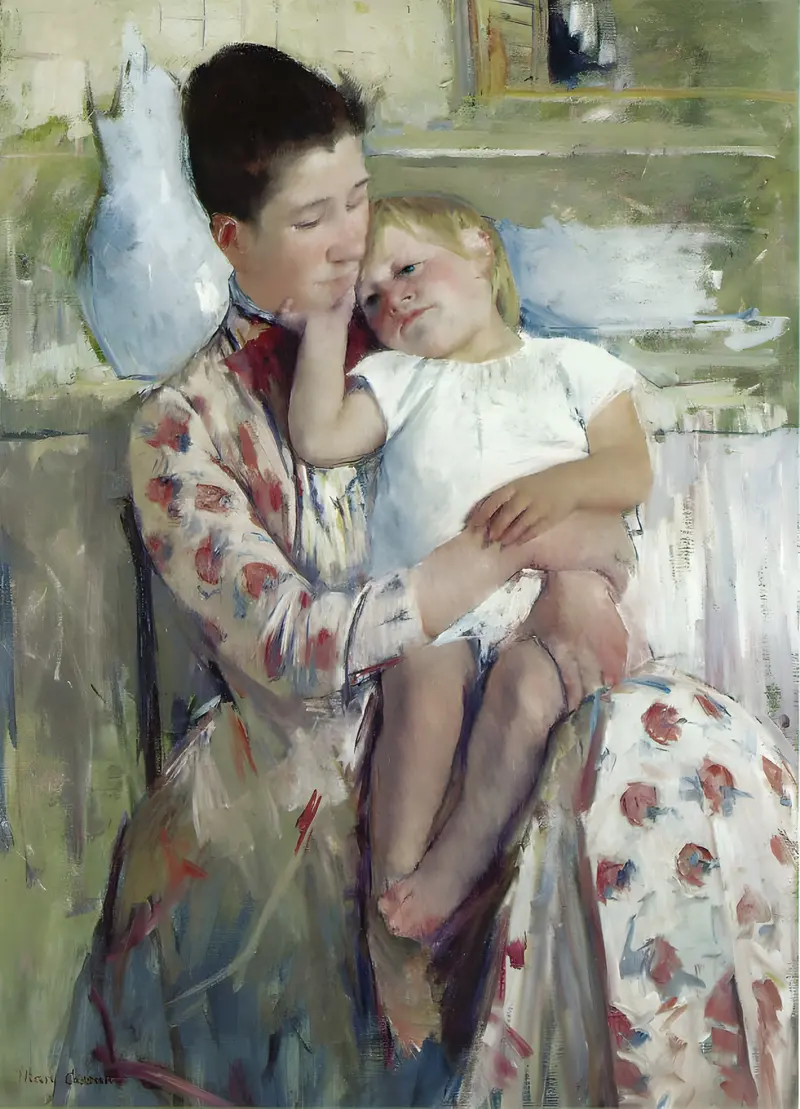
Mother and Child
Mary Cassatt
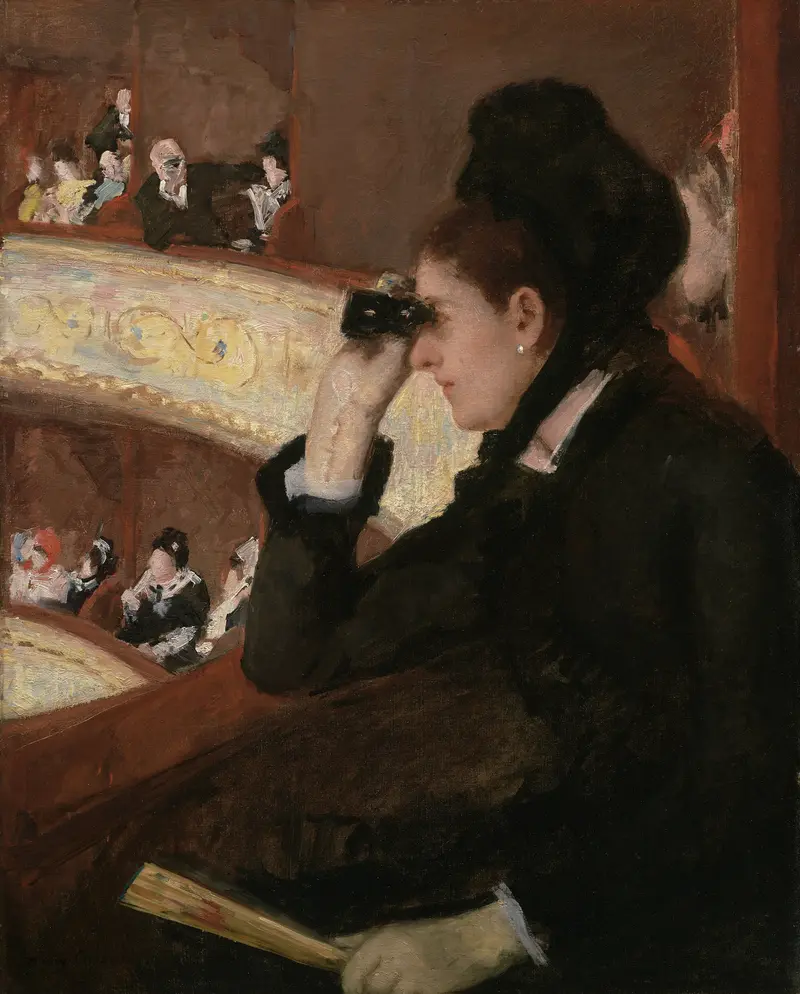
In The Loge
Mary Cassatt
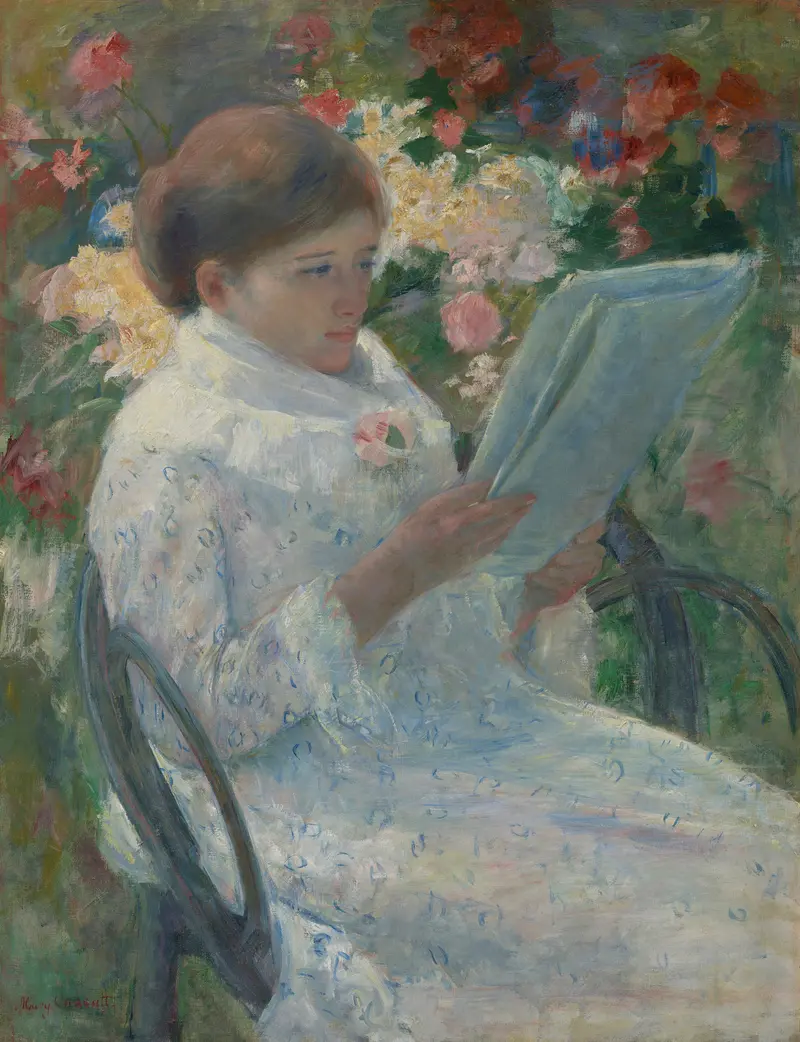
On a Balcony
Mary Cassatt





