
Childhood of the Virgin — History & Facts
In the final years of his life, Francisco de Zurbarán turned his attention to a subject rarely painted in Spain: the childhood of the Virgin Mary. While depictions of the Virgin’s later life filled altarpieces and chapels, her early years were mostly left to the imagination, making Childhood of the Virgin a remarkable exception. The painting was completed in 1658, when Zurbarán was already celebrated for his serene saints and monastic scenes, and it stands as one of the few Spanish works to focus on Mary as a young girl, quietly learning and growing under her mother’s watchful eye. Zurbarán chooses to capture the Virgin in a moment of gentle study, seated at a table with a book open before her, guided by Saint Anne.
The light falls softly across Mary’s face, illuminating her concentration and innocence, while her mother’s gesture—pointing to the page—signals the transmission of wisdom and faith. The objects on the table, such as the sewing basket and the book, allude to Mary’s virtues: diligence, obedience, and devotion. Unlike the more ornate and bustling scenes of the same subject by Italian painters like Federico Barocci, Zurbarán’s composition is calm and intimate, emphasizing the silent bond between mother and child. The exact patron of Childhood of the Virgin is not clearly recorded, but it was likely intended for a private chapel or convent, as many of Zurbarán’s late works were.
The painting reflects the artist’s mature style—marked by clarity, restraint, and a luminous palette—at a time when his fortunes in Seville were waning. Today, the work is recognized as a rare Spanish meditation on Mary’s early life, and it remains a testament to Zurbarán’s ability to find the sacred in the everyday. Its journey through collections is not fully documented, but its survival enriches our understanding of 17th-century Spanish devotion and the quiet power of Zurbarán’s vision.
More Artworks by Francisco de Zurbarán
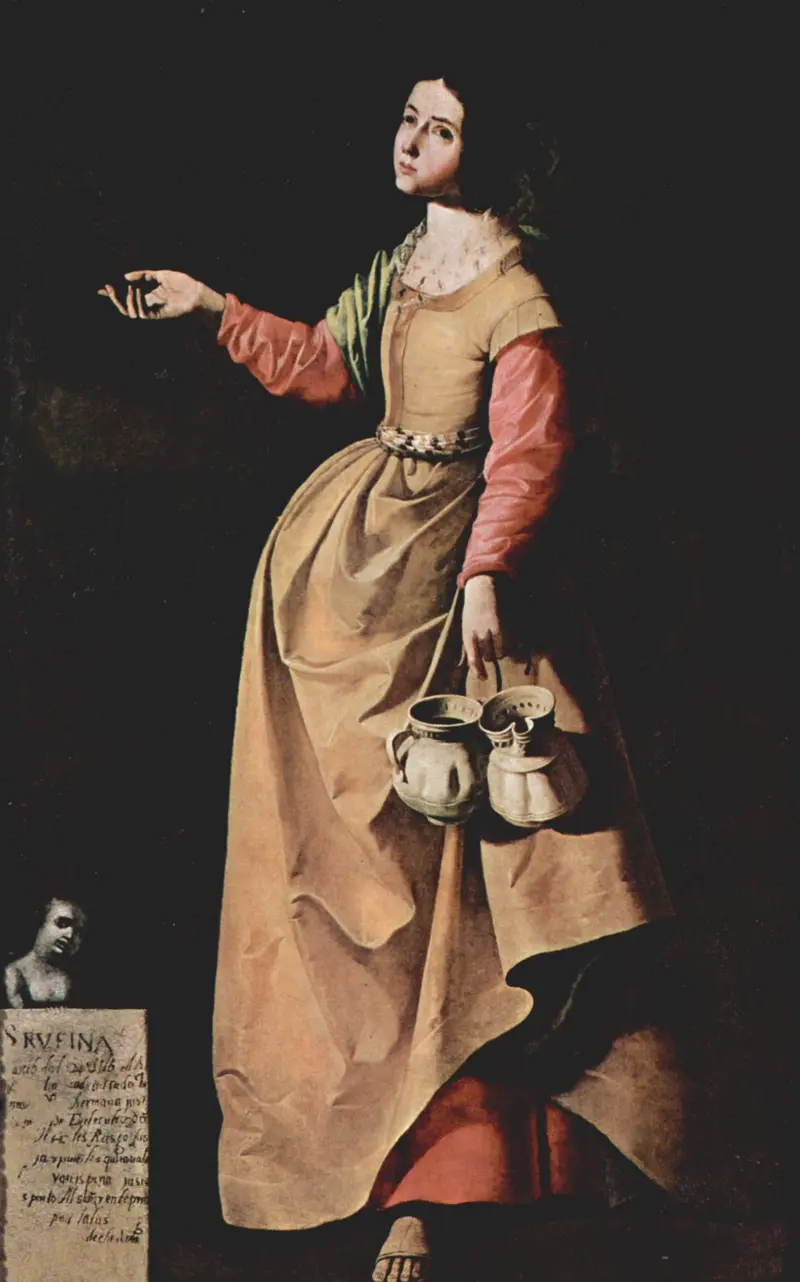
Saint Rufina
Francisco de Zurbarán
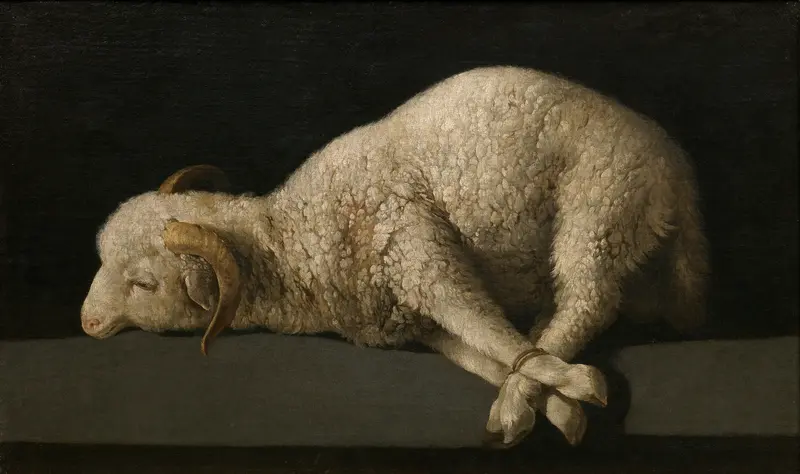
Agnus Dei
Francisco de Zurbarán
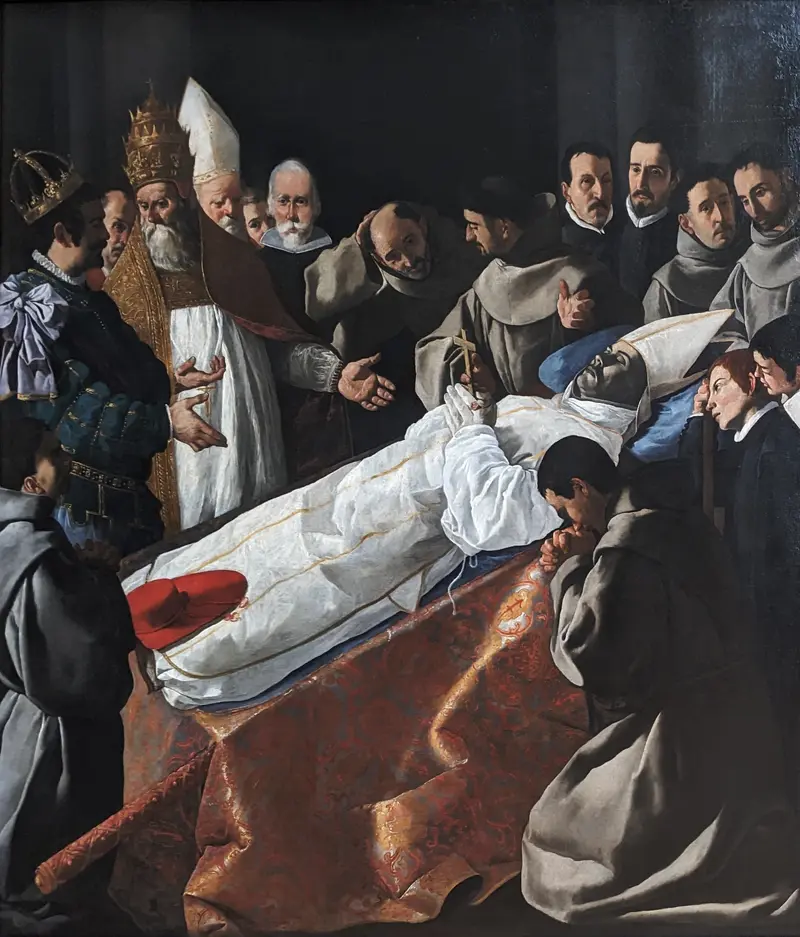
Saint Bonaventure's Body Lying in State
Francisco de Zurbarán
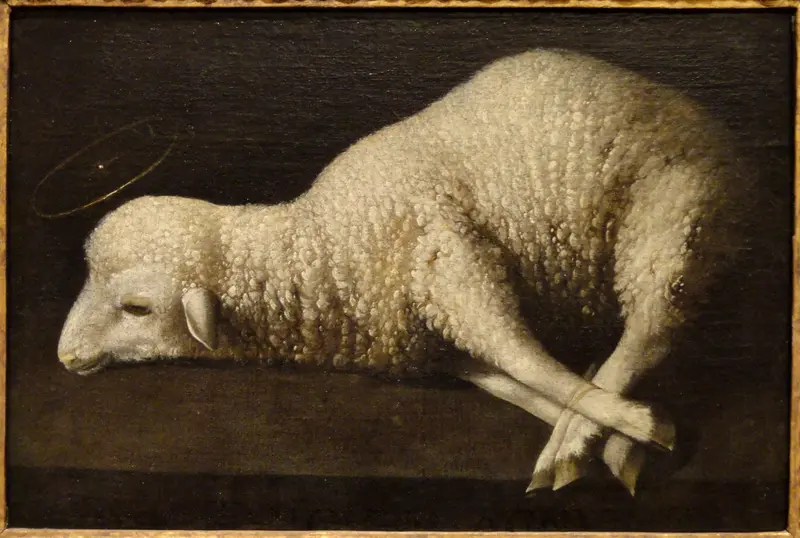
The Lamb of God
Francisco de Zurbarán

Adoration of the Magi
Francisco de Zurbarán
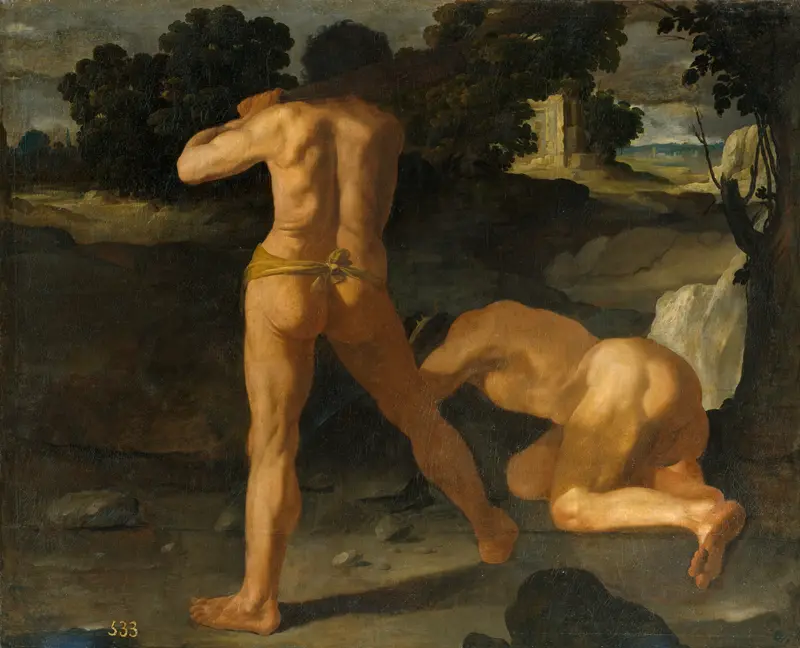
Hercules defeats King Geryon
Francisco de Zurbarán
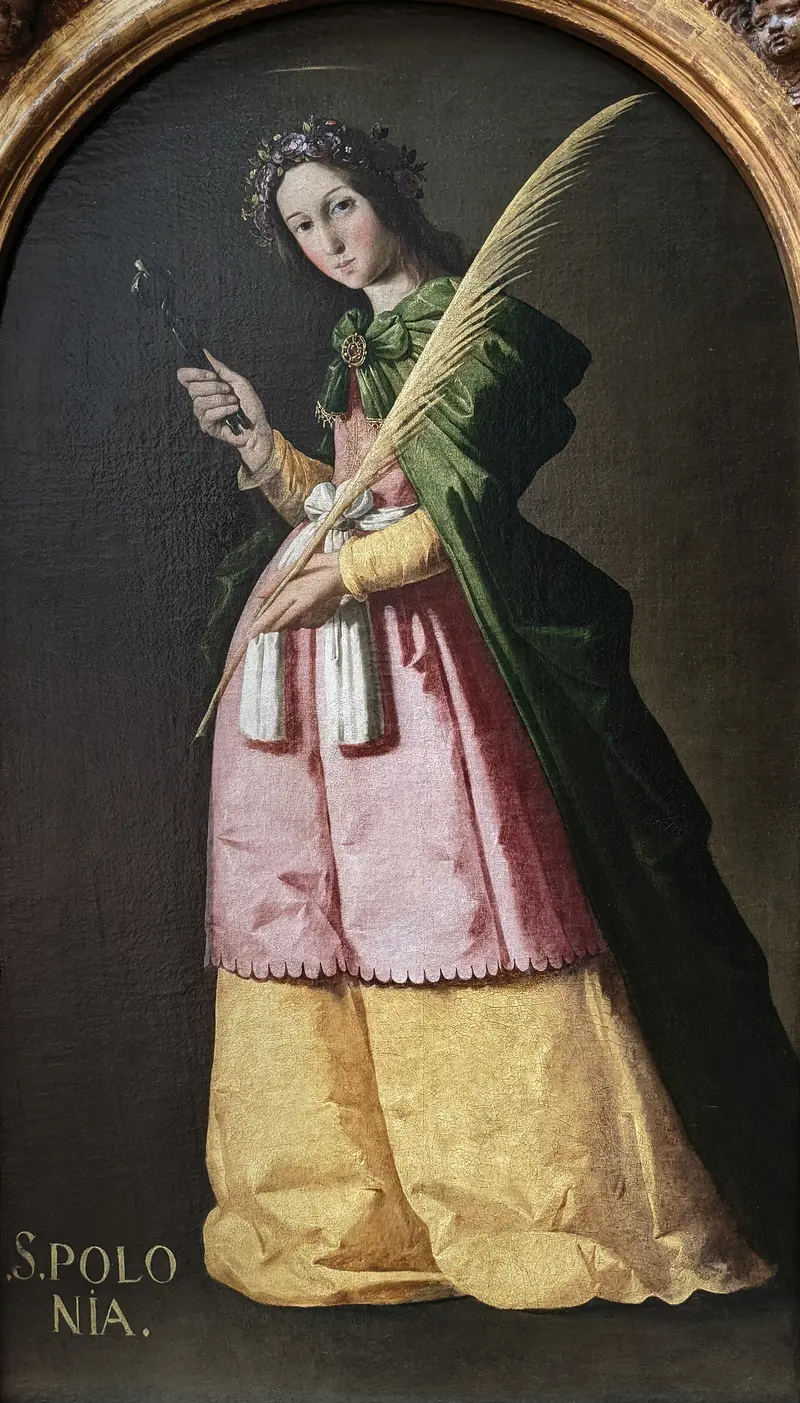
Saint Apollonia
Francisco de Zurbarán
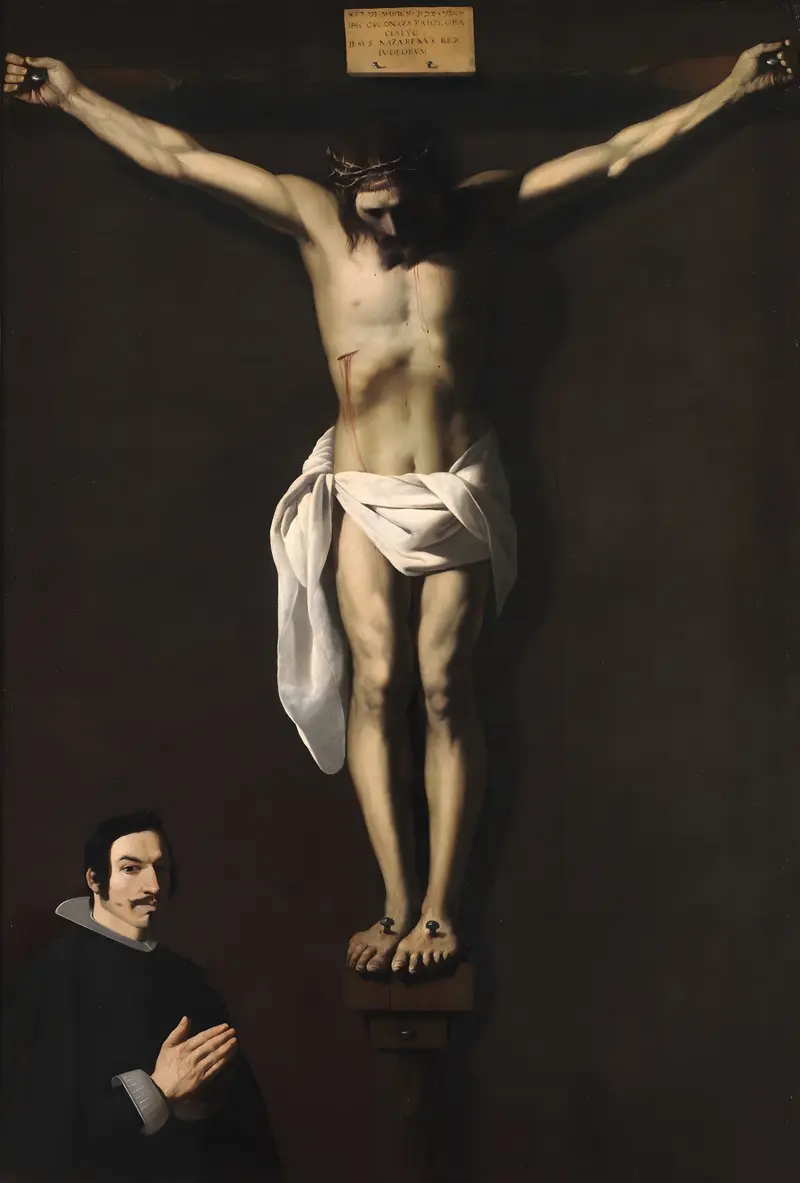
The Crucified Christ with a Donor
Francisco de Zurbarán
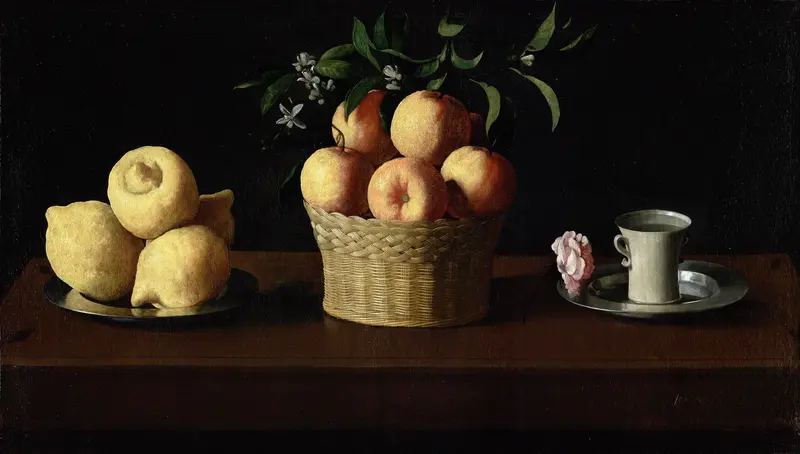
Still Life with Lemons, Oranges and a Rose
Francisco de Zurbarán
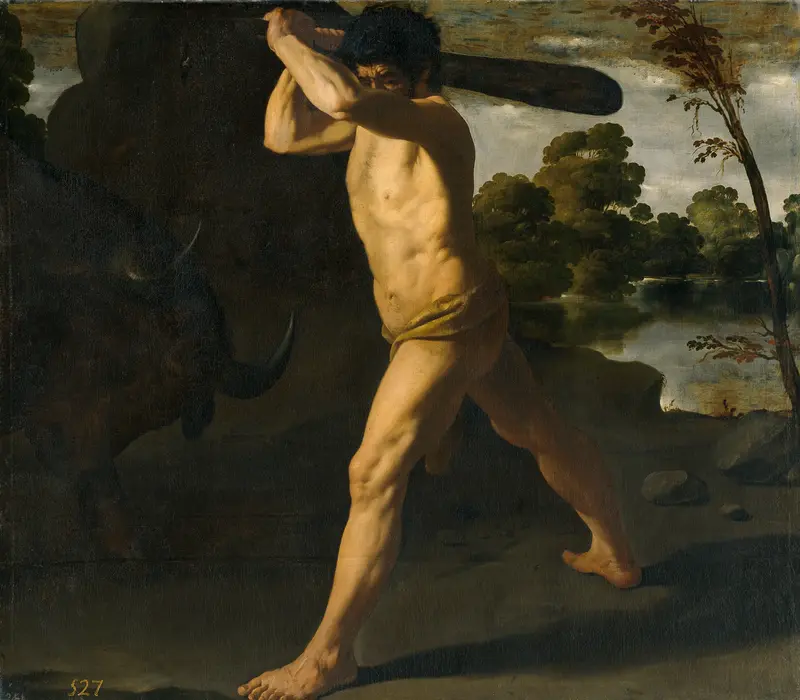
Hercules and the Cretan Bull
Francisco de Zurbarán





