
Children in a Garden (The Nurse) — History & Facts
When Children in a Garden (The Nurse) was exhibited at the 1879 Impressionist Exhibition in Paris, critics took immediate note of its unusual focus: not the fashionable Parisian world, but the quiet, everyday intimacy of childhood under a nurse’s care. Mary Cassatt was one of the few American artists invited to join the Impressionists, and this painting marked her public embrace of their radical new vision. At a time when women artists struggled for recognition, Cassatt’s choice of subject—a nursemaid with children—challenged the era’s boundaries between “high” and “domestic” art. The scene unfolds in a sunlit garden, where two small children, dressed in white, cluster near their attentive nurse.
Cassatt freezes the moment as the nurse, seated and dignified, watches over her charges, her dark dress anchoring the composition amid the dappled greens and soft pinks of the garden. The children’s gestures—one clutching a toy, the other reaching for a flower—speak to the fleeting innocence of childhood, while the nurse’s calm presence suggests both care and social distance. Unlike Renoir’s more theatrical garden scenes, Cassatt’s approach is quieter and more observational, emphasizing the subtle choreography of everyday life. The precise early history of Children in a Garden (The Nurse) remains unclear, as records of its first buyers are lost, but it is known that Cassatt’s garden paintings became highly sought-after among American collectors in the late 19th century.
The work reflects a turning point in Cassatt’s career, as she moved away from formal portrait commissions to embrace the Impressionists’ focus on light, color, and modern life. Today, the painting is recognized as a key example of Cassatt’s mature style, celebrated for its fresh perspective on the private worlds of women and children. Its current home is not definitively recorded, but it remains a touchstone for those exploring the intersections of gender, modernity, and art.
More Artworks by Mary Cassatt

The Child's Bath
Mary Cassatt
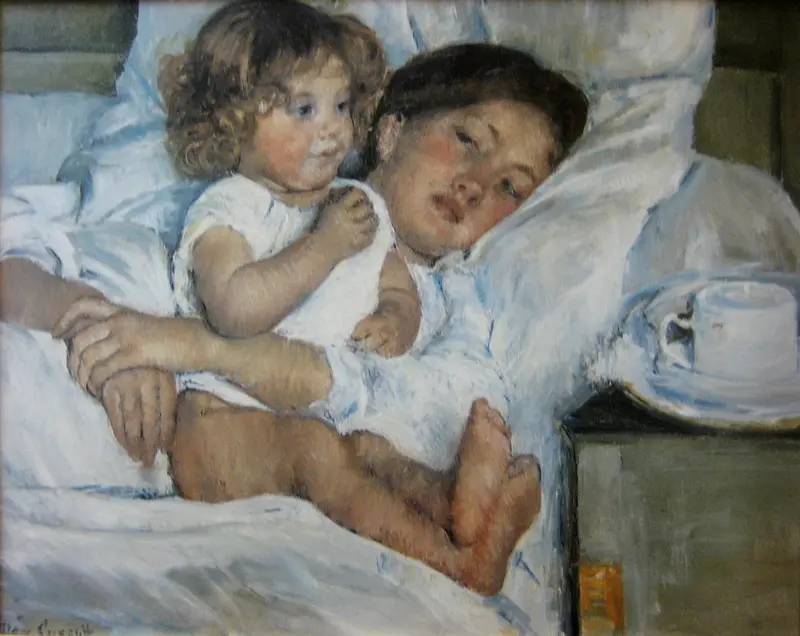
Breakfast in Bed
Mary Cassatt

Mother and Child (Baby Getting Up from His Nap)
Mary Cassatt
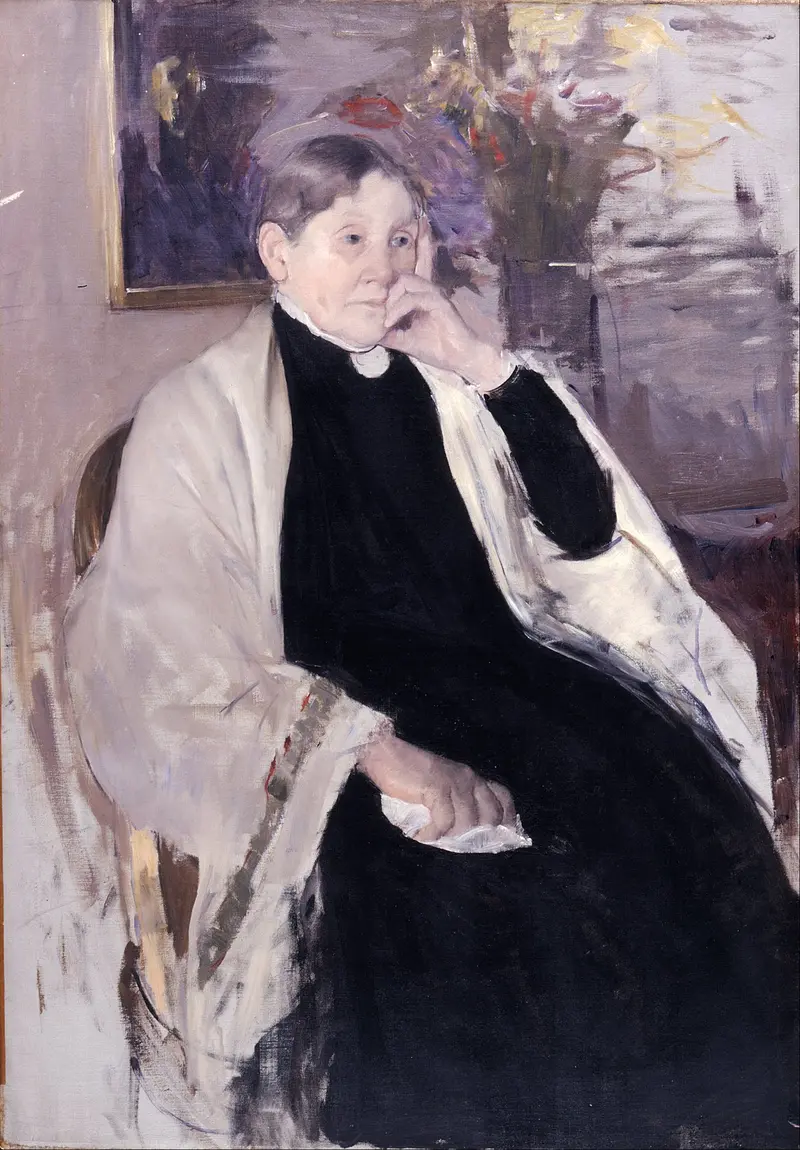
Mrs. Robert S. Cassatt, the Artist's Mother
Mary Cassatt
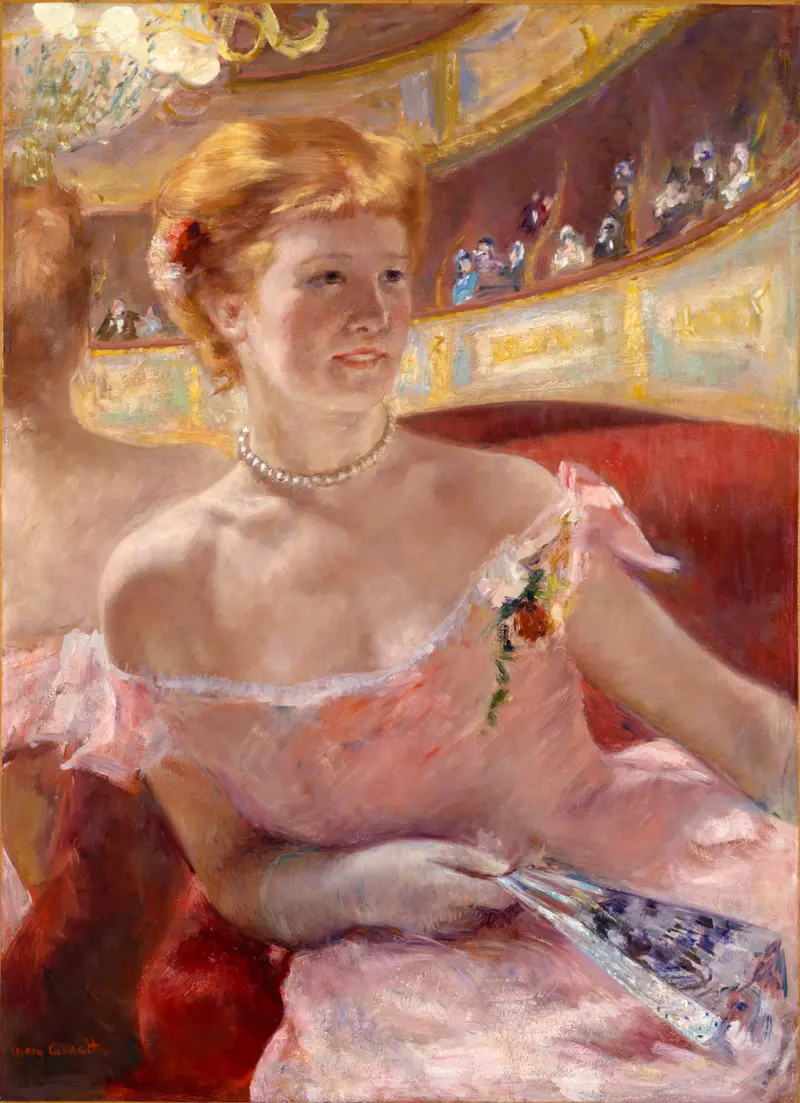
Woman with a Pearl Necklace in a Loge
Mary Cassatt
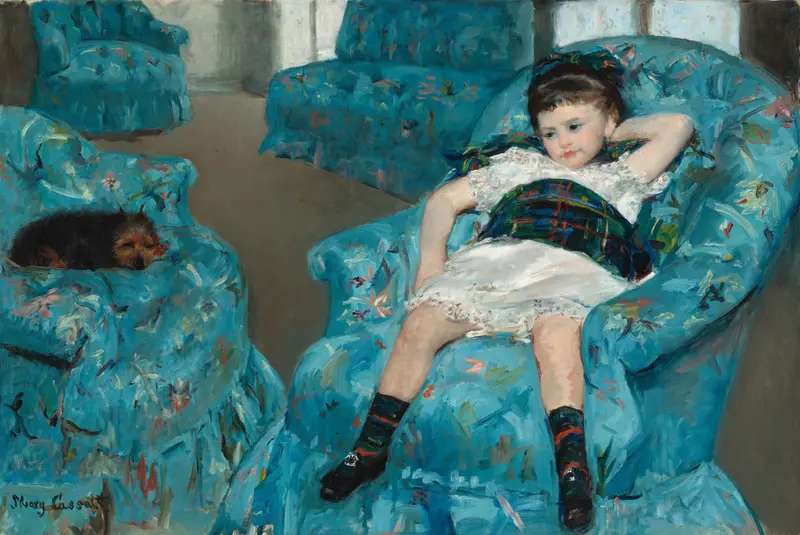
Little Girl in a Blue Armchair
Mary Cassatt
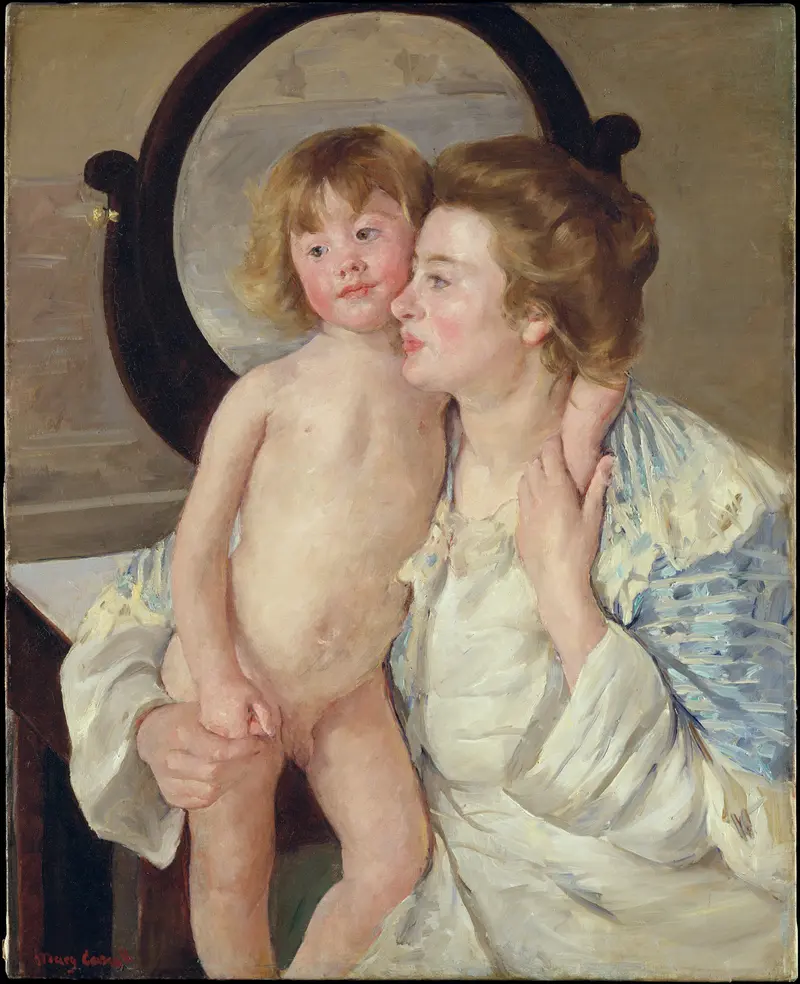
Mother and Child (The Oval Mirror)
Mary Cassatt
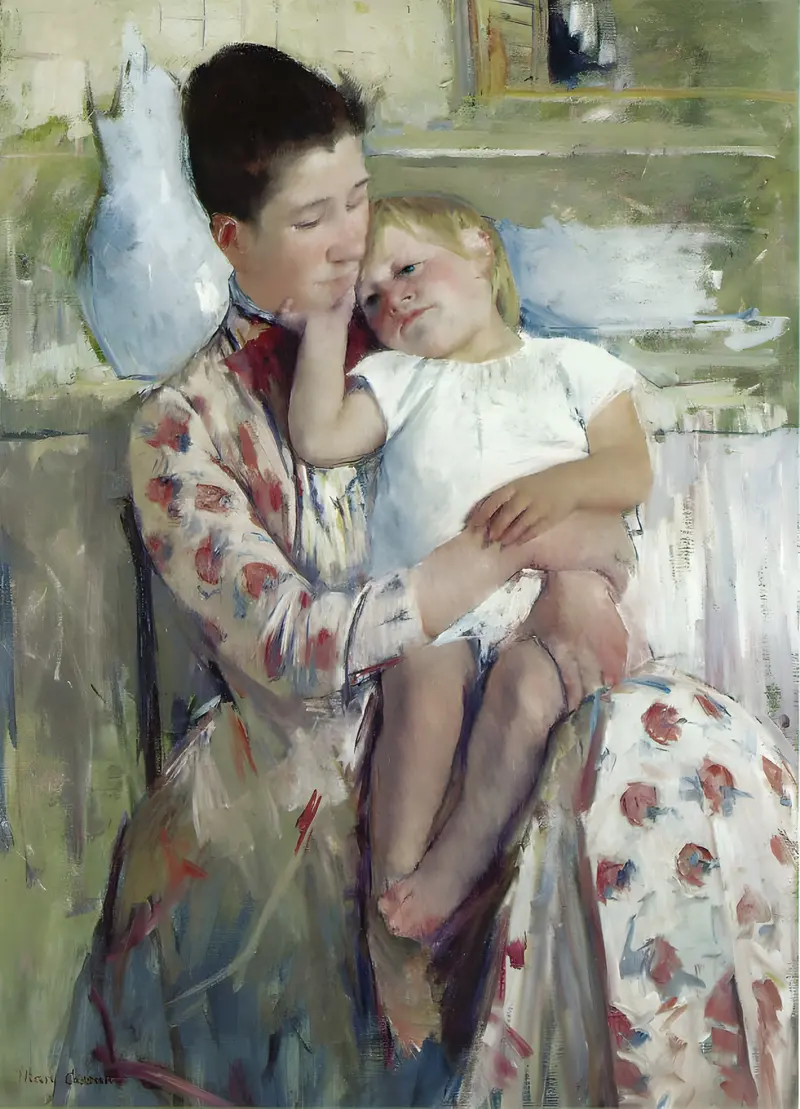
Mother and Child
Mary Cassatt
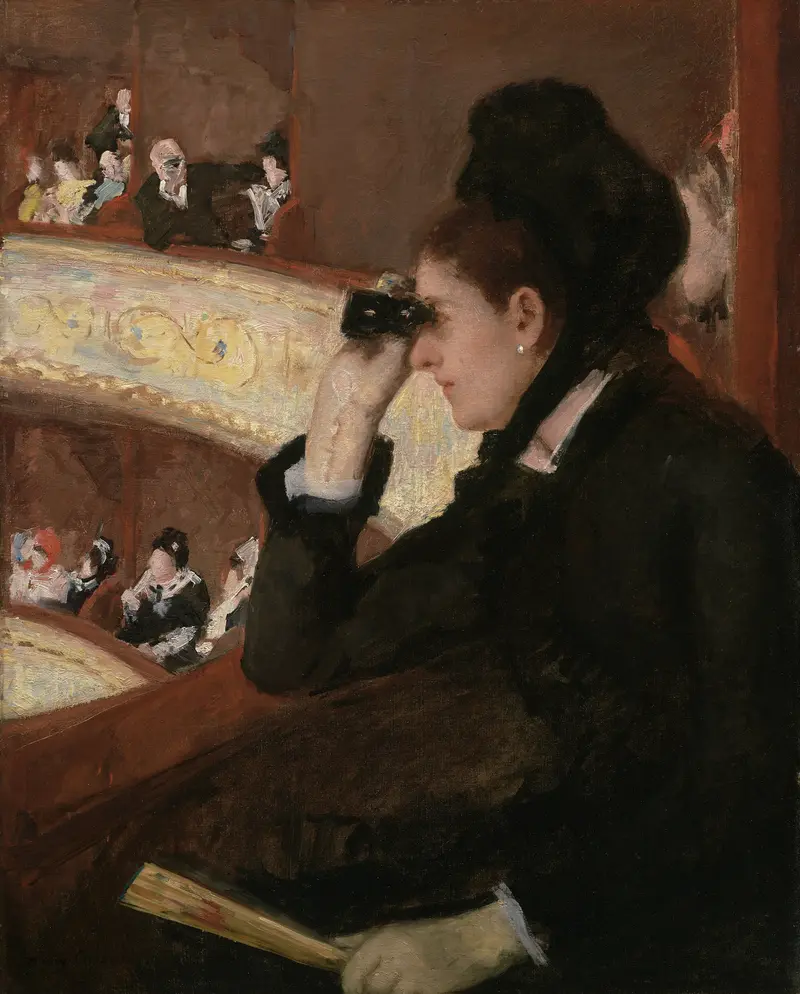
In The Loge
Mary Cassatt
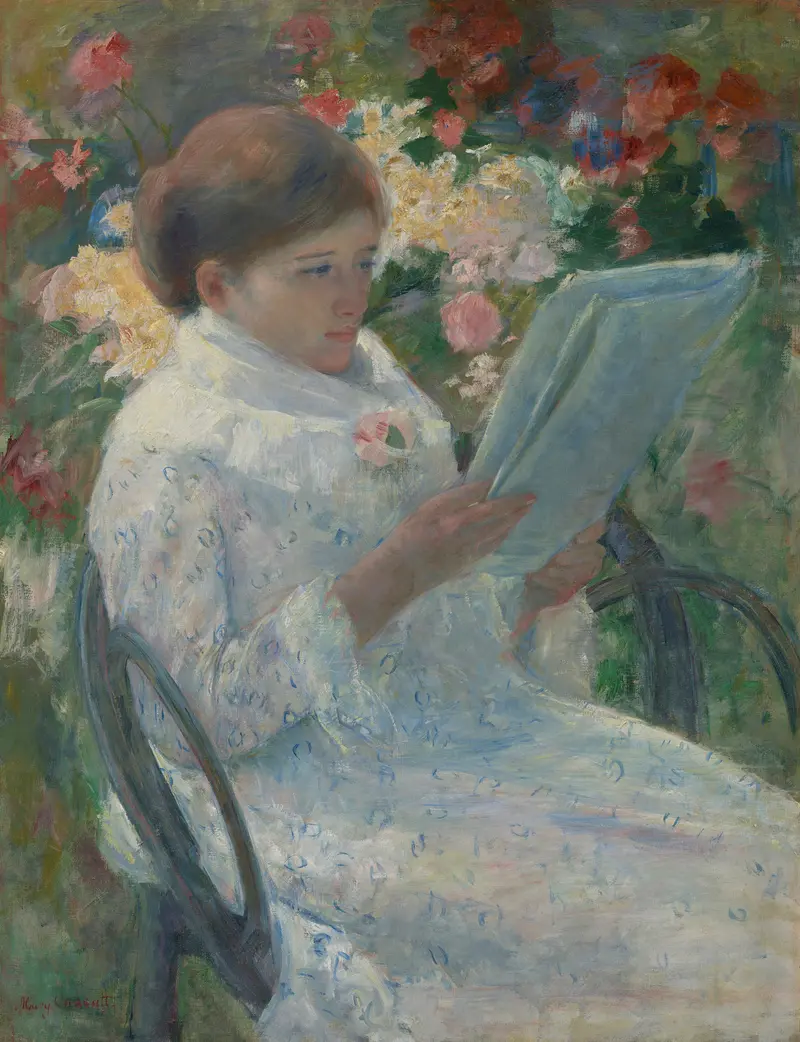
On a Balcony
Mary Cassatt
More Genre Scene Art

Banquet of the Officers of the St George Civic Guard
Frans Hals

Rembrandt and Saskia in the Scene of the Prodigal Son
Rembrandt van Rijn

Bal du moulin de la Galette
Pierre-Auguste Renoir

Quadrille at the Moulin Rouge
Henri de Toulouse-Lautrec

A Burial at Ornans
Gustave Courbet

When Will You Marry?
Paul Gauguin