
Christ on the Cross — History & Facts
When Giotto di Bondone painted Christ on the Cross in 1308, he was already renowned for transforming religious art with a new sense of humanity and drama. What makes this work particularly fascinating is its uncertain medium—unlike most panel paintings of the era, the exact materials Giotto used here remain a matter of debate among scholars. Some suggest tempera on wood, others propose fresco, but no consensus has been reached, adding an air of mystery to an already pivotal image.
This uncertainty has only deepened interest in the painting, as researchers continue to study its surface and underlying structure with modern technology. The scene Giotto chose is the very moment of Christ’s death, the sky darkening as the world holds its breath. Christ’s head droops to his shoulder, his body rendered with a weight and gravity rarely seen before in Western art. The cross stands stark against a plain background, focusing all attention on the figure’s suffering and sacrifice.
Blood trickles from Christ’s wounds, and his loincloth is painted with careful folds, emphasizing both his vulnerability and dignity. Unlike earlier Byzantine depictions, Giotto’s Christ is physically present and deeply human, inviting viewers to feel the sorrow of the moment—much as he would later do in his frescoes at the Arena Chapel. Compared to the gold-ground crucifixions of Cimabue, Giotto’s approach is more direct and emotionally immediate. Little is known about the early history of Christ on the Cross, including its original patron or intended location, which is not unusual for works from this period.
It likely formed part of a larger altarpiece or devotional ensemble, a common practice in early fourteenth-century Italy. Over the centuries, the painting has been attributed to various hands before scholarly consensus settled on Giotto di Bondone, whose innovative style it so clearly reflects. Today, the work stands as a testament to Giotto’s role in shaping the course of Western painting, bridging the medieval and the early Renaissance with a vision that remains compelling even as many details about its creation are lost to time.
More Artworks by Giotto di Bondone
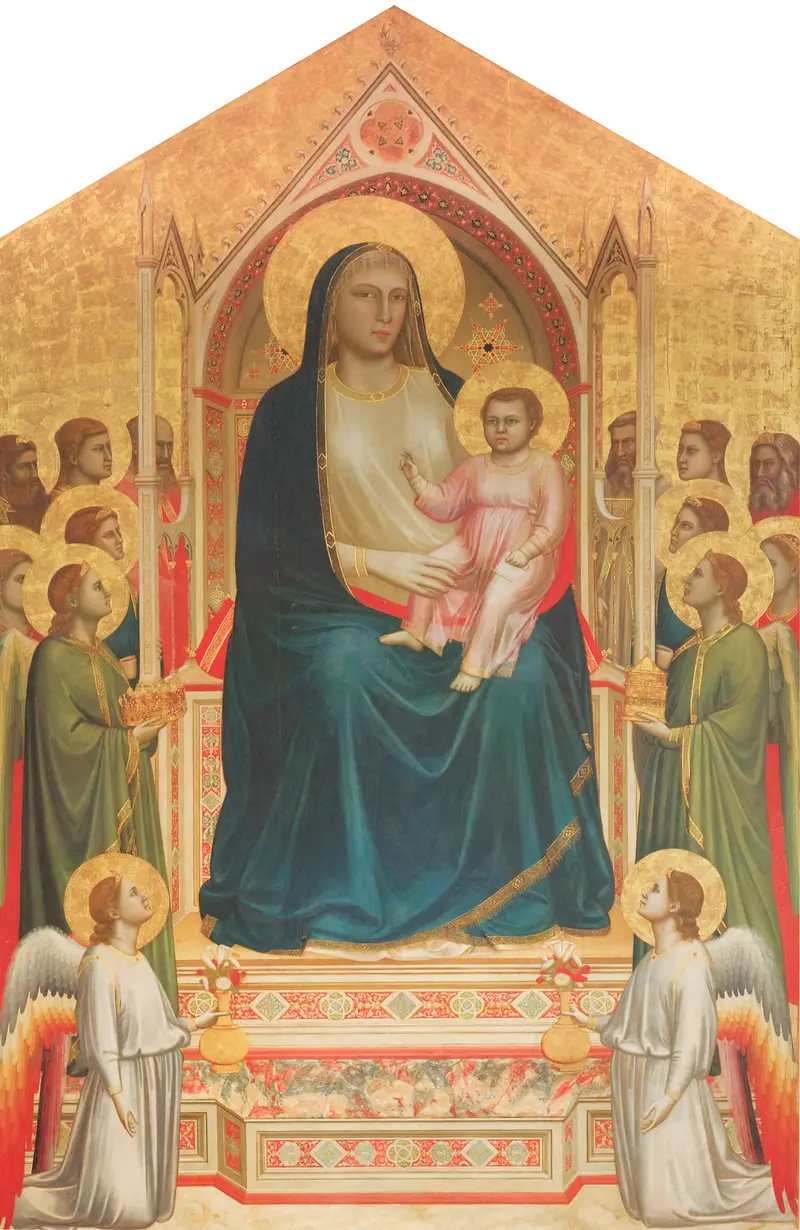
Ognissanti Madonna
Giotto di Bondone
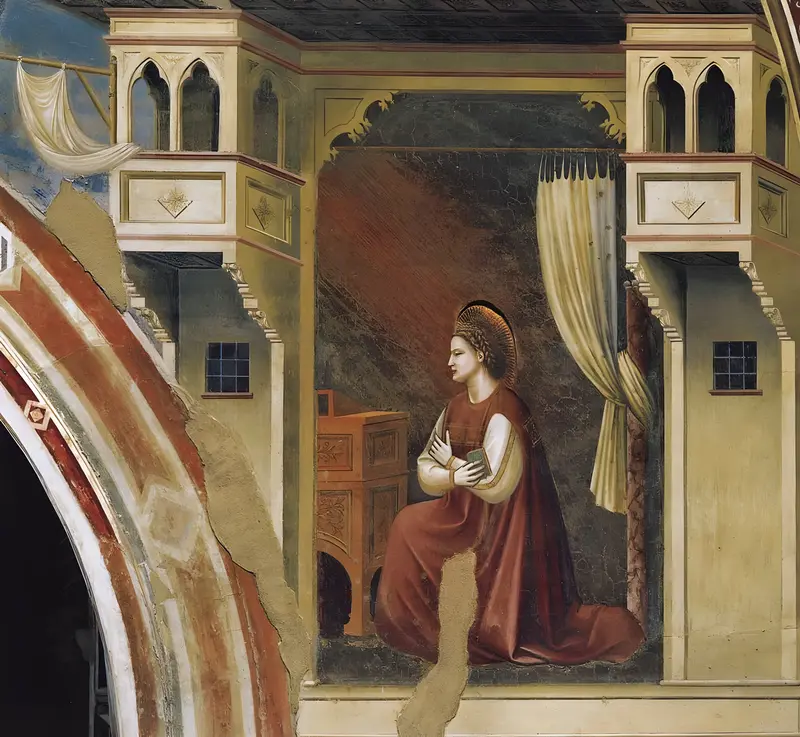
The Virgin of the Annunciation
Giotto di Bondone
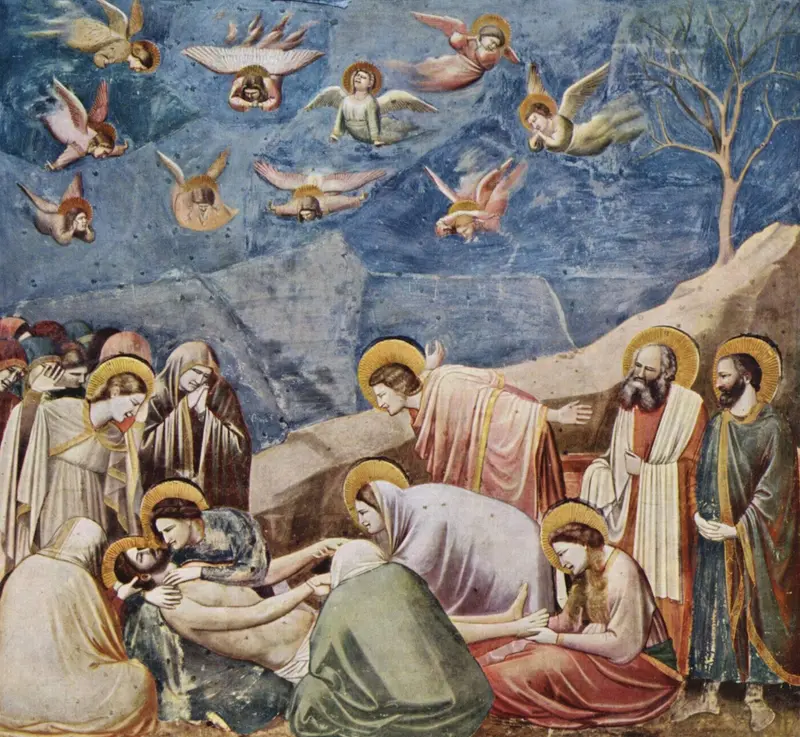
Lamentation (The Mourning of Christ)
Giotto di Bondone
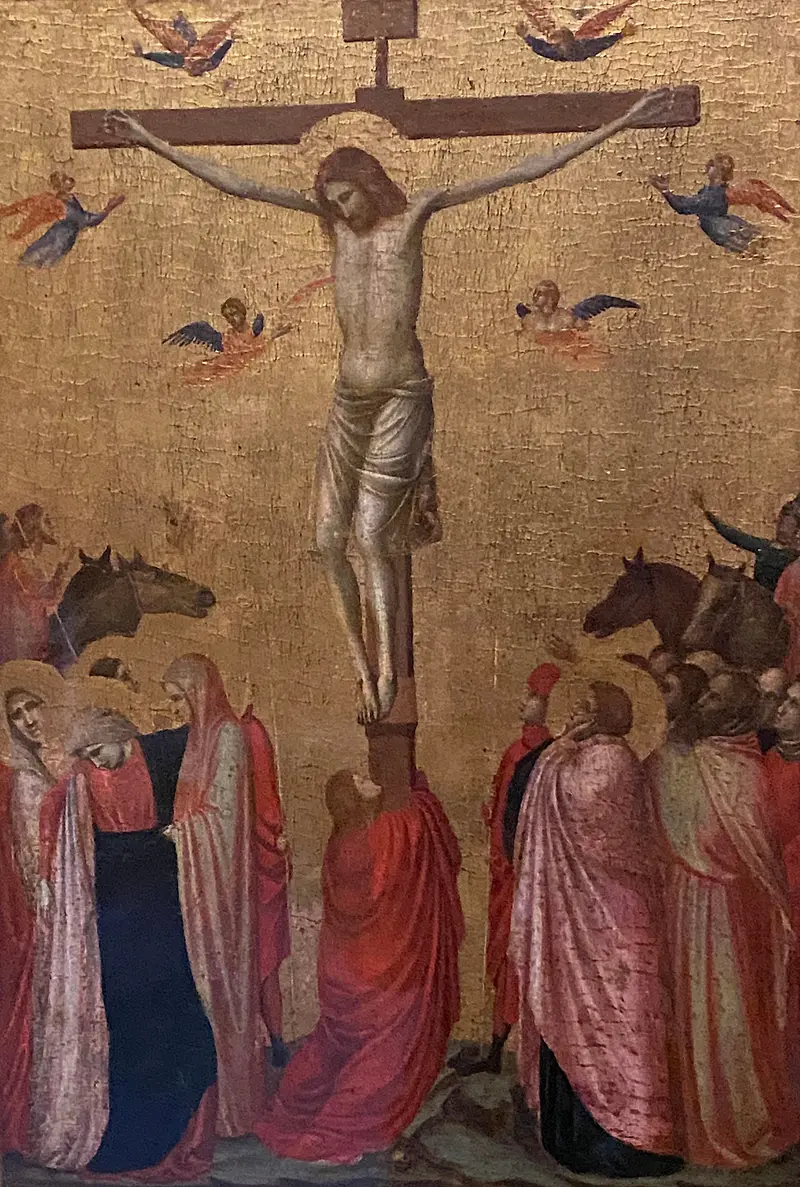
Crucifixion of Strasbourg
Giotto di Bondone
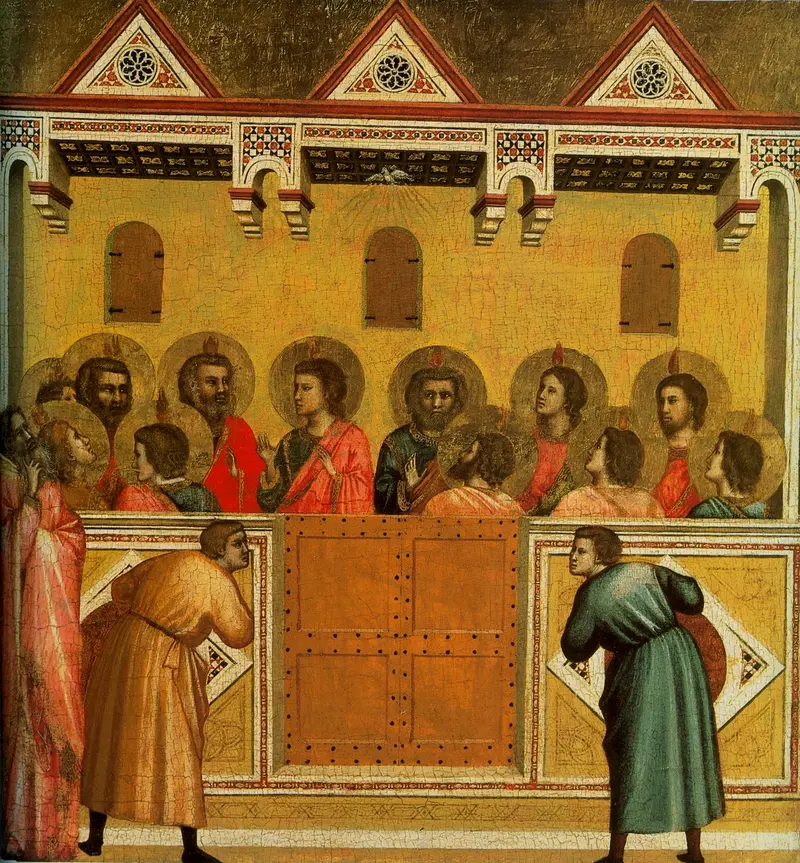
Pentecost
Giotto di Bondone
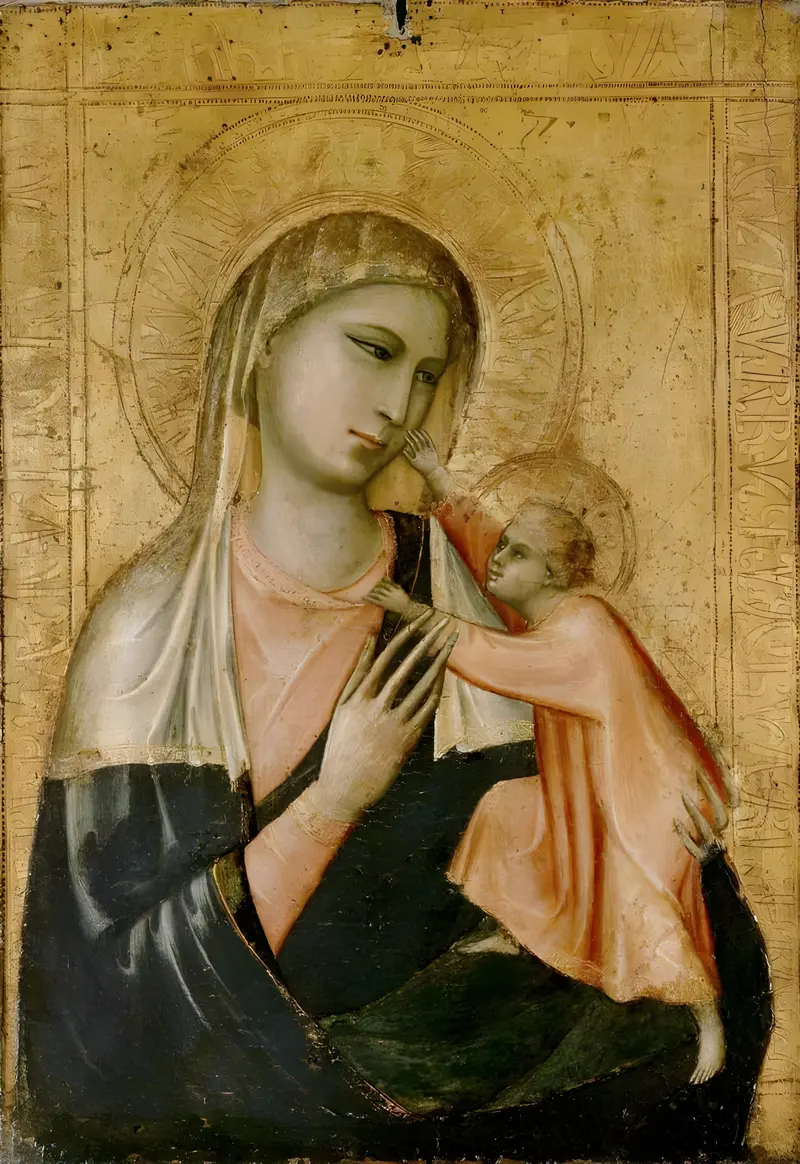
The Virgin and Child
Giotto di Bondone
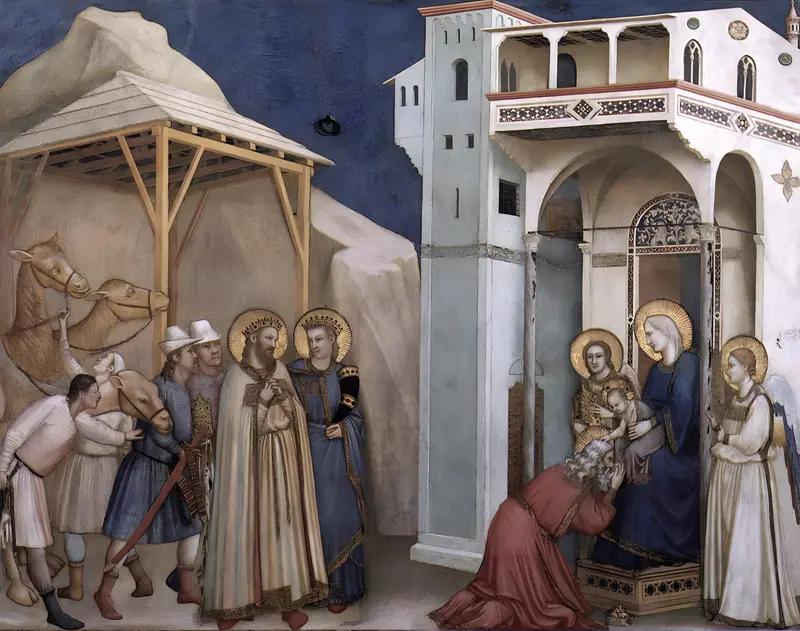
Anbetung der Könige
Giotto di Bondone
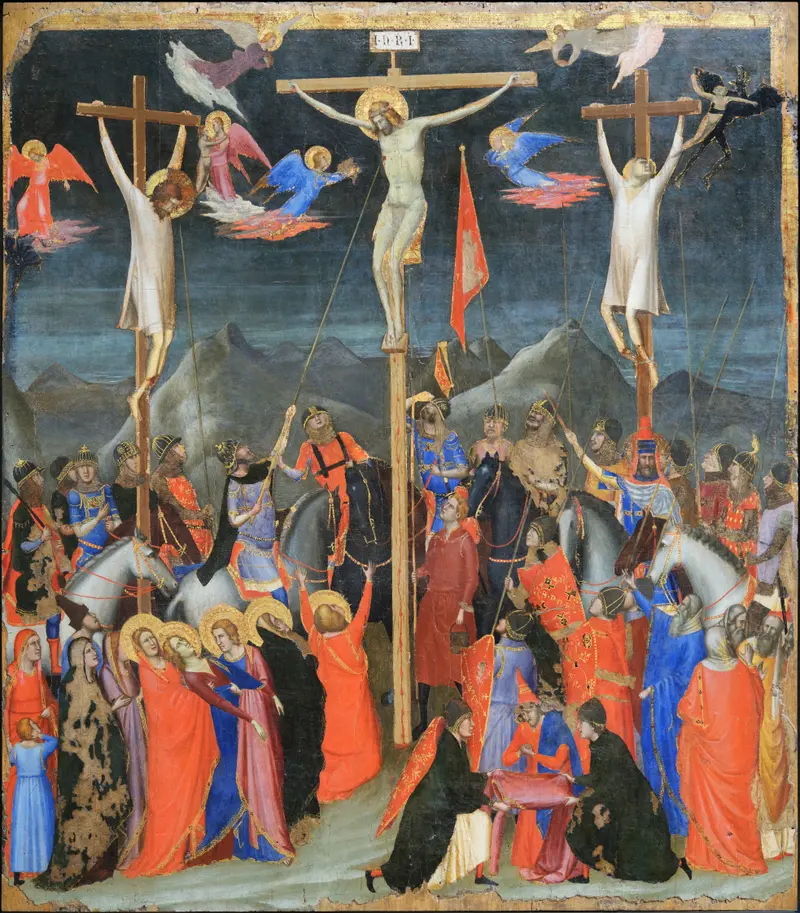
Crucifixion
Giotto di Bondone
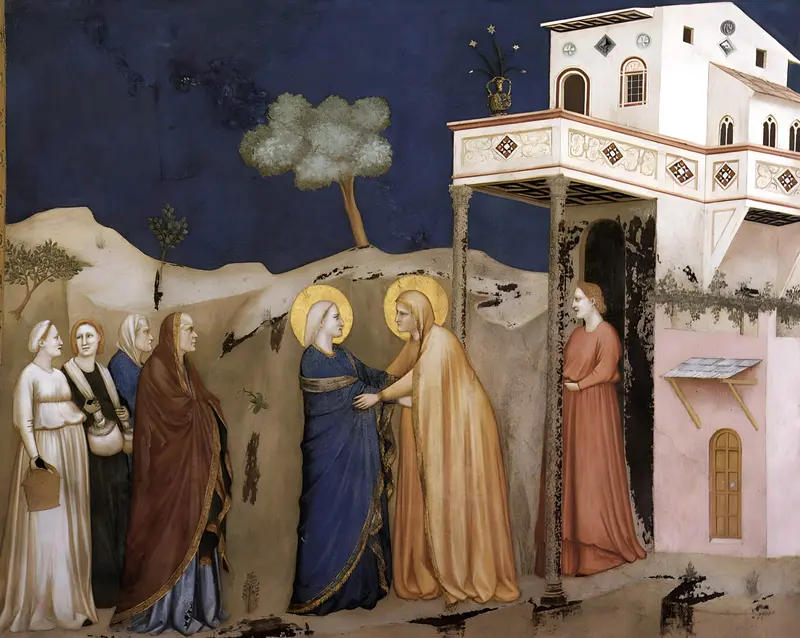
The Visitation
Giotto di Bondone
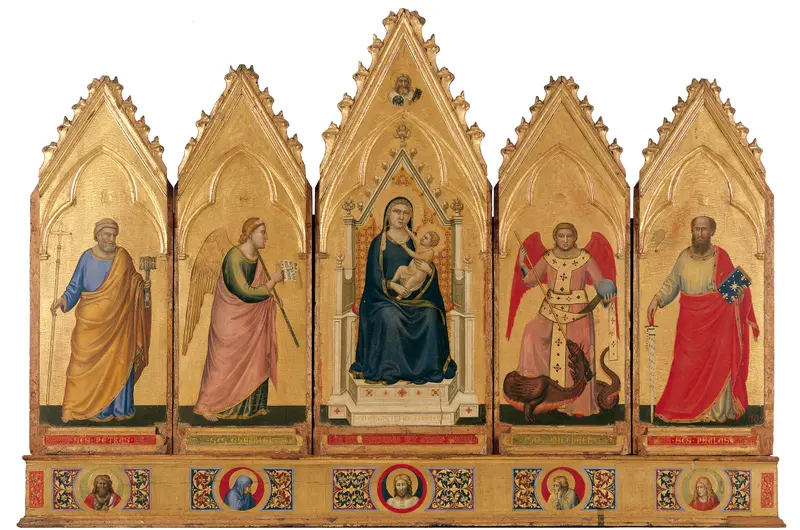
Bologna Polyptych
Giotto di Bondone





