Cour intérieure de l’Abbaye-aux-Bois, 16 rue de Sèvres, en 1906. 7ème arrondissement — History & Facts
In the heart of Paris, a serene moment captures the essence of rebirth nestled within the stone walls of an abbey's courtyard. Focus first on the delicate interplay of light filtering through the verdant foliage, casting dappled patterns across the cobblestone ground. Notice how the composition draws your eye toward the soft arches and the weathered textures of the surrounding walls, each telling a story frozen in time. The lush greens and muted earth tones harmonize, creating a tranquil atmosphere that invites contemplation and evokes a sense of sanctuary amidst urban life. Beneath this serene surface, whispers of emotional tension emerge.
The juxtaposition of nature’s vibrancy against the stoic architecture symbolizes the struggle between the tranquility of refuge and the relentless march of time. This dichotomy may speak to a personal journey of the artist, capturing a moment where past and present collide — a rebirth within the stillness of the abbey, where life ebbs and flows with the seasons. In 1906, the artist was immersed in the rich cultural tapestry of Paris, a city bustling with artistic innovation. He painted this work amidst a period of personal exploration and growth, influenced by the shifting movements in the art world, including Impressionism and the emerging Modernists.
The quiet beauty of the abbey served as both a physical and metaphorical refuge, allowing Houbron to express his vision of rebirth through the lens of his unique artistic perspective.
More Artworks by Frédéric Houbron
Browse all →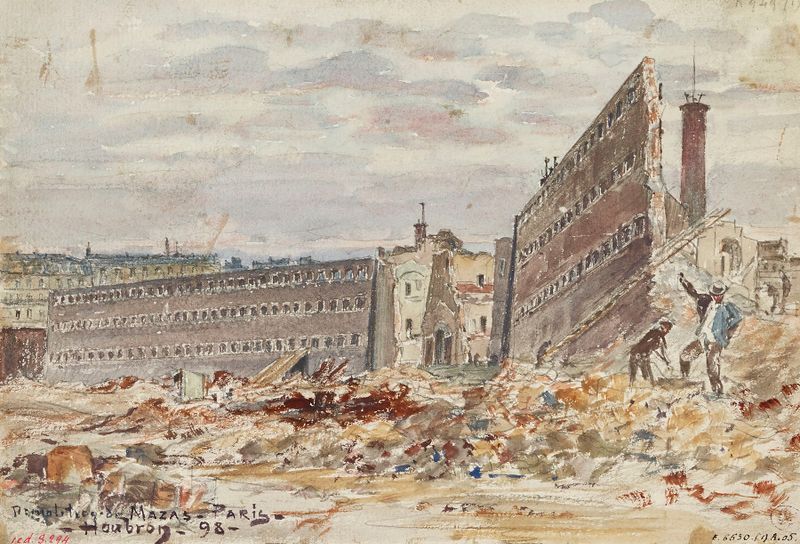
Démolition de la prison Mazas, 23, 25 boulevard Diderot (ancien boulevard Mazas)
Frédéric Houbron
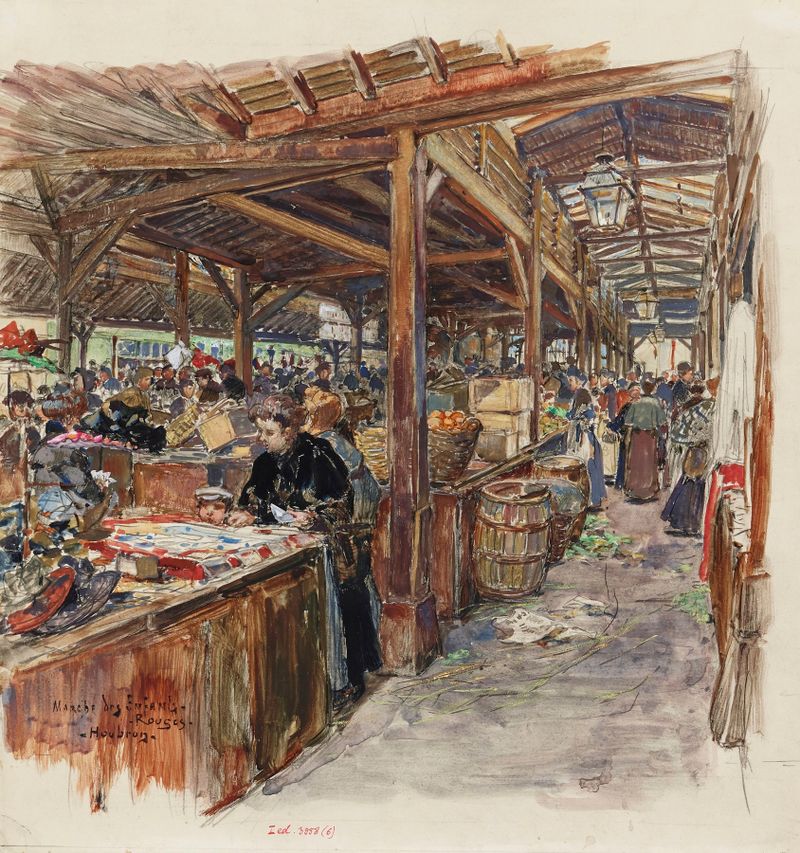
Intérieur du Marché des Enfants Rouges. 3ème arrondissement
Frédéric Houbron
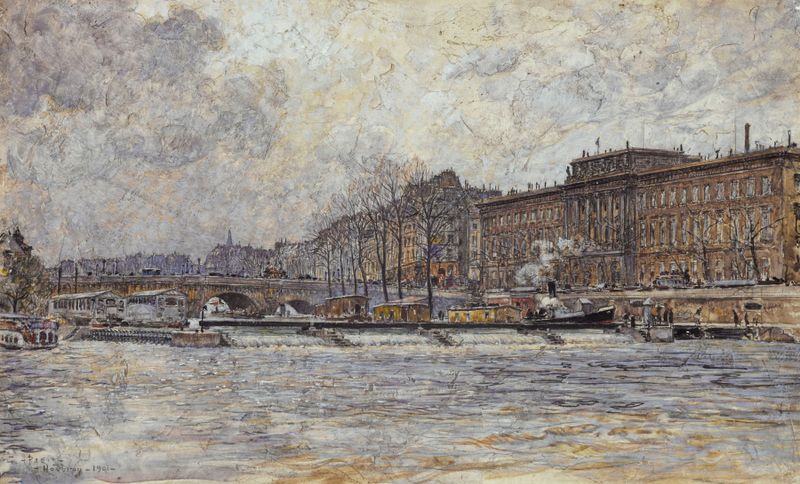
L’Hôtel de la Monnaie et le Pont-Neuf
Frédéric Houbron

Quai des Orfèvres. Paris. 1906
Frédéric Houbron
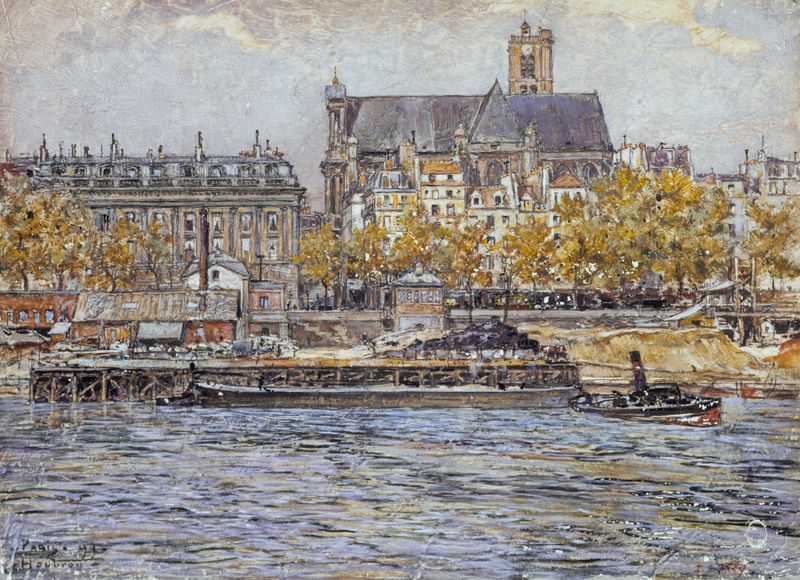
Le quai de l’Hôtel-de-Ville et l’église Saint-Gervais-Saint-Protais
Frédéric Houbron
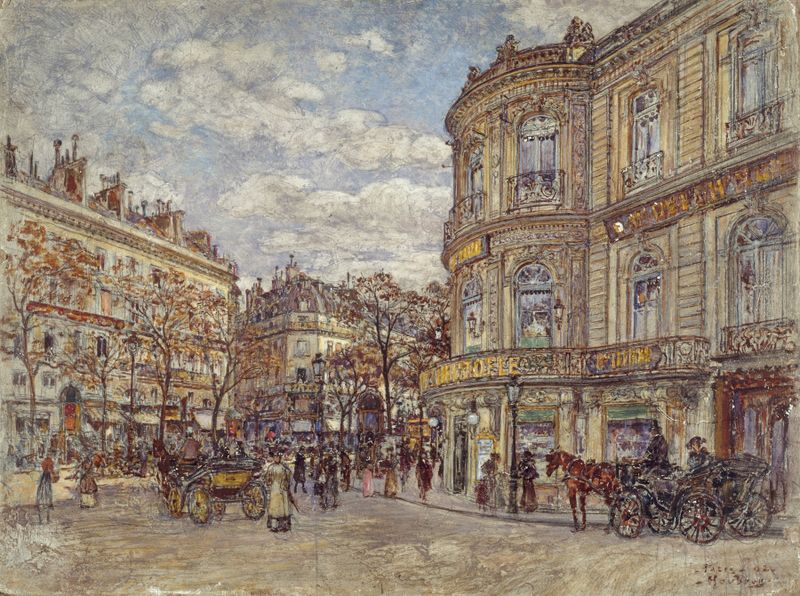
Le Pavillon de Hanovre, rue Louis-le-Grand
Frédéric Houbron

La rue du Chevalier-de-la-Barre, avec le Sacré-Cœur en construction
Frédéric Houbron
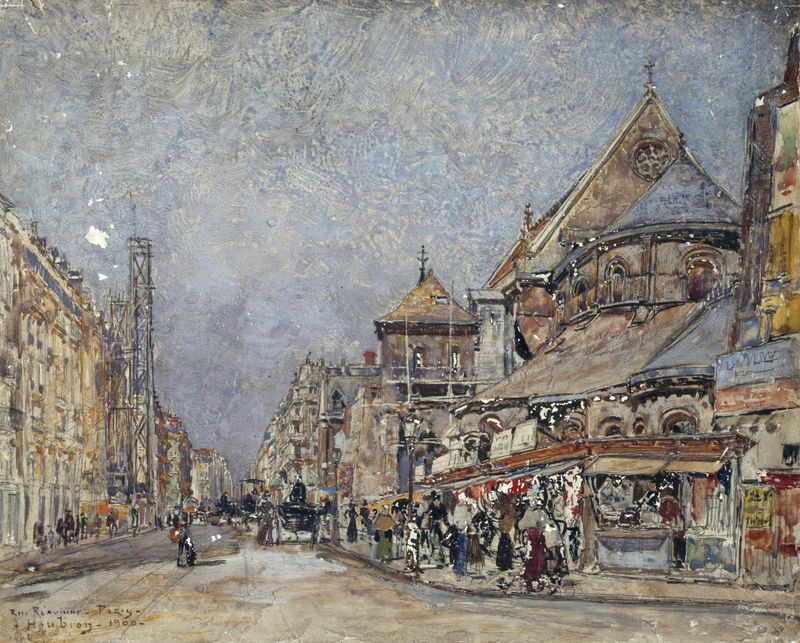
La rue Réaumur et le chevet de l’église Saint-Martin-des-Champs
Frédéric Houbron
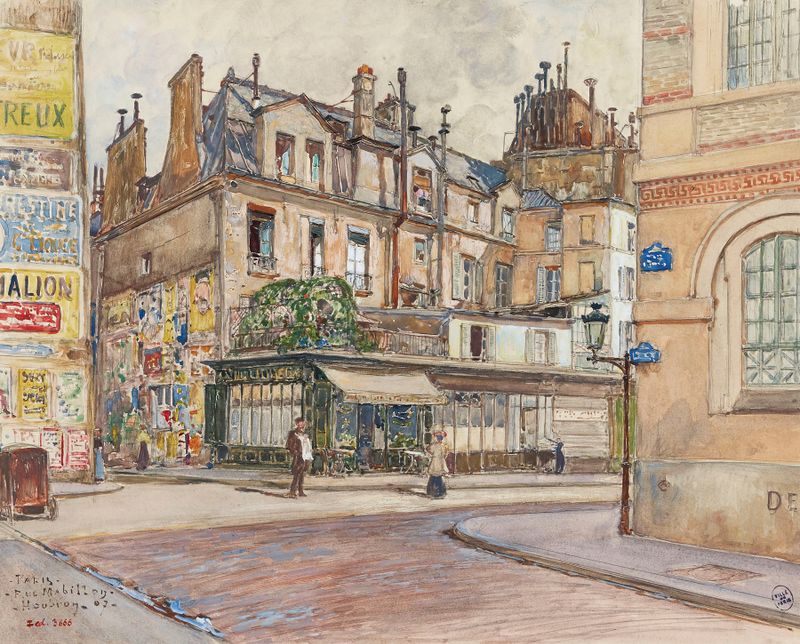
Angle rue Mabillon et rue Clément, en 1907. 5ème et 6ème arrondissements
Frédéric Houbron
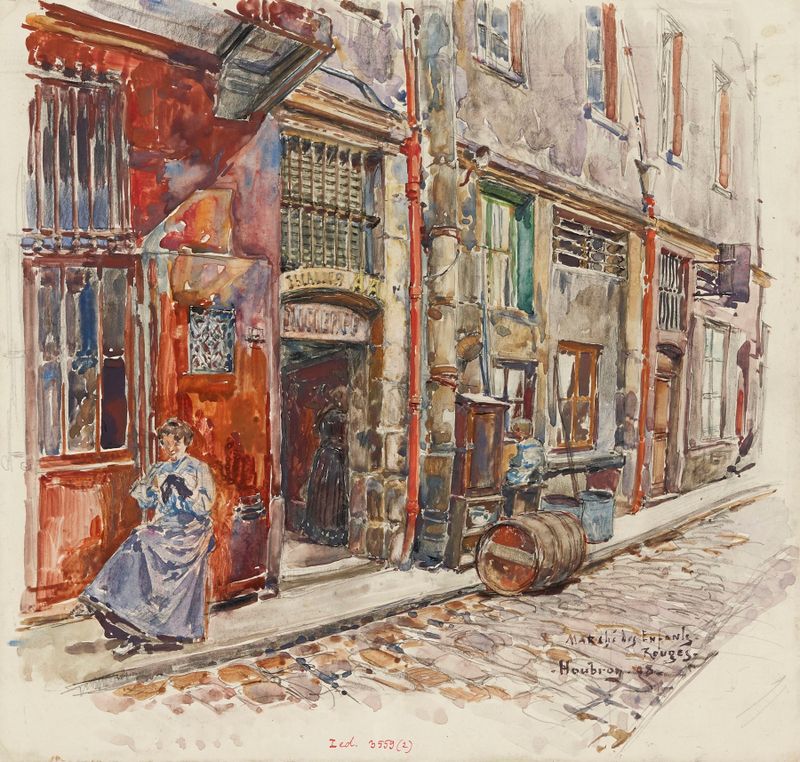
Entrée escalier A du Marché des Enfants-Rouges, en 1908. 3ème arrondissement
Frédéric Houbron