
Cypresses and Houses at Cagnes — History & Facts
When Amedeo Modigliani left Paris for the sunlit hills of southern France in 1918, he was seeking relief from tuberculosis and the chaos of World War I. In Cagnes-sur-Mer, he found not only cleaner air but also a new landscape to explore, far from the bohemian turmoil of Montparnasse. Cypresses and Houses at Cagnes, painted in 1919, stands out as one of the rare landscapes by an artist best known for his elongated portraits.
This shift puzzled some of his contemporaries; as the critic Maurice Raynal wrote, “Modigliani, who never painted a tree in Paris, now finds lyricism in their shade.” Here, the eye is drawn first to the vertical thrust of the cypresses, their dark forms slicing through a patchwork of ochre and green. The houses, nestled in the rolling hills, seem to huddle together, their geometric shapes softened by Modigliani’s fluid brushwork. Unlike the stylized faces that made his name, these trees and rooftops are rendered with a gentle, almost wistful touch—perhaps a reflection of the artist’s own fragile health and longing for peace.
The palette is warmer than the cool, urban tones of his Parisian works, echoing the Mediterranean light. In contrast to the strict structure of a Cézanne landscape, Modigliani’s view is looser, more lyrical, as if the forms themselves are breathing. The exact provenance of Cypresses and Houses at Cagnes is not fully documented, though it is known to have remained in private hands for much of the twentieth century before entering a public collection. Painted just a year before Modigliani’s untimely death in 1920, it marks one of his final creative bursts.
The work’s rarity—landscapes by Modigliani are few—makes it especially prized among collectors and scholars. Today, it stands as a testament to a brief, luminous chapter in the artist’s life, when the south of France offered both sanctuary and inspiration.
More Artworks by Amedeo Modigliani
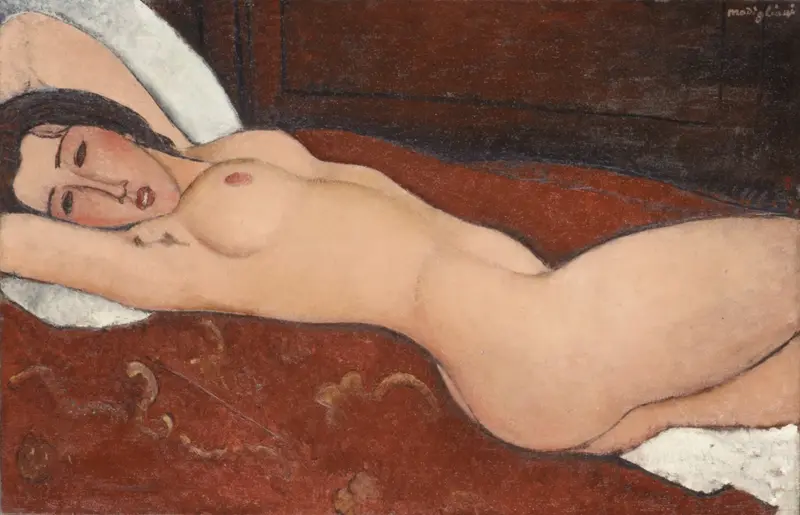
Reclining Nude
Amedeo Modigliani

Portrait Of Jeanne Hébuterne
Amedeo Modigliani

Jeanne Hébuterne
Amedeo Modigliani
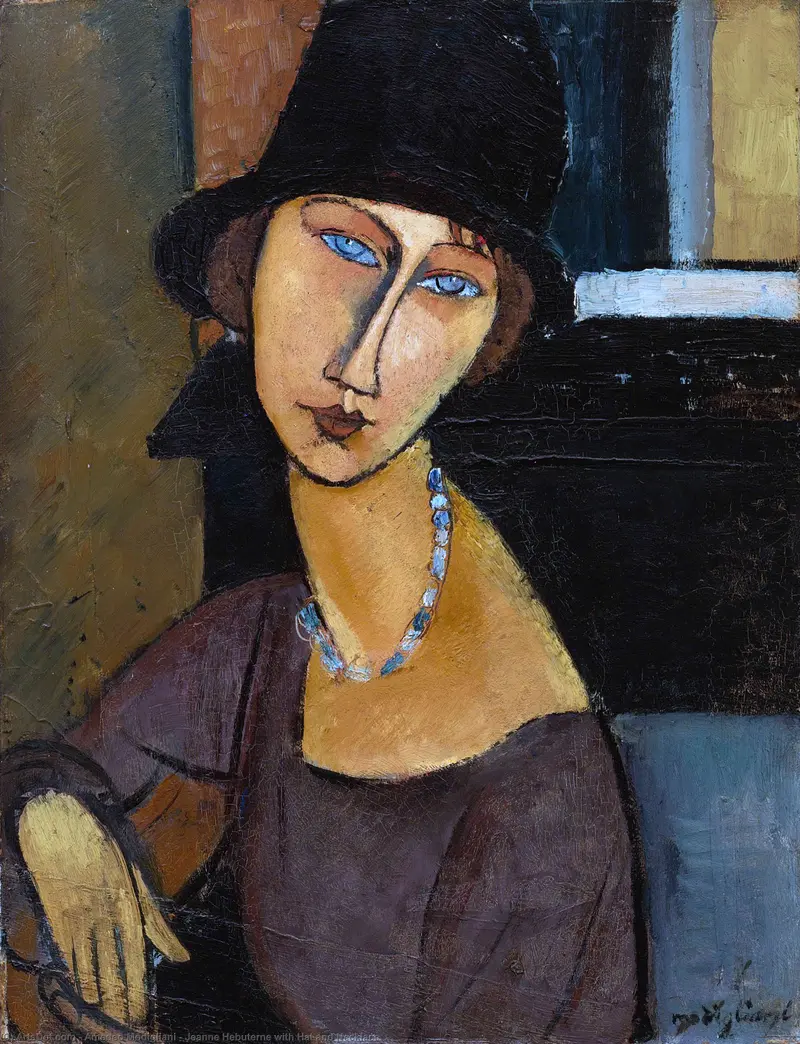
Jeanne Hébuterne with Hat and Necklace
Amedeo Modigliani
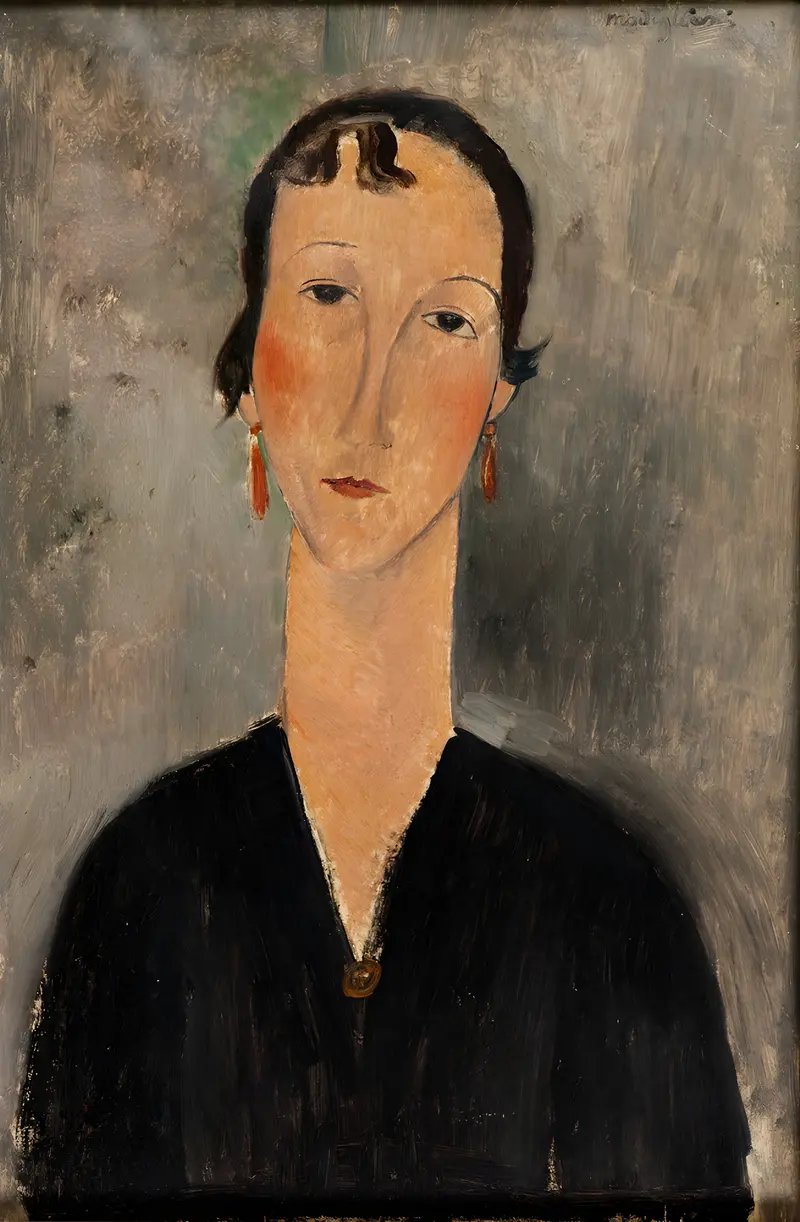
Femme aux boucles d'oreilles
Amedeo Modigliani
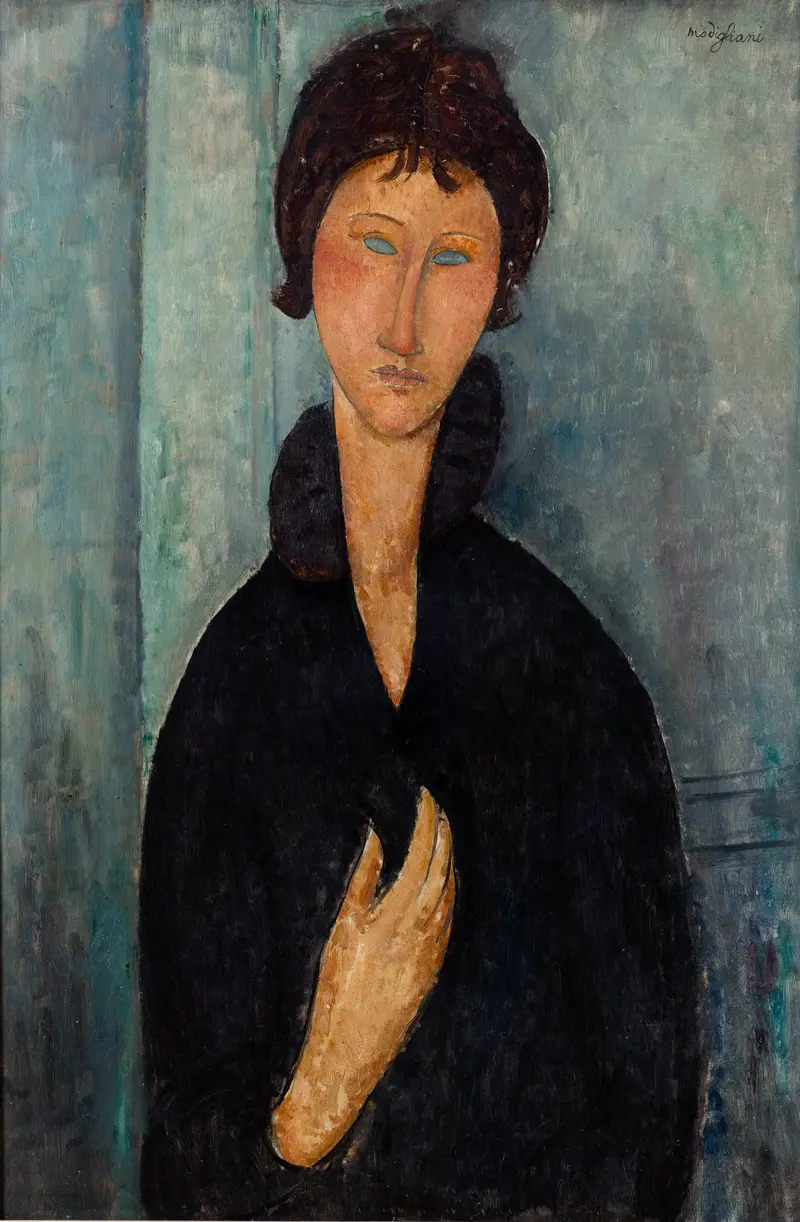
Femme aux yeux bleus
Amedeo Modigliani
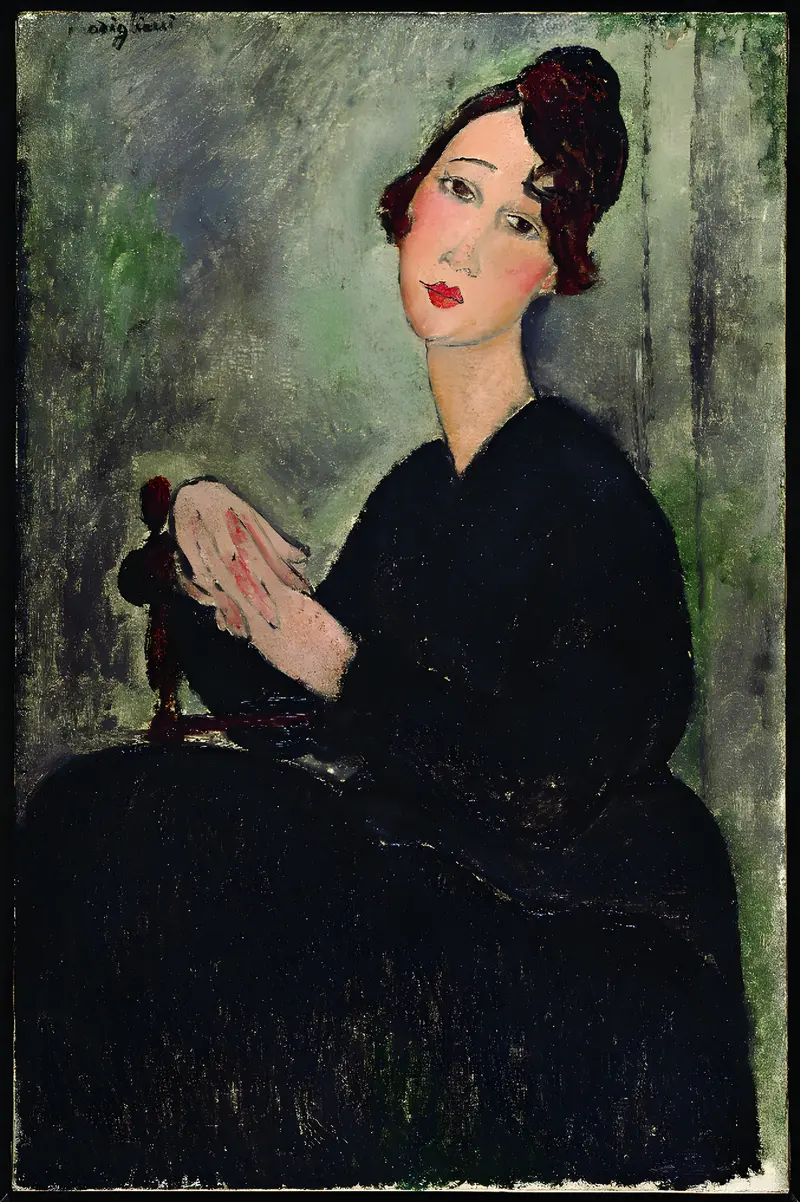
Portrait of Dedie
Amedeo Modigliani
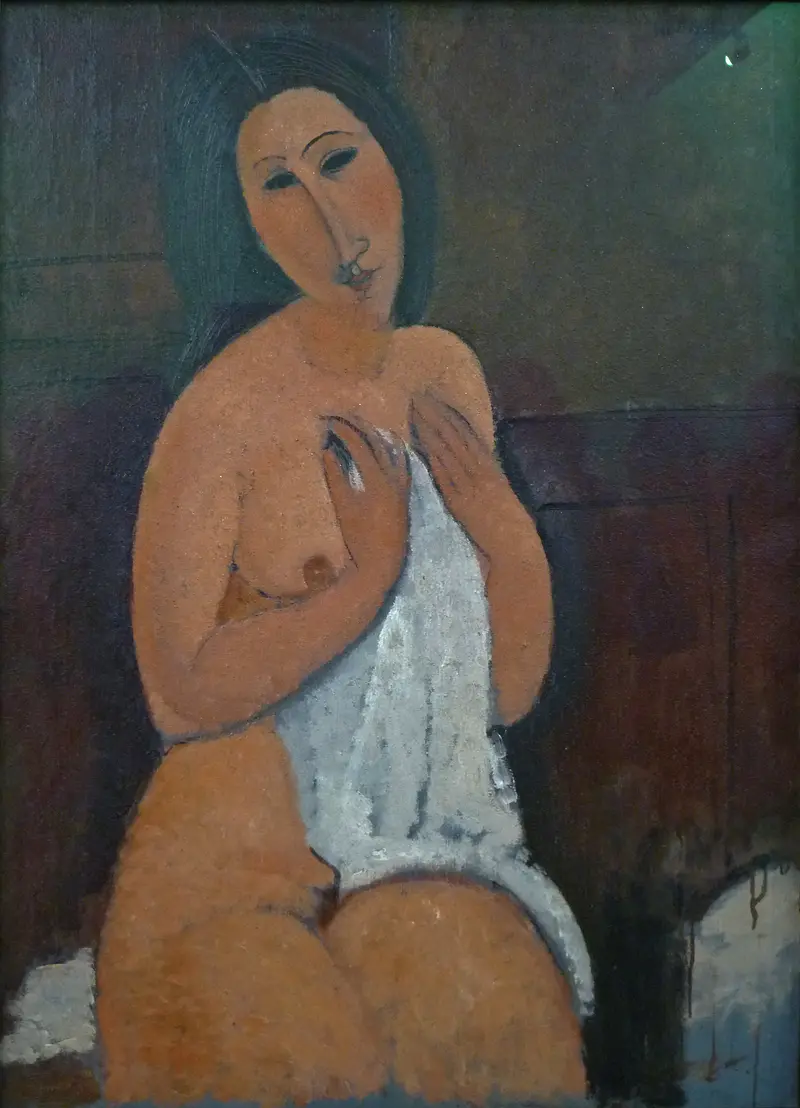
Seated nude with shirt
Amedeo Modigliani
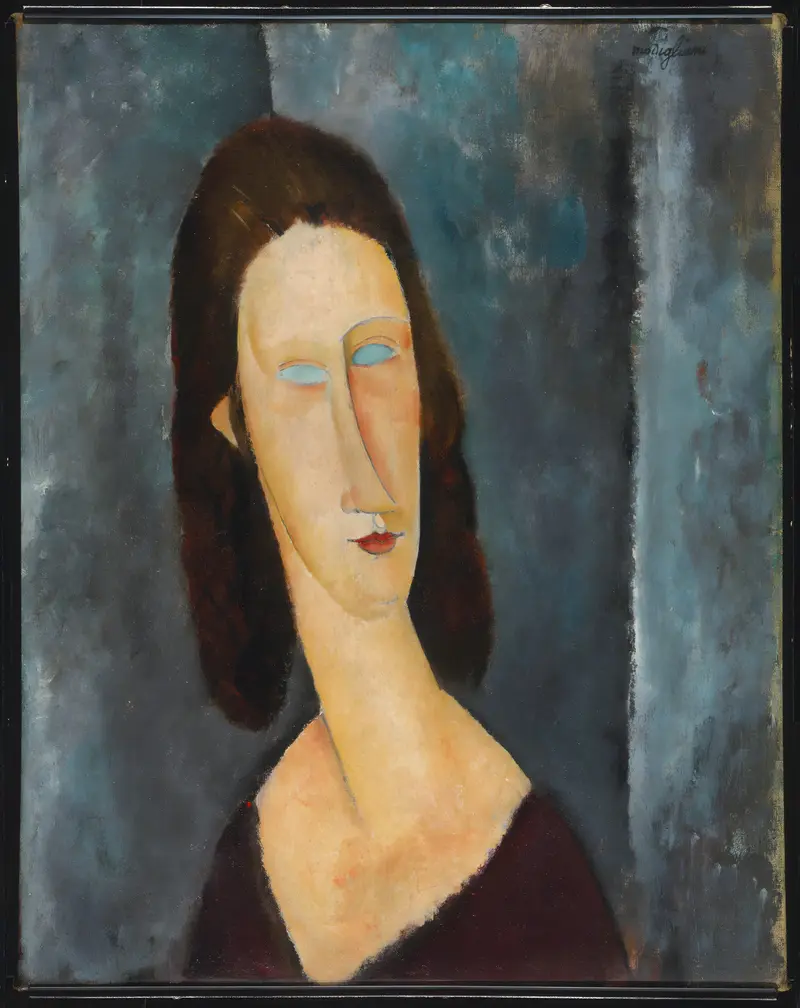
Blue Eyes (Portrait of Madame Jeanne Hébuterne)
Amedeo Modigliani
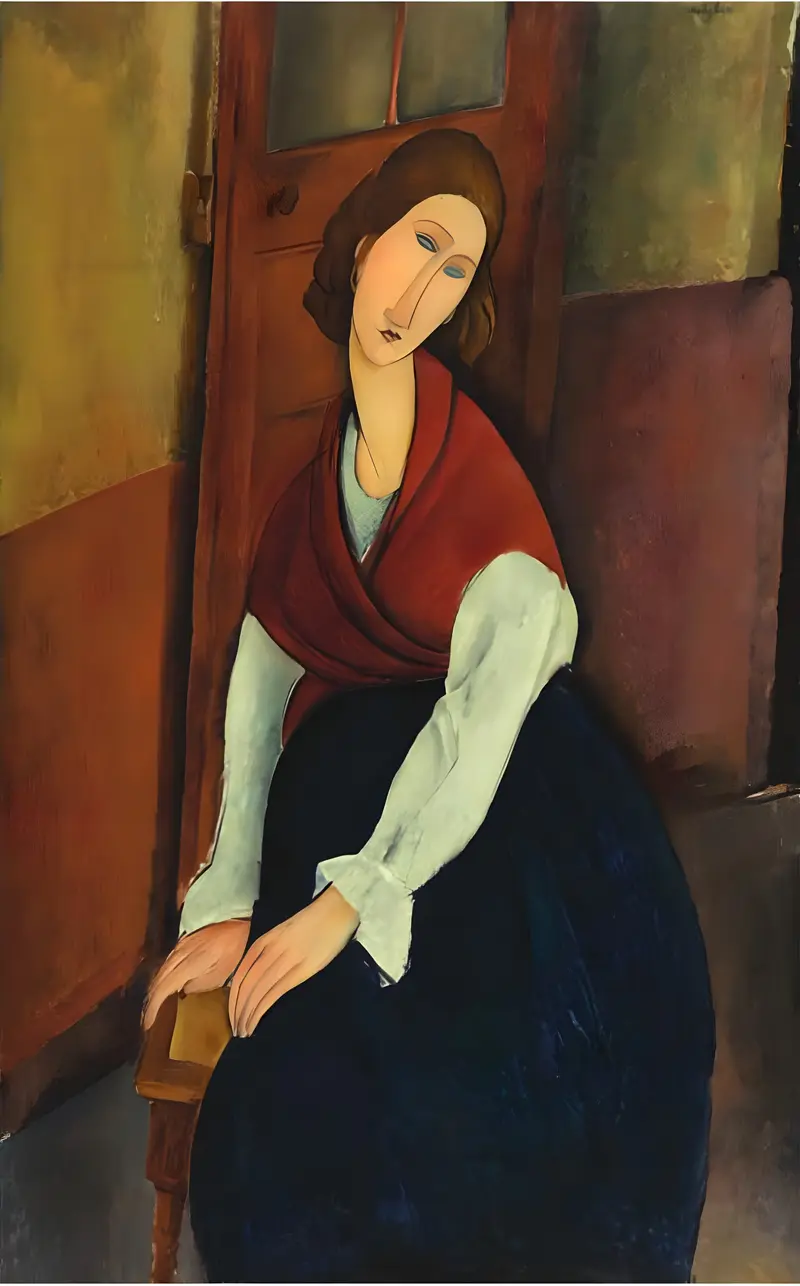
Jeanne Hebuterne in Red Shawl
Amedeo Modigliani
More Landscape Art

The Starry Night
Vincent van Gogh

View of Delft
Johannes Vermeer

Water Lilies
Claude Monet

The Grand Canal, Venice, looking north-west from the Ca' Corner to the Ca' Contarini degli Scrigni, with the campanile of Santa Maria della Carità
Canaletto

Windsor Castle
Canaletto

The Grand Canal looking North-East from the Palazzo Dolfin-Manin to the Rialto Bridge
Canaletto