
Dead Christ — History & Facts
No other painting by Pontormo has sparked as much debate among scholars as his Dead Christ. The exact origins of this work are shrouded in mystery: neither the date nor the commission is securely documented, and even its original location remains uncertain. What is clear is the fascination it has held for centuries, not least because its composition departs radically from the conventions of Renaissance religious art.
Some have speculated that this painting was intended for private devotion rather than public display, given its intimate scale and the raw emotion it conveys. The scene captures the moment after the Crucifixion, as Christ’s lifeless body is mourned. Unlike the grand processions of other Lamentations, here the focus tightens: Christ’s body, pale and elongated, is supported by a figure whose grief is palpable, their hands tenderly cradling his head and torso. The background is sparse, drawing the eye to the entwined forms and the unnatural, almost weightless pose of Christ—a marked contrast to the grounded realism of Mantegna’s Dead Christ.
The cool, luminous colors and the swirling drapery intensify the sense of otherworldly sorrow, while the absence of the cross or landscape strips away narrative distractions, leaving only the human drama of loss. The journey of Dead Christ through history is as enigmatic as its subject. With no surviving records of its early ownership, the painting has often been attributed to different periods of Pontormo’s career, reflecting his evolving style from the influence of Andrea del Sarto to the idiosyncratic expressiveness of his later years. Today, it is recognized as a key example of Mannerism, marked by its daring composition and emotional intensity.
Though the painting’s provenance remains incomplete, its powerful presence ensures its place among the most discussed works of Pontormo, inviting viewers to confront both the mystery of its making and the enduring force of its vision.
More Artworks by Pontormo (Jacopo Carucci)
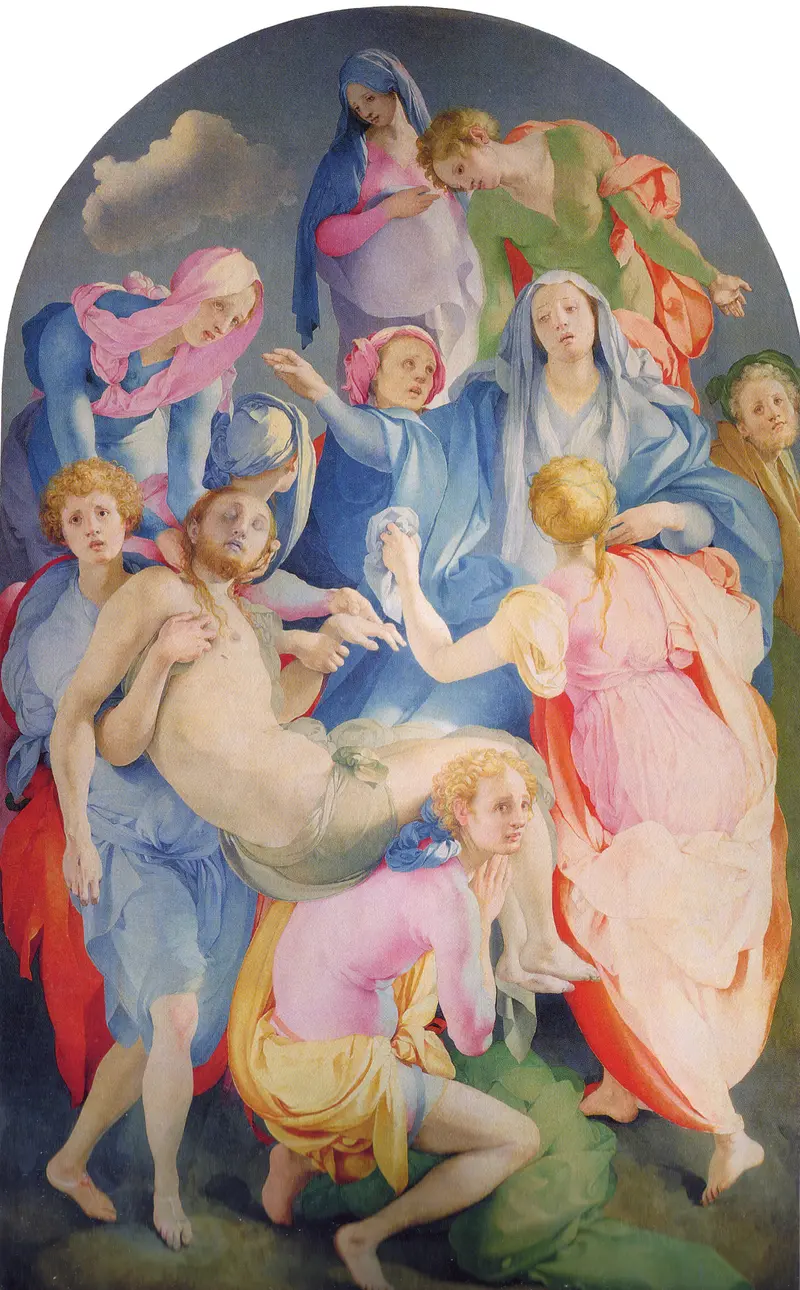
The Deposition from the Cross
Pontormo (Jacopo Carucci)
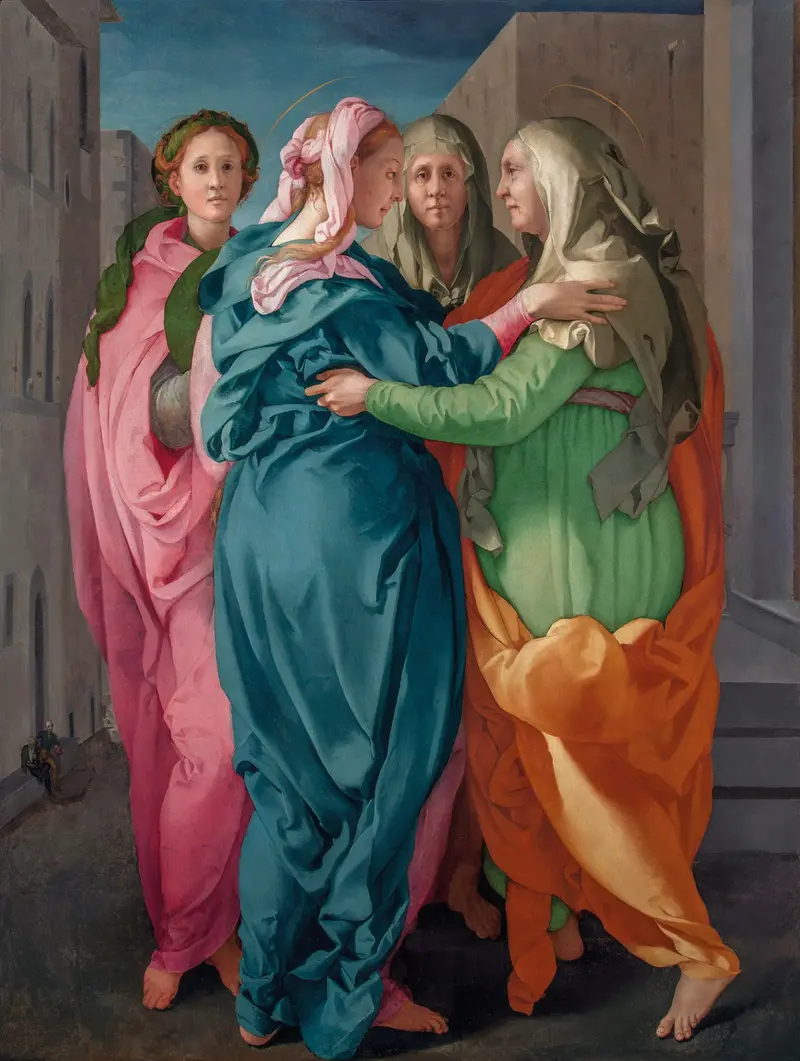
The Visitation (Carmignano)
Pontormo (Jacopo Carucci)
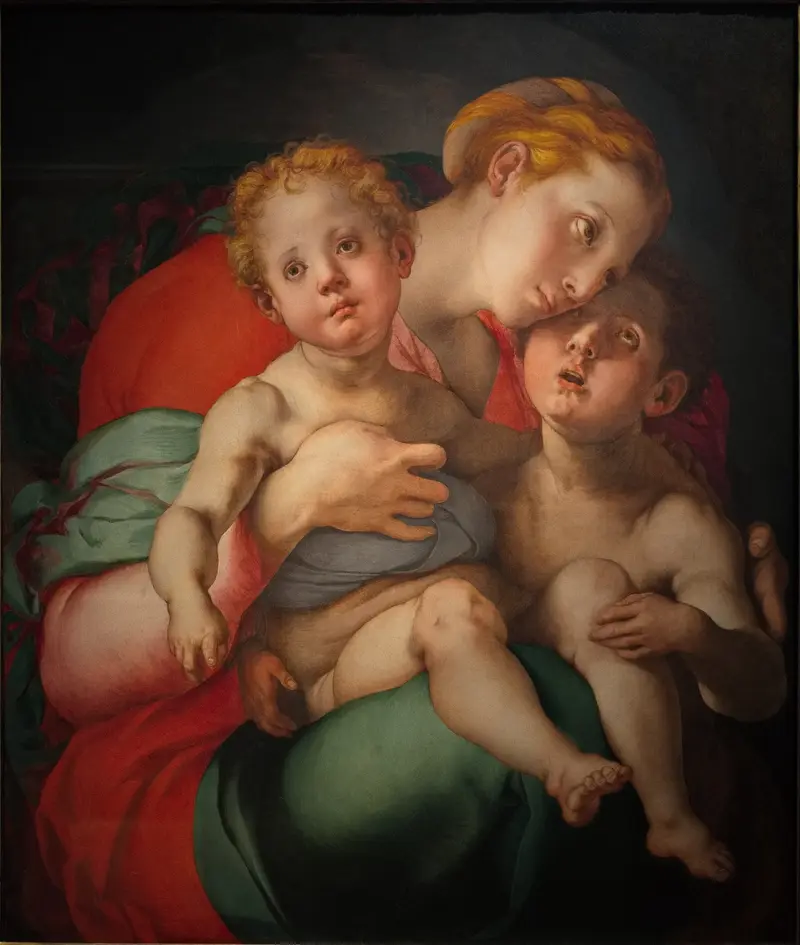
Madonna with Child and the young Saint John
Pontormo (Jacopo Carucci)
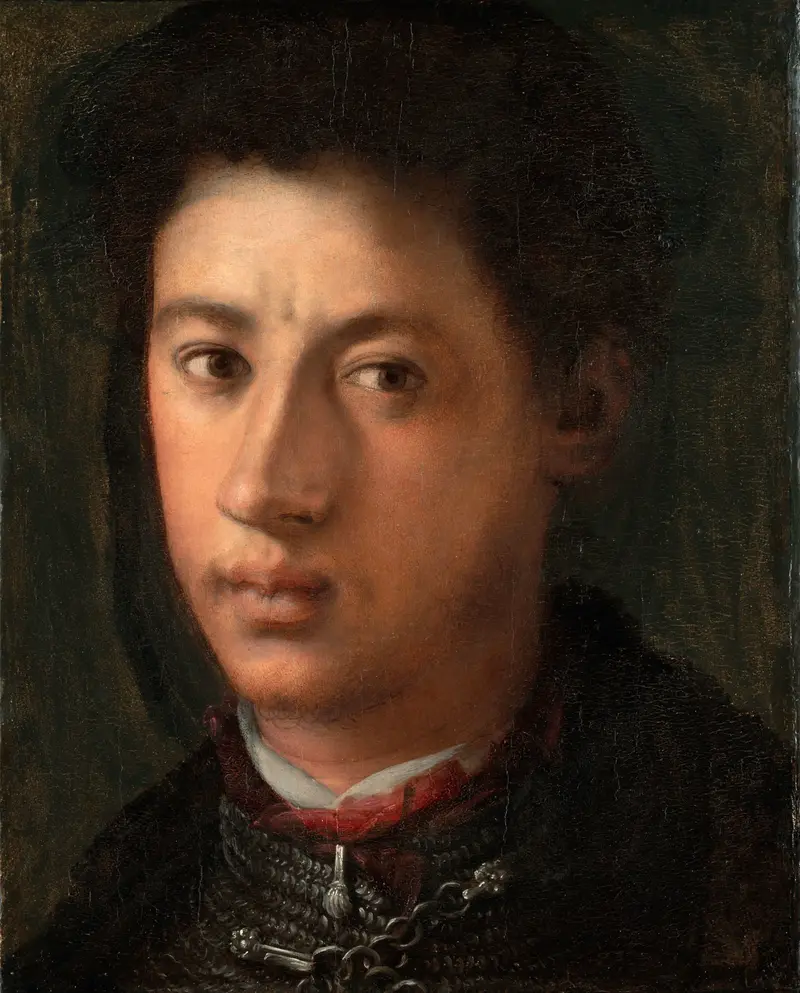
Alessandro de’ Medici
Pontormo (Jacopo Carucci)
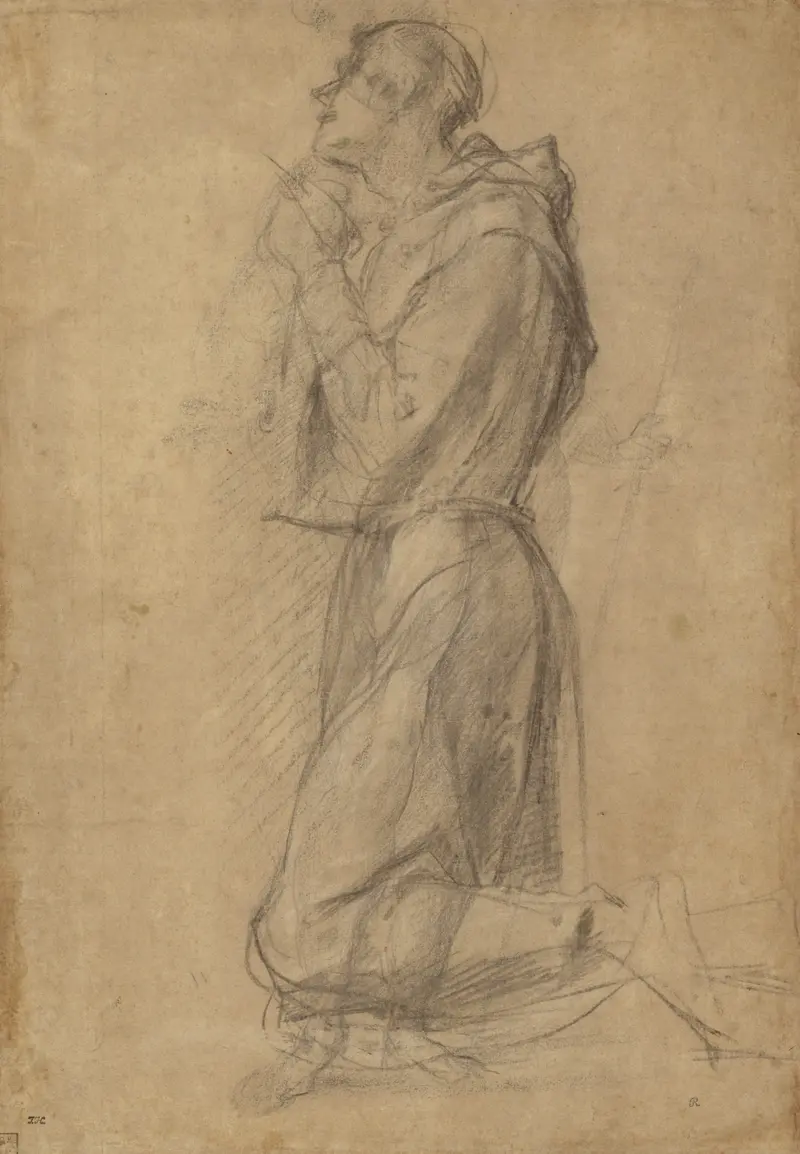
Saint Francis
Pontormo (Jacopo Carucci)
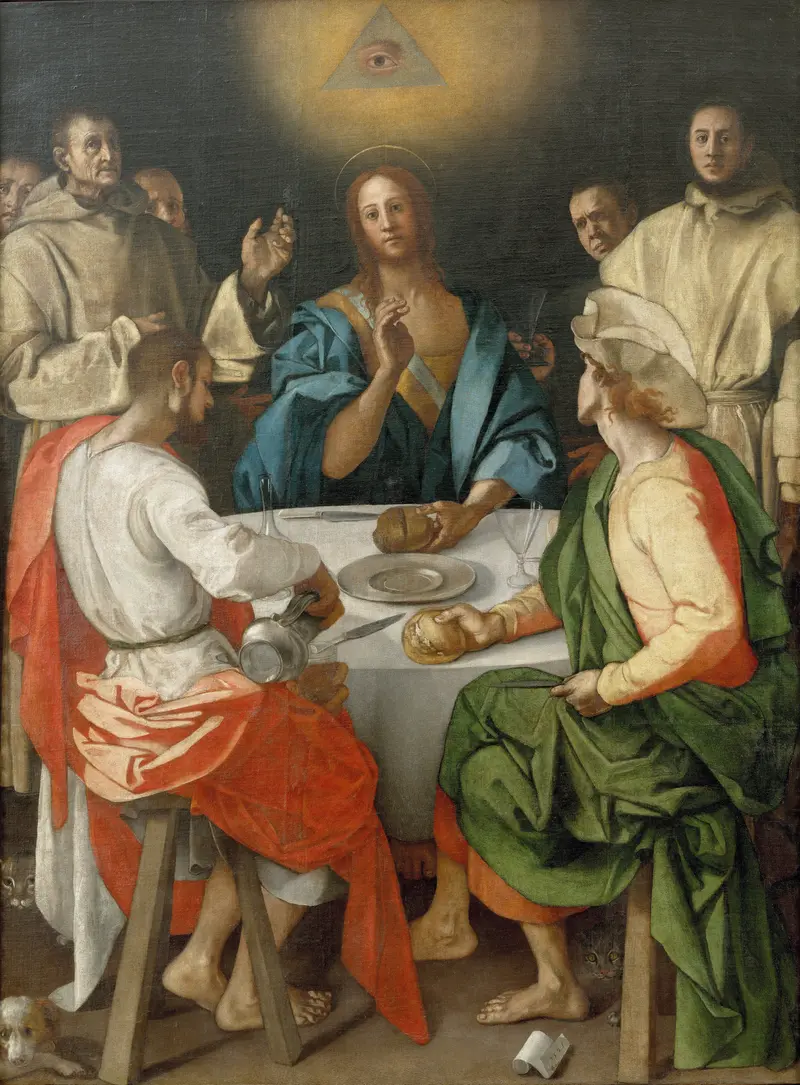
Supper at Emmaus
Pontormo (Jacopo Carucci)
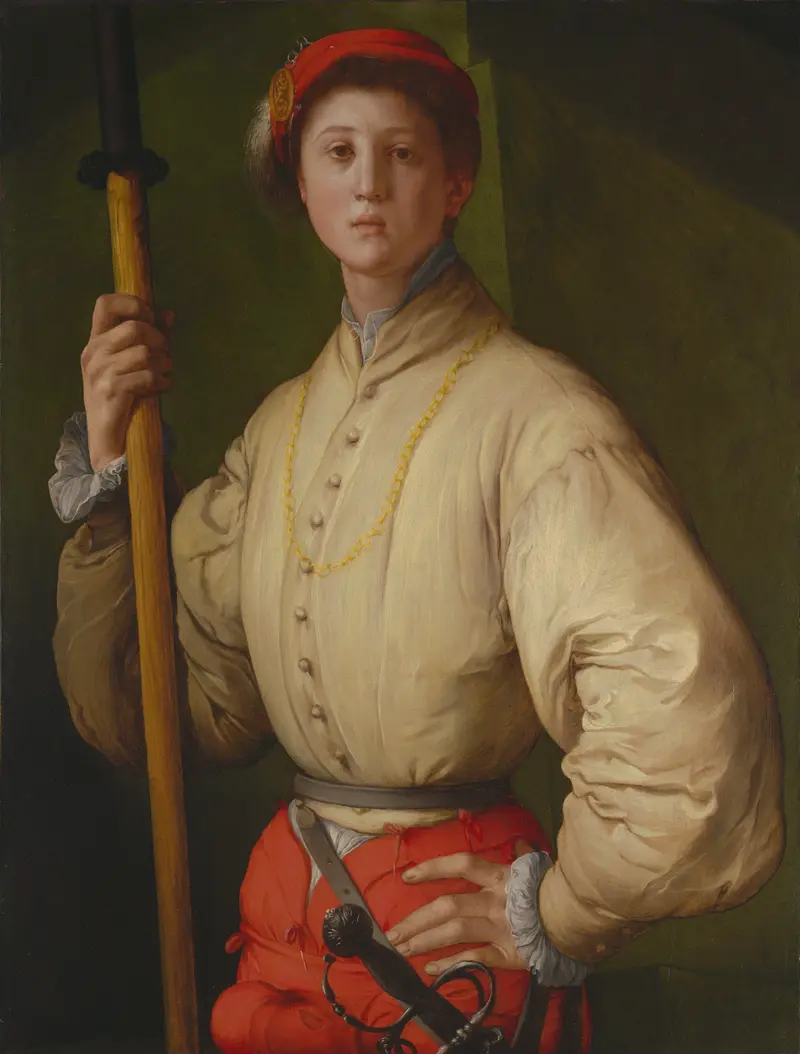
Portrait of a Halberdier
Pontormo (Jacopo Carucci)
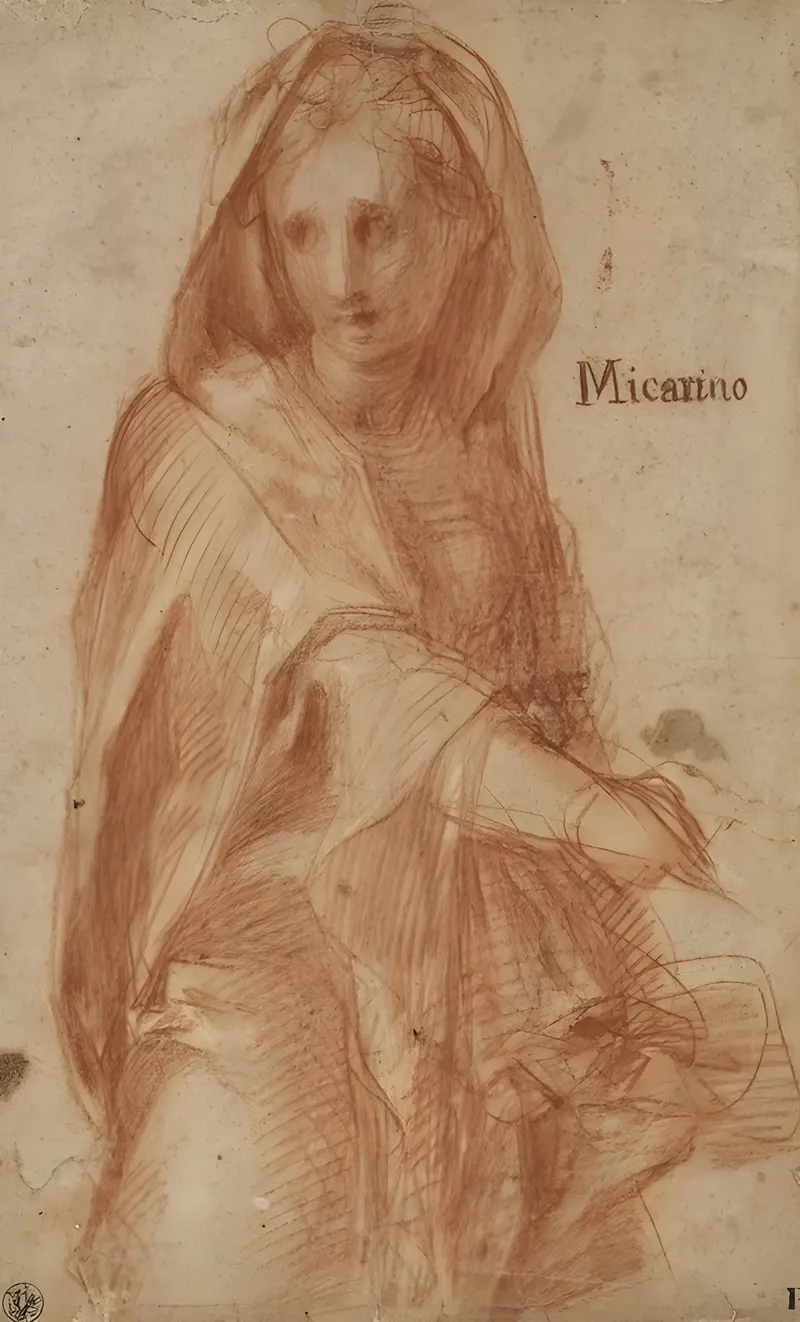
Female figure with covered head (study for a figure in the fresco of the Visitation in Santissima Annunziata)
Pontormo (Jacopo Carucci)
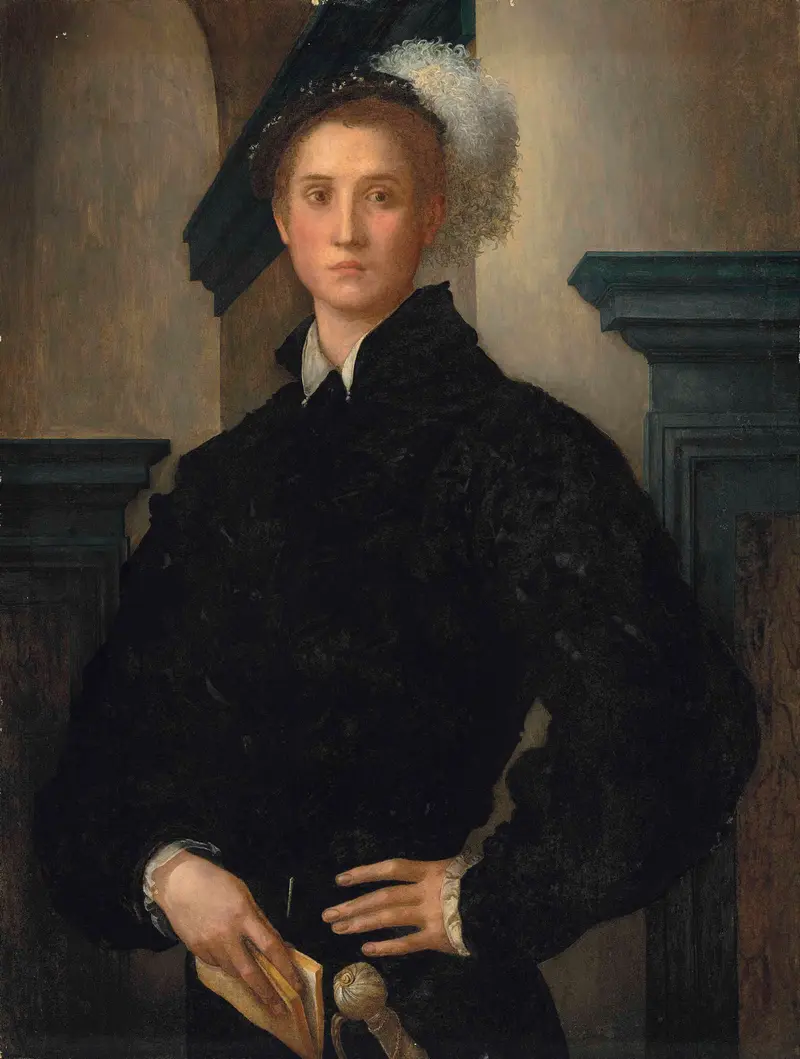
Portrait Of Cosimo I De Medici
Pontormo (Jacopo Carucci)
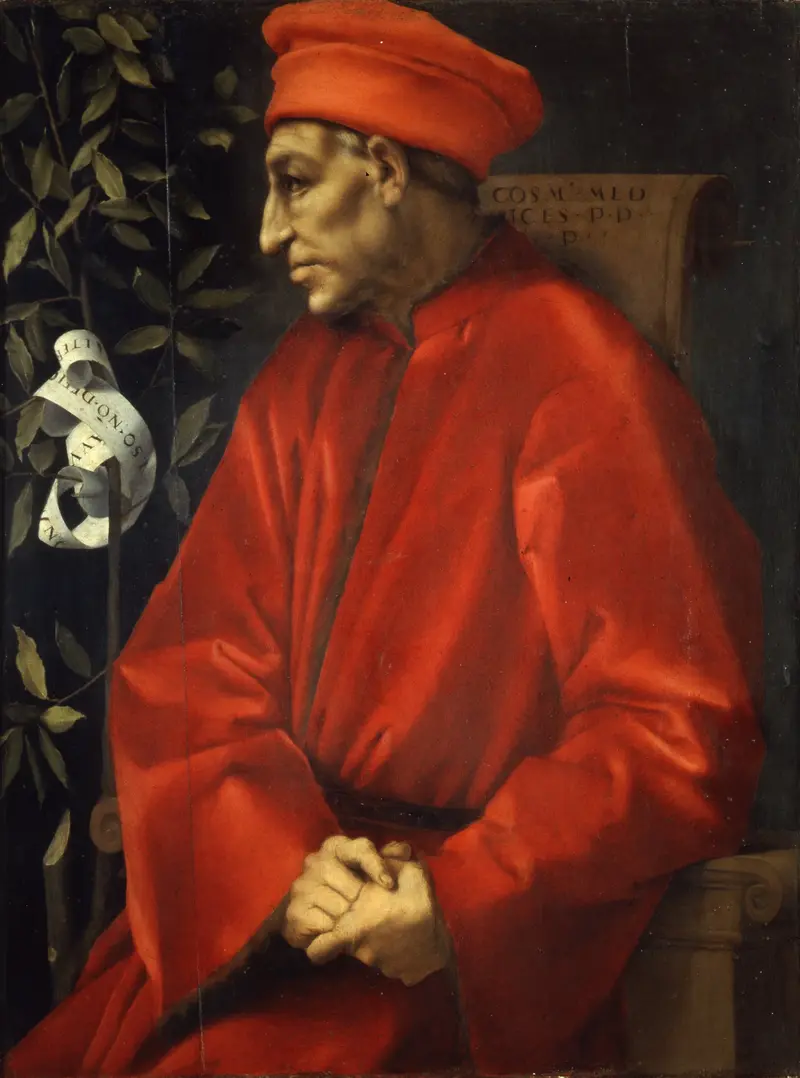
Portrait of Cosimo de’ Medici the Elder
Pontormo (Jacopo Carucci)





