
Diana After the Hunt — History & Facts
In Diana After the Hunt, we see the goddess Diana surrounded by a lush forest. The colors are rich and vibrant, with greens and browns dominating the scene. Diana is depicted in a relaxed pose, her attire reflecting both elegance and strength.
The natural setting enhances the sense of tranquility and harmony with nature. The painting is executed in oil on canvas, showcasing Diaz de La Peña's skillful brushwork. The details in Diana's figure and the surrounding foliage are finely rendered, creating a sense of depth. The use of light is particularly striking, illuminating Diana and casting soft shadows.
This technique adds to the overall realism of the scene. Narcisse-Virgile Diaz de La Peña was a prominent figure in the Romantic movement, known for his landscapes and mythological themes. Diana After the Hunt reflects his fascination with nature and classical mythology. An interesting fact about this work is that it combines elements of both Romanticism and realism, showcasing the artist's versatility.
The painting remains a significant example of 19th-century French art.
More Artworks by Narcisse-Virgile Diaz de La Peña
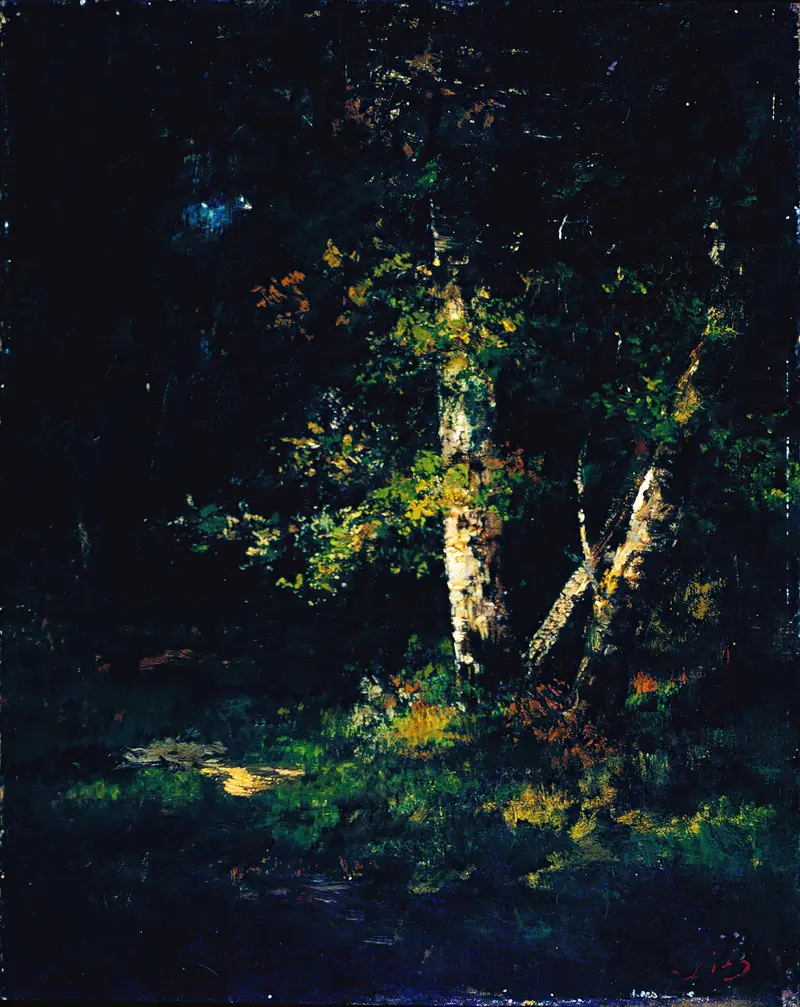
Forest Scene
Narcisse-Virgile Diaz de La Peña
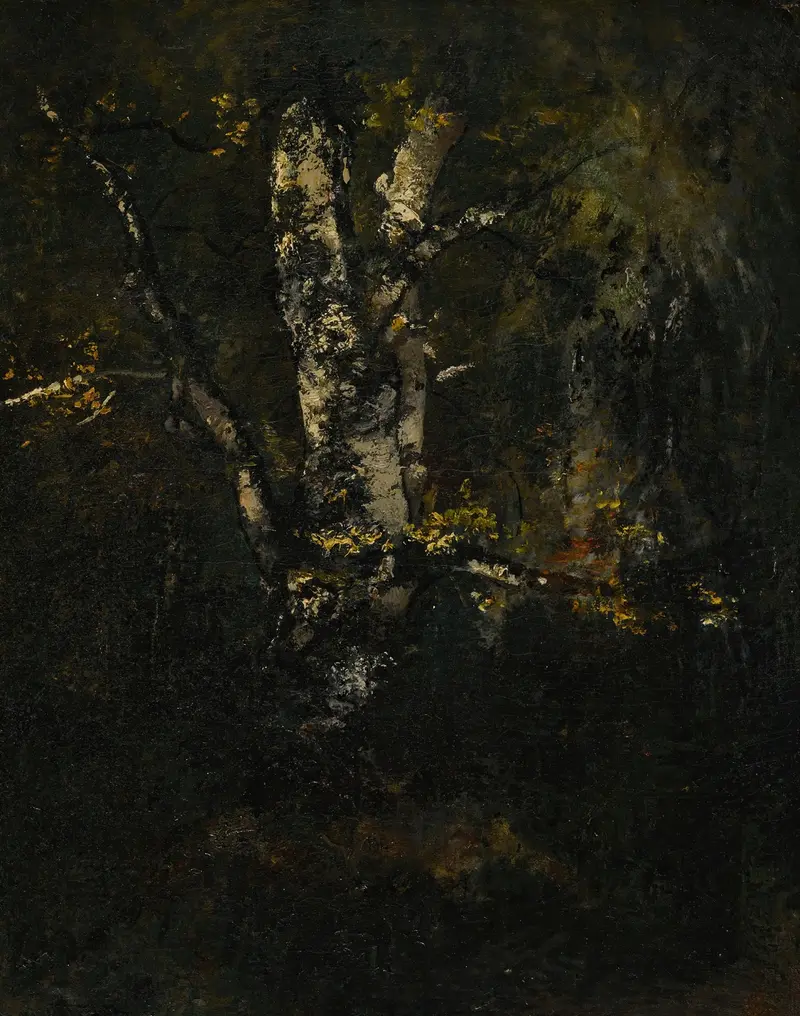
Vieux Troncs De Hêtres
Narcisse-Virgile Diaz de La Peña
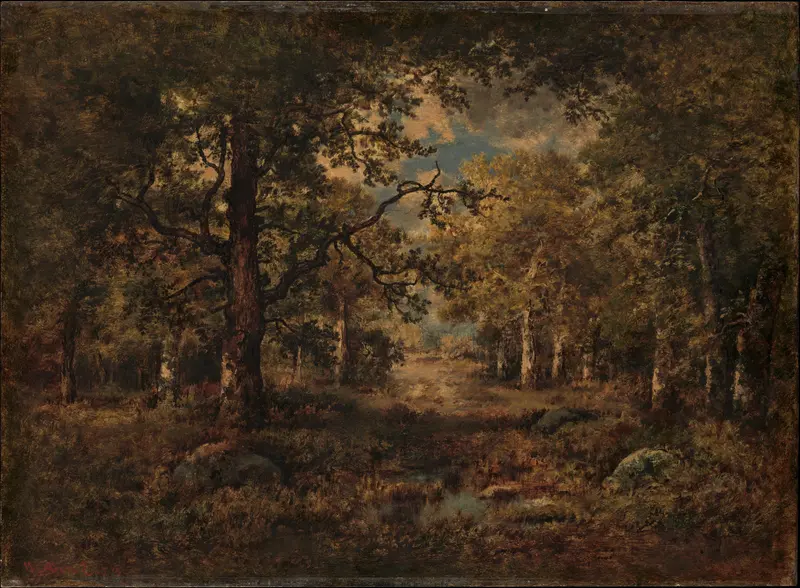
A Vista through Trees; Fontainebleau
Narcisse-Virgile Diaz de La Peña
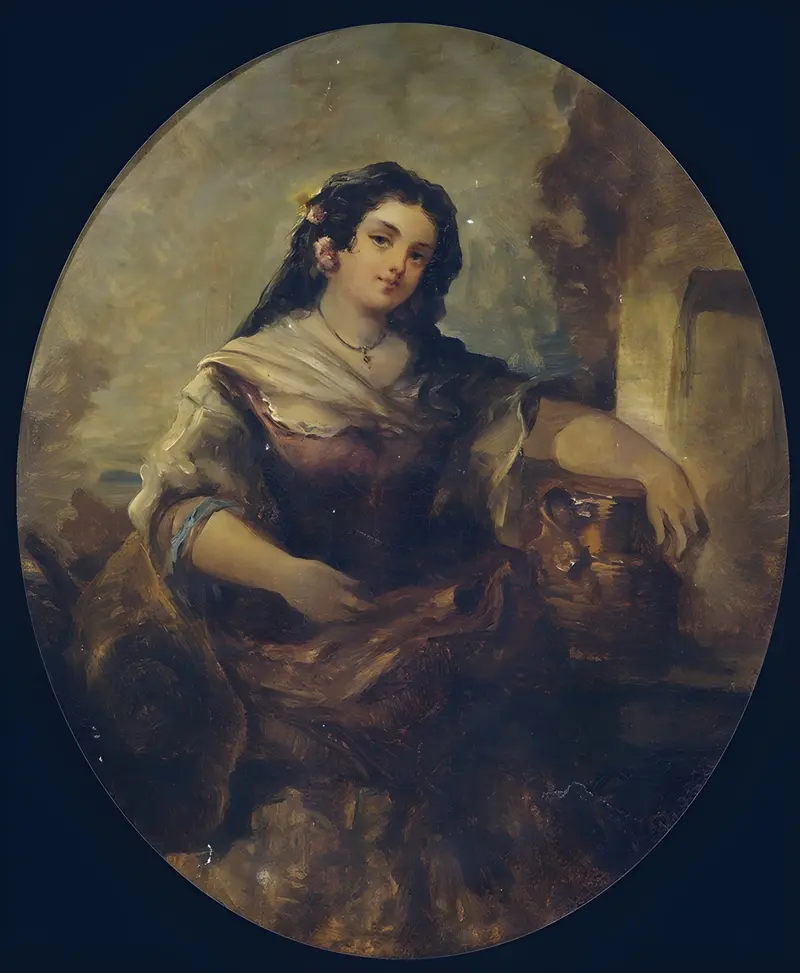
Portrait of a young girl at the well
Narcisse-Virgile Diaz de La Peña
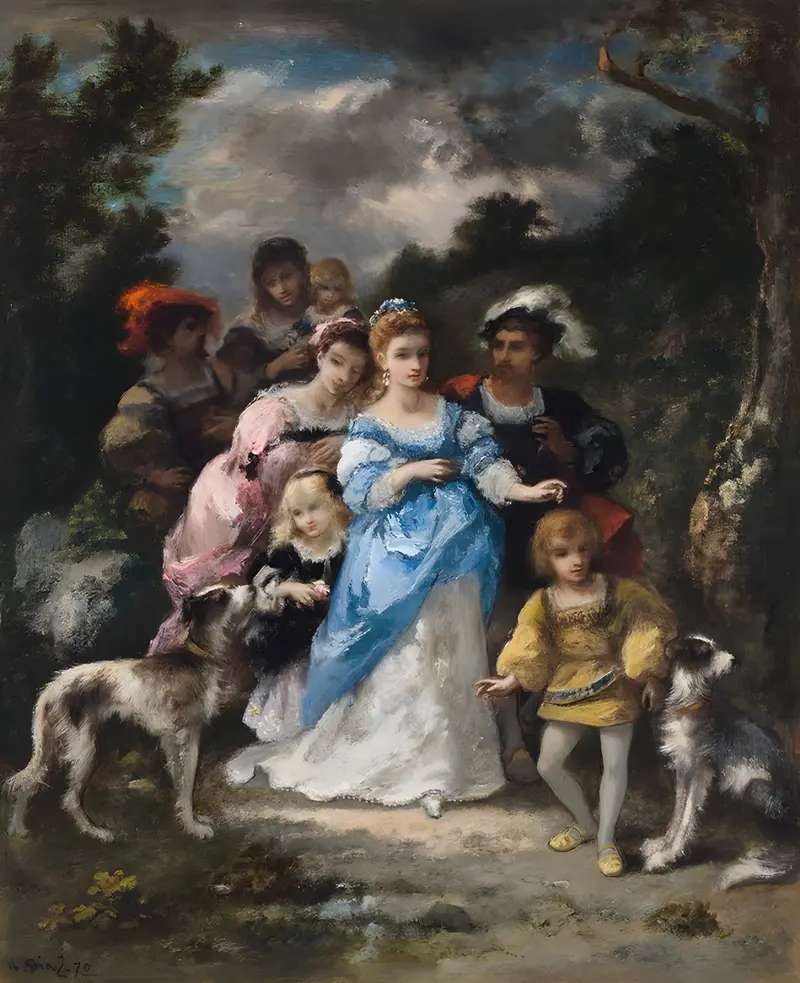
Promenade à la robe bleue
Narcisse-Virgile Diaz de La Peña
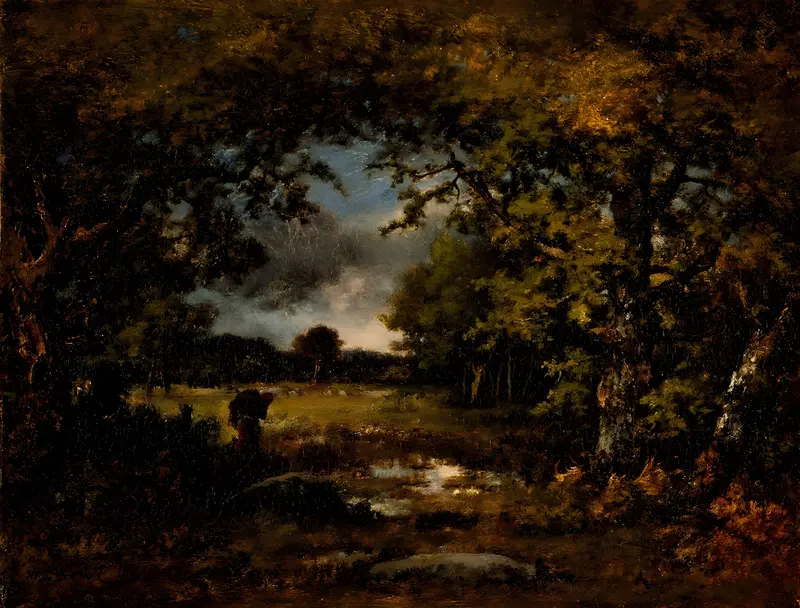
Landscape
Narcisse-Virgile Diaz de La Peña
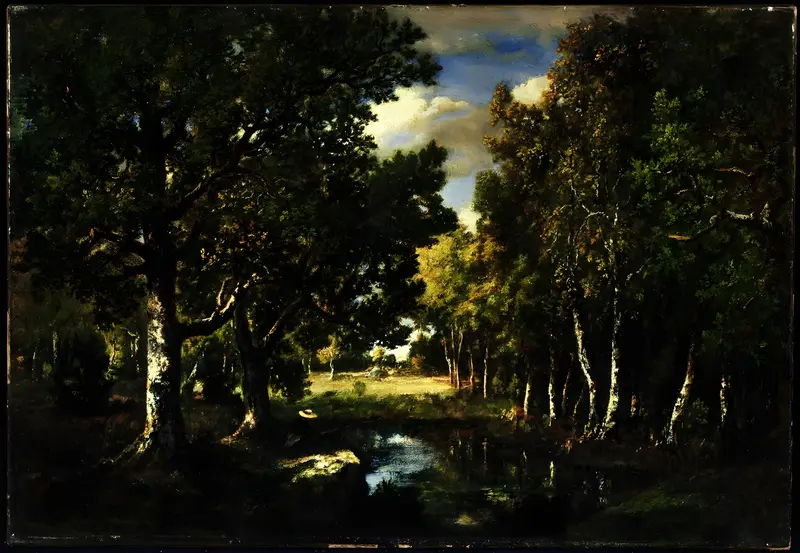
Landscape
Narcisse-Virgile Diaz de La Peña
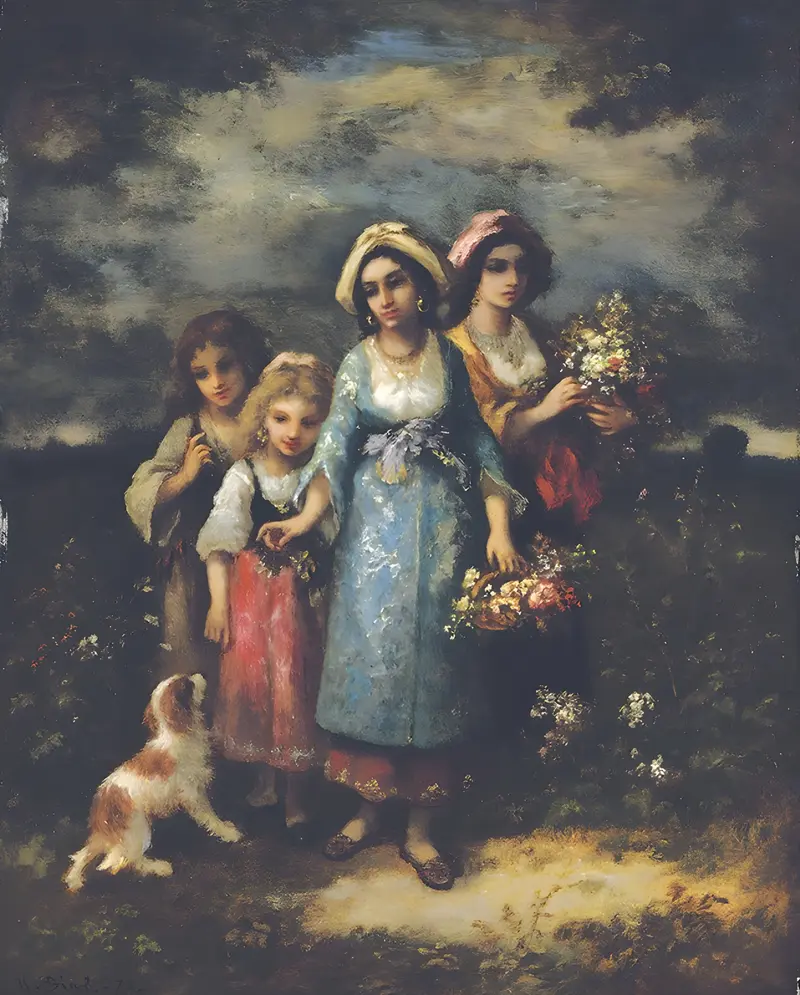
Picking Flowers
Narcisse-Virgile Diaz de La Peña
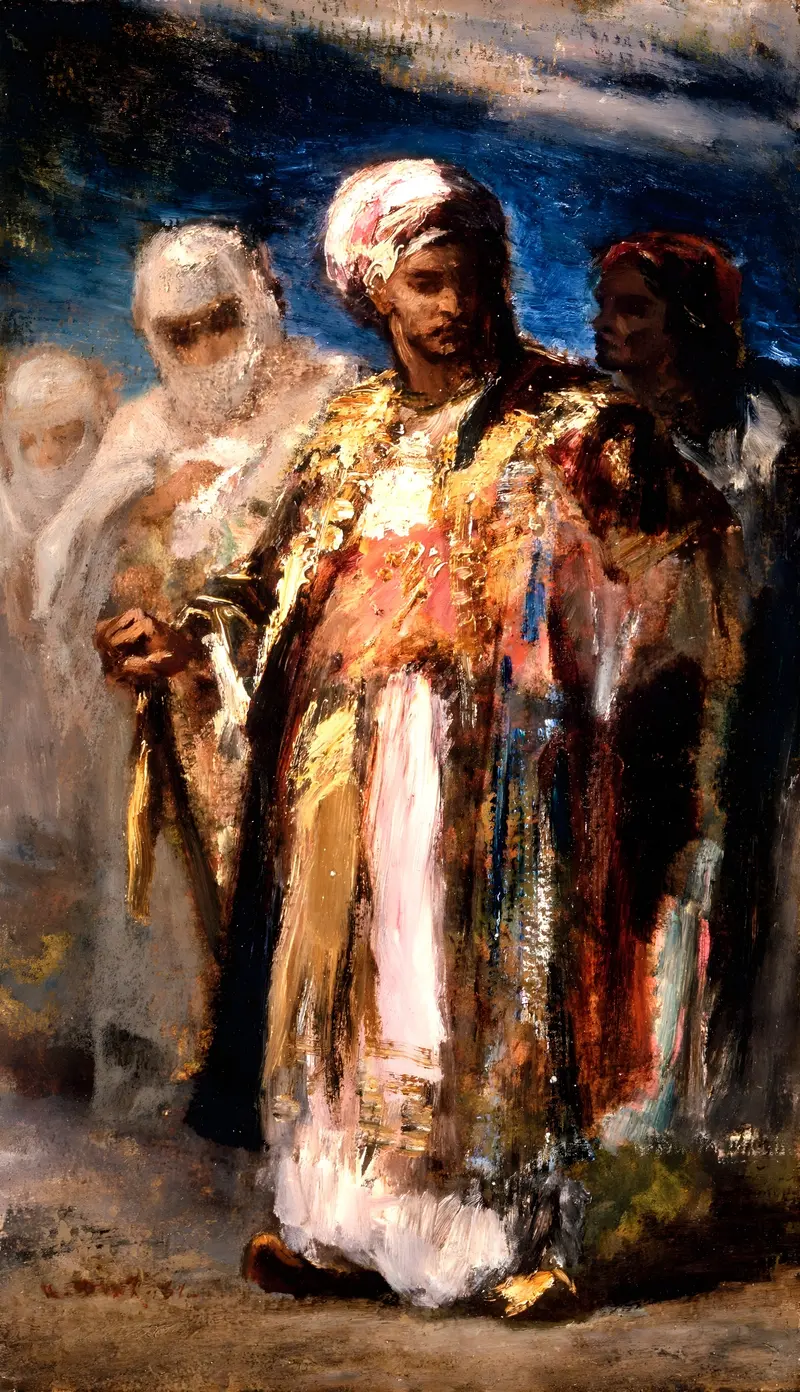
Men in Oriental Costumes
Narcisse-Virgile Diaz de La Peña
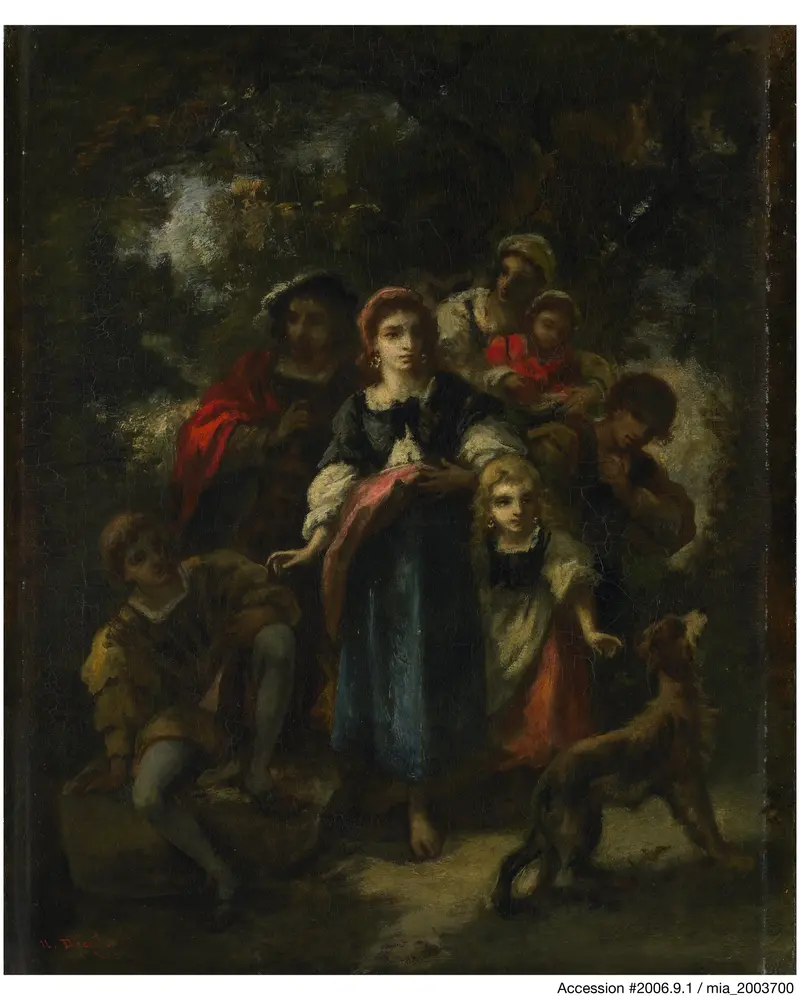
Descent of the Bohemians
Narcisse-Virgile Diaz de La Peña





