
Dites donc s'il vous plaît — History & Facts
When Dites donc s'il vous plaît appeared in Parisian salons around 1780, it was instantly recognized as a witty reflection of the shifting manners at the close of the Ancien Régime. The title, which translates as “Say Please, Then,” echoes the era’s growing fascination with politeness and flirtation—qualities that defined the rococo spirit of Jean-Honoré Fragonard. Critics of the time noted how Fragonard’s paintings seemed to “smile at the world,” and this work, in particular, was praised for its lively depiction of social gamesmanship.
The painting’s precise provenance remains somewhat obscure, but its theme and style place it firmly among Fragonard’s celebrated late genre scenes. The scene unfolds in a lush interior, where a young woman, fan poised and lips parted in a half-smile, sits opposite a dapper suitor. He leans forward, hat in hand, as if caught mid-plea, while her raised eyebrow and delicate gesture suggest a playful demand for courtesy. The soft, golden light caresses the silk of her gown and the rose on the table, underscoring the intimacy of their exchange.
Fragonard’s brushwork is quick and airy, animating the flirtatious tension that animates the moment. Unlike the moralizing tone of Greuze’s genre scenes, Fragonard delights in ambiguity: is the lady’s request a mere formality, or a test of sincerity? Though the exact patron of Dites donc s'il vous plaît is not recorded, works of this type were often commissioned by the rising bourgeoisie eager for witty, fashionable conversation pieces. The painting’s whereabouts were uncertain for much of the nineteenth century, but it resurfaced in a private collection before entering public view in the twentieth.
Today, it is admired as a late example of Fragonard’s genre painting, created as the rococo style was giving way to the neoclassical. In the artist’s career, it stands as a testament to his enduring fascination with the rituals and games of love—a theme he returned to, again and again, with unmatched charm.
More Artworks by Jean-Honoré Fragonard
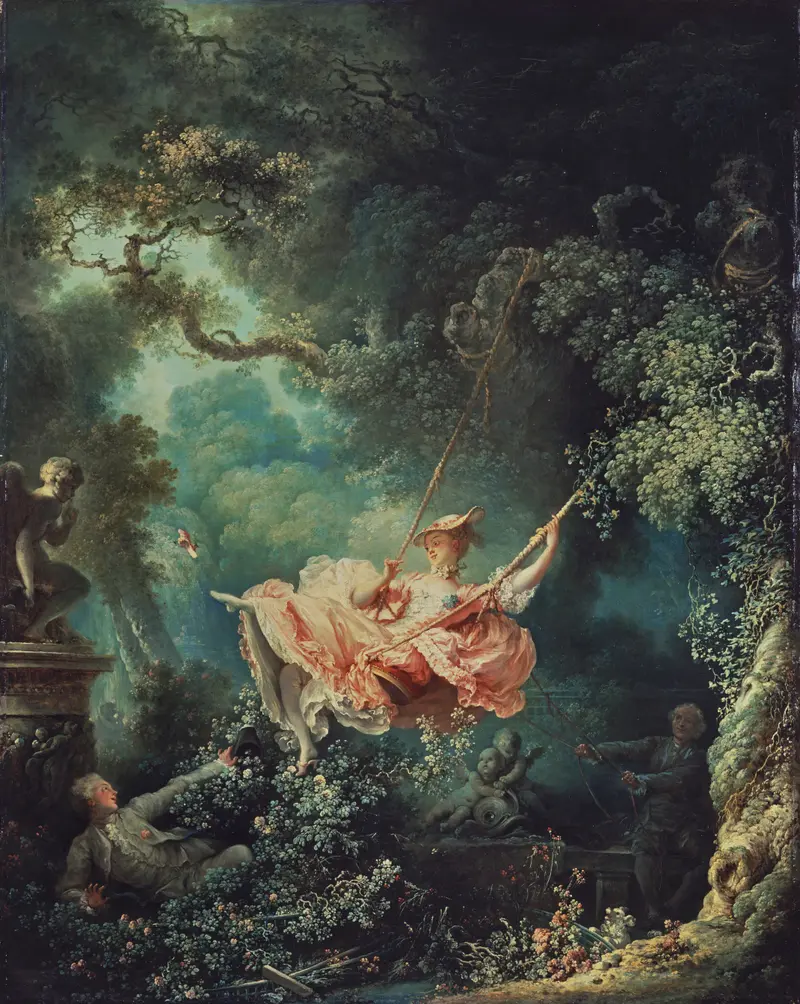
The Swing
Jean-Honoré Fragonard

The Swing
Jean-Honoré Fragonard
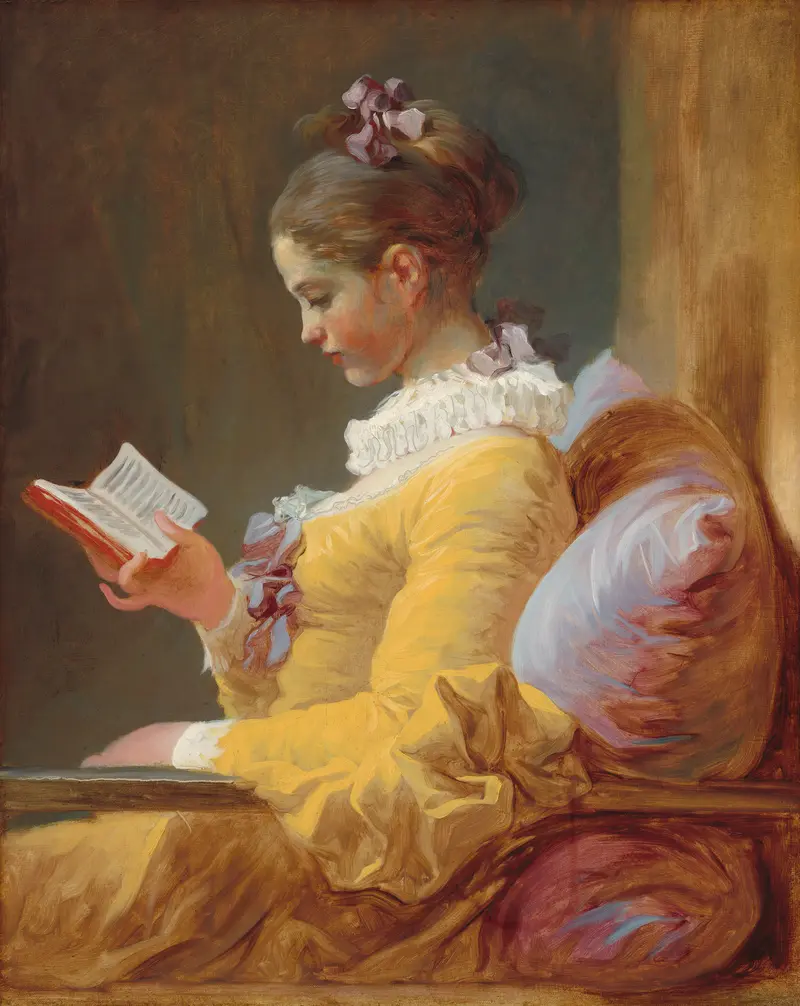
A Young Girl Reading
Jean-Honoré Fragonard
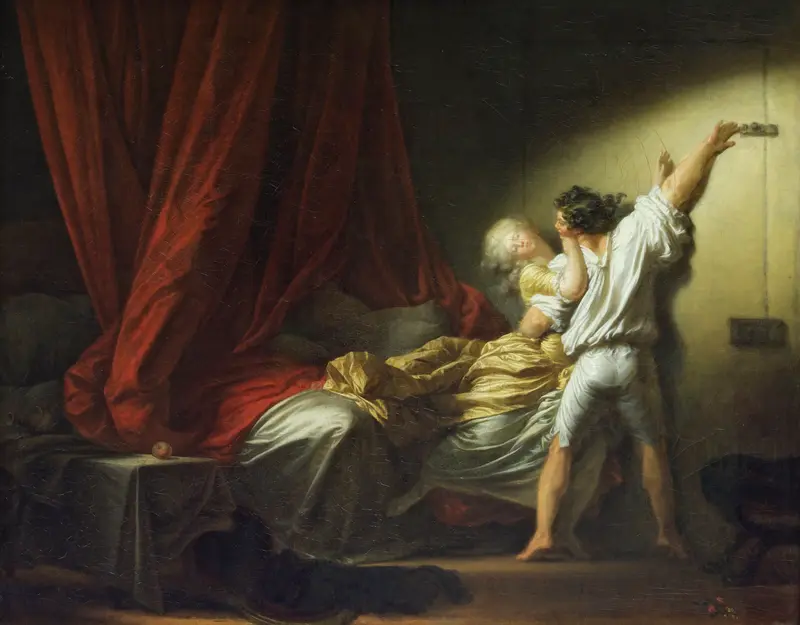
The Lock
Jean-Honoré Fragonard
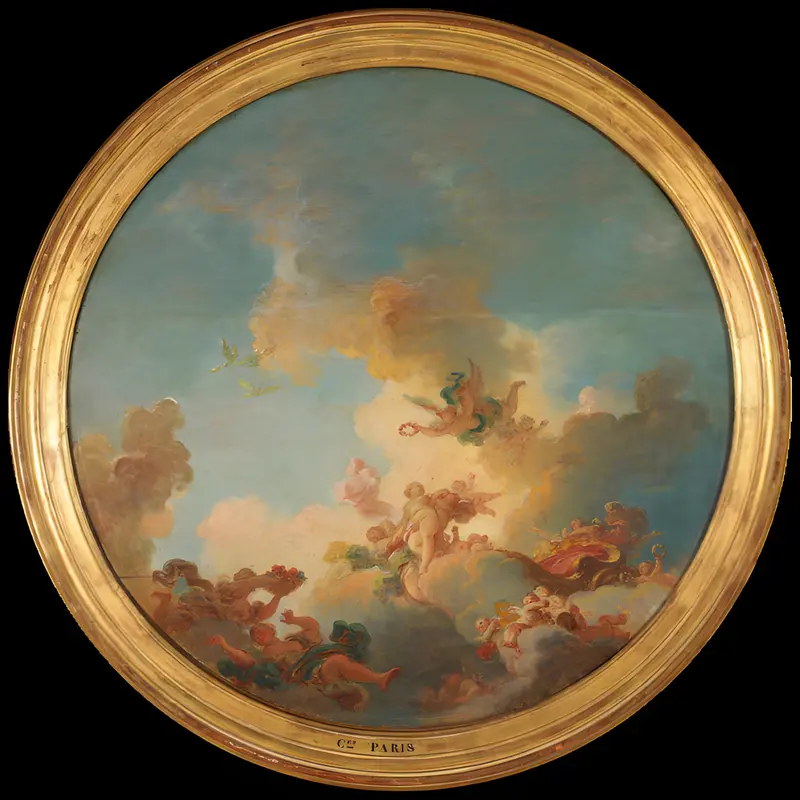
The Triumph of Venus
Jean-Honoré Fragonard
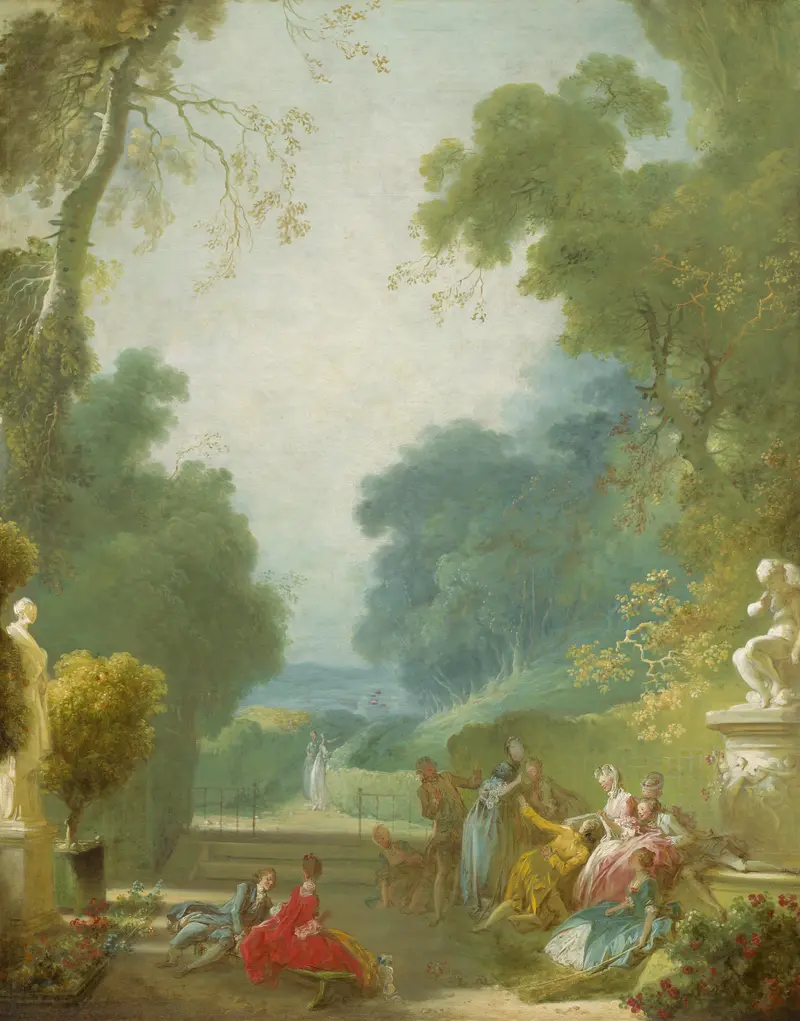
A Game of Hot Cockles
Jean-Honoré Fragonard
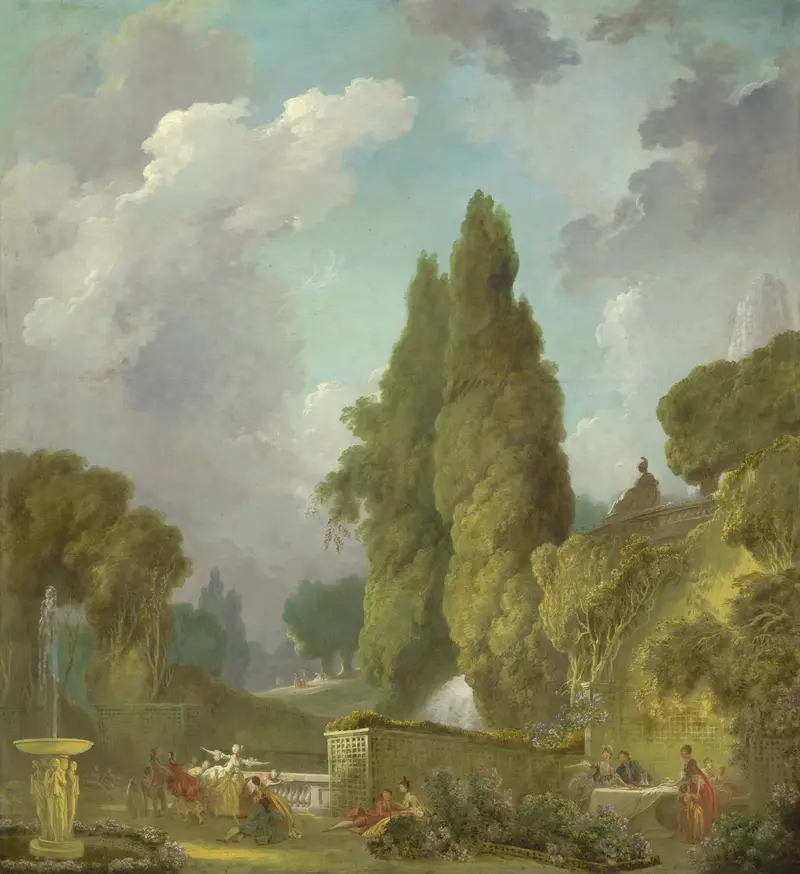
Blindman’s Buff
Jean-Honoré Fragonard
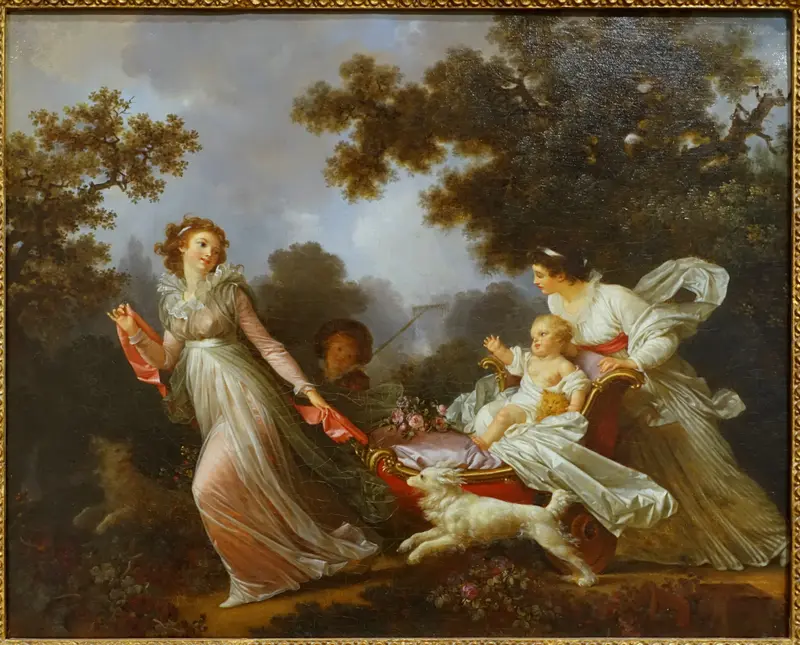
The Beloved Child
Jean-Honoré Fragonard
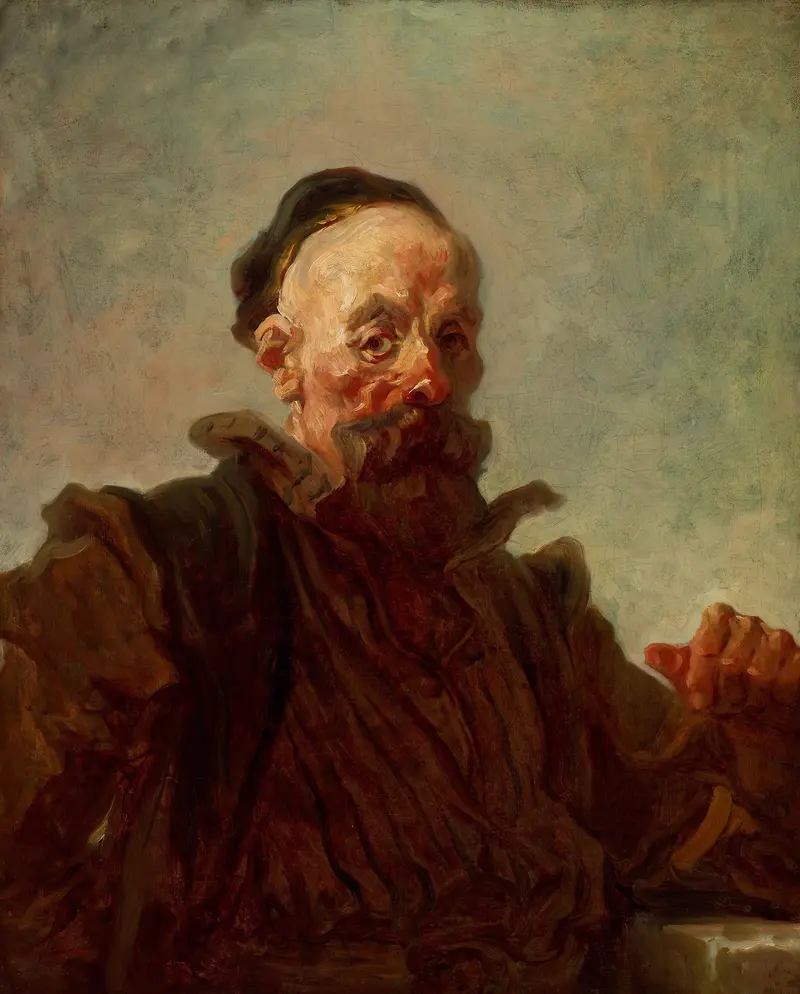
Portrait of a Man in Costume
Jean-Honoré Fragonard
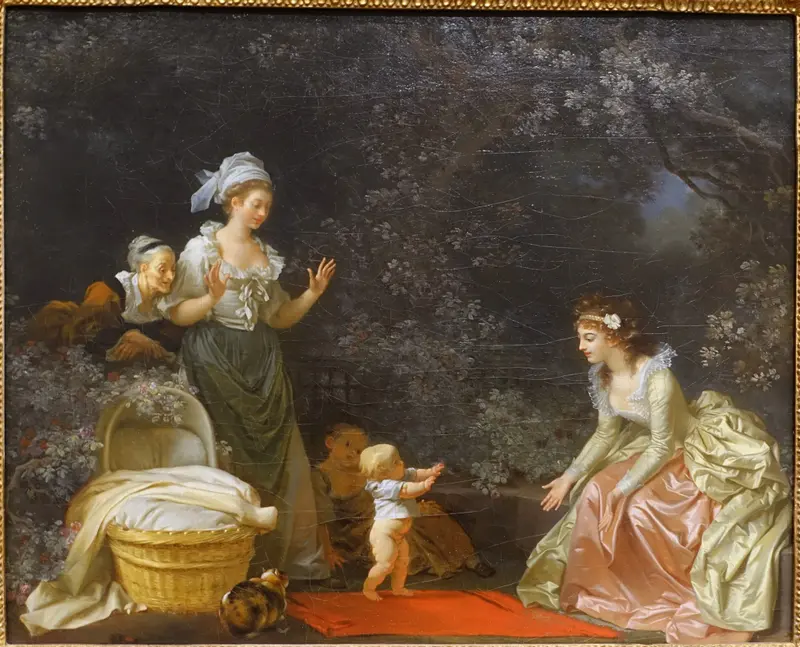
The First Steps
Jean-Honoré Fragonard
More Genre Scene Art

Banquet of the Officers of the St George Civic Guard
Frans Hals

Rembrandt and Saskia in the Scene of the Prodigal Son
Rembrandt van Rijn

Bal du moulin de la Galette
Pierre-Auguste Renoir

Quadrille at the Moulin Rouge
Henri de Toulouse-Lautrec

A Burial at Ornans
Gustave Courbet

When Will You Marry?
Paul Gauguin