
Dutch peasent girl — History & Facts
A girl lies sprawled on the grass, her yellow bonnet and patchwork dress rendered in thick, blocky strokes that almost seem to vibrate against the deep, textured green. The face is shadowed, nearly mask-like, with a single cheek catching the light—her gaze turned inward, lost in a private world. The rough, almost sculptural brushwork gives the figure a weight and immediacy, while the flattened perspective presses her close to the viewer, as if inviting us to share her reverie.
The artist’s hand is everywhere: in the jagged edges of the dress, the restless surface of the grass, the bold, unblended colors that refuse to settle into realism. This is not a sentimental scene, but a moment of absorption, the ordinary daydream of a rural child made monumental. Painted in 1913, Dutch peasant girl belongs to a world on the edge of transformation. The early twentieth century in the Netherlands was a time of artistic ferment, with painters like Theo van Doesburg—soon to become a leader of the De Stijl movement—experimenting with color, form, and the boundaries of representation.
Works like this, rooted in rural life but fractured by modernist technique, were rarely grand commissions; they were often studies or explorations, painted for the artist’s own search. Today, this painting is preserved in a Dutch heritage collection, a record of a restless moment before abstraction took hold. Look again at the girl’s pose, the stubborn geometry of her world, and sense the future pressing up through the paint.
More Artworks by Theo van Doesburg
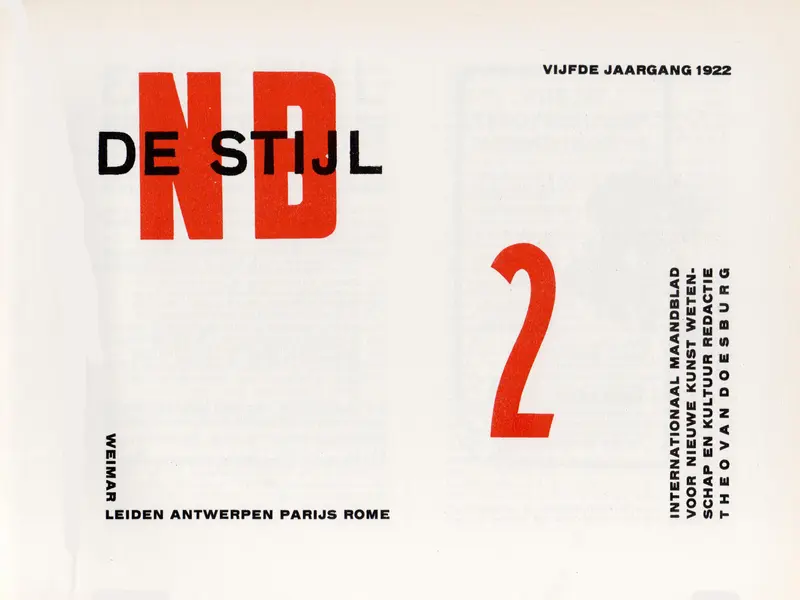
De Stijl, vol. 5, no. 2 (cover)
Theo van Doesburg
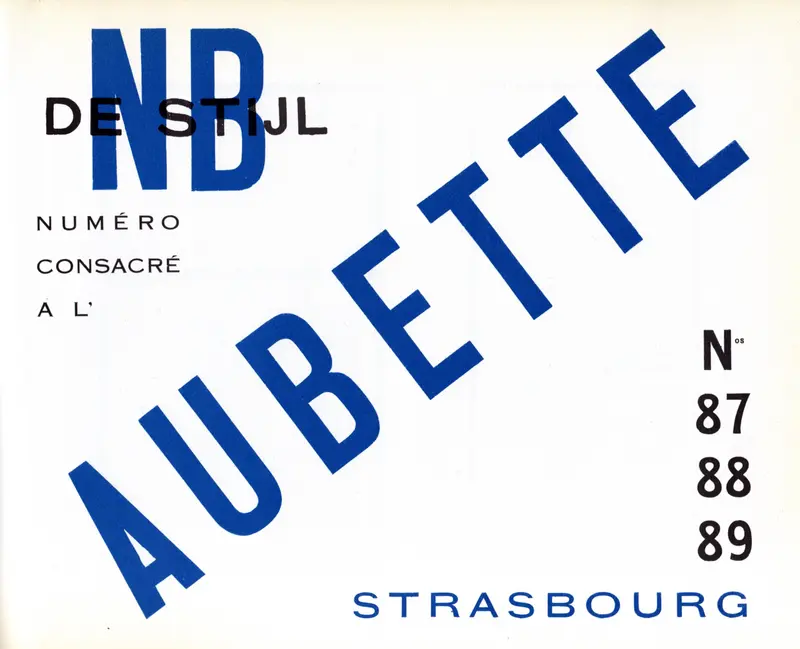
De Stijl, nos. 87–89: Aubette Issue (cover)
Theo van Doesburg
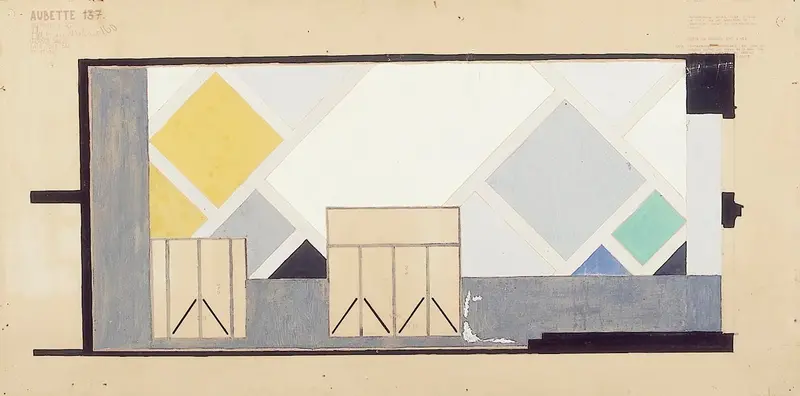
Aubette Ciné-Dancing: Final Color Design for a Wall
Theo van Doesburg
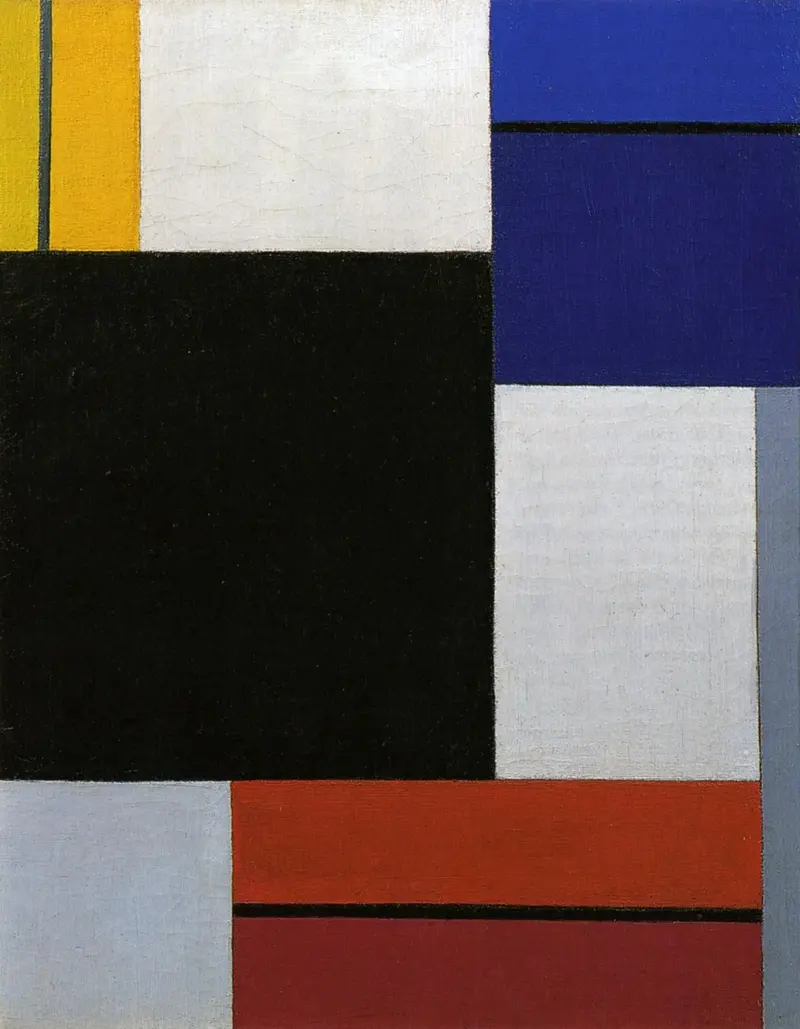
Composition XXI
Theo van Doesburg
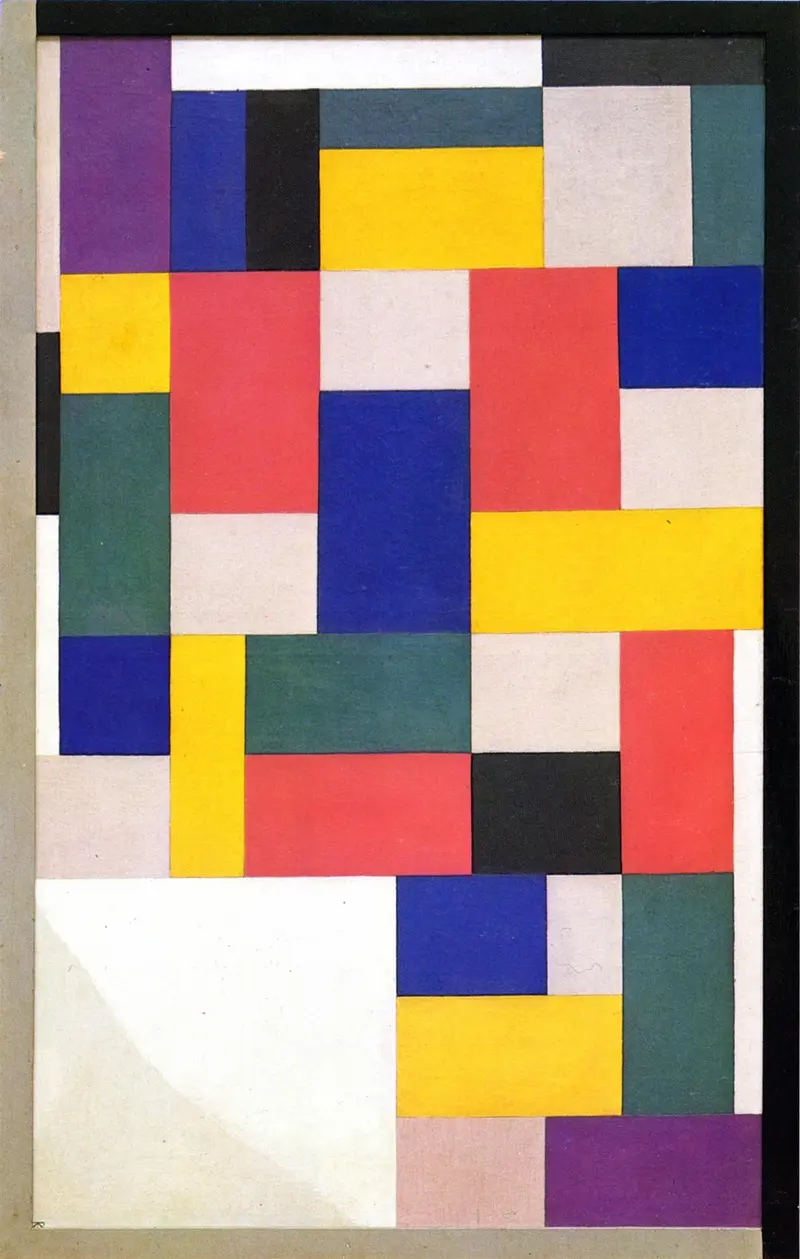
Pure Painting
Theo van Doesburg

Counter-Composition V
Theo van Doesburg
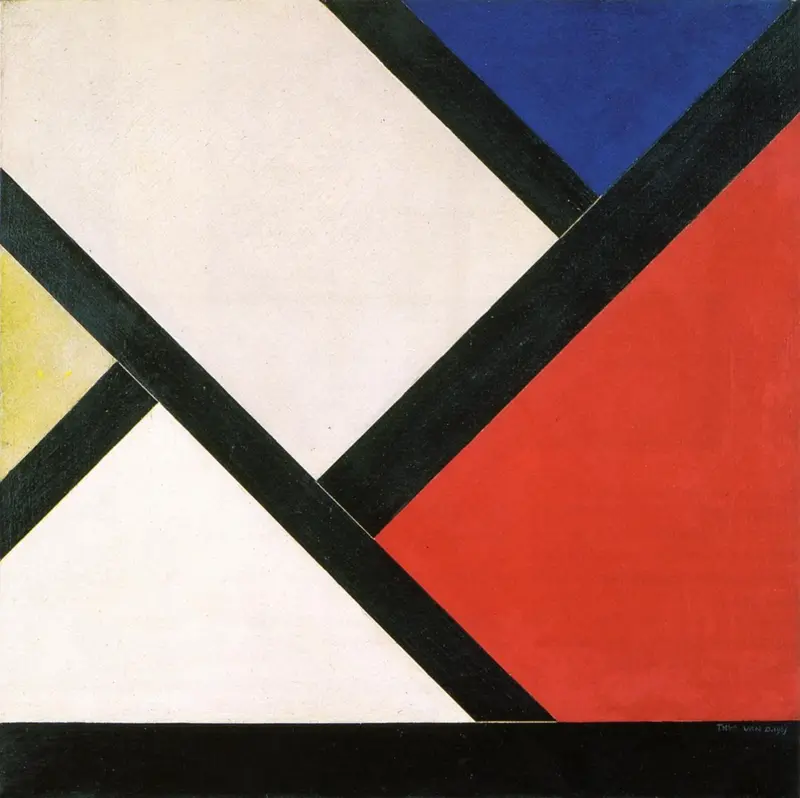
Counter-Composition XIV
Theo van Doesburg
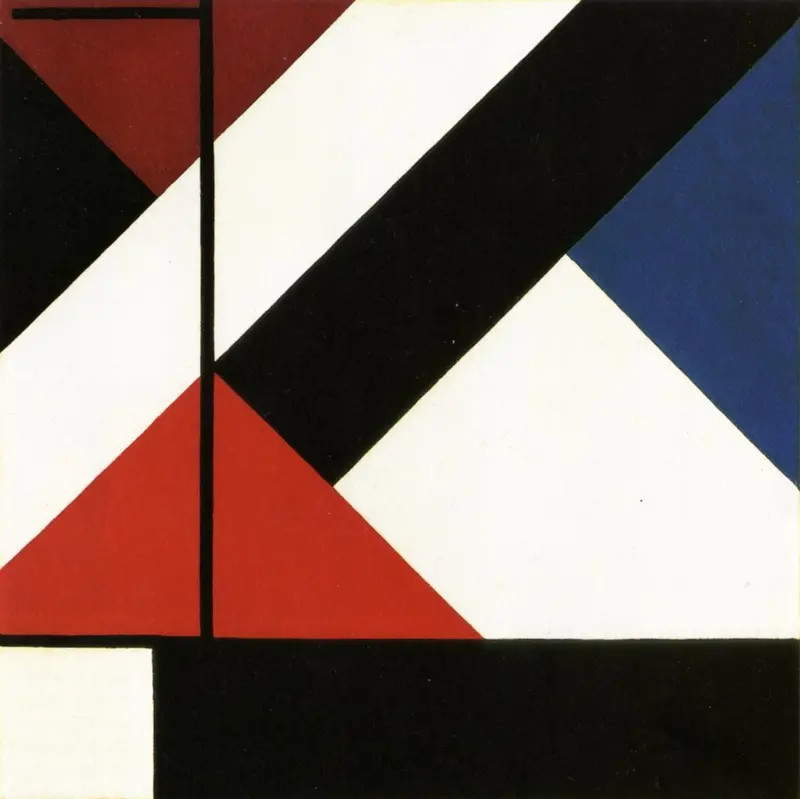
Simultaneous Counter-Composition
Theo van Doesburg

Stained-Glass Composition: Female Head
Theo van Doesburg
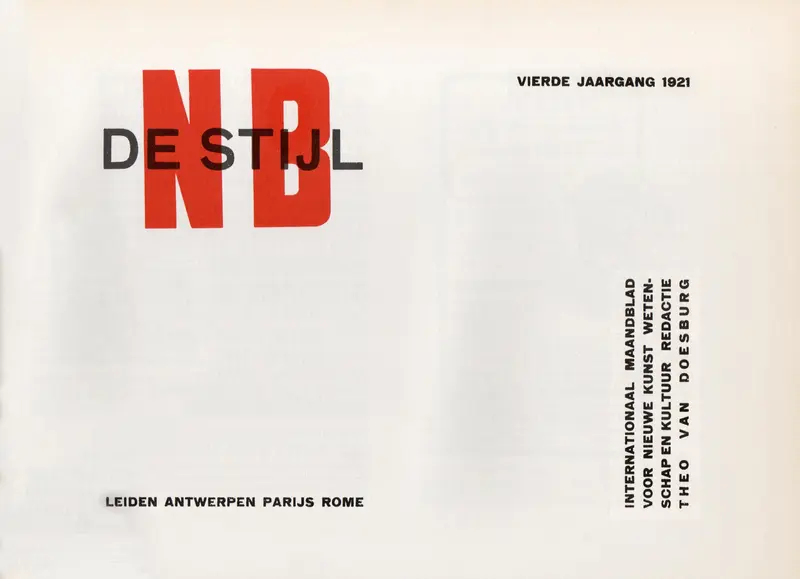
De Stijl, vol. 4, no. 2 (cover)
Theo van Doesburg
More Genre Scene Art

Banquet of the Officers of the St George Civic Guard
Frans Hals

Rembrandt and Saskia in the Scene of the Prodigal Son
Rembrandt van Rijn

Bal du moulin de la Galette
Pierre-Auguste Renoir

Quadrille at the Moulin Rouge
Henri de Toulouse-Lautrec

A Burial at Ornans
Gustave Courbet

When Will You Marry?
Paul Gauguin