
E. Finlay, Esquire — History & Facts
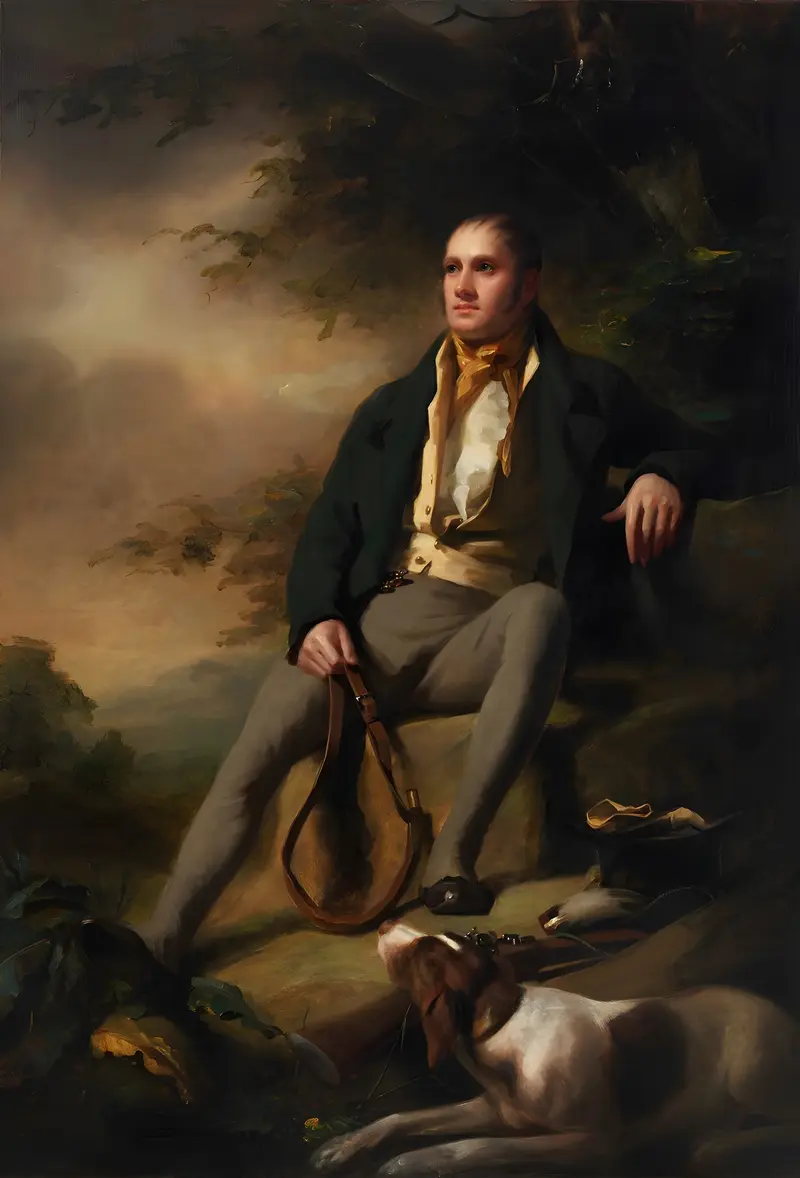
The identity of E. Finlay, the sitter in E. Finlay, Esquire by Sir Henry Raeburn, remains a puzzle for art historians, lending the portrait an air of intrigue.
While many of Raeburn's portraits were commissioned by prominent figures of Edinburgh society, no definitive records link this work to a specific patron or occasion. The painting’s provenance is further clouded by the absence of a date and medium, making it one of the more mysterious entries in Raeburn’s celebrated catalogue of Scottish sitters. This uncertainty has prompted ongoing research, with some suggesting the sitter may be connected to the Finlay family of bankers who rose to prominence in the early 19th century. The canvas captures a moment of composed self-assurance, as E.
Finlay sits turned slightly toward the viewer, his gaze direct yet reserved. The sitter’s attire—a dark coat with a crisp white cravat—signals both his social standing and the sober fashion of the Scottish gentry in the Regency era. Light falls across his face, accentuating the thoughtful expression and the subtle play of character in his features.
Raeburn’s handling of flesh and fabric, with its broad, confident brushwork, invites comparison to Thomas Lawrence’s more theatrical portraits, yet here the effect is one of understated dignity rather than drama. The lack of distracting props or elaborate background focuses all attention on the sitter’s presence and inner life. As with many of Raeburn’s portraits, the journey of E. Finlay, Esquire from private commission to public collection is not fully documented.
The painting’s attribution to Raeburn is widely accepted, thanks to the distinctive handling of paint and the psychological depth that mark his mature style. Today, the work stands as a testament to Raeburn’s ability to capture the individuality of his sitters, even when their biographies remain elusive. Its place in the artist’s oeuvre highlights his role as the leading portraitist of the Scottish Enlightenment, a painter whose works continue to prompt questions and admiration alike.
More Artworks by Sir Henry Raeburn

Portrait of Hugh Hope
Sir Henry Raeburn
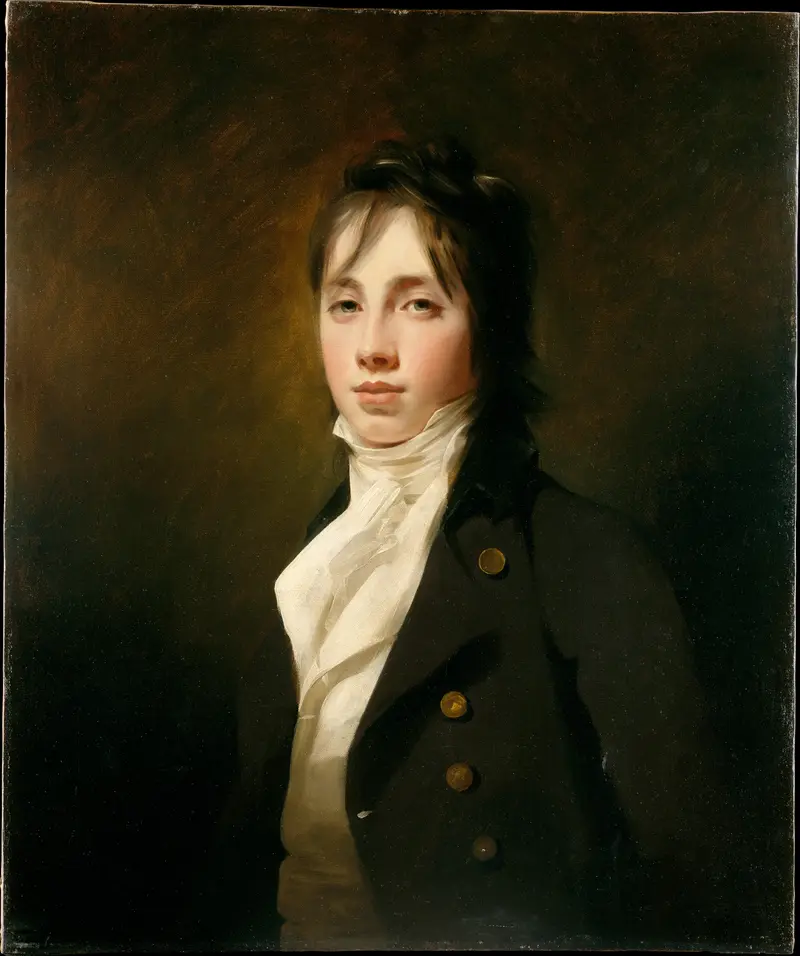
William Fraser of Reelig (1784–1835)
Sir Henry Raeburn
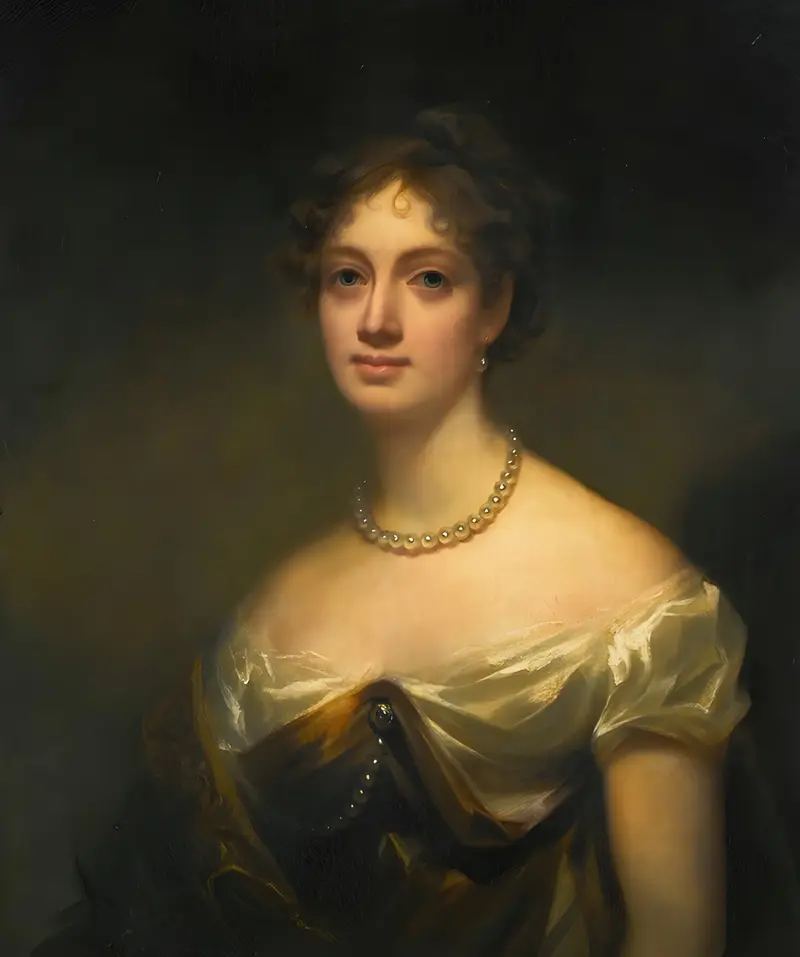
Portrait Of Anne Blair Maconochie Welwood Of Garvock, Lady Meadowbank (1784–1866)
Sir Henry Raeburn
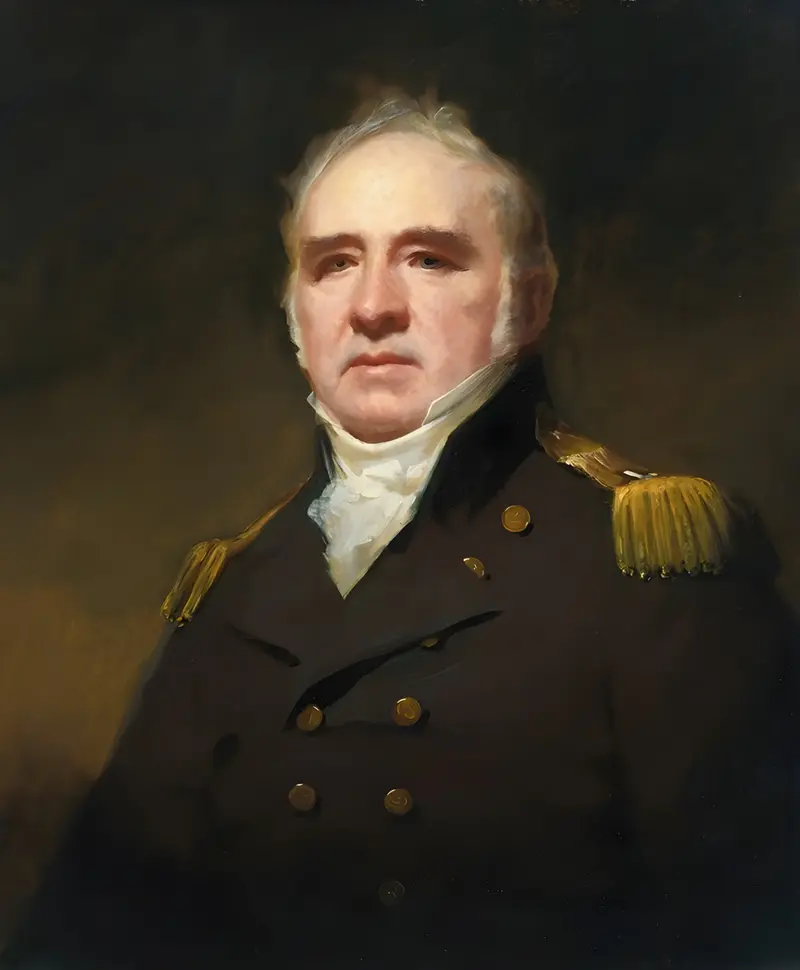
Portrait Of Captain James Forbes-Drummond, R.N., Of Hawthornden
Sir Henry Raeburn
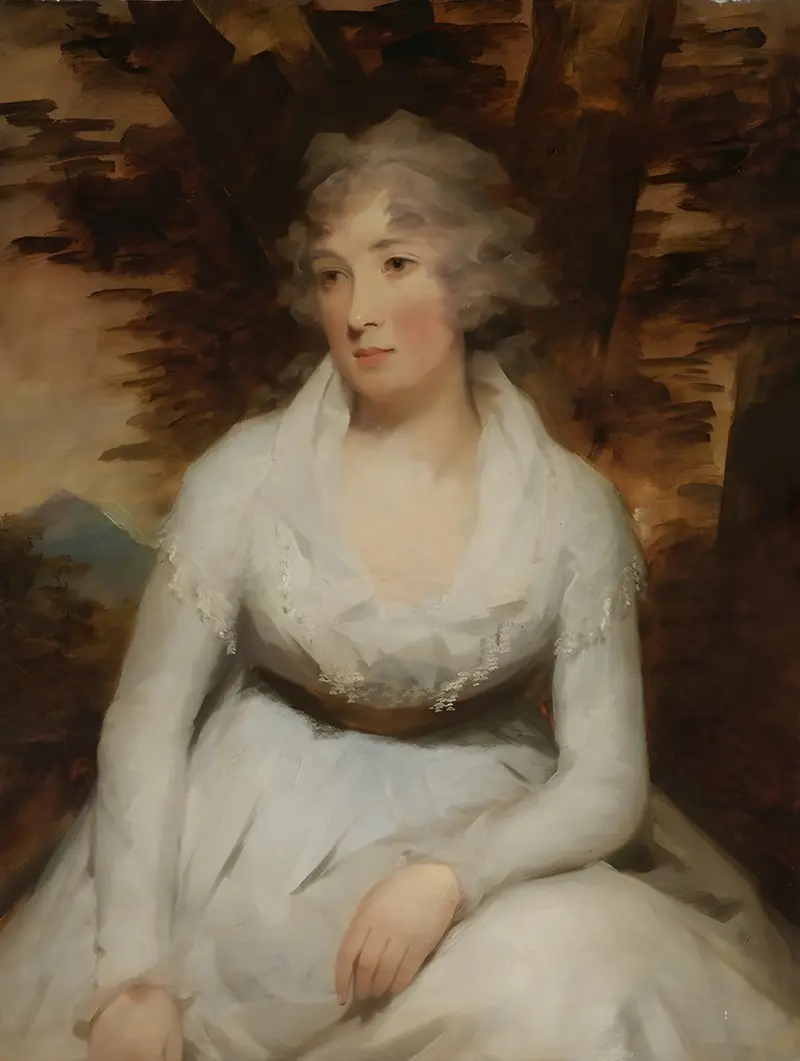
Miss Elizabeth Dalrymple (afterwards Mrs. George Leith)
Sir Henry Raeburn
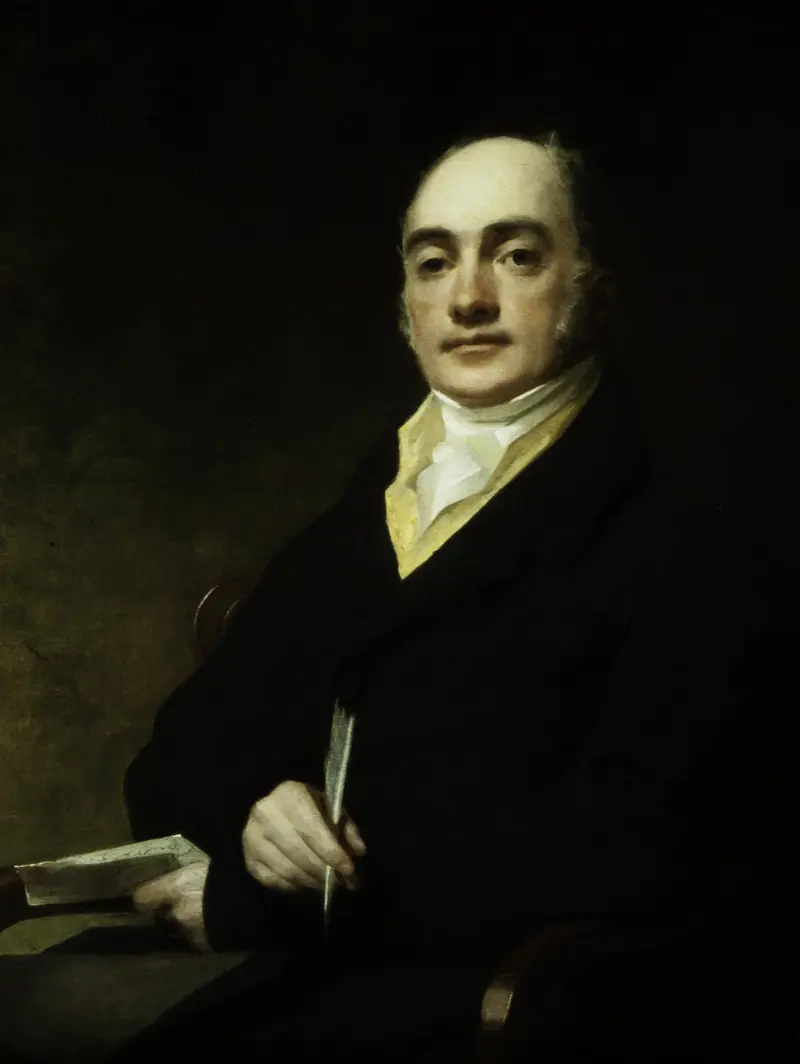
Portrait of John Baillie (1772-1833)
Sir Henry Raeburn
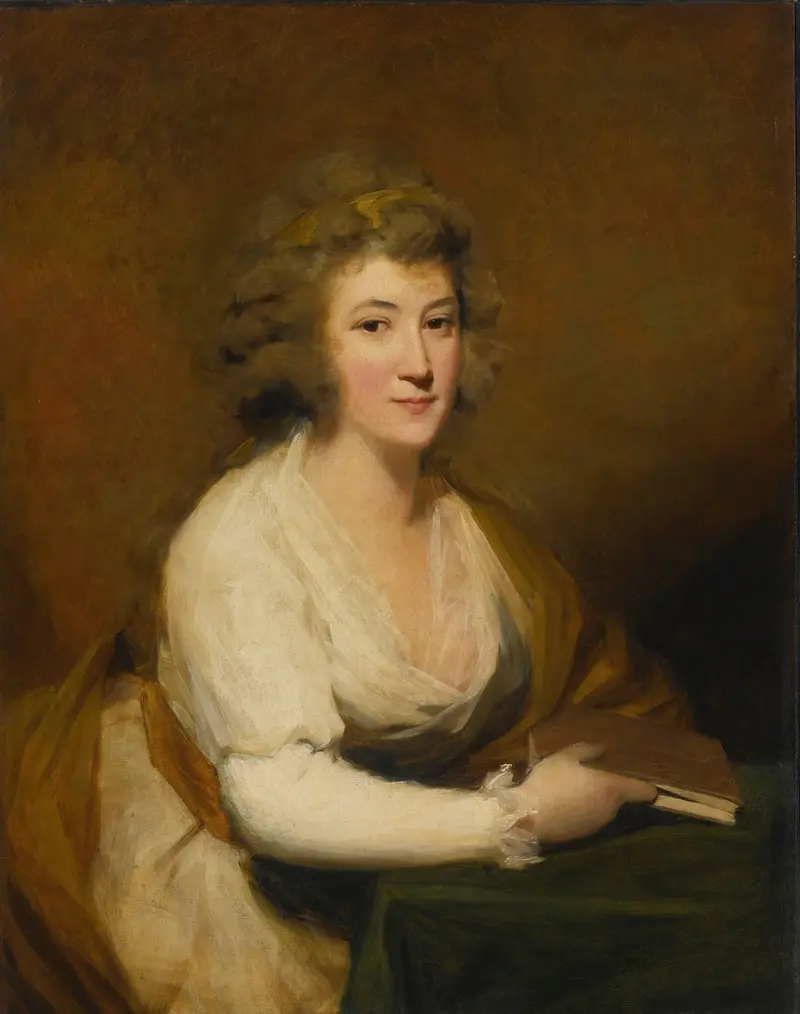
Portrait Of Lady Nasmyth, In A White Dress And Brown Shawl, Seated At A Table, Holding A Book
Sir Henry Raeburn
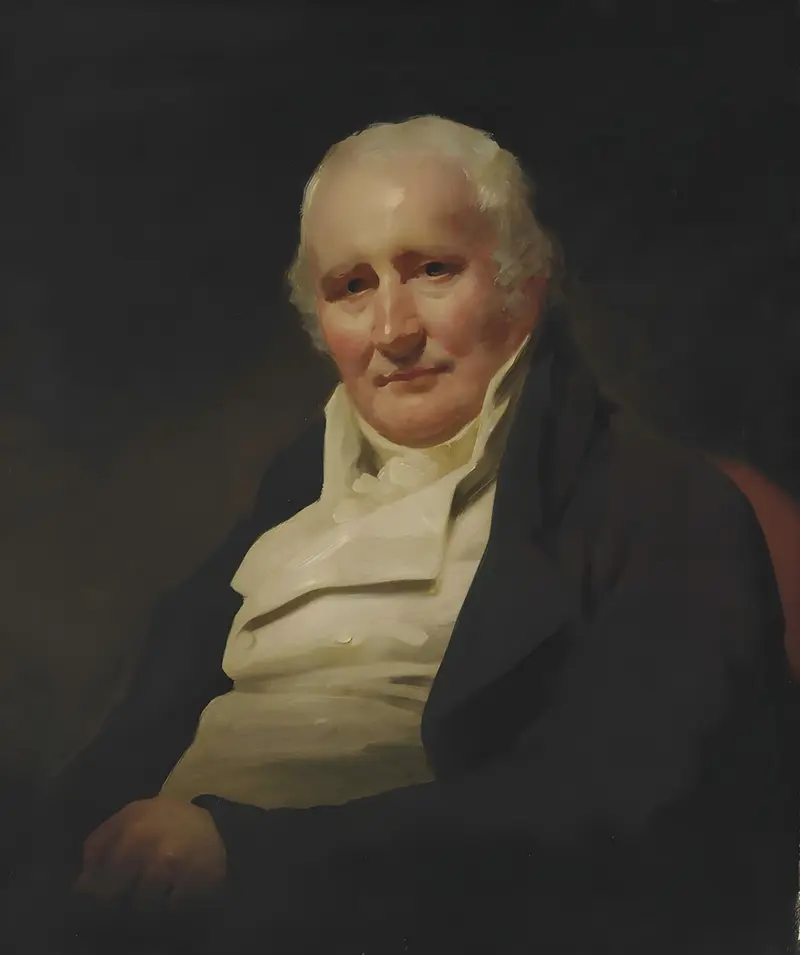
Portrait Of Mr. Spottiswood
Sir Henry Raeburn
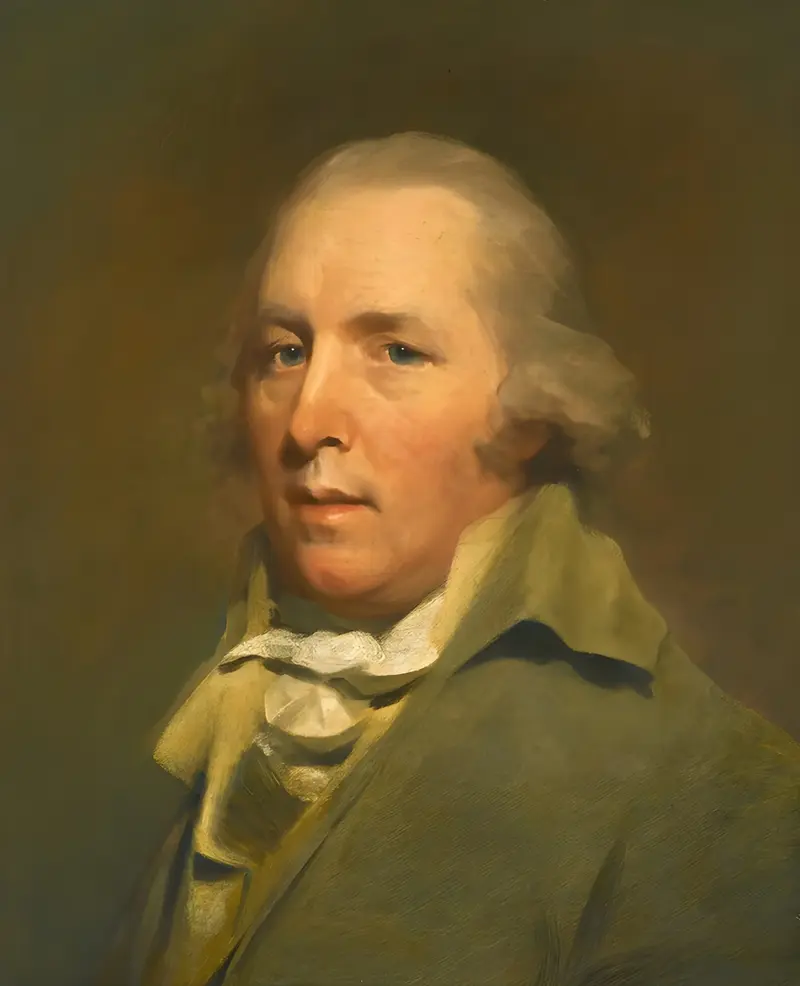
Portrait Of The Reverend John Home (1722-1808)
Sir Henry Raeburn
Portrait of William Hunt (c.1796-1854), Pittencrief House, Dunfermline
Sir Henry Raeburn





