
Education is Everything — History & Facts
When Education is Everything first appeared in Parisian circles around 1750, its authorship was a matter of lively debate. At the time, Jean-Honoré Fragonard was still a young painter, just beginning to make his mark, and the work’s unusually earnest tone led some to question whether it could truly be his. Unlike the playful, sensual scenes that would later define his career, this painting seemed to champion the Enlightenment’s rallying cry for knowledge, prompting critics to ask: was this a youthful experiment, or an early commission for a learned patron? At the heart of the composition, a mother leans over her child, guiding a tiny hand across the page of an open book.
The child’s gaze is fixed in concentration, while a shaft of light falls directly onto the text, suggesting the illumination of the mind. Scattered around them are objects—a globe, a quill, a slate—each a symbol of learning and discovery. The mother’s gentle touch and attentive posture recall the tenderness seen in Chardin’s domestic interiors, yet Fragonard’s brushwork is lighter, the colors more playful, hinting at the Rococo’s flair.
Unlike Chardin’s quiet gravity, here the scene pulses with the optimism of an age that believed education could shape the world. The painting’s early history remains somewhat obscure; the original patron has never been identified, though records suggest it was exhibited in a private Parisian salon before entering the collection of a minor noble family. Over the centuries, its attribution to Fragonard has been questioned, especially given the unknown medium and the atypical subject matter for the artist. Today, Education is Everything is recognized as a rare example of Fragonard’s engagement with Enlightenment ideals, and it is housed in a private collection, occasionally loaned to major exhibitions exploring the intersection of art and education in eighteenth-century France.
More Artworks by Jean-Honoré Fragonard
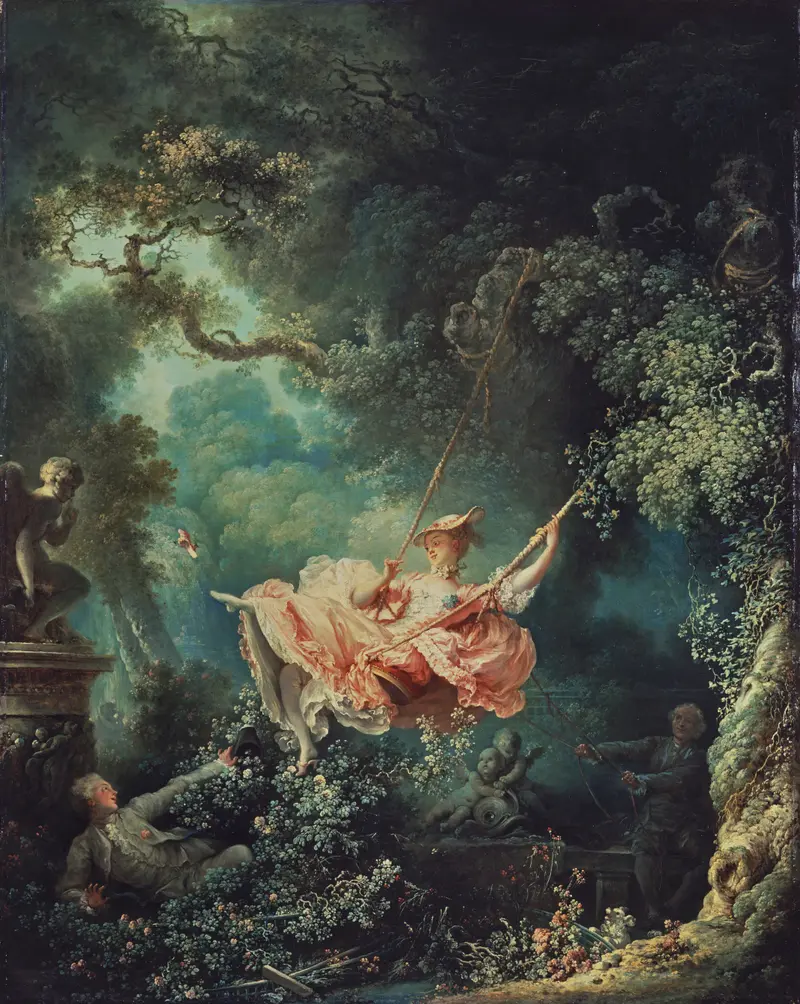
The Swing
Jean-Honoré Fragonard

The Swing
Jean-Honoré Fragonard
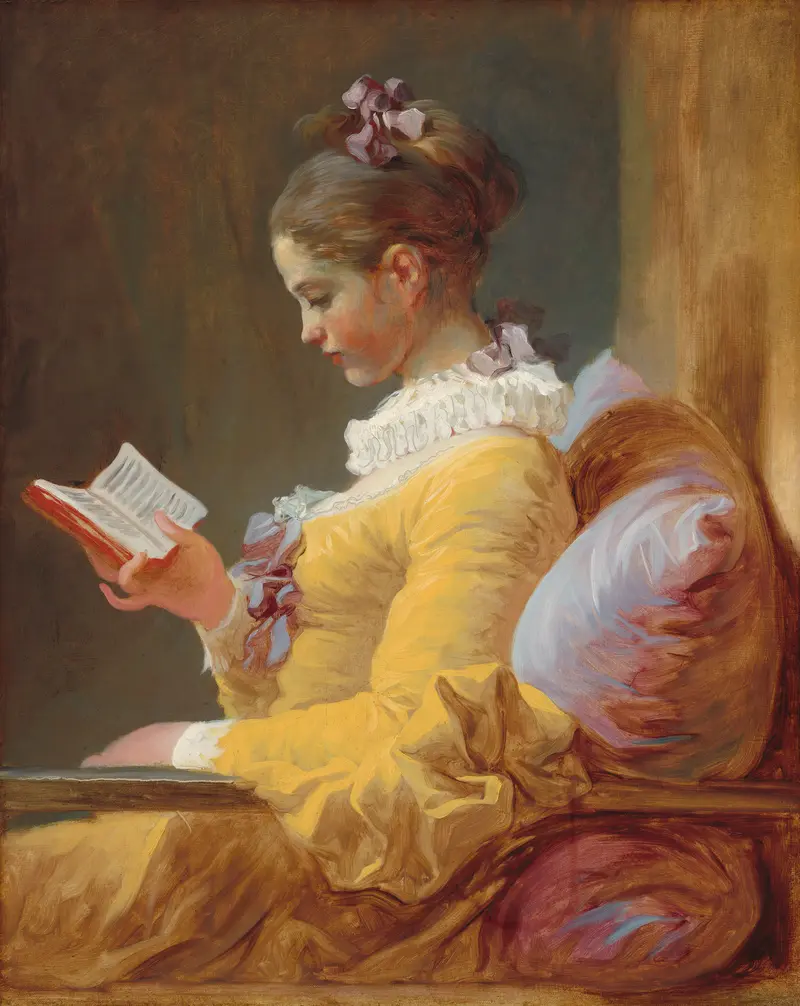
A Young Girl Reading
Jean-Honoré Fragonard
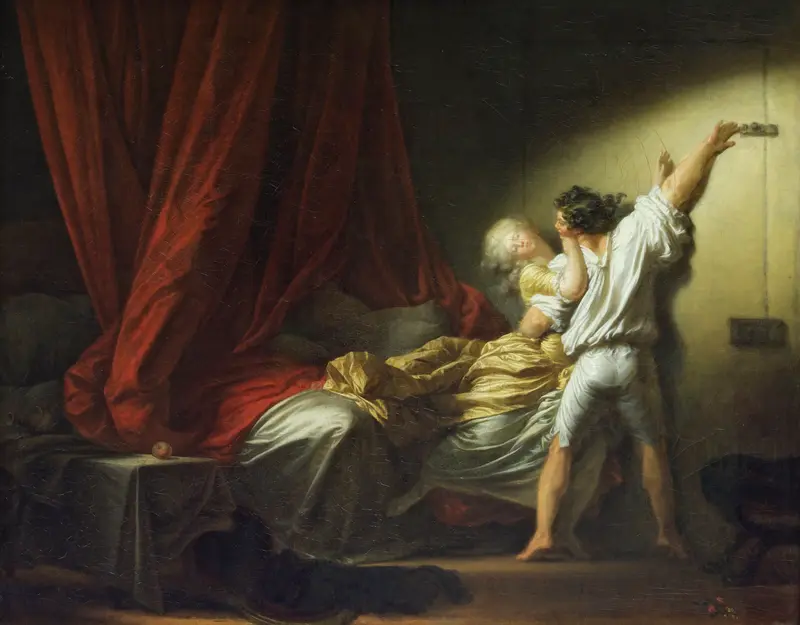
The Lock
Jean-Honoré Fragonard
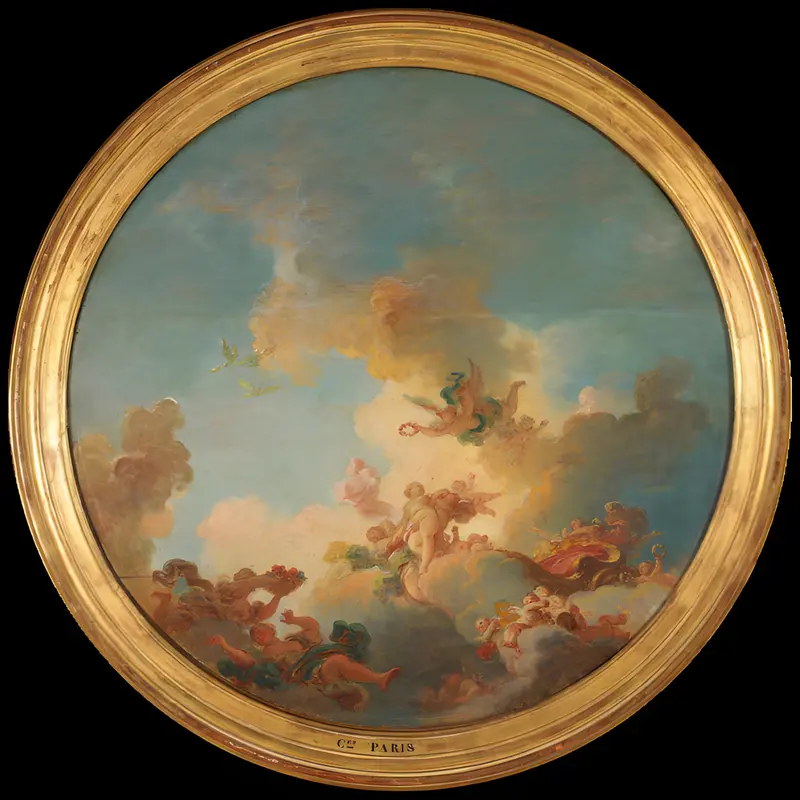
The Triumph of Venus
Jean-Honoré Fragonard
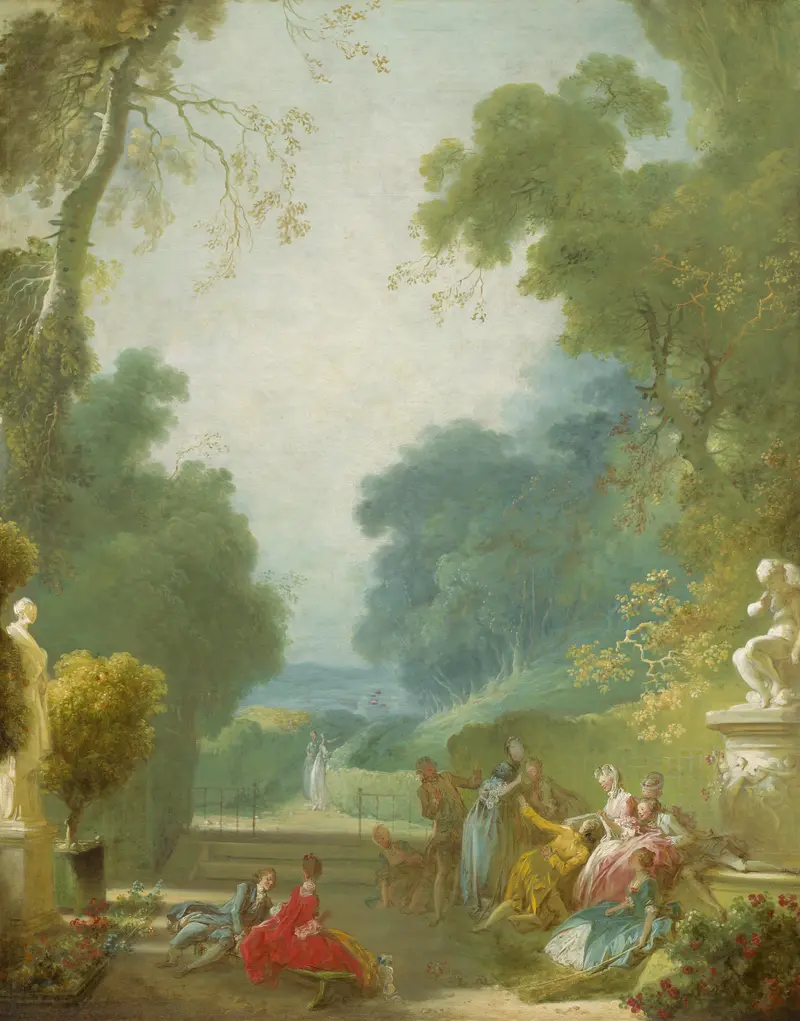
A Game of Hot Cockles
Jean-Honoré Fragonard
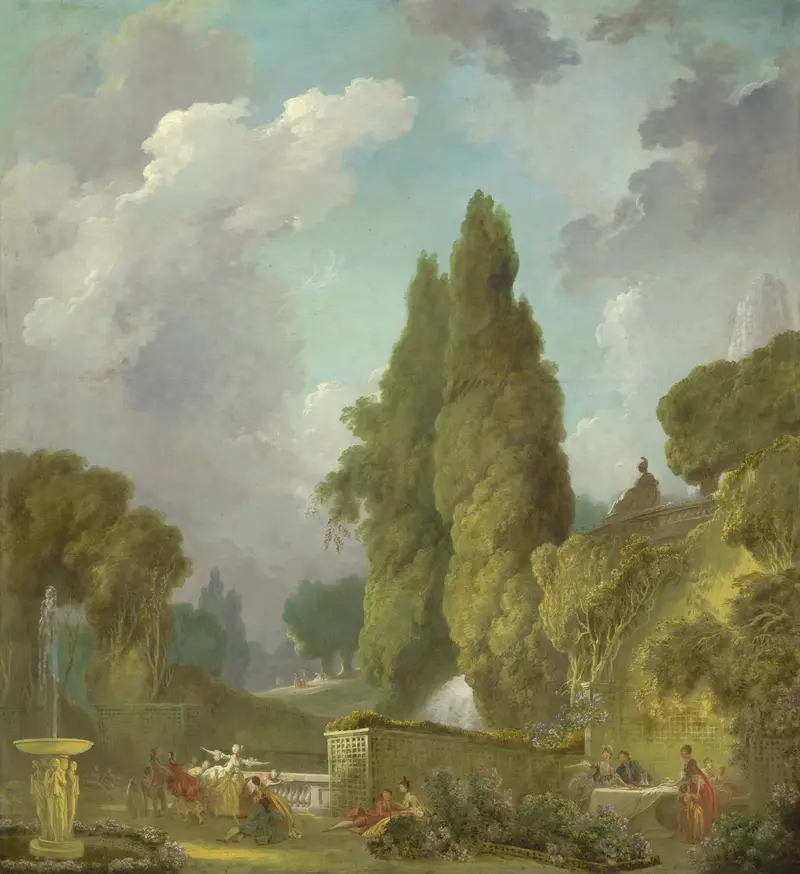
Blindman’s Buff
Jean-Honoré Fragonard
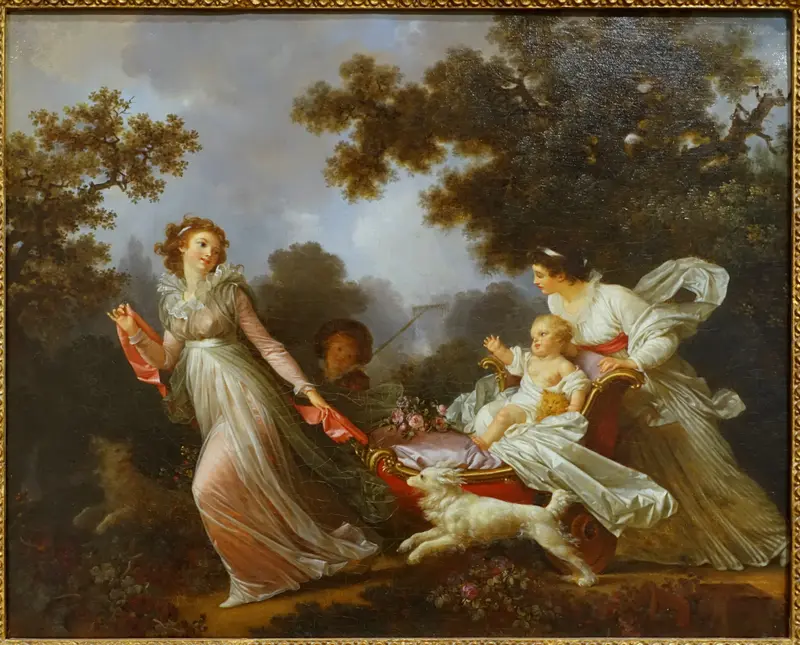
The Beloved Child
Jean-Honoré Fragonard
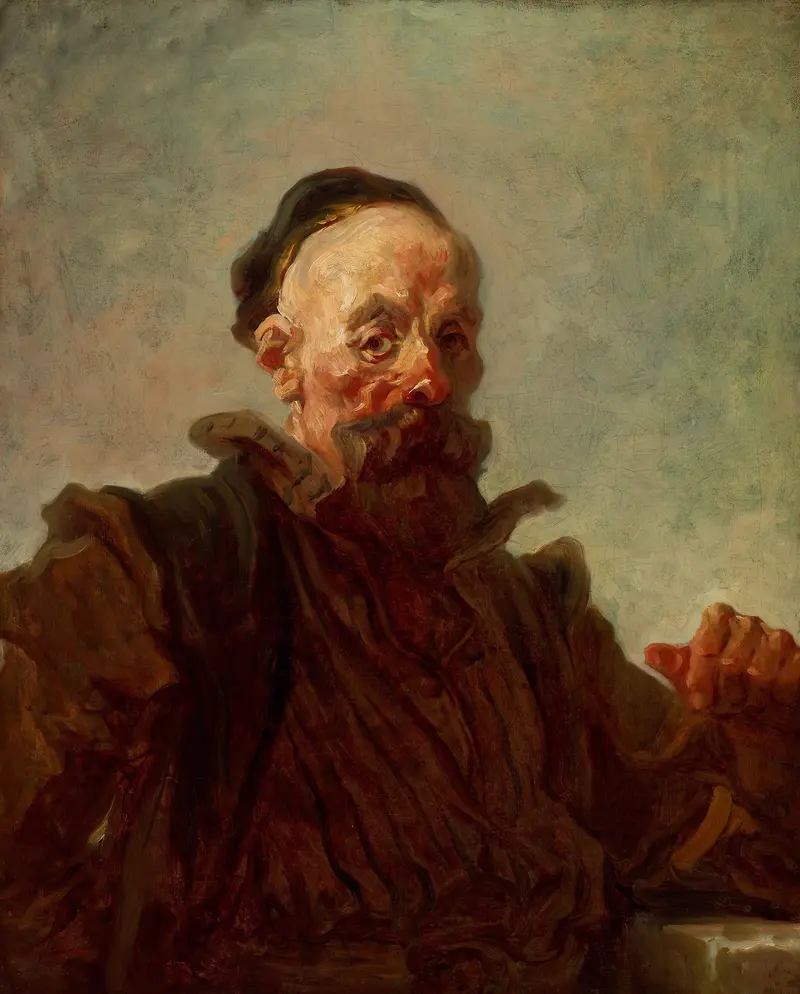
Portrait of a Man in Costume
Jean-Honoré Fragonard
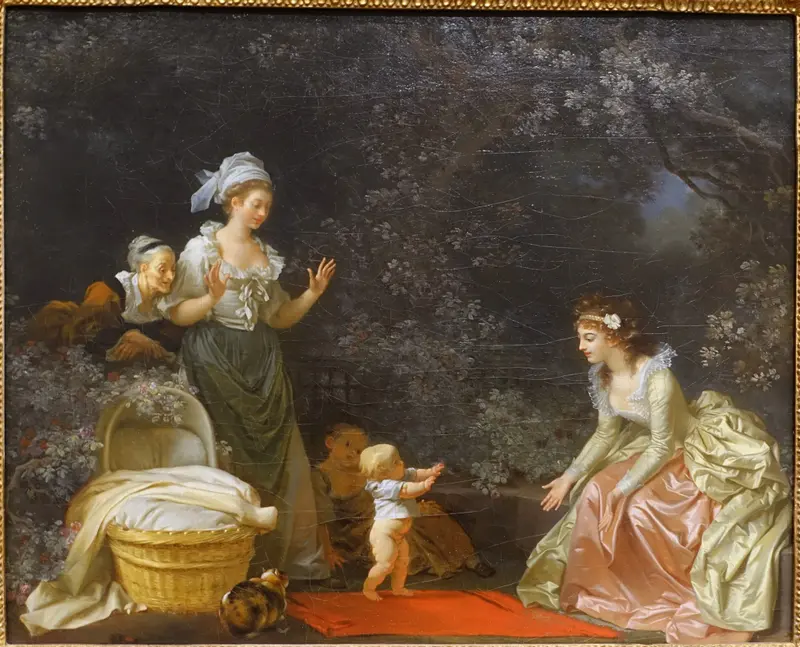
The First Steps
Jean-Honoré Fragonard
More Genre Scene Art

Banquet of the Officers of the St George Civic Guard
Frans Hals

Rembrandt and Saskia in the Scene of the Prodigal Son
Rembrandt van Rijn

Bal du moulin de la Galette
Pierre-Auguste Renoir

Quadrille at the Moulin Rouge
Henri de Toulouse-Lautrec

A Burial at Ornans
Gustave Courbet

When Will You Marry?
Paul Gauguin