
Entombment of Christ — History & Facts
When the friars of San Marco in Florence commissioned Fra Angelico to paint the Entombment of Christ around 1438, they were seeking more than decoration: they wanted a visual aid for meditation, a window into the Passion of Christ. This painting is one of several Passion scenes created by Fra Angelico for the convent, each carefully designed to guide the viewer’s devotion. Unlike many artists of his time, Fra Angelico was himself a Dominican friar, blending his spiritual life with his artistic calling.
The work’s original placement in a monastic setting shaped its intimate scale and contemplative mood, intended for the eyes of fellow brothers rather than a grand public. The moment captured here is the lowering of Christ’s lifeless body into the tomb, just after the Crucifixion. Mary Magdalene and the Virgin Mary cradle Christ’s feet and head, their faces marked by grief, while Joseph of Arimathea and Nicodemus gently bear the weight of the body. The rocky outcrop, the tools of the Passion, and the mourners’ gestures all point to the gravity of the event: the end of hope, before the Resurrection.
The use of gold leaf in the halos, the delicate handling of Christ’s wounds, and the serene landscape in the background distinguish Fra Angelico’s approach from the more dramatic, crowded versions by artists like Rogier van der Weyden. Here, the quiet sorrow and luminous color invite silent reflection rather than spectacle. Little is known about the painting’s precise journey after its creation, but it remains a key work from Fra Angelico’s Florentine period, reflecting the transition from late Gothic to early Renaissance art. Over centuries, the panels from San Marco have been dispersed; some remain in Florence, while others, like this Entombment of Christ, have entered museum collections abroad.
The painting’s attribution has never been seriously doubted, thanks to the distinctive style and devotional intensity that mark Fra Angelico’s hand. Today, it stands as a testament to the artist’s dual vocation as painter and preacher, and to the spiritual ambitions of early Renaissance Florence.
More Artworks by Fra Angelico

Condemnation of St Lawrence by the Emperor Valerian
Fra Angelico
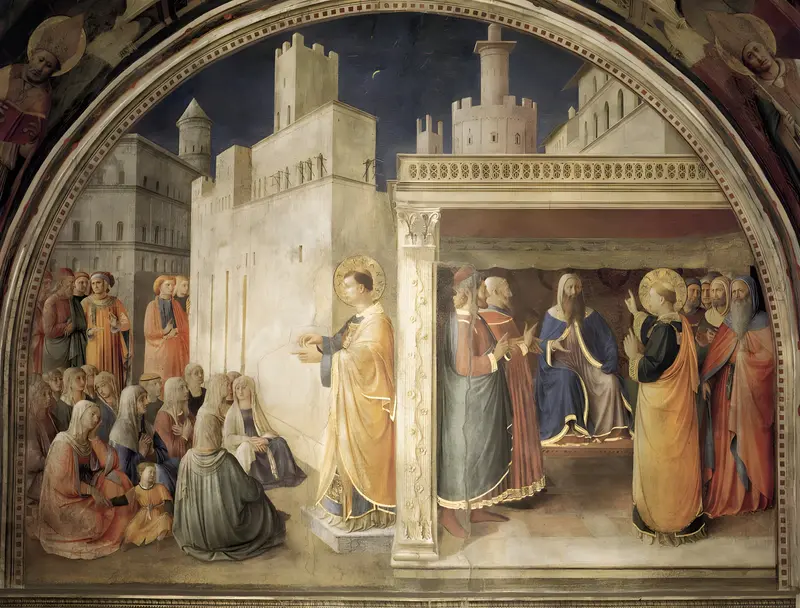
Lunette of the north wall
Fra Angelico
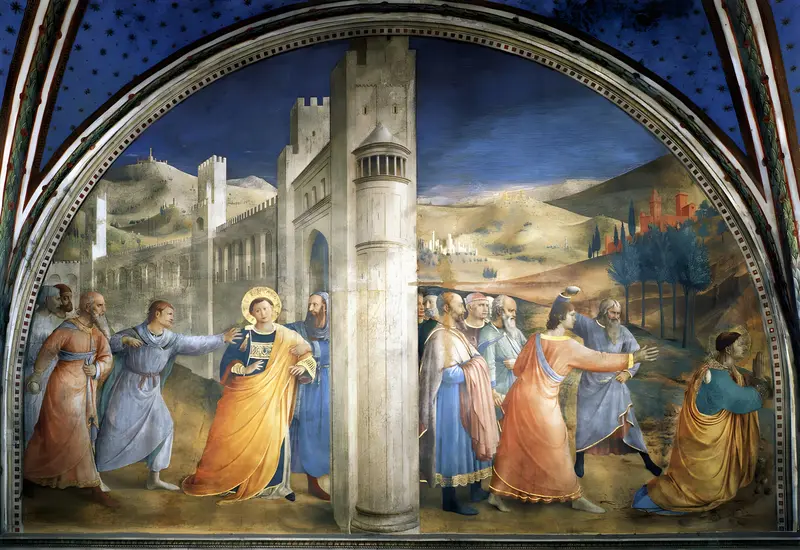
Lunette of the east wall in Niccoline Chapel
Fra Angelico
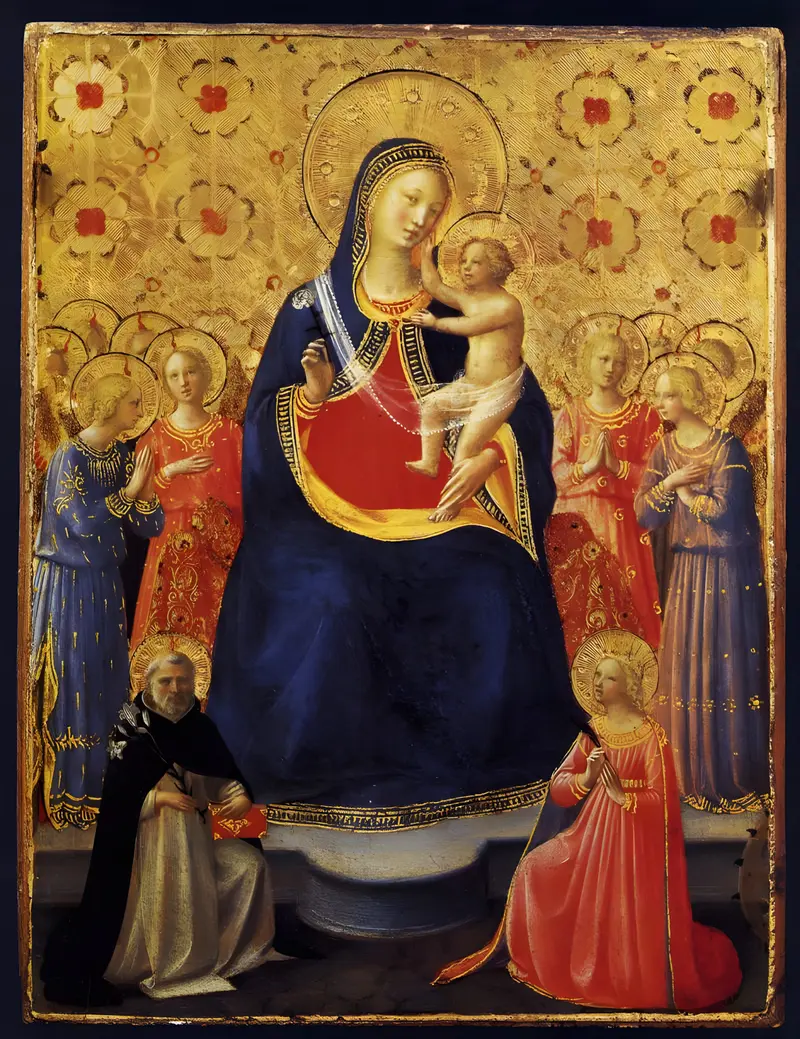
Madonna and Child Enthroned with Nine Angels and Saints Dominic and Catherine of Alexandria
Fra Angelico
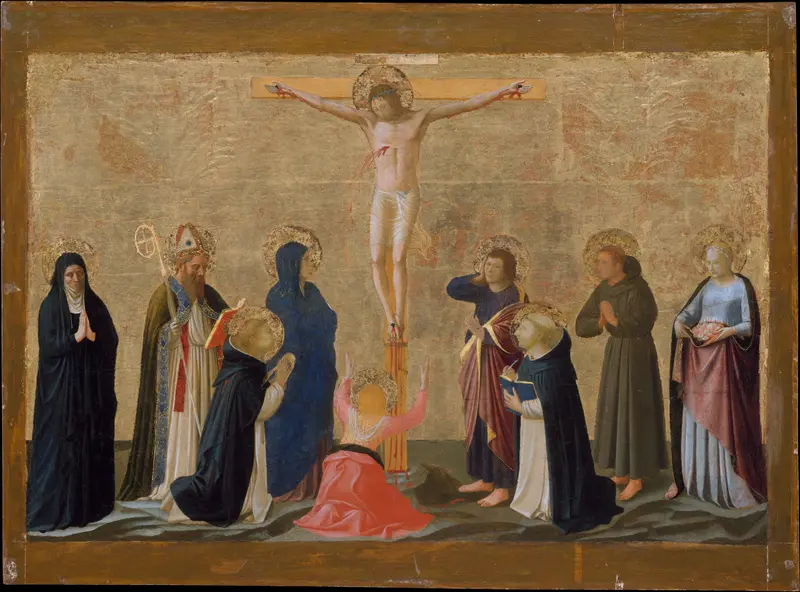
The Crucifixion
Fra Angelico
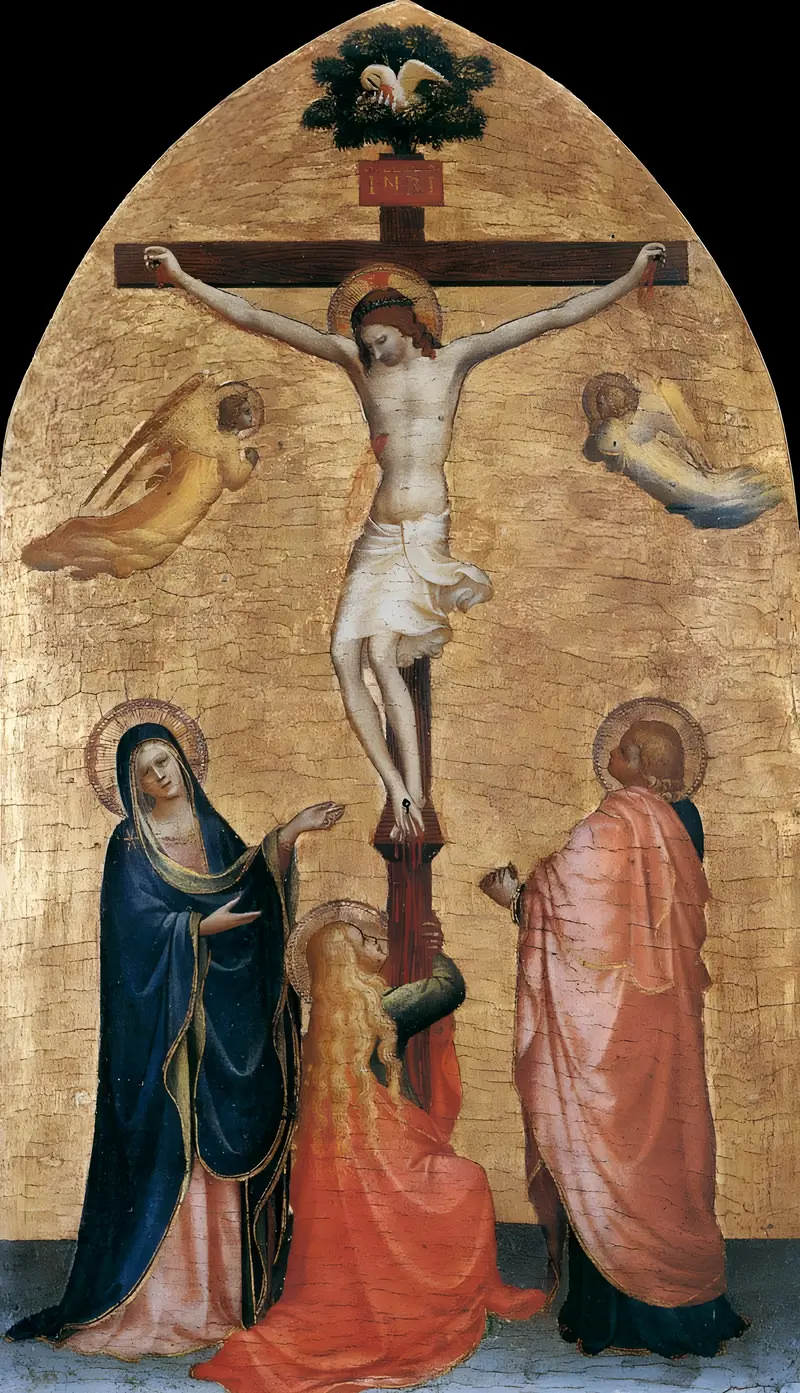
Crucifixion with the Virgin, John the Evangelist, and Mary Magdelene
Fra Angelico
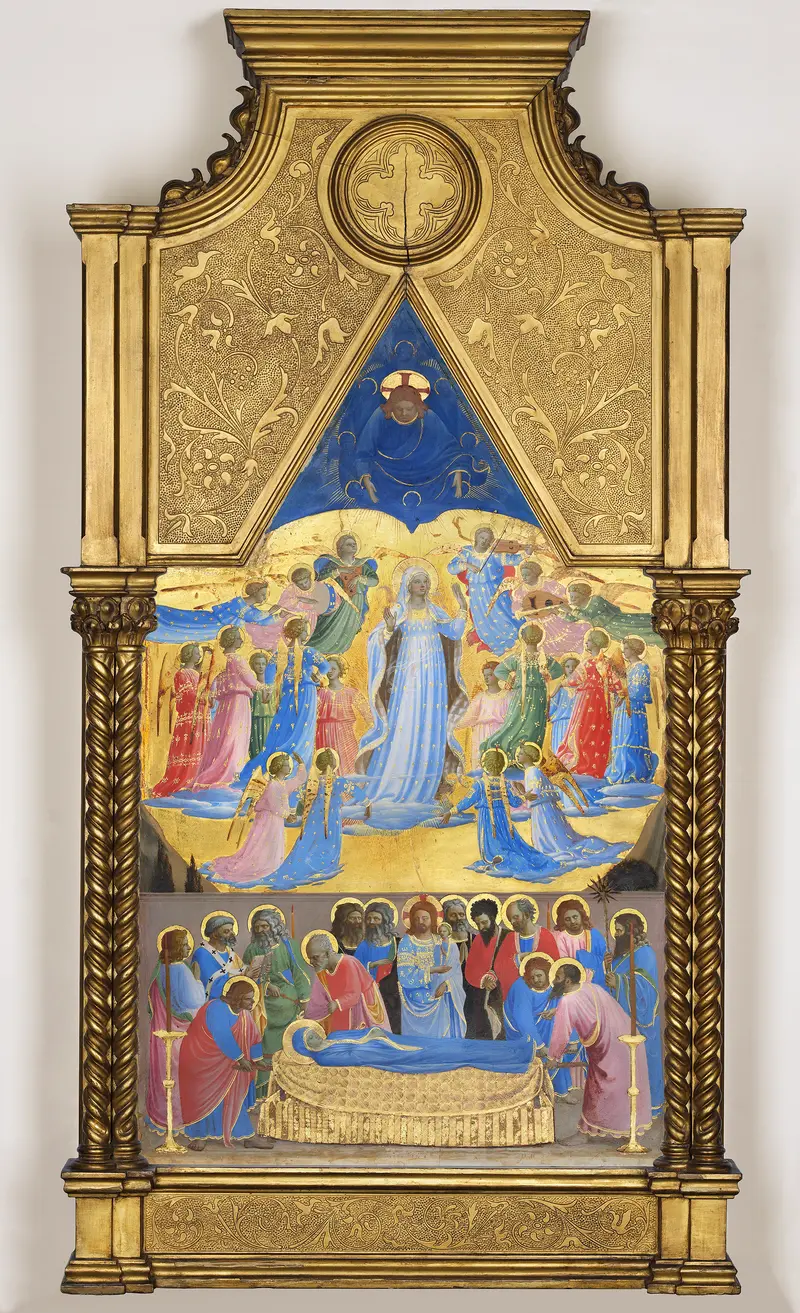
Dormition and Assumption of the Virgin
Fra Angelico
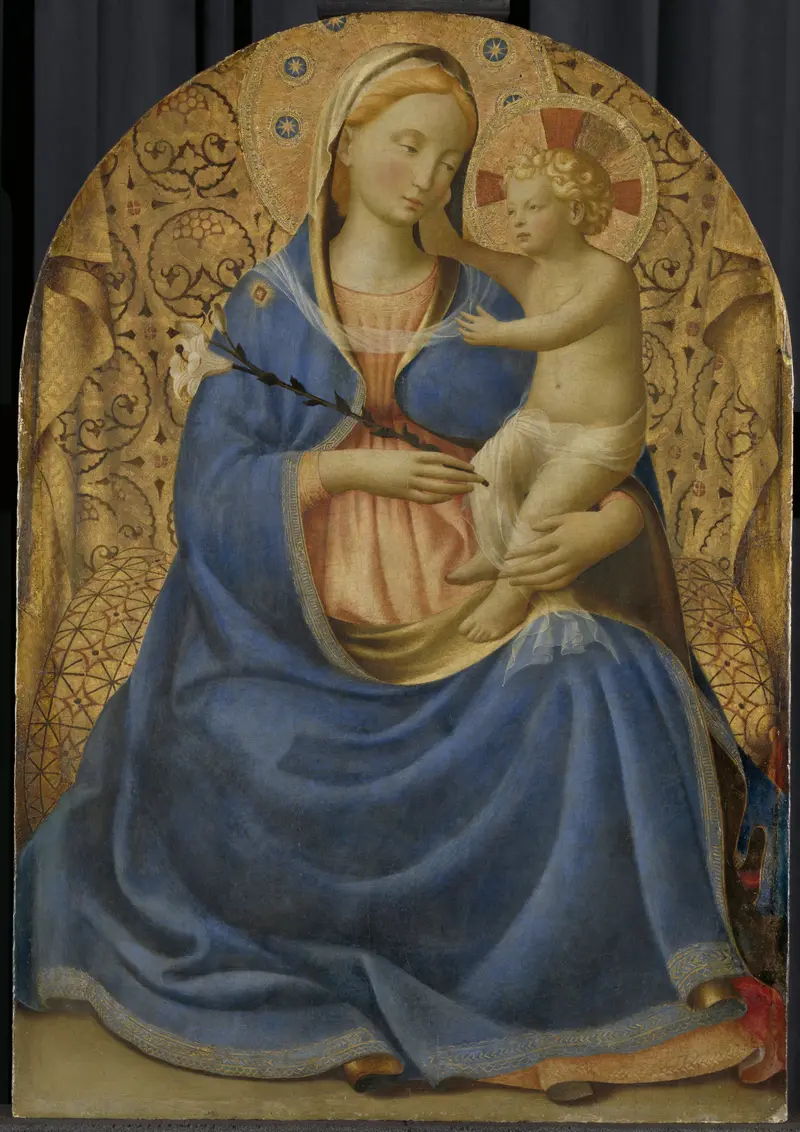
Madonna of Humility
Fra Angelico
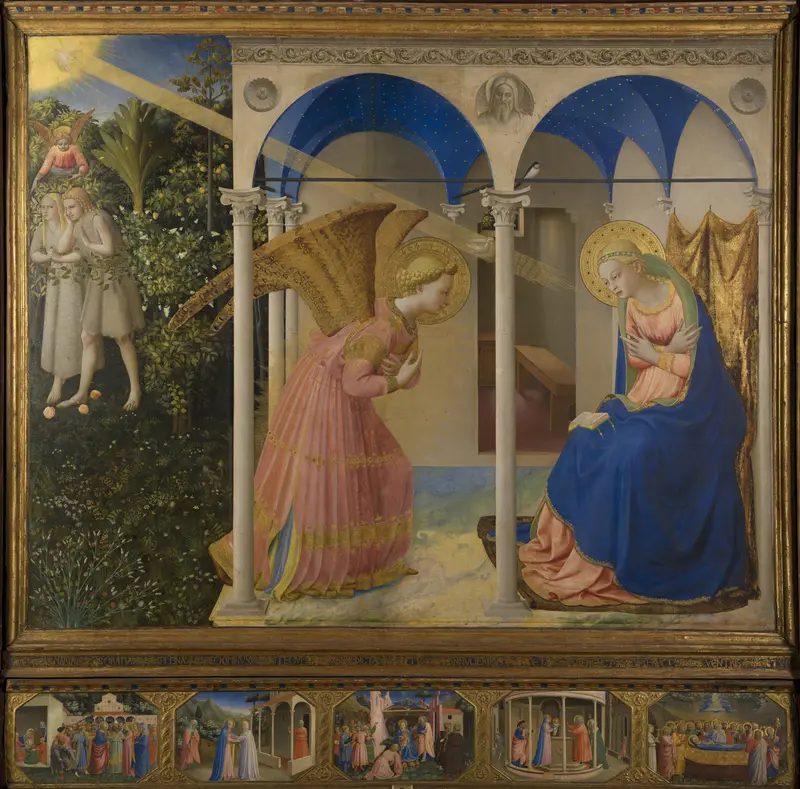
The Annunciation
Fra Angelico

Saint Anthony Abbot
Fra Angelico





