
Equestrian portrait of Wincenty Krasiński. — History & Facts
When Théodore Géricault painted Equestrian portrait of Wincenty Krasiński in 1814, he was only twenty-three and still unknown outside Paris, but already drawn to the drama of war and the lives of soldiers. The sitter, Count Wincenty Krasiński, was a Polish nobleman and general in Napoleon’s army, who had fought at Leipzig just months earlier—a battle that marked the beginning of the end for Napoleon’s empire. The portrait stands as a rare record of a Polish hero painted by a French Romantic at the very moment Europe’s fortunes were shifting.
It is also one of the few surviving equestrian portraits by Géricault from this early, formative period. Krasiński sits tall in his uniform, his horse rearing against a stormy sky, the ground churned by recent battle. The general’s direct gaze and upright posture speak of confidence and vigilance, while the tension in the horse’s muscles and the fluttering of the standard behind him suggest the chaos and uncertainty of war. The artist’s attention to the gleam of metal, the folds of cloth, and the restless sky echoes the energy seen in Géricault’s later The Charging Chasseur, but here the subject is historical, not allegorical: a real man, freshly returned from the field.
Unlike the static grandeur of Jacques-Louis David’s imperial portraits, this work is charged with movement and anxiety, reflecting a world in turmoil. The exact circumstances of the commission are unclear, but it is likely that Krasiński, proud of his service and eager to cement his legacy, sought out the young Géricault in Paris. The painting’s subsequent history is less well documented; it remained in private hands for much of the nineteenth century, and only later entered public collections. Today, it stands as a testament to Géricault’s fascination with military subjects and his early mastery of equestrian portraiture—a genre he would soon leave behind as he turned to more radical themes.
The work offers a vivid glimpse into the artist’s early style, poised between the discipline of Neoclassicism and the restless energy of Romanticism.
More Artworks by Théodore Géricault
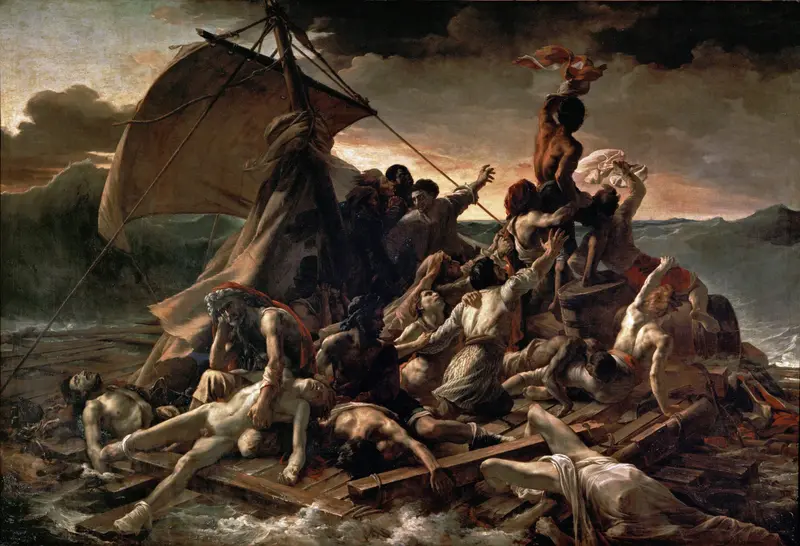
The Raft of the Medusa
Théodore Géricault

Géricault - Le naufrage du radeau de la Méduse, MBA 790
Théodore Géricault
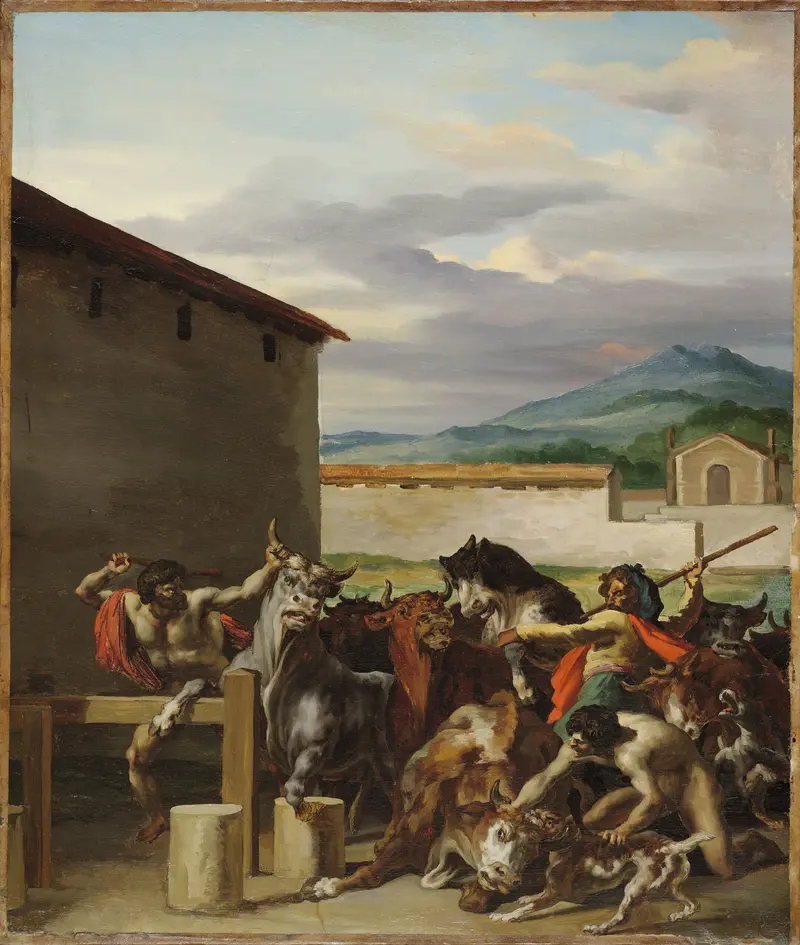
Cattle Market
Théodore Géricault
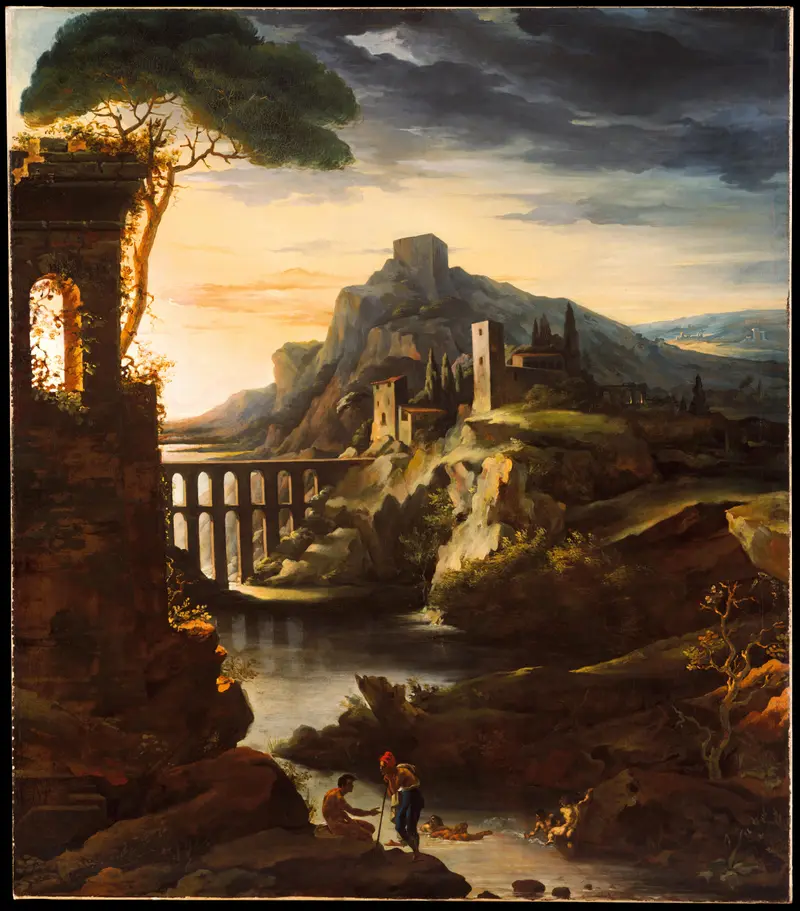
Evening; Landscape with an Aqueduct
Théodore Géricault
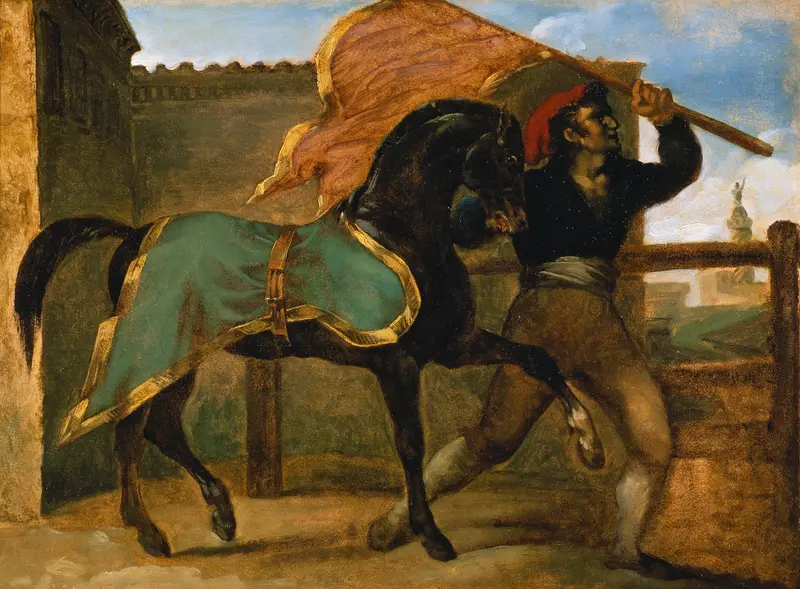
Horse Race
Théodore Géricault

Horses Standing in a Mews
Théodore Géricault
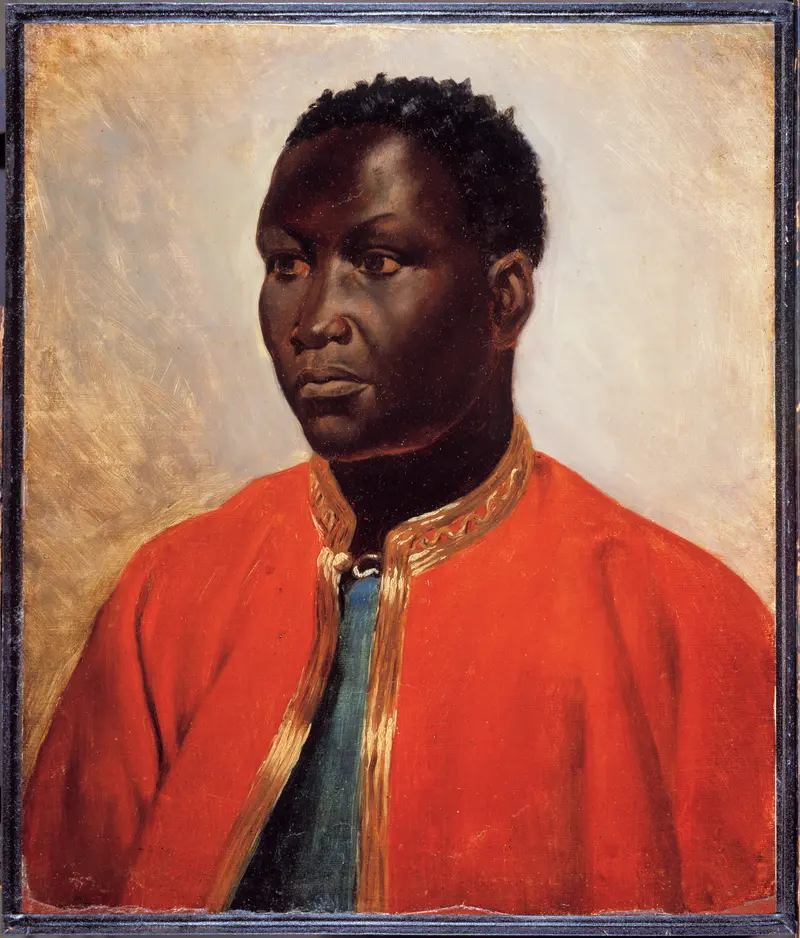
Portrait of a Negro
Théodore Géricault
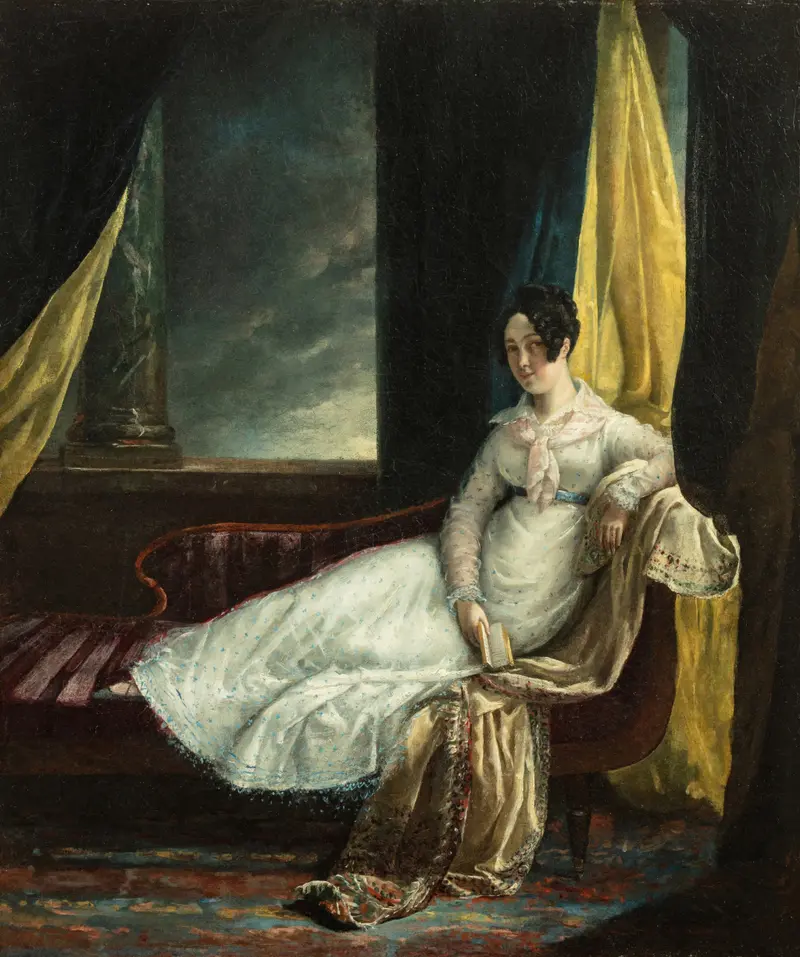
Portrait of Zoë Elmore
Théodore Géricault
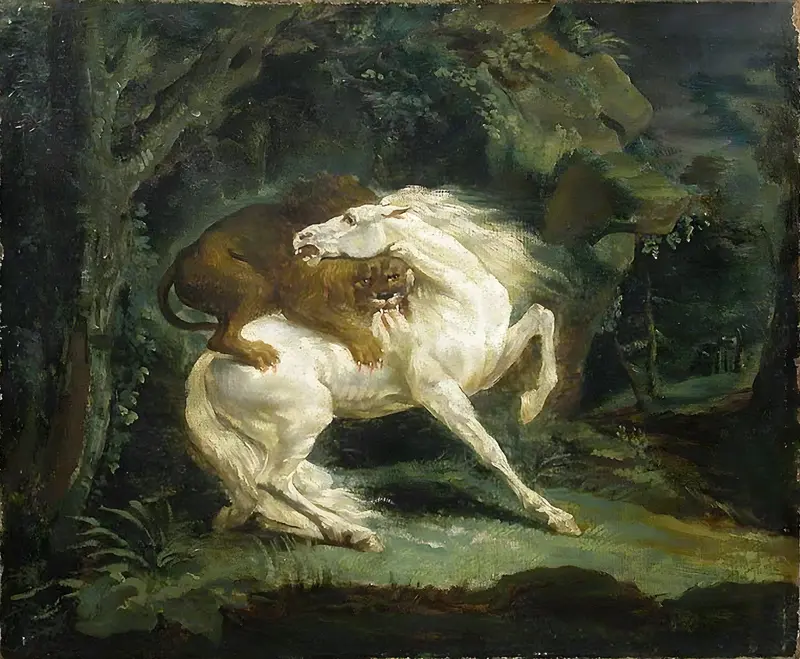
Cheval attaqué par un lion
Théodore Géricault
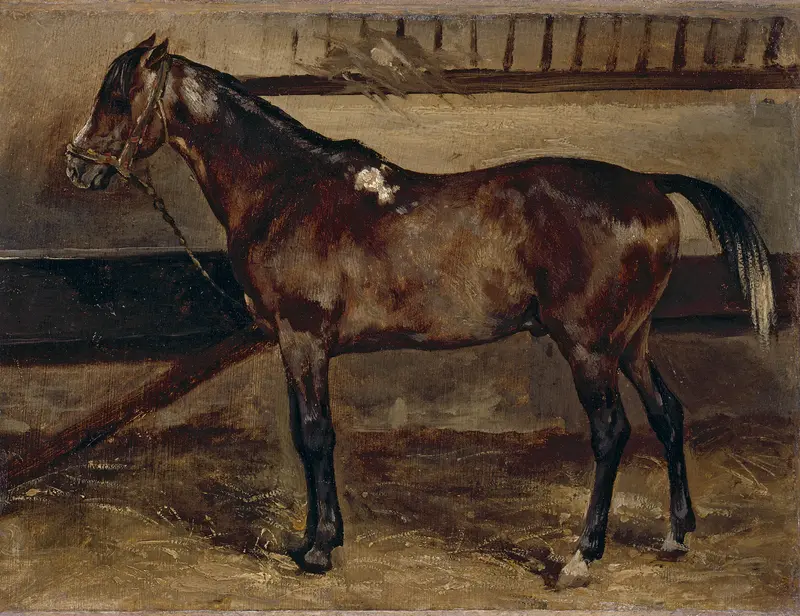
Cheval brun à l'écurie
Théodore Géricault





